
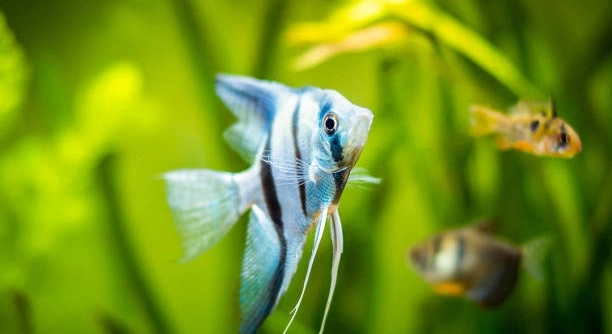
Angelfish are beautiful and peaceful creatures, often considered ideal for beginner fishkeepers. However, their behavior can sometimes become a bit aggressive, leaving you puzzled. Understanding why this happens is essential to maintaining a healthy tank environment.
Aggressive behavior in angelfish is often linked to factors such as territorial disputes, poor water quality, and inappropriate tank mates. Stress, breeding instincts, and overcrowded tanks can also trigger aggression, leading to conflicts among fish.
By recognizing the underlying causes, you can make adjustments to improve your angelfish’s behavior. Addressing these issues ensures a more harmonious aquarium where your angelfish thrive peacefully.
Territorial Behavior
Angelfish are known for their territorial nature, especially when they feel their space is being threatened. If they are placed in an environment where they feel crowded or unable to claim a specific area, they might become aggressive. This territorial behavior is common during feeding or when they are guarding a part of the tank. Angelfish can become more protective over certain spots, like plants or decorations, which they consider their space. When other fish enter this area, they may react aggressively to establish dominance.
Aggressive territorial behavior can cause unnecessary stress to other fish in the tank. To avoid this, provide ample hiding spots and ensure your angelfish have enough space to claim territories without clashing with other fish.
Providing separate spaces and carefully choosing tank mates is essential for maintaining harmony in your aquarium. By creating a balanced setup, your angelfish will be less likely to feel threatened or stressed. Consider using taller plants or decorations to provide hiding places and reduce the chances of conflict.
Poor Water Quality
Water quality plays a crucial role in the overall well-being of your angelfish. If the water becomes dirty or imbalanced, your fish can become stressed, leading to aggressive behavior. Angelfish are sensitive to changes in water temperature, pH levels, and ammonia levels. When these parameters fluctuate, they may act out, trying to defend themselves or assert dominance.
Regular water changes and proper filtration are essential for keeping the tank in good condition. This can help reduce stress and aggression. Make sure to check the water quality regularly and take action if you notice any signs of deterioration.
Maintaining clean and stable water conditions creates a peaceful environment for your angelfish. A healthy tank reduces the likelihood of aggressive behavior, as the fish will feel less stressed and more comfortable. This also ensures the long-term health of your fish, allowing them to thrive in a calm and balanced environment.
Overcrowding
Overcrowding in an aquarium can lead to stress, which triggers aggressive behavior in angelfish. If there are too many fish in the tank, they may feel cramped and uncomfortable. This leads to fighting as they compete for space and resources.
To avoid overcrowding, ensure your tank is appropriately sized for the number of fish you have. Angelfish need plenty of space to swim and establish their territories. The general rule is to provide at least 20 gallons of water for a pair of angelfish and additional space for each extra fish. Crowding increases stress, which leads to aggression.
Reducing the number of fish in the tank or upgrading to a larger aquarium can help calm your angelfish down. Ensuring enough room for each fish to swim comfortably can lower stress levels and make the tank environment much more peaceful. Remember that angelfish, like other fish, need personal space to feel secure. A spacious tank helps reduce territorial conflicts, making it easier for your fish to coexist peacefully.
Mating Behavior
Angelfish become more aggressive during breeding seasons. When preparing to mate, they can become territorial, defending their space more fiercely. They may chase away other fish and even exhibit aggressive behaviors toward their mates in a bid to protect their spawning sites.
During this time, it’s important to give your angelfish the privacy they need. If you’re keeping multiple pairs in the same tank, ensure that they have enough space to avoid conflict. Be mindful that aggression from mating angelfish can sometimes be dangerous to other tank mates, especially if they are much smaller.
To prevent issues, consider separating breeding pairs into their own tanks during this period. Doing so will allow them to focus on mating without causing stress to the rest of your aquarium inhabitants. After the mating period is over, aggression should decrease as they settle back into their usual behavior.
Incompatible Tank Mates
Certain fish species may not get along with angelfish, causing aggression. When tank mates are too active or territorial themselves, angelfish may feel threatened and respond aggressively. It’s important to choose compatible fish to avoid conflicts.
Fish like tetras, guppies, and other peaceful species generally coexist well with angelfish. Avoid adding small, fast-moving fish that may trigger aggression, or other territorial fish that may compete for space. The more you know about fish behavior, the easier it will be to prevent unnecessary fights.
Choosing the right tank mates is key to maintaining a peaceful aquarium. Research the temperament and size of potential tank mates before adding them. If a conflict does arise, separate the aggressive angelfish from the others until they calm down.
Stress
Stress is a major factor in aggressive angelfish behavior. When they feel threatened, either by environmental factors or other fish, they will act aggressively to protect themselves. Stress can result from poor water quality, overcrowding, or tank mates that aren’t compatible.
Signs of stress include erratic swimming, hiding, and aggression. Addressing the source of stress, whether it’s the water conditions, tank size, or fish compatibility, is essential for calming your angelfish down. Create a stable and peaceful environment to reduce stress levels.
Poor Diet
A poor or inadequate diet can also contribute to aggressive behavior. If angelfish aren’t getting the right nutrients, they may become irritable and more prone to aggression. A well-balanced diet is necessary to keep them healthy and calm.
Ensure that your angelfish are eating a variety of foods, including high-quality flakes, pellets, and occasional live food. A poor diet can weaken their immune system, making them more vulnerable to stress and aggression.
FAQ
Why is my angelfish chasing the other fish?
Angelfish often chase other fish due to territorial behavior or mating instincts. If your angelfish feels its space is being invaded, it may chase away other fish to establish dominance. This behavior is especially noticeable during breeding seasons when angelfish become more protective of their area. If the aggression is consistent, you may need to rearrange the tank or separate the aggressive fish.
How can I reduce aggression in my angelfish?
To reduce aggression, first ensure that the tank is large enough for your fish to have their own space. Avoid overcrowding, as this can increase stress and lead to aggressive behavior. Provide plenty of hiding spots using plants and decorations. Also, ensure the water quality is optimal and that tank mates are compatible. Removing aggressive individuals to a separate tank may be necessary if they don’t settle down.
Can angelfish live with other species?
Yes, angelfish can live with other species, but it’s important to choose peaceful tank mates. Smaller, slower fish can become targets for aggression. Fish like tetras, mollies, and platies usually do well with angelfish, but avoid keeping them with overly territorial species like cichlids. Always research a species’ temperament before adding it to the tank.
Do angelfish get along with each other?
Angelfish can be territorial, so keeping multiple angelfish together can sometimes lead to conflict. In a large tank, you may be able to house several, but it’s best to keep only one pair in smaller tanks to avoid aggression. If you notice aggressive behavior between them, consider separating them or rearranging the tank to reduce tension.
How do I know if my angelfish is stressed?
Stressed angelfish often exhibit erratic swimming, hiding more than usual, or displaying unusual behaviors like darting or swimming in circles. They may also become more aggressive toward other fish. Signs of stress can also include clamped fins and a lack of appetite. If you notice these symptoms, check the water quality, temperature, and tank setup to ensure they’re suitable for your fish.
Why is my angelfish hiding all the time?
Hiding can be a sign that your angelfish is stressed, unwell, or feeling threatened. It may be hiding to escape from aggressive tank mates or due to poor water quality. Make sure the tank has enough hiding spots to allow the angelfish to feel secure. If the hiding continues, check for any signs of illness, such as loss of color or unusual behavior.
How often should I feed my angelfish?
Angelfish should be fed once or twice a day. Feed them small amounts that they can consume within a few minutes to avoid overfeeding. Offering a variety of foods, like high-quality flakes, pellets, and occasional live or frozen foods, will help them stay healthy and satisfied. Overfeeding can lead to water quality problems, which can increase stress and aggression.
What size tank do angelfish need?
Angelfish need a tank that’s at least 20 gallons for a single pair. A larger tank is necessary if you plan on keeping multiple angelfish or other fish. A bigger tank provides more space for angelfish to claim territories, reducing the chance of aggressive behavior. Providing enough room is essential for their health and comfort.
Can angelfish live with bettas?
Bettas are territorial fish, especially males, and generally do not make good tank mates for angelfish. Betta fish may become aggressive towards angelfish, and the long fins of angelfish can trigger the betta’s aggressive nature. It’s best to avoid keeping these two species together, as conflicts can lead to injuries or stress.
What water temperature is best for angelfish?
Angelfish thrive in water temperatures between 76°F and 84°F (24°C to 29°C). Keeping the water within this range ensures your angelfish remain healthy and stress-free. Fluctuations in temperature can cause stress and may lead to aggressive behavior or illness. Always use a reliable heater and thermometer to maintain consistent water conditions.
Why is my angelfish attacking its reflection?
Angelfish can become territorial, and they may mistake their reflection in the tank glass for another fish. This can lead to constant chasing or attacking of the reflection. To reduce this behavior, consider placing tank decorations or plants in front of the glass to block the reflection, or use a background to reduce the chance of your angelfish seeing itself.
Can I put angelfish with shrimp?
Angelfish may eat smaller shrimp, especially if they are slow-moving or small in size. While some larger shrimp like Amano or Cherry shrimp may be safe in the tank, it’s always a risk. If you’re interested in keeping both, ensure the shrimp are large enough to avoid becoming prey, and monitor interactions closely.
Are angelfish aggressive during breeding?
Yes, angelfish can become more aggressive during the breeding season. They may defend their nesting site and act aggressively toward other fish, even their own mates. If aggression becomes too intense, consider moving the breeding pair to a separate tank to give them privacy and protect other fish in the main tank.
How do I tell if my angelfish is sick or just stressed?
The symptoms of stress and illness can overlap, but sick angelfish typically show signs like faded colors, abnormal swimming behavior, or a lack of appetite. Stressed angelfish might hide, become more aggressive, or show erratic movements. If the symptoms persist or worsen, it’s best to isolate the fish and consult an aquarium expert.
Final Thoughts
Angelfish are known for their graceful beauty and peaceful nature, but there are times when their behavior might take a turn toward aggression. Understanding the reasons behind this behavior is important for keeping them happy and healthy. Factors such as territoriality, poor water quality, and incompatible tank mates can all contribute to their aggressive actions. By addressing these issues early on, you can create a more peaceful and comfortable environment for your angelfish.
It’s essential to monitor their environment carefully. Overcrowding, poor diet, and stress can all lead to aggression in angelfish. Regular water changes, maintaining good water quality, and providing adequate space are all crucial steps in preventing aggression. Also, when selecting tank mates, make sure to choose peaceful species that won’t trigger territorial behavior or stress. With the right setup and attention to detail, your angelfish can live peacefully with their tank mates and thrive in a well-maintained aquarium.
Ultimately, keeping your angelfish stress-free requires patience and observation. If you notice signs of aggression, such as chasing, nipping, or hiding, take the time to identify the cause. Whether it’s an issue with tank conditions, overcrowding, or an incompatible mate, small adjustments can often resolve these problems. Regular maintenance, proper feeding, and careful monitoring of tank dynamics will help ensure your angelfish remain calm and content. With a little effort, you can enjoy the beauty of these fish without the stress of aggression.

Hello,
If you enjoy the content that we create, please consider saying a "Thank You!" by leaving a tip.
Every little bit helps us continue crafting quality advice that supports the health, happiness, and well-being of pets around the world, for pets of all shapes, sizes, and species.
We really appreciate the kindness and support that you show us!