
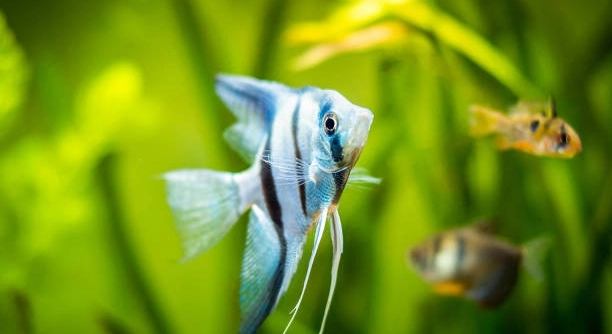
Angelfish are beautiful creatures that can display fascinating behaviors in their aquarium environment. As social fish, they interact with each other and their surroundings in unique ways. Understanding their behavior can help improve their care.
Angelfish do not experience jealousy in the same way humans do. However, they can exhibit territorial behaviors or show aggression when competing for food, space, or mates. Such behaviors are instinctive, driven by their need to establish dominance.
By observing these behaviors, you can better understand their needs and create a harmonious environment for your angelfish.
Aggression Over Territory
Angelfish can be quite territorial, especially in confined spaces. They may claim certain areas of the tank as their own, becoming aggressive towards others who come too close. This territorial behavior is natural and essential for their survival in the wild. In a tank setting, it can sometimes lead to fights, particularly if there are other fish that compete for the same space.
One way to reduce aggression is to ensure that your tank is large enough for the number of fish you have. A more spacious environment allows each fish to establish its own territory, which can minimize confrontations.
Additionally, adding hiding spots like plants or decorations can give your angelfish a sense of security, as they’ll have places to retreat when feeling threatened. This strategy can also help reduce stress and foster a more peaceful tank environment overall, benefiting both your angelfish and any other tank mates.
Mating Behavior
Mating can trigger aggressive behavior in angelfish, particularly during breeding seasons. They often become more protective of their chosen territory and will chase other fish away from their mating area. When a female lays eggs, the male will guard them closely.
The aggressive behaviors during mating are usually short-term and temporary. Afterward, the pair often settles down and may even form lasting bonds. However, it is important to monitor the tank closely during this time to ensure the other fish are not stressed or harmed.
While this behavior may seem intense, it’s an essential part of their natural instinct to protect their offspring. Having a separate breeding tank can reduce the impact of this aggression, making for a calmer tank in the long run.
Competition for Food
Angelfish can be quite competitive when it comes to food. They may push or chase other fish away from the feeding area to ensure they get their share. This behavior can be especially noticeable when food is scarce or when they feel their space is being invaded.
To prevent food competition, it’s essential to offer food in different areas of the tank, ensuring all fish have access. A varied diet that includes both floating and sinking food will also help address the needs of angelfish and any other tank inhabitants.
If aggression over food becomes frequent, consider feeding them at separate times. This will allow each fish to enjoy their meal without stress. Additionally, using an automatic fish feeder can help distribute food evenly, reducing competition and keeping everyone happy.
Aggression Towards Other Fish
While angelfish are generally peaceful, they can be aggressive toward smaller or weaker fish. They may chase or nip at other species, especially if they feel threatened or their territory is encroached upon. The aggression can range from mild chasing to more intense, violent behavior.
To reduce aggression, avoid placing small or slow-moving fish in the same tank as angelfish. Tank mates should be similar in size and temperament. If you notice ongoing aggression, try rearranging the tank’s layout. This can disrupt territorial claims and may calm the fish down.
Adding a variety of plants and hiding spaces can also ease tensions. Angelfish often feel more secure when they have places to retreat, reducing the likelihood of aggression. A balanced, well-planted tank is key to preventing conflicts.
Chase Behavior
Angelfish may chase one another, especially when competing for territory or mates. This chasing can be intense, but it’s usually part of their natural behavior. It’s more common when they feel threatened or stressed, or during breeding periods.
To reduce chasing, ensure that your tank is spacious and that each fish has enough room to establish their own territory. Adding plants or hiding spots can also help give the fish areas to retreat to when they feel cornered.
With a well-organized tank, the chasing behavior should decrease, and the angelfish will feel more secure.
Color Display
Angelfish display bright colors, especially during mating. Their vibrant hues are often used to attract mates or assert dominance over other fish. The colors may shift or intensify depending on their mood, environment, and social interactions with other fish.
During breeding seasons, you may notice even more pronounced colors. These color changes are a natural part of their behavior, signaling that they are ready to mate. Understanding these color displays helps you recognize their emotional and reproductive states.
If you’re noticing excessive color changes outside of breeding, it could be a sign of stress or illness.
Resting Behavior
Angelfish, like other fish, need time to rest. They may remain still at the bottom of the tank or in a hiding spot for long periods. During this time, they’re usually not as active, conserving energy and reducing stress.
Providing hiding spots is essential for their well-being. These areas give them a sense of security when they need rest, especially after periods of high activity. It’s also important to keep the tank water clean and stable, as poor water conditions can cause stress and disrupt their natural rest cycle.
FAQ
Do angelfish get along with other fish?
Angelfish can get along with certain species, but they are best kept with similarly sized, peaceful fish. They are territorial by nature and may not tolerate smaller or slower fish, as they could see them as easy targets. Fish such as tetras, mollies, and corydoras usually do well in the same tank. However, aggressive species should be avoided to prevent stress or injury. If you’re planning to house angelfish with others, it’s essential to monitor interactions closely and provide enough space for everyone.
How can I tell if my angelfish is stressed?
Stressed angelfish may display several signs, such as loss of appetite, erratic swimming, and hiding more than usual. They might also develop faded colors or show signs of aggression toward other tank mates. Environmental factors like poor water quality, overcrowding, or sudden changes in tank conditions can contribute to stress. It’s important to check the water parameters regularly and make adjustments to ensure a comfortable environment. Providing plenty of hiding spaces and reducing sudden changes in the tank will help reduce stress.
Why do angelfish chase each other?
Chasing is a common behavior in angelfish, especially when they are establishing or protecting their territory. They may also chase each other during mating periods when one fish is asserting dominance or competing for a mate. While chasing can be a natural part of their behavior, constant or aggressive chasing may indicate overcrowding or insufficient space. In such cases, providing more hiding places or adjusting the tank setup can help reduce aggression.
Can angelfish live with other angelfish?
Angelfish can live with other angelfish, but it’s essential to manage their numbers and tank space carefully. A pair of angelfish will usually get along well, but adding more than two or three can lead to aggression as they compete for territory. It’s best to keep them in a larger tank to allow for plenty of space. If aggression is observed, rearranging the tank or adding more hiding spots may help reduce conflict. Monitoring their behavior closely can also help ensure a peaceful environment.
Why do my angelfish fight?
Angelfish fights typically occur when they feel their territory is being threatened or when they are competing for a mate. Aggression is especially common during breeding periods. The male may become more territorial, defending both the female and the area around the eggs. If fights are frequent or intense, it could be due to an overcrowded tank, insufficient hiding spaces, or incompatible tank mates. Providing more space and creating separate territories can help minimize fighting.
What can I do to prevent aggression in my angelfish tank?
To reduce aggression, ensure your tank is large enough for the number of fish you have. A more spacious tank provides each fish with the opportunity to establish their own territory, reducing conflicts. You can also add plenty of hiding spots, such as plants, rocks, or decorations, where angelfish can retreat when they feel threatened. Ensuring proper water conditions and feeding regularly can also help reduce stress and aggression. If aggression persists, consider adjusting tank mates or rearranging the tank layout to break territorial patterns.
How often should I feed my angelfish?
Angelfish should be fed two to three times per day. Overfeeding can lead to water quality issues, while underfeeding can stress the fish. It’s important to feed them a variety of foods, such as flakes, pellets, and occasional frozen or live food, to ensure they get the proper nutrition. Monitor their behavior during feeding time and adjust the amount based on their appetite. Any leftover food should be removed to avoid polluting the tank.
What do angelfish eat?
Angelfish are omnivores, and their diet should include a variety of foods. High-quality flake or pellet food forms the basis of their diet, but they also benefit from occasional live or frozen foods such as brine shrimp, bloodworms, or daphnia. Vegetables like spinach or zucchini can be offered as well. A varied diet ensures that they receive all the necessary nutrients for healthy growth and vibrant coloration.
How can I tell if my angelfish is sick?
Signs of illness in angelfish include changes in appearance, such as faded colors or lesions, unusual swimming patterns, such as swimming near the surface or staying at the bottom of the tank, and loss of appetite. If your angelfish shows any of these signs, it’s essential to check the water parameters and make sure they are within the ideal range. Sick fish should be isolated in a quarantine tank to prevent the spread of disease, and treatment can begin based on the symptoms observed.
Do angelfish need a heater?
Yes, angelfish require warm water to thrive. The ideal temperature range for angelfish is between 76°F and 82°F (24°C to 28°C). A reliable aquarium heater is necessary to maintain a stable temperature, especially in cooler environments. Temperature fluctuations can stress angelfish and weaken their immune systems, making them more susceptible to disease. It’s also important to monitor the water temperature regularly to ensure consistency.
Can angelfish live with bettas?
Angelfish and bettas do not usually make good tank mates. While angelfish tend to be more peaceful, their large size and territorial nature can provoke aggression in bettas. Bettas, especially males, are known for their aggressive behavior, and the angelfish’s long fins may be seen as a target. It’s safer to keep them in separate tanks or provide ample space and hiding spots if you attempt to house them together.
Are angelfish good community fish?
Angelfish can be good community fish, but they are not ideal for all tank setups. They do well with peaceful, similarly sized fish but may exhibit aggression toward smaller or slower-moving species. They are also territorial, so a larger tank with plenty of space is essential. Angelfish can coexist with tetras, mollies, and other peaceful species, but caution is necessary when choosing tank mates to avoid stress and fighting. Always monitor interactions closely when introducing new fish to the tank.
Final Thoughts
Angelfish can display a variety of behaviors that may seem unusual but are actually natural to their species. From their territorial nature to their occasional chasing or color changes, these behaviors help define their social structure and personal interactions. While it’s common for angelfish to be territorial and show aggression, it’s important to understand these actions as part of their instinct to establish dominance, attract mates, or protect their space. Their behavior is not a sign of jealousy in the human sense, but rather a natural response to environmental factors and interactions with tank mates.
When observing your angelfish, it’s crucial to ensure that they feel secure in their environment. Providing adequate space, hiding spots, and monitoring water quality can greatly reduce stress and help minimize aggressive behavior. A peaceful, well-maintained tank creates a comfortable space where angelfish can thrive. It’s also important to remember that each fish has its unique personality, so some variation in behavior should be expected. If aggression does arise, it’s essential to address it early by adjusting the tank setup or adding more fish to distribute the territorial pressure.
By understanding the natural behavior of angelfish and providing them with an appropriate living space, you can ensure their health and well-being. They can coexist peacefully with other species, as long as they are matched with compatible tank mates. The key to a successful angelfish tank is maintaining balance—this includes proper feeding, water conditions, and ensuring that they have a safe space to rest. Whether you are a beginner or an experienced fish keeper, keeping an eye on their behavior will help you manage any potential issues and allow your angelfish to live a long, healthy life in your tank.

Hello,
If you enjoy the content that we create, please consider saying a "Thank You!" by leaving a tip.
Every little bit helps us continue crafting quality advice that supports the health, happiness, and well-being of pets around the world, for pets of all shapes, sizes, and species.
We really appreciate the kindness and support that you show us!