
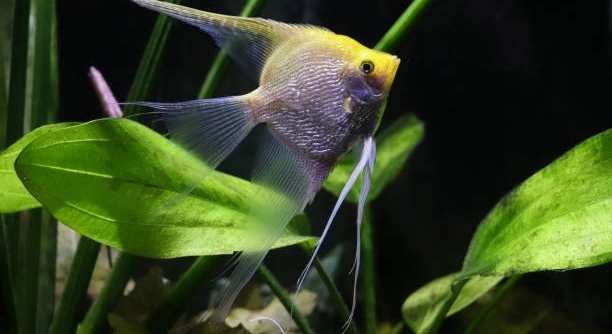
Have you ever noticed your angelfish acting strangely, trailing behind its tank mates like a tiny underwater shadow? This behavior can seem odd at first, especially if your fish usually keeps to itself.
Angelfish often follow other fish due to territorial behavior, social bonding, or simple curiosity. This trailing may also relate to mating interest, stress, competition for food, or even boredom within their environment.
These subtle patterns in fish behavior can reveal much more about their needs, moods, and overall tank dynamics.
Theory 1: Territorial Instincts
Angelfish are known for being semi-aggressive and territorial, especially as they mature. If your angelfish keeps following another fish around the tank, it might be claiming its space. This behavior is more common in smaller or crowded tanks where boundaries are not well defined. Angelfish often chase or hover near others to assert dominance or keep a particular area for themselves. It may not always lead to fighting, but it can cause stress for the fish being followed. Creating more hiding spots, plants, or adjusting tank mates can help reduce this kind of interaction in many cases.
This pattern is often seen when new fish are introduced to a tank or when angelfish reach breeding age.
Territorial behavior tends to increase when tanks are not big enough. Angelfish need room to establish their zones. A tank size of at least 20 gallons is ideal for a pair. Decorations and plants can break the line of sight and give fish their own space. If your angelfish keeps following one specific fish, observe whether it’s trying to push it away from a certain spot. It might not be aggression—it could just be trying to maintain its claimed area. Ensuring a peaceful tank setup helps calm this behavior naturally.
Theory 2: Mating Behavior
Angelfish sometimes follow each other as part of a mating display.
If you’ve noticed your angelfish trailing another fish constantly, especially one of the same species, it might be showing interest in pairing. Angelfish are monogamous once they’ve chosen a mate, and the courting process can start with simple following. This can also include gentle nudges or body rubbing. It doesn’t always mean they’re ready to spawn right away, but it’s a sign they might be selecting a partner. If both fish are showing mutual interest, you might soon see them cleaning a flat surface together—a common pre-spawning behavior. Be aware that this can cause temporary stress in community tanks.
In a breeding context, angelfish become more focused and territorial. You may even notice them chasing off other fish from the area they’ve chosen. To support this behavior, make sure your water parameters are stable and the tank is clean. Adding broad leaves or smooth surfaces gives them a proper place to lay eggs. If you’re not trying to breed them, it’s still important to recognize the signs so you can monitor the tank closely. Separation may be needed if the pair becomes too protective or aggressive with other fish. Understanding this helps you manage harmony in the tank.
Theory 3: Social Curiosity
Some angelfish follow other fish simply because they are curious. This is especially true in younger angelfish that are still exploring their environment. They may mimic behaviors or stick close to other fish out of interest, not aggression or stress.
In a community tank, social curiosity can look like harmless trailing, where your angelfish swims near or behind another fish without nipping or showing signs of stress. This behavior is more common in peaceful setups with calm tank mates. It’s their way of observing and learning how others behave. As long as there’s no chasing or territorial posturing, this kind of interaction is normal. You might also see your angelfish copying feeding behavior or resting near certain fish. It’s similar to how some animals learn from each other. If your tank is balanced and peaceful, social curiosity is nothing to worry about.
Over time, this behavior may fade as the angelfish becomes more familiar with its surroundings. A well-decorated tank with plants, driftwood, and open swimming areas helps reduce overstimulation. When angelfish feel safe and settled, they often show more independence. Keeping your tank layout interesting but not overly busy encourages natural exploration. Watch for signs like fin nipping or hiding, which could mean the behavior has shifted from curiosity to stress. Otherwise, it’s usually a harmless and short-lived phase.
Theory 4: Competition for Food
If your angelfish follows others mostly around feeding time, it could be trying to find extra food. Fish often learn where and when food is available, and some follow others hoping to grab leftover bits or crumbs.
This behavior becomes more noticeable when there isn’t enough food being spread around the tank. If you feed in one spot, dominant fish may crowd out others, leaving some to follow and scavenge. Angelfish are quick learners, and they’ll observe who gets the most food and where it drops. Following others after feeding time is a way to hunt for leftovers. If your angelfish always seems hungry or competes too much, consider feeding in different spots or using sinking food to give everyone a fair chance. Spreading out the feeding helps reduce chasing and stress. Make sure your angelfish is getting enough food and not just following in hopes of scraps.
Theory 5: Boredom or Lack of Stimulation
Angelfish are more likely to follow others when they’re bored. Without enough enrichment in the tank, they might seek interaction with other fish just to stay active or entertained.
A dull environment with limited decor, plants, or movement can make fish restless. Following others becomes a way to pass time.
Theory 6: Stress or Insecurity
Angelfish may follow other fish if they feel insecure. This is more common in tanks with sudden changes like new lighting, temperature shifts, or recent additions. They may trail behind calmer fish to feel safer or more grounded. This can be a response to anxiety or unfamiliar surroundings.
Stress-related behavior usually fades once the tank stabilizes. Make sure your water conditions are consistent and there are enough hiding places. Secure tank mates that don’t nip or crowd your angelfish also help reduce stress. A stressed fish may also show clamped fins, dull colors, or reduced appetite. Observing closely helps identify the cause early.
Theory 7: Mistaken Identity
Sometimes, angelfish follow other fish because they mistake them for the same species. This happens more with similar-shaped or colored fish, especially in a busy tank. The behavior is usually harmless and fades over time.
FAQ
Is it normal for angelfish to follow other fish around the tank?
Yes, this behavior is usually normal, especially if there are no signs of aggression or stress. Angelfish are naturally curious and social creatures. They sometimes trail other fish out of habit, interest, or for reasons like bonding, mating, or even boredom. As long as there’s no fin nipping, hiding, or stress symptoms, this type of following is harmless. However, if the fish being followed seems bothered or hides often, it may be a sign the angelfish is acting too dominant or that the tank dynamics need adjustment.
How do I know if my angelfish is being aggressive or just curious?
Aggression usually shows through behaviors like chasing, biting, or blocking access to certain parts of the tank. Curious angelfish might swim close or follow others without contact or force. If your angelfish is just trailing another fish and both seem calm, it’s likely harmless. But if you notice torn fins, erratic swimming, or hiding, that’s a sign the behavior might be too aggressive. Watch during feeding and when lights turn on or off—stressful moments often trigger aggressive behavior in semi-aggressive fish like angelfish.
Can angelfish form social bonds with other fish?
Yes, angelfish sometimes form loose social bonds, especially if raised together or with similar-sized peaceful fish. They may show comfort by swimming near each other or resting in the same area. While not truly schooling fish, they can enjoy companionship in the right tank conditions. If two angelfish are seen following each other often and staying close, they might be pairing up or forming a bond. This is more likely in juvenile fish and may fade over time as they mature and claim their own space.
Why does my angelfish only follow one specific fish?
When an angelfish follows one particular tank mate, it could be due to mating interest, dominance, or even mistaken identity. If the other fish is another angelfish, this may be the start of pair bonding. If it’s a different species, your angelfish might be confused by similar size, shape, or behavior. Watch how the other fish responds. If it acts normal and relaxed, the behavior is likely harmless. But if it shows signs of stress, hiding, or fin damage, the angelfish might be displaying mild aggression or claiming territory.
Should I separate fish if one angelfish keeps following or chasing another?
If the behavior becomes constant and causes stress or damage, separation might be necessary. Rehoming or rearranging tank decor can sometimes break the pattern. You can also try adding plants or hiding spaces to help fish avoid each other. In some cases, simply moving a decoration or adding new cover can change swimming patterns and give space back to the followed fish. If none of this helps and aggression continues, consider placing a tank divider or temporarily isolating the angelfish until it settles down.
How do I reduce following caused by boredom or stress?
Try enriching your tank with new decorations, plants, or even adjusting the current flow. Angelfish enjoy exploring and benefit from a well-structured environment. Adding tank mates with different swimming levels or habits can also help. Boredom is more common in bare tanks or setups without variety. Make sure your angelfish has enough space and isn’t overcrowded. Stress can also come from poor water conditions, so check your filtration, temperature, and pH regularly. Calm, stable environments naturally reduce unwanted behaviors over time.
Is following behavior more common in young or adult angelfish?
Younger angelfish tend to follow others more often because they are still learning about their environment and social order. They’re curious and more open to forming bonds or mimicking other fish. Adult angelfish may still follow others, but usually with more specific intent, such as mating or territory control. If an adult fish suddenly starts following others more than usual, check for recent changes in the tank or signs of illness, stress, or hormonal shifts related to breeding.
Does tank size affect this type of behavior?
Yes, smaller tanks can make following and chasing behaviors worse. Angelfish need space to swim and establish their territory. In cramped environments, they may bump into each other more often, increasing tension. A tank that’s at least 20 gallons for a pair of angelfish is recommended. Larger tanks help reduce unwanted interactions by giving fish room to spread out. Decorations and plants can also help by creating barriers and private spaces, allowing fish to feel secure and less likely to follow or chase others.
Final Thoughts
Angelfish following other fish is a behavior that can mean many different things. Sometimes it’s a sign of curiosity, while other times it points to stress, boredom, or territorial habits. In some cases, it might even be related to mating behavior or competition for food. Watching closely and learning your angelfish’s normal habits will help you notice when something feels off. Not all following is a problem, but if the fish being followed starts to hide, lose color, or show damage, it’s a sign that the situation may need attention.
Providing a comfortable tank environment can make a big difference. This includes enough space, hiding places, and stable water conditions. A tank that is too small or plain can lead to stress or boredom, making certain behaviors more intense. Adding plants, driftwood, or decorations gives fish more places to explore and helps reduce unwanted interactions. Feeding in different areas can also help reduce chasing that happens around mealtimes. Keeping an eye on your tank’s layout, lighting, and overall setup helps support calm and balanced fish behavior.
Understanding why your angelfish follows others is part of learning how to care for them properly. Every fish has its own personality, and some are simply more active or social than others. What matters most is that all the fish in your tank are healthy and not stressed. If a fish is constantly hiding or getting picked on, it’s worth taking steps to adjust the environment or even the group of fish you keep. With the right setup and regular care, your angelfish can thrive and show a range of behaviors that are both interesting and normal.

Hello,
If you enjoy the content that we create, please consider saying a "Thank You!" by leaving a tip.
Every little bit helps us continue crafting quality advice that supports the health, happiness, and well-being of pets around the world, for pets of all shapes, sizes, and species.
We really appreciate the kindness and support that you show us!