
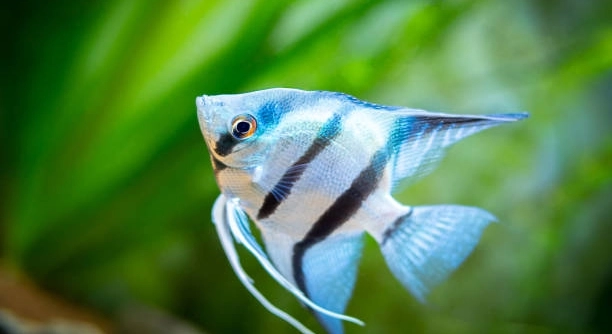
Have you ever noticed your angelfish acting differently and started wondering if something might be wrong with their health or behavior?
Angelfish can show several signs of illness, including loss of appetite, faded color, clamped fins, abnormal swimming, lethargy, rapid breathing, or white spots. Recognizing these symptoms early is essential for effective treatment and prevention of further health decline.
Understanding what these signs mean will help you respond quickly and take better care of your angelfish moving forward.
Loss of Appetite and Unusual Hiding
If your angelfish suddenly stops eating or begins to avoid food altogether, this can be an early sign of illness. Healthy angelfish usually swim to the surface quickly at feeding time. A noticeable decline in appetite may mean they are experiencing stress, internal parasites, or bacterial infections. Along with this change in eating habits, you might also notice your angelfish hiding more than usual. While it’s normal for fish to retreat to quiet areas at times, excessive hiding combined with food refusal may indicate they are unwell. These behaviors are not just mood changes—they can be linked to more serious health issues that need attention. Keeping the tank clean and monitoring water quality closely can help. In some cases, adding aquarium salt or isolating the sick fish in a quarantine tank may support recovery while preventing the condition from spreading to others in the tank.
A healthy angelfish is curious and alert during feeding. A shift in behavior is worth noting.
Treat changes in appetite and hiding seriously. These signs can reflect stress or early illness, especially when seen together. If the problem persists, consult an aquarium specialist or vet familiar with freshwater fish for more tailored advice.
Faded Color and Clamped Fins
Faded color often signals stress or poor water conditions. When color loss appears with clamped fins, health issues may be developing.
Color fading in angelfish typically means something is affecting their overall well-being. Stress from poor water quality, sudden temperature changes, or aggression from other tank mates can all lead to duller coloring. Clamped fins, where the fish keeps its fins close to its body, is another warning sign that something is wrong. This could point to external parasites or bacterial infections, especially if the clamped fins remain for more than a day or two. If both symptoms appear at the same time, it’s important to check the tank’s pH levels, ammonia, nitrite, and nitrate readings. Perform a partial water change if anything is off. Adding a stress coat water conditioner may help support the fish’s natural slime coat, which protects them from harmful substances in the water. Watch for other signs, such as erratic swimming or white patches on the body.
Abnormal Swimming Patterns
Erratic swimming, floating sideways, or sinking can mean your angelfish is struggling with a swim bladder issue or internal infection. These behaviors often show up suddenly and can worsen quickly without proper care.
Abnormal swimming usually happens when the swim bladder is affected. This organ helps the fish stay balanced in the water. Overfeeding, constipation, or internal parasites may interfere with its function. You might see your angelfish swimming in circles, floating at the top, or sitting near the bottom. If caught early, fasting the fish for 24–48 hours and offering a cooked, skinned pea afterward can help relieve bloating. Be sure the water is clean and warm, as poor conditions often make things worse. Check for signs of external damage or swelling too, which may suggest a bacterial cause. If the behavior continues, medication designed for swim bladder disorders may be needed.
Consistency in water temperature, quality, and diet plays a big role in preventing this issue. Uneven temperatures and high nitrate levels are common causes of internal stress that lead to poor swimming control. Avoid sudden tank changes, overfeeding, or harsh tank mates. If one fish shows signs, keep a close eye on the others. Isolating the affected fish can make treatment more effective and limit further stress.
Rapid Gill Movement or Breathing
Fast gill movement is often a sign that your angelfish isn’t getting enough oxygen or is reacting to harmful water conditions. This can quickly become serious if left untreated.
Rapid breathing can be caused by ammonia spikes, low oxygen, or gill parasites. Angelfish in distress may breathe at the surface, gasp near the filter, or move their gills faster than usual. Testing the water should be the first step. If ammonia or nitrites are present, perform a partial water change immediately and add a conditioner to neutralize toxins. Increasing aeration with an air stone or raising the filter flow can also improve oxygen levels. Gill parasites, like flukes, can also trigger fast breathing and need specific medications to treat. Watch for other symptoms like rubbing against surfaces or visible marks near the gills. Fast intervention helps avoid lasting damage and protects the rest of the tank.
White Spots or Fuzzy Patches
White spots often point to ich, a common parasitic infection. It usually begins on the fins and spreads across the body. This condition is contagious and needs quick treatment to prevent further stress or death.
Fuzzy patches may be fungal or bacterial in nature. These soft, cotton-like areas usually appear near injuries or damaged scales. Poor water quality often makes things worse. Treating with antifungal or antibacterial medications and improving tank conditions can help recovery. Quarantine is a good idea if other fish are present to avoid spreading the issue.
Lethargy and Lack of Interaction
When your angelfish stays still near the bottom or avoids movement, it can mean they are feeling weak or unwell. Lethargy is often linked to water stress, internal infections, or poor nutrition. If the behavior continues despite good tank conditions, it’s best to consider internal treatment.
Bloating or Swollen Abdomen
A swollen belly might be from constipation, internal parasites, or even organ issues. Overfeeding is one of the most common causes. Offering a cooked, skinned pea once the fish fasts for a day can help clear mild digestive blockages. In more serious cases, bloating could signal dropsy or internal bacterial infections. The scales may start to raise if fluid builds under the skin, and this is a late-stage symptom. Dropsy requires quick treatment with antibacterial medications and isolation from other fish. Always check for other symptoms like abnormal swimming or clamped fins. Keep the tank clean, avoid overfeeding, and make sure your angelfish’s diet includes variety to reduce future risk.
FAQ
What should I do if my angelfish has faded color?
Faded color is often a sign of stress, poor water quality, or illness. First, check the water parameters like pH, ammonia, nitrite, and nitrate levels. If any are out of balance, perform a water change immediately. Ensure the water temperature is stable and within the ideal range for angelfish. Adding a stress coat water conditioner can help improve their slime coat and reduce stress. If the fading continues, observe for other symptoms such as clamped fins or abnormal swimming. If these persist, consider consulting an aquarium specialist or veterinarian for further treatment.
How do I treat my angelfish for ich?
Ich, or white spot disease, is caused by a parasite that can quickly spread through the tank. To treat this, raise the water temperature slightly (about 78–80°F) to speed up the life cycle of the parasite. During this time, add an ich treatment medication to the tank. Be sure to remove any activated carbon from your filter, as it can absorb the medication. It’s also a good idea to quarantine the infected fish to prevent the parasite from spreading. You may need to treat the tank for several days until all spots have disappeared.
What does it mean if my angelfish is swimming upside down or sideways?
Swimming upside down or sideways is often a sign of a swim bladder issue. The swim bladder helps regulate buoyancy, and when it’s affected, it can cause erratic swimming or difficulty staying upright. This can result from constipation, overfeeding, or an infection. First, try fasting the fish for 24 to 48 hours to clear any digestive issues. Afterward, offer a skinned pea, which can help relieve constipation. If the condition doesn’t improve, consider treating for internal parasites or bacterial infections. In severe cases, you may need to isolate the fish in a quarantine tank for additional care.
How can I tell if my angelfish is stressed?
Stress in angelfish can be caused by a variety of factors including poor water quality, overcrowding, aggressive tank mates, or sudden changes in the tank environment. Signs of stress include faded color, hiding, erratic swimming, or clamped fins. To reduce stress, maintain stable water conditions, provide plenty of hiding spots, and ensure the tank is not overcrowded. Avoid aggressive tank mates and make gradual changes to the environment to prevent overwhelming the fish. Regular water changes and monitoring parameters can go a long way in reducing stress for your angelfish.
What should I do if my angelfish stops eating?
If your angelfish stops eating, it can be a sign of illness or poor water conditions. Start by checking the water parameters and making sure everything is within the ideal range. A change in diet or overfeeding can also cause loss of appetite. Try offering different types of food, such as live or frozen foods, to encourage them to eat. If the lack of appetite persists, it may indicate an internal issue, such as parasites or a bacterial infection. In this case, isolating the fish in a quarantine tank and providing medication may be necessary.
Can I treat my angelfish with aquarium salt?
Yes, aquarium salt can be beneficial for angelfish in certain situations. It can help reduce stress, improve slime coat health, and treat minor external wounds or parasites. However, it should only be used for short periods of time and in appropriate doses. Too much salt can harm the fish, so it’s important to follow the instructions carefully. Salt should not be used if the fish is already stressed from other health issues or if they are in a tank with plants or sensitive species, as it can affect the ecosystem. Always dissolve the salt before adding it to the water.
How do I know if my angelfish has internal parasites?
Internal parasites can cause symptoms like weight loss, bloating, or abnormal swimming. You may also notice a lack of appetite or visible signs of distress. If you suspect internal parasites, consider using an anti-parasitic treatment designed for freshwater fish. Isolating the infected fish in a quarantine tank will help prevent the spread of the parasites to other fish in the tank. A veterinarian or aquarium expert can provide guidance if the symptoms persist. In some cases, a more specific treatment may be required depending on the type of parasite involved.
Why is my angelfish breathing rapidly?
Rapid breathing is usually a sign of stress or poor water quality. It can indicate low oxygen levels, high ammonia, or the presence of harmful chemicals in the tank. Start by checking the water parameters to ensure the levels are within the ideal range. Increasing aeration or adjusting the filter can improve oxygen levels. If the water quality is good, rapid breathing may be caused by gill parasites, which will require specific treatment. Observing the fish closely for additional signs, such as rubbing against surfaces or lethargy, can help identify the underlying cause.
How can I prevent my angelfish from getting sick?
The best way to prevent illness in angelfish is by maintaining a clean and stable tank environment. Regular water changes, proper filtration, and consistent water testing are essential for good health. Ensure the tank is not overcrowded and provide adequate hiding spots to reduce stress. Feed your fish a balanced diet that includes high-quality flake or pellet food, supplemented with occasional live or frozen foods. Quarantining new fish before introducing them to the tank can help avoid introducing diseases. Keeping the tank’s temperature stable and free from sudden fluctuations also plays a key role in preventing illness.
Final Thoughts
Taking care of your angelfish requires a combination of observation, maintenance, and understanding of their needs. Recognizing the signs of illness early on can make a big difference in how quickly they recover. When you notice any unusual behavior or physical changes, it’s important to address the issue right away. A clean and well-maintained tank environment is essential for keeping your angelfish healthy and happy. Regular water changes, proper filtration, and monitoring water parameters are all key to preventing health problems in the first place.
An angelfish’s health is closely tied to the quality of its environment. Stress, poor water quality, and poor nutrition can all contribute to illness. By keeping a consistent routine of checking water quality and adjusting when necessary, you can help minimize the risk of disease. Diet also plays a significant role in their well-being. Providing a balanced and varied diet that includes both dry and live foods will help keep your angelfish strong and resilient.
Remember that each fish is unique, and what works for one may not work for another. Patience and care are essential as you learn to understand your angelfish’s specific needs. If your fish shows signs of illness, don’t hesitate to consult a professional for further advice. With the right knowledge and attention, you can ensure that your angelfish live long, healthy lives in your aquarium.

Hello,
If you enjoy the content that we create, please consider saying a "Thank You!" by leaving a tip.
Every little bit helps us continue crafting quality advice that supports the health, happiness, and well-being of pets around the world, for pets of all shapes, sizes, and species.
We really appreciate the kindness and support that you show us!