
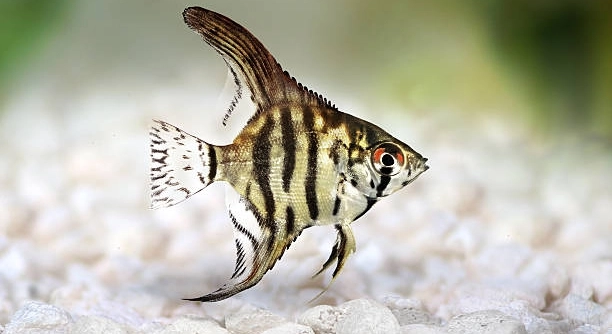
Angelfish are known for their graceful movements and beauty, but ensuring their security in the tank can be a challenge. Creating a safe and comfortable environment is essential to their well-being. Understanding their needs can help foster a thriving aquarium.
Ensuring your angelfish feel secure involves providing a stable environment with appropriate tank mates, proper hiding spots, and water conditions. A well-maintained aquarium with consistent care and attention can greatly reduce stress and improve their overall health.
Implementing these strategies will contribute to a more comfortable and confident angelfish. Ensuring their peace of mind is essential to their health and happiness in the tank.
Proper Tank Size and Setup
A tank that is too small can lead to stress for your angelfish, affecting their behavior and overall health. It’s important to choose a tank that provides ample space for them to swim freely and feel secure. The ideal tank size for angelfish is at least 30 gallons, with more space being preferable for multiple fish.
Providing a well-planted tank helps angelfish feel at ease, as plants offer natural hiding spots. Substrate like fine gravel or sand allows fish to feel more secure and less exposed. Ensure your tank has enough hiding places, such as caves or decorations, where they can retreat when they feel threatened.
Water quality is another key factor. Regular water changes and proper filtration are necessary to maintain a healthy environment. Keeping the water temperature between 75°F and 80°F is essential, as is maintaining a slightly acidic to neutral pH. Stability in these conditions will make your angelfish feel much more secure.
Tank Mates
Avoid overcrowding your tank with aggressive fish that could threaten your angelfish. A calm tank environment is crucial for their security.
Choosing the right tank mates can greatly reduce stress for your angelfish. Opt for peaceful species that are not too fast or too large, as this can help keep aggression at bay. Species like Corydoras catfish and peaceful tetras work well alongside angelfish. Avoid aggressive or territorial fish that may stress your angelfish out.
The interactions in your tank should be monitored, especially during feeding time. Overcrowding or introducing incompatible fish can increase aggression, making your angelfish feel unsafe. Providing enough space for each fish to establish their own area will help them live peacefully together.
Proper Filtration and Water Conditions
Clean water is essential for your angelfish’s security and health. Make sure your filter is working properly and suits the size of your tank.
A good filter helps remove debris, excess food, and waste from the water. It also promotes oxygen exchange and maintains proper water chemistry. Without a proper filtration system, the water can become toxic, leading to stress and illness in your fish.
Monitor the water’s parameters regularly. Ammonia and nitrite levels should remain at zero, and nitrate levels should be kept low through regular water changes. Stability is key—avoid sudden fluctuations in temperature or water quality, as they can cause distress. Using a water testing kit can help you keep track of the conditions.
Hiding Spots and Decorations
Angelfish thrive when they have plenty of places to hide. Adding plants, rocks, or other decorations creates a safe space where they can retreat when feeling threatened.
Angelfish are naturally shy and prefer to have hiding spots available. A tank with plants like Amazon sword or Java fern provides a sense of security, as they can slip between leaves and rest. This reduces their stress, especially when they are not swimming actively.
Ensure that decorations do not overcrowd the tank, as too many can limit swimming space. Opt for items that are smooth and free from sharp edges, which could potentially harm your fish. By providing a good mix of hiding spots and open spaces, your angelfish will feel more comfortable and less anxious.
Lighting Conditions
Too much light can stress out your angelfish. Make sure the lighting is not too intense and provides a natural day-night cycle.
Angelfish are sensitive to sudden changes in light, so avoid bright, direct lighting. A gentle, diffuse light helps them feel more secure and relaxed. A timer can also help establish a consistent light schedule, mimicking natural conditions.
By adjusting the intensity and duration of the light, you create a calm environment for your angelfish, reducing unnecessary stress.
Feeding Habits
Feed your angelfish in moderation to avoid water quality issues. Overfeeding can lead to an unhealthy environment.
Offering varied food ensures your angelfish get the proper nutrients they need while preventing the tank from becoming overcrowded with leftover food. Maintain a feeding schedule to avoid chaos in the tank and provide your fish with a sense of security around meal times.
Water Temperature
Angelfish prefer a steady water temperature between 75°F and 80°F. Make sure your heater is functioning properly.
Fluctuating temperatures can cause stress for your angelfish, making them more vulnerable to disease. Invest in a quality aquarium heater that maintains a consistent temperature throughout the day and night. Use a thermometer to monitor the water, ensuring it stays within the ideal range.
FAQ
How can I tell if my angelfish is stressed?
Signs of stress in angelfish can include unusual swimming patterns, loss of appetite, and hiding more often than usual. They may also exhibit rapid gill movement, abnormal coloration, or clamped fins. If you notice these behaviors, check water conditions and ensure the tank setup is suitable. A stressed angelfish will often show signs of distress in response to environmental factors, such as water quality, tank mates, or changes in the tank’s setup.
Can angelfish live with other fish?
Yes, angelfish can live with other fish, but it’s important to choose peaceful tank mates. Avoid aggressive or overly active species that could intimidate or outcompete the angelfish. Suitable tank mates include species like Corydoras catfish, peaceful tetras, and other calm fish that are not too large. Always monitor interactions to ensure that no one is stressing the angelfish.
What is the best tank size for angelfish?
A tank size of at least 30 gallons is ideal for a single angelfish. If you have multiple angelfish or other tank mates, a larger tank is recommended. Providing sufficient space allows your fish to swim freely and reduces stress. A larger tank also helps maintain stable water conditions, which is crucial for their health and comfort.
How often should I change the water in my angelfish tank?
It’s recommended to perform a 25-30% water change every 1-2 weeks, depending on the tank’s size and the number of fish. Regular water changes help remove toxins and keep water conditions stable. If the tank is heavily stocked or has poor filtration, more frequent water changes may be necessary.
What water temperature is best for angelfish?
Angelfish thrive in a water temperature range of 75°F to 80°F (24°C to 27°C). Keeping the water within this range helps maintain their metabolic processes and overall health. A stable temperature is key; fluctuations can cause stress and make angelfish more susceptible to illness.
What is the ideal pH level for angelfish?
Angelfish prefer slightly acidic to neutral water with a pH level between 6.5 and 7.5. Maintaining this pH range is important for their health. You can test the water using a pH test kit to ensure it falls within the appropriate range. Sudden changes in pH can stress your fish, so it’s essential to keep it stable.
Can angelfish live in a tank with decorations?
Yes, angelfish enjoy having decorations in their tank, as long as they provide safe hiding spots and plenty of swimming space. Plants, rocks, and other smooth decorations are beneficial, as they create a more natural environment. Avoid sharp-edged decorations that could injure the fish. Ensure the decorations do not overcrowd the tank, as angelfish need room to swim freely.
How long do angelfish live?
On average, angelfish can live between 10 to 15 years in a well-maintained aquarium. Their lifespan depends on factors such as water quality, tank conditions, and the care they receive. By providing a stable environment and proper care, you can help ensure your angelfish live a long, healthy life.
Can I keep angelfish in a smaller tank?
While angelfish can technically survive in smaller tanks, it is not recommended. A tank smaller than 30 gallons can lead to stress and poor water quality. Angelfish require ample space to swim and establish territories. A larger tank helps ensure better water quality and provides a more comfortable living environment for the fish.
Why is my angelfish not eating?
If your angelfish is not eating, check the water conditions and ensure that the tank mates are not stressing it. Stress from poor water quality, aggression from other fish, or sudden changes in the environment can lead to a loss of appetite. Try offering a variety of foods and observe if the fish starts eating. If the issue persists, it may be a sign of illness, and you should consult a veterinarian.
Final Thoughts
Creating a secure and comfortable environment for your angelfish is essential for their well-being. By paying attention to water quality, providing hiding spots, and ensuring the right tank size, you can greatly reduce the stress your fish experience. Proper filtration, consistent water temperature, and regular maintenance will go a long way in keeping your angelfish healthy. Regularly monitor the water conditions to ensure they stay within the ideal range for your fish.
Maintaining a calm atmosphere in the tank is crucial. Angelfish are naturally shy and may become stressed if there is too much activity or if the tank is overcrowded. Proper tank mates that are peaceful and non-aggressive will help create a more secure environment. Additionally, avoid making sudden changes to the tank, such as adding new fish or decorations, as this can unsettle your angelfish. Stability is key to fostering a sense of security in their habitat.
Lastly, observe your angelfish regularly to detect any signs of stress or illness early. Stress can be a significant factor in their overall health, so addressing any issues quickly is important. By maintaining a steady routine of feeding, water changes, and environmental adjustments, you can ensure your angelfish live a long and healthy life.

Hello,
If you enjoy the content that we create, please consider saying a "Thank You!" by leaving a tip.
Every little bit helps us continue crafting quality advice that supports the health, happiness, and well-being of pets around the world, for pets of all shapes, sizes, and species.
We really appreciate the kindness and support that you show us!