
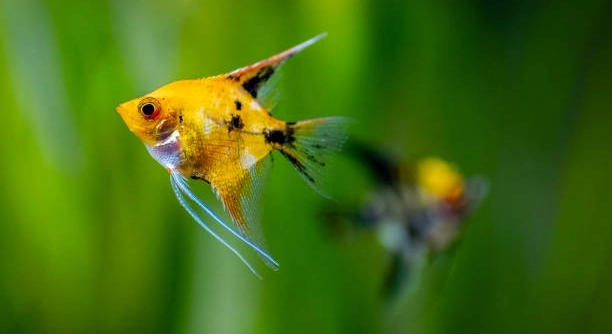
Angelfish are often active and curious but may become elusive after a water change. This behavior is common among aquarium fish and can be a sign of stress or adjustment. Understanding the reasons behind this can help ensure their well-being.
After a water change, angelfish may hide due to several factors, such as changes in water temperature, water chemistry, or stress from the disruption. They may also be reacting to unfamiliar scents or the movement of other tank mates.
Addressing these factors will help maintain your angelfish’s health and comfort in their environment.
Water Temperature Changes
One of the most common reasons angelfish hide after a water change is a sudden shift in water temperature. Fish are sensitive to temperature fluctuations, and even a slight change can cause stress. Angelfish are tropical fish and thrive in a stable environment. If the water temperature rises or drops significantly during the water change, it may cause your angelfish to seek shelter until they feel comfortable again. It’s essential to monitor the temperature and adjust the water gradually to avoid shocking the fish.
A sudden change can also affect their behavior, as they may feel unsafe. Ensuring the water temperature remains consistent will keep your angelfish relaxed.
If the water temperature isn’t carefully regulated during water changes, the fish may refuse to eat or become lethargic. Regular monitoring of the water temperature before, during, and after changes will minimize the chances of this happening.
Water Chemistry Imbalance
Water chemistry plays a critical role in the health of your angelfish. After a water change, slight imbalances in pH, hardness, or ammonia levels can cause the fish to hide. Angelfish prefer slightly acidic water with a pH level between 6.5 and 7.5. If the new water is not properly treated or mixed with the aquarium’s existing water, it can create an unfavorable environment.
Changes in pH levels can cause discomfort, leading angelfish to seek refuge in hiding spots. These adjustments can be stressful, as the fish are more sensitive to water chemistry than many other species. Monitoring water parameters before and after water changes will help prevent such issues. Always ensure the water is conditioned to match the aquarium’s previous levels.
Making sure the water change process is gradual and well-prepared is essential for preventing stress and promoting a healthy habitat for your angelfish.
Stress from Disruption
Angelfish are sensitive to changes in their environment. During a water change, the movement and disturbance of decorations, plants, or even substrate can cause them to feel unsafe. This sudden disruption can lead to hiding, as they seek shelter from what seems like a potential threat.
Once the water change is complete and the tank settles, the angelfish will often return to their usual behavior. However, it may take them a little longer to adjust, depending on how much the aquarium environment was altered. A gentle, careful water change minimizes these disruptions and reduces stress.
Being mindful of how the tank is disturbed during water changes will help ease your angelfish’s transition back to normal behavior. Avoid rearranging decorations or making excessive changes that could cause unnecessary stress.
Tank Mates and Their Behavior
Sometimes, angelfish hide after a water change due to the behavior of other fish in the tank. Some species may become more active or aggressive during a water change, which could overwhelm your angelfish. If tank mates are overly curious or territorial, your angelfish might retreat to avoid conflict.
Fish like cichlids or other aggressive species can create tension, making your angelfish feel threatened. Even small changes in behavior or increased movement can cause stress. If the tank’s other inhabitants react poorly to the water change, your angelfish may feel the need to hide to stay safe.
To reduce stress, consider rearranging the tank or temporarily separating the more aggressive species during water changes. Creating a peaceful environment for your angelfish is essential for their well-being.
Water Quality Issues
After a water change, angelfish might hide if there are issues with the water quality. Poor water quality, such as high ammonia or nitrate levels, can cause stress and health problems. Even after a water change, if the water isn’t properly treated, it can still contain harmful substances.
Regularly test the water before and after each water change to ensure the quality remains within safe parameters for your angelfish. A filter that is functioning properly, along with regular water changes, helps maintain optimal water conditions. Any imbalance can lead to your fish retreating or exhibiting unusual behavior.
To avoid these issues, always ensure your water change is done using a dechlorinator and that any new water matches the existing tank conditions. Consistency is key to keeping your angelfish comfortable.
Overfeeding and Food Debris
Excess food left in the tank after feeding can contribute to poor water quality and stress for your angelfish. Food debris can break down and release toxins, which may drive your angelfish to hide in order to avoid exposure to harmful substances.
Be mindful of how much food you provide during feeding sessions. Overfeeding is common and can lead to uneaten food sinking to the bottom. This can affect the water quality and contribute to your angelfish hiding. A feeding schedule that ensures all food is consumed within a few minutes will help maintain tank health.
Regular tank maintenance, including vacuuming the substrate and cleaning the filter, will prevent food debris buildup. Keeping the environment clean helps your fish feel more secure.
Lighting Changes
Angelfish can be sensitive to changes in lighting, and this can sometimes cause them to hide. A sudden change in lighting intensity, such as turning on bright lights or abruptly changing the lighting cycle, can stress them out.
To prevent this, maintain a consistent lighting schedule. Sudden changes in light exposure can cause confusion and anxiety in your fish. Ensuring a gradual transition in lighting, such as dimming or increasing the light gradually, will help your angelfish feel secure. A regular light cycle of about 10 to 12 hours per day is ideal for most aquarium fish.
Monitor your angelfish’s behavior closely after adjusting the lighting. If they seem particularly stressed, consider reducing the intensity or duration of the light.
FAQ
Why does my angelfish hide after a water change?
Angelfish may hide after a water change due to stress caused by sudden changes in the water’s temperature, chemistry, or even the disruption of the tank environment. Fish are sensitive to shifts in their surroundings, and the water change process can be overwhelming for them. They may seek shelter to feel secure again. It’s important to monitor the water temperature and chemistry to avoid sudden changes, as this will help minimize stress and allow the angelfish to acclimate faster.
How can I prevent my angelfish from hiding after a water change?
To prevent your angelfish from hiding after a water change, ensure that the water temperature and parameters are stable before, during, and after the change. Gradually introduce new water to avoid sudden shifts in conditions. Additionally, avoid rearranging decorations or plants, as the change in the tank’s setup can also be stressful. Keeping the tank environment calm and consistent will help your fish feel more comfortable.
Can my angelfish hide if the tank mates are too aggressive?
Yes, angelfish may hide if tank mates are aggressive. Angelfish are peaceful by nature and may feel threatened by overly active or territorial fish. If other fish are becoming more active during the water change, your angelfish might retreat to avoid potential conflict. If aggression is frequent, consider adjusting the tank setup or separating aggressive species.
Does overfeeding cause angelfish to hide?
Overfeeding can lead to food debris accumulating in the tank, which degrades water quality. Poor water quality due to excess food can cause stress, making angelfish more likely to hide. It’s crucial to feed only what your fish can consume in a few minutes, and regularly clean the tank to avoid excess food breaking down and polluting the water.
How often should I change the water in my angelfish tank?
Water changes should be done regularly, typically every 1-2 weeks, depending on tank size, stocking levels, and filter efficiency. Smaller tanks or tanks with a heavier bioload might require more frequent water changes, while larger or more heavily filtered tanks may need less. Regular water changes help maintain optimal water quality, reducing stress on your angelfish.
What is the ideal water temperature for angelfish?
Angelfish thrive in water temperatures between 76°F and 82°F (24°C to 28°C). Keeping the water within this range helps promote healthy behavior and reduces stress. Temperature fluctuations outside of this range can cause discomfort and may lead to hiding. Ensure that your aquarium heater is working correctly to maintain a stable temperature.
Can lighting changes stress my angelfish?
Yes, lighting changes can stress angelfish. A sudden change in light intensity or schedule can cause them to feel disoriented. Angelfish generally prefer a consistent light cycle, typically 10-12 hours of light per day. Gradually adjusting the lighting, rather than making abrupt changes, will help avoid stressing the fish and prevent hiding.
Is it normal for angelfish to hide during water changes?
It is fairly normal for angelfish to hide after a water change, especially if the process is disruptive or if the tank’s water quality changes. This behavior is often a natural response to stress or discomfort. With proper water change procedures, such as slowly adjusting temperature and water chemistry, this behavior should subside after a while.
How can I tell if my angelfish is stressed?
Signs of stress in angelfish can include hiding, refusing food, erratic swimming, or changes in color. If your angelfish is displaying these behaviors consistently, it may be reacting to water quality issues, changes in the tank, or aggression from other fish. Regularly monitor water parameters and ensure the tank environment is stable to prevent stress.
Do angelfish need specific water conditions?
Yes, angelfish require specific water conditions to thrive. They prefer slightly acidic to neutral water, with a pH range of 6.5 to 7.5. The hardness should be between 3-8 dGH, and ammonia and nitrite levels should always be at zero. Regular water testing is essential to ensure these conditions are met.
How do I acclimate my angelfish to a new tank?
To acclimate angelfish to a new tank, introduce them slowly by floating the bag in the tank to equalize the temperature. After 15-20 minutes, gradually add small amounts of tank water into the bag to help them adjust to the water’s chemistry. This process should be done slowly to reduce stress and prevent shock.
Can angelfish live with other species?
Yes, angelfish are generally peaceful but can live with other species that aren’t overly aggressive. Ideal tank mates include peaceful species like tetras, corydoras, and small livebearers. It’s important to avoid tank mates that may bully or nip at the angelfish’s fins, as this can lead to stress and hiding behavior.
Do angelfish need a lot of space in the tank?
Angelfish need ample space to swim and establish territory. A minimum tank size of 30 gallons is recommended for a small group of angelfish. Larger tanks allow for better water quality management and provide more space for them to move around, reducing stress. A spacious tank helps prevent territorial disputes and promotes healthy behavior.
What type of filter is best for an angelfish tank?
A gentle filter is ideal for an angelfish tank, as strong currents can stress them out. Canister filters or hang-on-back filters are good options, as they provide strong filtration without creating turbulent water conditions. Ensure that the filter does not produce a current that is too strong for your angelfish to navigate.
Why is my angelfish not eating after a water change?
If your angelfish refuses to eat after a water change, it could be due to stress from changes in water conditions, temperature, or tank setup. Some fish may also take time to adjust to a change in the tank environment. Ensure that the water quality is stable, and avoid making further changes that could contribute to the stress.
Final Thoughts
Angelfish are beautiful and peaceful creatures, but they are also sensitive to changes in their environment. When they hide after a water change, it’s often a sign of stress, whether from changes in water quality, temperature, or other disturbances in the tank. Understanding the reasons behind this behavior can help you create a more stable and comfortable environment for your fish. By closely monitoring water conditions, avoiding sudden changes, and keeping the tank clean, you can reduce the chances of stress-related hiding.
Water changes are an essential part of aquarium maintenance, but it’s important to do them in a way that minimizes disruption to your angelfish. Ensuring that the new water matches the temperature, pH, and hardness of the existing water helps to keep your fish from becoming stressed. Additionally, making sure that your filtration system is functioning properly and removing excess food or waste from the tank can further improve water quality. When these factors are taken into account, your angelfish should feel safer and more at ease in their environment.
Patience is also crucial when caring for angelfish. Sometimes, it’s a matter of giving your fish time to adjust to any changes, whether it’s a water change or a new tank setup. Over time, your angelfish will become accustomed to their environment and may stop hiding as frequently. Monitoring their behavior and maintaining a consistent routine will go a long way in keeping your angelfish healthy and happy. If problems persist, don’t hesitate to consult with a veterinarian or aquarium expert to ensure that your fish’s needs are being met.

Hello,
If you enjoy the content that we create, please consider saying a "Thank You!" by leaving a tip.
Every little bit helps us continue crafting quality advice that supports the health, happiness, and well-being of pets around the world, for pets of all shapes, sizes, and species.
We really appreciate the kindness and support that you show us!