
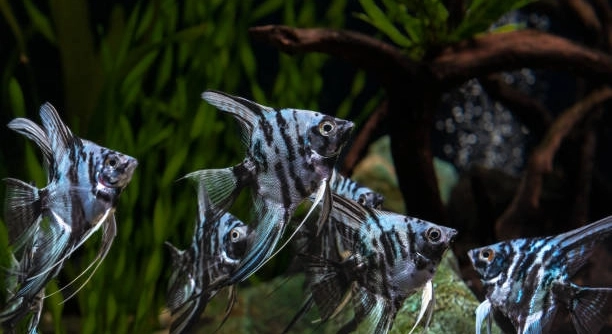
Angelfish are known for their vibrant colors and beauty. To maintain or enhance their striking hues, it’s essential to provide them with the right diet. The right foods can help boost their coloration naturally.
The best way to enhance angelfish coloration is by feeding them nutrient-rich foods. Key ingredients like spirulina, brine shrimp, and carotenoid-rich vegetables help intensify their vibrant colors. Proper feeding encourages a healthier, more vivid appearance.
By focusing on specific foods, you can improve your angelfish’s overall health and beauty. Let’s explore some of the best options available to achieve this goal.
Spirulina: A Color-Boosting Superfood for Angelfish
Spirulina is a powerful, nutrient-packed algae that can work wonders for angelfish coloration. This superfood is rich in carotenoids, particularly astaxanthin, which helps enhance the orange, red, and yellow hues of angelfish. Adding spirulina to their diet encourages vibrant coloration while also boosting their overall health. Spirulina also contains essential vitamins and minerals, improving their immune system and promoting a longer lifespan. Many fish food brands offer spirulina in powder or flake form, making it easy to incorporate into your angelfish’s feeding routine.
Spirulina’s color-enhancing properties make it a must-have in any angelfish diet. By feeding them this algae regularly, you’ll see improvements in their appearance and vitality.
To use spirulina effectively, you can mix it with other foods or offer it as a standalone supplement. Just be mindful of the quantity to avoid overfeeding. Consistent use over time will lead to noticeable improvements in the brilliance of your angelfish’s colors.
Brine Shrimp: A Nutrient-Rich Treat for Angelfish
Brine shrimp are high in protein and packed with essential fatty acids, making them a perfect food for angelfish. These tiny crustaceans help improve overall fish health while enhancing color vibrancy. Offering brine shrimp to your angelfish will encourage a lively, colorful appearance.
Brine shrimp are rich in carotenoids, including astaxanthin, which works to intensify the red and orange shades of your angelfish. This food can be served live, frozen, or freeze-dried, offering flexibility in how you feed them. It’s a great way to keep your fish healthy and vibrant.
You can feed brine shrimp as a treat or as a main food source to boost color. However, balance their diet with other foods to ensure they receive all the necessary nutrients. Offering this food once or twice a week will have visible results in no time.
Beta-Carotene-Rich Vegetables: Natural Color Enhancers
Vegetables like carrots, spinach, and sweet potatoes are loaded with beta-carotene, a natural pigment that helps enhance the red and orange tones in angelfish. These vegetables not only boost coloration but also support overall health.
When feeding angelfish beta-carotene-rich vegetables, it’s best to chop them finely or blanch them first to make them more accessible. You can mix them into regular meals or offer them as a side dish. These foods are a natural, healthy addition to your angelfish’s diet.
By incorporating these vegetables into your angelfish’s feeding schedule, you’ll see improvements in their color over time. The beta-carotene works gradually to intensify their hues, giving them a more vivid and vibrant appearance.
Krill: A Color-Enhancing Superfood for Angelfish
Krill are another excellent food choice for enhancing angelfish coloration. Rich in protein and essential fatty acids, they promote vibrant colors, particularly reds and oranges. Krill’s natural pigments also support overall fish health, making them a great addition to any angelfish diet.
Krill also contain high levels of omega-3 fatty acids, which contribute to better skin and scale quality. Including krill in your angelfish’s diet will help them develop healthier, more vivid coloration. You can offer them live, frozen, or freeze-dried, depending on your fish’s preference.
Bloodworms: A Favorite for Vibrant Colors
Bloodworms are packed with nutrients that angelfish love. Rich in protein and carotenoids, they help to intensify the colors of your angelfish. Their red hue is especially effective at bringing out rich tones in your fish.
Bloodworms are easy to find in frozen or freeze-dried forms. They’re a good food source to offer your fish a colorful boost. Just be sure not to overfeed, as they can be rich and too much can lead to digestive issues.
Algae Wafers: A Balanced Option for Color
Algae wafers are great for providing essential nutrients and boosting coloration. They contain carotenoids, including astaxanthin, which are known to enhance the color of angelfish.
FAQ
What are the best foods to enhance angelfish coloration?
The best foods for enhancing angelfish coloration include spirulina, brine shrimp, krill, bloodworms, and beta-carotene-rich vegetables like carrots and spinach. These foods contain carotenoids and essential fatty acids, which boost vibrant reds, oranges, and yellows in your angelfish. By incorporating these into their diet, you’ll notice a more colorful and healthy fish.
How often should I feed angelfish to improve their coloration?
To improve angelfish coloration, feed them nutrient-rich foods 2-3 times a day. Offer a variety of foods, including spirulina, brine shrimp, and vegetables. For treats like bloodworms or krill, limit their frequency to 1-2 times per week to avoid overfeeding and ensure a balanced diet.
Can brine shrimp help angelfish with their color?
Yes, brine shrimp are an excellent choice for enhancing angelfish color. They are high in protein and rich in carotenoids, particularly astaxanthin, which helps to intensify red and orange hues. Regular feeding with brine shrimp will support vibrant, healthy coloration in your angelfish.
Is spirulina good for angelfish coloration?
Spirulina is very beneficial for enhancing angelfish coloration. This algae is packed with carotenoids, including astaxanthin, which promotes vibrant colors, especially red and orange. Spirulina is a nutrient-dense food that also boosts immune health and overall well-being, making it an essential part of a healthy diet for your angelfish.
What vegetables can I feed angelfish for better color?
Vegetables like carrots, spinach, and sweet potatoes are great for angelfish coloration. These vegetables are rich in beta-carotene, a natural pigment that enhances the red, orange, and yellow tones in your angelfish. Chop the vegetables finely or blanch them to make them easier for your fish to consume.
How do I feed krill to my angelfish?
Krill can be offered to angelfish in frozen or freeze-dried form. Feed them krill 1-2 times a week as a special treat. Krill are rich in omega-3 fatty acids and carotenoids, which help intensify color and improve the overall health of your angelfish. Just ensure not to overfeed, as krill are very rich.
Are bloodworms good for angelfish?
Bloodworms are an excellent food choice for angelfish. They are rich in protein and carotenoids, particularly astaxanthin, which helps enhance red and orange hues in your angelfish. They are easy to find in frozen or freeze-dried forms and should be fed as a treat, no more than 1-2 times a week.
How often should I feed my angelfish bloodworms?
Bloodworms should be fed to angelfish as an occasional treat, about once or twice a week. While they are nutrient-dense and great for coloration, feeding them too often can lead to digestive issues. It’s important to maintain a balanced diet with a variety of foods.
What are algae wafers, and how do they help with angelfish color?
Algae wafers are a convenient food option for angelfish, providing a balanced diet that supports overall health. They contain carotenoids, like astaxanthin, which enhance the coloration of your angelfish. Algae wafers are especially beneficial if you have a mix of fish in the tank since they provide nutrients for all types of aquatic life.
Can I feed my angelfish only brine shrimp to improve color?
While brine shrimp are great for enhancing angelfish color, they should not be the only food you provide. A varied diet is essential to ensure your angelfish receive all the necessary nutrients for optimal health. Combine brine shrimp with spirulina, vegetables, and other high-quality fish foods for the best results.
Do I need to feed angelfish special food for their color?
While a special food isn’t strictly necessary, providing nutrient-rich foods like spirulina, brine shrimp, and vegetables will help enhance the natural coloration of your angelfish. Foods rich in carotenoids, like astaxanthin, are key for boosting vibrancy, but maintaining a balanced diet is just as important for overall health.
How can I tell if my angelfish’s diet is improving their color?
If your angelfish’s color is becoming more vivid, with enhanced red, orange, or yellow hues, it’s a good sign that their diet is working. Regular feeding of nutrient-dense foods should result in noticeable improvements over time. Additionally, healthy angelfish will have clear eyes, active behavior, and good overall health.
Should I feed my angelfish live food for better color?
Live food, such as brine shrimp or bloodworms, can be a good option for enhancing angelfish coloration. Live food is rich in nutrients and encourages natural hunting behavior. However, it’s important to provide a balanced diet that includes both live and prepared foods to maintain overall health and ensure proper nutrition.
Can overfeeding affect the coloration of my angelfish?
Yes, overfeeding can negatively impact the health of your angelfish, potentially leading to poor coloration. Overfeeding can cause obesity and water quality issues, both of which can affect the vibrancy of your angelfish. Stick to the recommended feeding amounts and provide a varied diet to keep your fish healthy and colorful.
What role does water quality play in angelfish coloration?
Water quality plays a significant role in angelfish health and coloration. Poor water quality can lead to stress and reduced coloration. Regularly check water parameters such as pH, ammonia, nitrite, and nitrate levels, and maintain clean, filtered water. Healthy water conditions will support vibrant, beautiful angelfish.
Is it okay to mix different foods for angelfish?
Mixing different foods is not only okay but beneficial for angelfish. A variety of foods ensures that they get all the necessary nutrients. Combining spirulina, brine shrimp, vegetables, and other nutrient-rich options will improve their color and overall health. Just make sure to provide a balanced and consistent diet.
Can I feed my angelfish commercial color-enhancing pellets?
Commercial color-enhancing pellets can be a good option for boosting angelfish color. These pellets are formulated with carotenoids, such as astaxanthin, to promote vibrant colors. However, it’s best to feed them alongside other fresh foods like brine shrimp or vegetables to maintain a balanced diet.
Should I worry about overfeeding angelfish with color-enhancing foods?
Yes, overfeeding color-enhancing foods can lead to health problems. While foods like brine shrimp and bloodworms are excellent for improving coloration, they are also rich in fats and proteins. It’s important to feed in moderation and offer a variety of foods to maintain overall health and avoid weight gain or digestive issues.
Final Thoughts
Enhancing the coloration of your angelfish doesn’t require complex or expensive diets. By feeding them nutrient-rich foods like spirulina, brine shrimp, and vegetables, you can bring out the vibrant hues that make these fish so beautiful. A well-balanced diet that includes a variety of food types, from protein-rich options like bloodworms to plant-based choices like spinach, helps maintain your fish’s overall health while promoting vivid color. Including foods with carotenoids, such as astaxanthin, plays a key role in boosting the reds, oranges, and yellows that are characteristic of healthy angelfish.
The key to vibrant angelfish coloration is consistency. Feed them small amounts of food 2-3 times a day to ensure they receive all the nutrients they need. While it’s tempting to focus solely on color-enhancing foods, remember that a varied diet is crucial. Over-reliance on one type of food, such as brine shrimp, can lead to nutritional imbalances. It’s also important to feed your angelfish at the right times and avoid overfeeding. Excess food can pollute the tank, which in turn may negatively affect both the water quality and the health of your fish.
Water quality also plays an important role in your angelfish’s coloration. Poor water conditions can cause stress, which often leads to dull or faded colors. Regularly check and maintain the water parameters in your aquarium, keeping ammonia, nitrites, and nitrates in check. Regular water changes and a good filtration system are necessary to keep your angelfish healthy. When both their diet and environment are in balance, your angelfish will display their full, beautiful range of colors.

Hello,
If you enjoy the content that we create, please consider saying a "Thank You!" by leaving a tip.
Every little bit helps us continue crafting quality advice that supports the health, happiness, and well-being of pets around the world, for pets of all shapes, sizes, and species.
We really appreciate the kindness and support that you show us!