
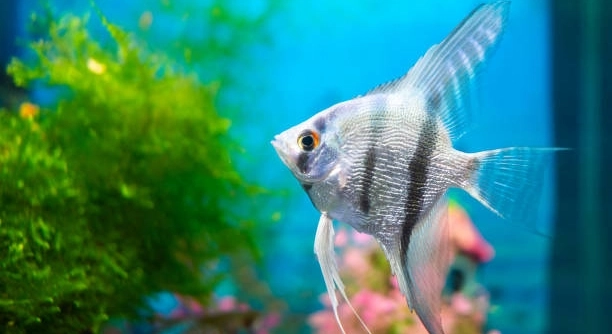
Angelfish are beautiful creatures, but like any pet, they can face health challenges. If you’re an angelfish owner, it’s essential to understand the common diseases they may encounter. With the right care, you can keep them healthy.
Angelfish are susceptible to several diseases, including ich, fin rot, and velvet. These conditions can be caused by poor water quality, stress, or infection. Preventing disease involves maintaining a clean tank, proper nutrition, and monitoring for early symptoms.
Knowing the signs of disease early can make all the difference. Regular care and proper tank maintenance are crucial to your angelfish’s well-being.
1. Ich (White Spot Disease)
Ich is one of the most common and easily recognizable diseases in angelfish. It appears as small white spots on their fins, body, and gills. This disease is caused by a parasite that thrives in warm water, typically above 75°F (24°C). If left untreated, ich can be deadly for your fish. Angelfish that are stressed or living in poor water conditions are more likely to get infected.
To treat ich, you’ll need to raise the water temperature slightly and add an anti-parasitic medication to the tank. It’s important to keep the water clean and avoid overfeeding, as this can increase waste and stress on the fish. You should also separate infected fish from healthy ones to prevent spreading.
Infected fish often become lethargic, lose their appetite, or rub against objects in the tank. It’s vital to act quickly, as ich can progress rapidly, especially in stressed or weaker fish. A good practice is to quarantine any new fish before introducing them into your main tank.
2. Fin Rot
Fin rot is another common issue that affects angelfish. It typically appears as fraying or discoloration of the fins and tail. Poor water quality and a buildup of toxins in the tank are common causes of this condition. Bacteria infect the edges of the fins, causing them to deteriorate.
The best way to prevent fin rot is to keep the tank clean and regularly monitor water parameters. Ensure proper filtration and perform partial water changes frequently. If you notice the beginnings of fin rot, you can treat it with antibacterial medications. However, maintaining optimal water conditions should always be your first line of defense.
If left untreated, fin rot can cause irreversible damage to the fins and even lead to the death of the fish. Regular monitoring for any changes in the appearance of your angelfish can help catch it early. Keep the tank environment stable, as stress can also contribute to the onset of fin rot. A healthy fish is less likely to develop this condition, so prioritize their well-being with proper care.
3. Velvet Disease
Velvet disease is another parasitic infection that affects angelfish. It’s caused by a protozoan parasite and gives the fish a velvety appearance, often with gold or yellowish discoloration. Velvet disease thrives in tanks with poor water conditions or excessive stress.
To treat velvet, you should raise the water temperature to speed up the parasite’s lifecycle, making it easier to eradicate with medication. It’s crucial to act quickly, as velvet can spread quickly and damage internal organs. Keeping the water clean and performing regular water changes are vital to reducing the chances of this infection.
Preventing velvet disease starts with proper tank maintenance. This means regular water changes, monitoring the temperature, and avoiding overcrowding. You should also quarantine any new fish before introducing them to your main tank to avoid introducing parasites. If caught early, velvet disease can be treated effectively, but if ignored, it can be fatal for your angelfish.
4. Swim Bladder Disease
Swim bladder disease affects the fish’s ability to control its buoyancy, often causing the fish to float sideways or sink to the bottom of the tank. This condition can be caused by overfeeding, constipation, or bacterial infections. In some cases, it may also be related to poor water quality.
To treat swim bladder disease, you should start by fasting the angelfish for a few days to allow it to clear out any potential blockages. Additionally, offering peas can help with digestion. If the problem persists, you may need to use medicated food designed to treat bacterial infections that affect the swim bladder.
To prevent swim bladder disease, avoid overfeeding your fish, and provide a varied diet that is balanced and nutritious. Keeping water quality at its best by performing regular tank maintenance will also reduce the risk. Swimmable space should be sufficient to allow your angelfish to move around comfortably and avoid unnecessary stress.
5. Columnaris
Columnaris is a bacterial infection that often starts as lesions or ulcers on the skin, fins, or gills of the angelfish. The infection can spread rapidly and cause significant damage if not treated quickly. Poor water quality and stress are key factors that contribute to this disease.
To treat columnaris, you’ll need to add antibacterial medication to the tank, and sometimes, it’s recommended to increase the water temperature slightly to speed up the healing process. Remove any dead fish promptly, as they can spread the bacteria to healthy fish. Maintaining a clean tank is crucial in preventing this infection.
Ensuring proper water conditions and reducing stress will greatly lower the risk of columnaris. Also, quarantining new fish before adding them to your main tank can help prevent the spread of bacterial diseases. Early intervention is essential to saving infected fish and preventing outbreaks in your tank.
6. Dropsy
Dropsy is a condition where an angelfish’s body swells up, often caused by internal infections, organ failure, or poor water quality. The fish may develop raised scales and appear bloated, a symptom that is typically linked to serious illness.
Treating dropsy can be difficult because it’s often a symptom of another underlying issue, such as kidney failure or a bacterial infection. A medicated food treatment or antibiotics might help, but often, dropsy is fatal if not addressed quickly. Maintaining optimal water quality and a stable environment for your angelfish is key.
Proper tank maintenance is essential to prevent dropsy. Overcrowding, poor water filtration, and stress contribute to a weakened immune system, making fish more susceptible to such conditions. Ensuring the overall health of the tank and monitoring fish closely for early signs of illness can help avoid this issue.
7. Popeye Disease
Popeye disease is characterized by the swelling of one or both eyes of the angelfish. The eyes may appear cloudy or bulging. It can be caused by physical injury, poor water quality, or bacterial infection, leading to inflammation in the eyes.
FAQ
How can I prevent diseases in my angelfish?
Preventing diseases starts with maintaining clean, healthy tank conditions. Regular water changes are essential to remove excess waste and harmful toxins. Ensure your tank is properly filtered and free of debris. Avoid overcrowding, as this can cause stress and create an environment where diseases are more likely to spread. Quarantining new fish before adding them to your main tank is also a key step in preventing illness. Additionally, providing a balanced diet will keep your angelfish strong and more resistant to infections.
What should I do if my angelfish has white spots?
White spots on your angelfish are a clear sign of ich, or white spot disease. First, raise the water temperature slightly to speed up the life cycle of the parasite. Add an anti-parasitic medication to the tank to kill the parasite. Make sure you keep the water clean and perform regular water changes during treatment. Remove any dead fish immediately, as they can spread the parasite. If possible, isolate infected fish to prevent the spread to healthy ones. With quick action, most fish recover fully from ich.
Why is my angelfish rubbing against objects?
If your angelfish is rubbing against objects in the tank, it could be a sign of external parasites, such as ich or velvet disease. Fish often scratch themselves to relieve irritation caused by these parasites. It can also indicate poor water quality or skin damage. Begin by checking the water parameters and adjusting if needed. Treatment with the appropriate medication, such as anti-parasitic or antibacterial treatments, will help. Isolating the affected fish and ensuring a clean, stable tank environment are also important steps in recovery.
How do I know if my angelfish has fin rot?
Fin rot is characterized by the edges of the fins becoming ragged or discolored. In severe cases, the fins may begin to deteriorate completely. This condition is often caused by poor water quality or bacterial infections. If you notice signs of fin rot, immediately check the water quality and perform a water change if needed. You can treat fin rot with antibacterial medication to help heal the infected area. Be sure to maintain a clean and stable tank environment to prevent further damage.
What is causing my angelfish to swim upside down?
When an angelfish swims upside down or has trouble maintaining proper buoyancy, it’s often a sign of swim bladder disease. This condition affects the fish’s ability to control its position in the water. Swim bladder disease can be caused by overfeeding, constipation, or poor water quality. To treat it, fast the fish for a couple of days to allow it to clear any blockages. If constipation is the issue, offering a blanched pea can help. If the issue persists, it may be related to a bacterial infection, requiring medication.
Can angelfish recover from velvet disease?
Yes, angelfish can recover from velvet disease if treated early. The key to treatment is raising the water temperature slightly to accelerate the life cycle of the parasite, then adding the proper anti-parasitic medication. Make sure to clean the tank thoroughly and remove any infected fish immediately. Velvet disease can spread quickly, so act fast to isolate the affected fish and prevent further infection. With prompt treatment and clean water conditions, angelfish can fully recover from this parasitic infection.
Why is my angelfish’s body swollen?
Swelling in an angelfish can be a symptom of dropsy, which is often caused by internal infections, organ failure, or poor water quality. In dropsy, the fish’s body appears bloated, and its scales may stick out, giving it a pinecone-like appearance. Unfortunately, dropsy is difficult to treat, especially if caused by organ failure. Antibiotics may help if the cause is a bacterial infection, but prevention through good water quality and tank care is essential. Always monitor your fish for early signs of illness, as catching it early improves the chances of recovery.
How do I treat Popeye disease in angelfish?
Popeye disease is marked by the swelling or bulging of one or both eyes. This can result from physical injury, poor water quality, or bacterial infection. To treat Popeye, start by improving the tank conditions by performing water changes and checking for harmful toxins. If the cause is bacterial, antibiotic treatments may be necessary. Isolating the affected fish can help prevent the spread of infection. The eye may recover if the cause is addressed early, but in more severe cases, the damage can become permanent.
How do I prevent swim bladder disease in angelfish?
Swim bladder disease is commonly caused by overfeeding or constipation, but it can also be linked to bacterial infections. To prevent it, avoid overfeeding and stick to a balanced, appropriate diet for your angelfish. Feeding your fish small portions and removing any uneaten food will prevent digestive issues. Additionally, make sure the tank’s water quality is optimal, as poor water conditions can stress your fish and make them more vulnerable to illness. If swim bladder disease occurs, fasting your fish and offering peas may help alleviate symptoms.
Can I treat angelfish diseases without medication?
While medication is often necessary to treat certain diseases, many illnesses can be prevented or managed with good tank maintenance and care. Regular water changes, proper filtration, and avoiding overfeeding are essential to preventing disease. If your angelfish shows signs of illness, the first step should always be improving water conditions. In cases like swim bladder disease or minor injuries, dietary changes or isolation might suffice. However, for more severe cases like velvet or fin rot, medication may be required to treat the infection effectively.
Final Thoughts
Taking care of angelfish involves more than just feeding them and cleaning the tank. It requires paying attention to their health and ensuring their environment is stable. Diseases like ich, fin rot, and swim bladder disease can often be prevented by keeping the water clean and maintaining the right temperature. Regular water changes and proper filtration can go a long way in protecting your fish from many common diseases. Stress also plays a major role in weakening your fish’s immune system, so creating a peaceful environment is just as important as water quality.
It’s crucial to catch any signs of illness early. Angelfish are known for their beauty, but they can be quite delicate. If you notice changes in behavior, such as scratching against objects or swimming upside down, it’s important to act fast. Sometimes, simple changes like adjusting the water temperature or removing uneaten food can help prevent a problem from escalating. For more serious issues, such as infections, proper treatment with medication is necessary. Always ensure that any new fish are quarantined before being added to your main tank to avoid introducing diseases. A little care and attention can prevent many health problems.
Ultimately, the health of your angelfish comes down to good tank management. A clean, stable, and well-maintained tank can help keep your fish happy and disease-free. By understanding the common diseases that affect angelfish and taking preventive measures, you can enjoy watching your fish thrive for years. Regular monitoring and maintaining good water quality will help prevent stress and illness. Keeping your fish well-fed and in a peaceful environment is just as important as treating any health issues that arise. Healthy fish are happier fish, and it’s always worth the extra effort to keep them that way.

Hello,
If you enjoy the content that we create, please consider saying a "Thank You!" by leaving a tip.
Every little bit helps us continue crafting quality advice that supports the health, happiness, and well-being of pets around the world, for pets of all shapes, sizes, and species.
We really appreciate the kindness and support that you show us!