
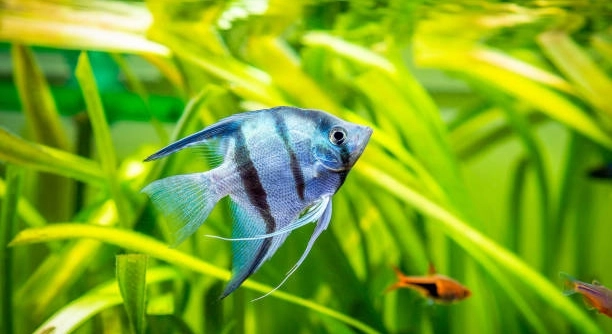
Do you notice your angelfish gasping for air at the surface of the tank?
Angelfish gasping for air can indicate a number of potential issues, such as poor water quality, low oxygen levels, or underlying health problems. Monitoring their environment and health is crucial to ensuring their well-being.
Taking the right steps can help address the root causes of the issue. Understanding the factors affecting your angelfish’s behavior will help you keep them healthy and comfortable.
Poor Water Quality
If your angelfish seems to be gasping for air, one of the first things to check is the water quality. Fish rely on clean, balanced water to stay healthy. When the water becomes polluted with excess waste, uneaten food, or even chemicals from cleaning agents, the oxygen levels can drop. This makes it harder for your angelfish to breathe properly, causing them to swim toward the surface more often.
To fix this issue, you should regularly test the water for ammonia, nitrite, and nitrate levels. If any of these are too high, perform a partial water change. Keep the tank clean by removing debris and uneaten food, and ensure the filter is functioning correctly. A proper filtration system can help maintain a balanced environment, reducing harmful substances in the water.
In addition to testing the water, check the temperature. Angelfish prefer warmer water, but water that’s too hot or cold can stress them out and reduce oxygen levels. Make sure the water temperature stays within the recommended range of 74-80°F (23-27°C) for optimal health.
Low Oxygen Levels
Low oxygen levels in the tank could also be to blame. If there’s not enough oxygen in the water, your angelfish may struggle to get the air they need. This can happen when the water doesn’t circulate properly or if the tank is overcrowded.
You can improve oxygen flow by adding an air pump or increasing the surface agitation of the water. This helps oxygen exchange at the water’s surface, making it easier for your fish to breathe. Adding live plants can also help, as they release oxygen into the water during the day.
Overcrowding
Overcrowding can stress out your angelfish, leading to difficulty breathing. Too many fish in a small tank can reduce the oxygen available and increase waste production, both of which make it harder for your fish to get enough air.
To avoid overcrowding, calculate the proper tank size for the number of fish you have. Each angelfish needs at least 10 gallons of water, so larger tanks are better for multiple fish. Overcrowding can also cause aggression among fish, leading to further stress and health problems. By maintaining a proper stocking level, you can help ensure your angelfish can breathe easily and live a healthy life.
Sometimes, the type of fish in the tank also matters. Some species produce more waste than others, which could contribute to low oxygen levels. Make sure your tank mates are compatible, and avoid stocking it with species that overproduce waste. Regular water changes are essential in an overcrowded tank to keep things under control.
Illness or Parasites
Illnesses or parasites can make it difficult for your angelfish to breathe properly. If your fish is sick, it may exhibit signs like gasping at the surface, lethargy, or abnormal swimming. These symptoms can stem from gill diseases, internal parasites, or external infections that affect breathing.
If you suspect illness, closely inspect your fish for any visible signs, such as lesions, swelling, or abnormal gill movement. It’s also important to monitor for changes in behavior, such as erratic swimming patterns or rubbing against objects. Treatment may involve isolating the sick fish, medicating the water, or consulting with a vet to address the condition.
Proper tank maintenance and water quality are essential for preventing disease. Keeping the environment clean and stress-free can help boost your angelfish’s immune system, reducing the likelihood of infections. If treatment is needed, act quickly to avoid further harm to the fish and the other tank inhabitants.
Water Temperature Fluctuations
Sudden changes in water temperature can shock your angelfish, making it harder for them to breathe. Angelfish prefer stable water temperatures between 74-80°F (23-27°C). Large swings in temperature can stress them out and cause gasping.
Ensure that your aquarium heater is working properly and maintains a steady temperature. Avoid placing the tank near windows or vents, where temperature changes are more common. A reliable thermometer will help you monitor the water’s consistency and prevent harmful fluctuations.
Keeping the temperature stable is crucial for your fish’s health. Sudden changes can also lead to a weakened immune system, making your angelfish more susceptible to illness and infections.
Poor Tank Maintenance
Inadequate tank maintenance can lead to issues that affect your angelfish’s health, including gasping. Over time, leftover food, waste, and organic matter build up, reducing water quality.
Regularly clean the tank, remove any uneaten food, and vacuum the substrate. Perform routine water changes, typically 10-20% of the water every week, to maintain water quality. Regular filter maintenance will also ensure that waste is being removed effectively, helping prevent any buildup that could harm your fish.
Stress
Stress is another common reason your angelfish may be gasping for air. If they feel threatened or uncomfortable, they might display labored breathing.
To reduce stress, avoid sudden changes in their environment. Ensure they have plenty of hiding spots and are not disturbed by other fish or external factors.
FAQ
Why is my angelfish swimming at the surface and gasping for air?
If your angelfish is swimming at the surface and gasping for air, it may be struggling with oxygen levels or water quality. Low oxygen in the tank is a common cause of this behavior. This can happen if there’s poor water circulation, an overstocked tank, or if the water temperature is too high. Ensure the filter is working properly and the water is well-oxygenated. You might also need to adjust the tank’s surface agitation or add an air pump to increase oxygen exchange. Regular water changes and proper tank maintenance are key to solving this issue.
Can a dirty tank cause my angelfish to gasp for air?
Yes, a dirty tank can lead to poor water quality, which makes it difficult for your angelfish to breathe. Waste buildup, leftover food, and algae growth can pollute the water and deplete oxygen levels. If the water becomes contaminated with ammonia or nitrates, your fish may start gasping for air. It’s important to clean your tank regularly, vacuum the substrate, and change the water often to maintain healthy water conditions. A good filtration system can help keep the water clean and oxygenated.
How do I know if my angelfish is stressed?
Stress in angelfish can show up as abnormal behavior, such as gasping for air, rapid swimming, hiding more than usual, or displaying signs of aggression. Stress can be caused by overcrowding, poor water quality, changes in temperature, or the presence of aggressive tank mates. Ensure your angelfish has a calm, clean environment and avoid sudden changes. Providing plenty of hiding spots and reducing disturbances can help keep stress levels low. Regular water checks and proper tank maintenance are essential to prevent stress-related issues.
What temperature should the water be for angelfish?
Angelfish prefer a water temperature between 74°F and 80°F (23°C to 27°C). Temperatures outside this range can cause stress and disrupt normal breathing. Too hot or too cold water can reduce oxygen levels, making it harder for your angelfish to get the air they need. A stable temperature is crucial for their health, so invest in a good aquarium heater and thermometer to monitor and maintain a consistent water temperature. Sudden temperature fluctuations can also shock the fish and cause them to gasp for air.
How can I increase oxygen in my tank?
To increase oxygen levels in your tank, consider adding an air pump, which will help aerate the water and improve oxygen exchange at the surface. You can also increase surface agitation by adjusting the water flow from your filter or adding a sponge filter. If you have live plants, they will help increase oxygen during the day by photosynthesizing. Be sure not to overcrowd your tank, as this can reduce the amount of oxygen available. Regular water changes and tank maintenance also help keep oxygen levels stable.
Can illness cause angelfish to gasp for air?
Yes, illness can cause your angelfish to gasp for air. Respiratory infections, gill diseases, and parasites are common issues that can affect your fish’s ability to breathe. If your angelfish is showing signs like lethargy, pale gills, or abnormal swimming behavior along with gasping for air, it might be suffering from an infection. Isolate the sick fish from the others, and treat the water with appropriate medications. Consulting with an aquarium vet can help you accurately diagnose the issue and choose the correct treatment.
Can overcrowding cause gasping in angelfish?
Overcrowding can definitely cause gasping in angelfish. When there are too many fish in a tank, oxygen levels drop, and waste builds up quickly, both of which contribute to poor water quality. This can leave your angelfish struggling to get enough oxygen. It’s important to stock your tank properly based on its size and the needs of each species. For angelfish, aim for a minimum of 10 gallons of water per fish. Overcrowding can also increase stress and aggression, which further impacts their health and behavior.
Why is my angelfish constantly near the filter?
If your angelfish is constantly near the filter, it could be seeking better oxygenated water or more stable conditions. Filters often provide a current of water, which can be richer in oxygen compared to stagnant areas of the tank. However, this could also indicate that there’s an issue with the water quality in other parts of the tank. Check for low oxygen levels or poor filtration in other areas. Also, make sure that the filter’s current isn’t too strong for your angelfish, as it might be a source of stress if it’s too fast or turbulent.
Can poor tank maintenance lead to oxygen deprivation for angelfish?
Yes, poor tank maintenance can lead to oxygen deprivation in angelfish. If the tank is not cleaned regularly, excess food, fish waste, and organic matter can accumulate, leading to the build-up of ammonia and nitrates. These chemicals can reduce the oxygen available for your fish to breathe. Additionally, a clogged filter or outdated equipment can cause the water to become stagnant, which further lowers oxygen levels. Routine water changes, cleaning the tank, and ensuring the filtration system is working properly are essential steps to keep oxygen levels stable.
What are the signs that my angelfish is not getting enough oxygen?
Signs that your angelfish is not getting enough oxygen include gasping at the water’s surface, swimming erratically, or appearing lethargic. You may also notice that the fish spends more time near the filter or the water’s surface, where oxygen levels are typically higher. Gasping for air is often the most noticeable sign that your fish is struggling with oxygen deprivation. If these symptoms persist, check your tank’s water quality, filtration, and stocking levels. Making improvements to these areas can help resolve oxygen-related issues.
Final Thoughts
If your angelfish is gasping for air, it’s a sign that something in their environment isn’t quite right. It could be something as simple as low oxygen levels, poor water quality, or even overcrowding. As a fish owner, it’s essential to understand the factors that contribute to this behavior so you can address them quickly. Regular maintenance of your aquarium, monitoring water quality, and ensuring that your fish have enough space to swim are all crucial steps in keeping your angelfish healthy. Taking these steps can not only help with this issue but also improve the overall well-being of your fish.
Monitoring your fish regularly and understanding their needs will make it easier to spot any potential problems early on. Angelfish are relatively easy to care for, but they do have specific requirements when it comes to water conditions, temperature, and space. The right tank setup, including proper filtration, aeration, and a stable environment, can go a long way in preventing health issues like gasping. Regular water testing and performing routine maintenance are simple yet effective practices to ensure your fish remain happy and healthy.
If you continue to notice your angelfish gasping for air despite addressing the common issues, it’s important to consult with an aquarium professional or veterinarian. Sometimes, health problems or infections may require specific treatments, and professional guidance can help you identify the root cause. By staying proactive and aware of the signs, you can create a more suitable and comfortable environment for your angelfish, keeping them thriving for years to come.

Hello,
If you enjoy the content that we create, please consider saying a "Thank You!" by leaving a tip.
Every little bit helps us continue crafting quality advice that supports the health, happiness, and well-being of pets around the world, for pets of all shapes, sizes, and species.
We really appreciate the kindness and support that you show us!