
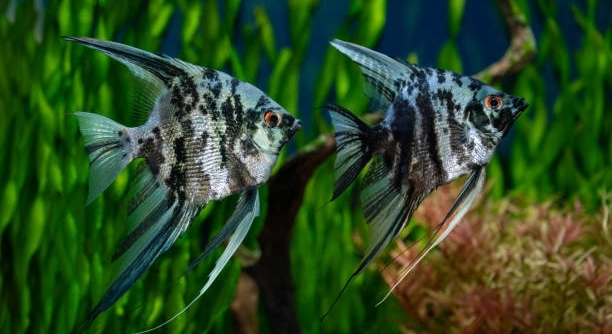
Angelfish are fascinating creatures, often displaying unique behaviors, including heightened activity during the night. Understanding their nocturnal behavior can provide insight into their needs and overall health. This behavior can be influenced by several factors.
The increased activity of angelfish at night is commonly linked to their natural behaviors and environmental conditions. Fish are often more active in the evening due to factors such as reduced light, temperature changes, and hunting instincts.
Nighttime activity in angelfish is influenced by various environmental and biological factors. Understanding these will help you better care for your fish.
Light Levels and Activity
Angelfish are naturally adapted to dim lighting, and their activity level often increases as the light diminishes. In the wild, these fish are accustomed to living in the lower levels of rivers and lakes, where light is filtered through the water. This reduces visibility, causing the fish to become more active during twilight or night.
As your angelfish adjusts to the light changes in your tank, it may become more active when the light fades. The decrease in light triggers a shift in their behavior, as they feel safer and more comfortable moving around in the dimmer environment.
It’s important to manage the lighting in your tank to maintain your angelfish’s health. Bright lights throughout the day may cause stress, which could affect their natural behavior. Try gradually reducing light intensity in the evening to help mimic their natural environment and promote healthy activity patterns.
Temperature Changes
Temperature changes in the tank can have a noticeable effect on angelfish activity. They are sensitive to water temperature, which affects their metabolism and behavior. When the water cools, your fish might become more active as they adjust to the shift.
Angelfish are tropical species, typically preferring warmer water. If there’s a sudden drop in temperature, they may become more active at night, possibly in search of food or better conditions. Consistent temperatures are important to keep your angelfish comfortable. If you notice them being unusually active after temperature drops, it could indicate they are trying to adjust to the change.
Hunger and Feeding Habits
Angelfish tend to be more active at night if they are hungry. In the wild, they often forage during dusk and night hours. This instinct can carry over into aquarium life, where they might become more energetic when food is scarce.
To address this, ensure you’re feeding your angelfish regularly and providing a varied diet. Fish are often more active when searching for food, so keeping them well-fed will reduce the need for excessive movement. Overfeeding, however, can lead to uneaten food, which could cause water quality issues. Monitor your feeding schedule to maintain a healthy balance.
Feeding angelfish in the evening can also mimic their natural feeding habits. Offering food when the light dims can stimulate their hunting instincts, keeping them active and engaged. Just be careful not to overfeed, as this can lead to health problems. Stick to a regular feeding routine to avoid disrupting their natural behaviors.
Tank Mates and Social Interactions
Tank mates can influence the activity level of your angelfish. If they’re housed with more active or aggressive fish, they may become more active at night to avoid conflict or to assert dominance. Angelfish, while peaceful, can engage in territorial behavior when necessary.
Social interactions with other fish can increase your angelfish’s activity level. If there’s tension in the tank or competition for food, they might become more restless at night. It’s essential to monitor how well your fish are getting along and consider separating overly aggressive tank mates. A peaceful community setup can help maintain a more relaxed and balanced activity level for your angelfish.
Stress and Environmental Changes
Stress can make angelfish more active, particularly at night. If their environment is unstable, they may exhibit heightened activity as they try to adjust. This stress could stem from poor water quality, aggressive tank mates, or sudden changes in the tank setup.
When angelfish are stressed, they often swim around aimlessly or appear more alert. Maintaining a stable environment is crucial for their well-being. Regular water changes, careful selection of tank mates, and a calm environment will help reduce stress levels. Keep the tank clean, and ensure all parameters are optimal to prevent unnecessary stress.
Overstimulation from Lights
Overstimulation from tank lighting can affect angelfish behavior. If the lights are too bright or are left on for too long, it may cause your fish to become restless at night. This can make them more active, as they try to adjust to the overexposure.
If your angelfish are constantly moving around after the lights are turned off, try dimming them or using a timer. This will help regulate the light cycle, making the transition to night more natural for your fish. Proper lighting will help maintain a more peaceful environment and reduce unnecessary restlessness.
Health Issues
Health issues can also cause increased activity in angelfish. If your fish are unwell, they may swim more in an attempt to alleviate discomfort. Look for signs of disease, such as unusual swimming patterns or loss of appetite, as these could indicate a problem that needs attention.
If your angelfish are more active than usual, it’s worth inspecting them closely for any signs of illness. Changes in behavior, especially increased movement, can sometimes be linked to infection or injury. Treating the underlying cause can restore their normal activity levels and improve their quality of life.
FAQ
Why do angelfish become more active at night?
Angelfish are naturally crepuscular, meaning they are more active during dawn and dusk. Their increased activity at night is often due to their biological rhythms, mimicking their behavior in the wild. In an aquarium, reduced light levels at night can trigger their instincts, making them more energetic. Additionally, if they are hungry or stressed, they may become more active in search of food or to adjust to environmental changes.
Is it normal for angelfish to swim around a lot at night?
Yes, it is normal for angelfish to swim more actively at night, especially if they are in a calm and dimly lit environment. This behavior is similar to their natural habits in the wild, where they are more active in lower light conditions. However, excessive activity could indicate stress, hunger, or other factors affecting their health.
How can I reduce my angelfish’s nighttime activity?
To reduce nighttime activity, try adjusting the lighting in your tank. Use a timer to create a natural day-night cycle, and ensure the lighting is dim enough to mimic their natural environment. Also, make sure your angelfish are well-fed during the day to avoid excessive movement in search of food at night. Regular maintenance of water quality and tank conditions can also help prevent stress, which may cause unnecessary activity.
Are angelfish nocturnal?
Angelfish are not fully nocturnal, but they are more active at night than during the day. They are considered crepuscular, meaning they are naturally inclined to be more active during the twilight hours. In the aquarium, they may exhibit increased activity in the absence of bright light, which mimics their wild habitat conditions.
What time of day are angelfish most active?
Angelfish are most active during the early morning and evening hours when the light levels are lower. This is their natural active period in the wild, and it continues in an aquarium environment. While they are not completely nocturnal, they are more likely to swim around during these times compared to midday.
Can stress cause angelfish to be more active?
Yes, stress can cause angelfish to become more active. Stress triggers restlessness, and they may swim around the tank more than usual. Common causes of stress in angelfish include poor water quality, aggressive tank mates, or sudden changes in the tank environment. Reducing these stressors can help your angelfish stay calm.
What are the signs of a stressed angelfish?
Signs of a stressed angelfish include rapid swimming, rubbing against objects, hiding, or refusing to eat. You may also notice erratic movements or a general lack of interest in their environment. Stress can lead to decreased immune function, so it’s important to address any stressors quickly to prevent further issues.
Why is my angelfish more active after water changes?
After a water change, your angelfish may become more active due to the shift in water quality. Fresh water often contains more oxygen and may have different temperature or pH levels, which can stimulate their activity. However, if the water change was too sudden or drastic, it could cause temporary stress, leading to increased movement.
Can temperature changes make angelfish more active?
Yes, temperature changes can make angelfish more active. Angelfish prefer stable, warm water, and any sudden fluctuations in temperature can cause them to become more restless. They might swim more to adjust to the new conditions or search for better spots in the tank. Maintaining a consistent water temperature is key to their comfort and health.
How can I make sure my angelfish is not overly stressed?
To prevent stress in your angelfish, ensure stable water conditions with regular maintenance. Keep the water clean and maintain the proper temperature, pH, and hardness levels. Avoid overcrowding the tank and make sure your angelfish are housed with compatible tank mates. Providing hiding spots or plants can also help reduce stress by giving your angelfish a sense of security. Regular feeding and avoiding sudden changes in their environment will further help keep your angelfish relaxed.
What should I do if my angelfish is swimming erratically?
Erratic swimming can indicate a number of issues, including stress, illness, or poor water quality. First, check the water parameters to ensure they are within the optimal range for angelfish. Look for signs of disease, such as faded colors, spots, or swelling. If necessary, quarantine the affected fish and treat them for any potential illnesses. If the behavior persists, consider reviewing the tank setup, including temperature, lighting, and tank mates, to rule out environmental stressors.
Final Thoughts
Angelfish, like many other species, have natural instincts that drive their behavior. Increased activity at night is often linked to their biological rhythms, which are influenced by lower light levels and their tendency to be more active during dusk and dawn. This is a natural part of their behavior and often not something to worry about. In most cases, if your angelfish are swimming around more at night, they are simply following their natural cycle and may be foraging or simply exploring their surroundings. Understanding these patterns can help you provide a better environment for them.
However, there are other factors to consider when it comes to nighttime activity. Hunger is a common reason why angelfish may become more active at night, as they may search for food after being fed less during the day. It’s important to maintain a consistent feeding schedule and avoid overfeeding. Additionally, tank mates and social interactions can also influence behavior. If there are aggressive or overly active fish in the tank, it may lead to your angelfish becoming more active to defend their territory or simply avoid confrontation. Paying attention to the dynamics within your aquarium can help create a peaceful environment for your angelfish to thrive.
Finally, environmental factors such as water quality, temperature, and tank lighting can all play a role in your angelfish’s nighttime behavior. Stress caused by poor water conditions or sudden changes in their environment can lead to excessive activity, especially at night. Regular water changes, stable temperature control, and careful attention to lighting can reduce stress and help maintain a calm environment for your fish. By monitoring your tank and understanding the reasons behind your angelfish’s nighttime activity, you can ensure that they remain healthy and comfortable in their habitat.

Hello,
If you enjoy the content that we create, please consider saying a "Thank You!" by leaving a tip.
Every little bit helps us continue crafting quality advice that supports the health, happiness, and well-being of pets around the world, for pets of all shapes, sizes, and species.
We really appreciate the kindness and support that you show us!