
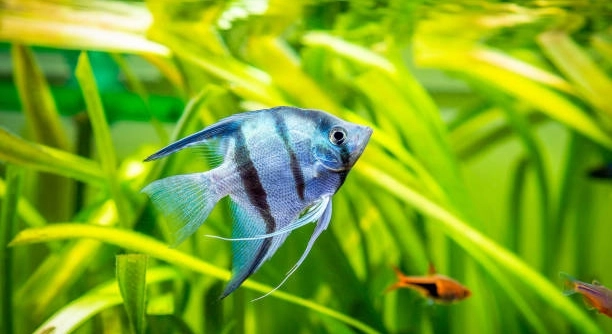
Are your angelfish always hanging around the top of the tank even after feeding time is over, looking a bit too full?
Overfeeding angelfish can lead to serious health problems, such as bloating, constipation, fatty liver disease, and poor water quality in the tank. These issues can reduce their lifespan and lower their overall well-being.
Knowing the signs early can help you make simple changes to improve your angelfish’s daily routine and prevent unnecessary health issues.
Floating at the Top After Meals
When angelfish are overfed, they may float near the top of the tank more often than usual. This behavior can be a sign of swim bladder stress caused by too much food or gulping air during feeding. Floating doesn’t always mean they are happy or just exploring. If this happens regularly after feeding, it could point to digestive issues. Uneaten food sinking to the bottom can also rot and harm water quality. Poor water quality can make the floating worse. A good way to help is to feed smaller amounts and watch how they react during and after eating.
Angelfish should return to calm swimming patterns shortly after a meal. If they linger at the top for long periods, it’s time to adjust their diet.
Observe them closely after each meal. Notice if they float more than swim. A consistent pattern could indicate they are getting more food than they need, even if they seem eager to eat.
Bloated Appearance
A bloated belly is often the first visible sign of overfeeding.
If your angelfish starts looking rounder or puffed out around the stomach area, it’s likely they’ve eaten too much or too often. While some slight fullness after eating is normal, a bloated look that stays for hours or becomes worse over time is not. Over time, this bloating can put pressure on their internal organs and make swimming more difficult. It may also lead to other issues, like constipation or infections. Overfeeding, especially with protein-rich or dry foods that swell in the stomach, increases the chance of this happening. Keeping their diet varied and feeding in smaller portions can make a big difference. Also, soaking dry food beforehand helps reduce its expansion in their belly. Avoid feeding them more just because they beg or seem excited—many fish will keep eating even when it’s not good for them. Balanced feeding supports a healthy, active fish without that swollen look.
Cloudy Water After Feeding
Cloudy water showing up soon after feeding is often a sign that too much food is entering the tank. Uneaten food breaks down fast, releasing particles and waste that affect water clarity and quality. This change usually happens within hours if overfeeding is a regular habit.
When food is left uneaten, it quickly begins to decay and releases waste into the water. This leads to cloudy water and increases ammonia levels, which can stress your fish and damage their gills over time. A cloudy tank doesn’t just look bad—it can make your angelfish sick if not corrected. Feeding them small amounts and waiting for them to finish before adding more helps. Remove leftover food after five minutes. You might also consider feeding once or twice daily instead of more often. Clean your tank and filters regularly, especially after a day with too much food in the water.
A simple change in how much and how often you feed can make the water clearer again. Reducing food waste not only keeps your tank looking better, but also protects your angelfish from illnesses. Watch the water daily after meals—cloudiness is one of the easiest things to spot when something’s wrong with feeding habits.
Uneaten Food Sinking to the Bottom
If uneaten food keeps sinking and staying at the bottom, it means your angelfish are getting more food than they need. This leftover food doesn’t just disappear. It breaks down slowly and can cause water problems and stress for the fish over time.
Uneaten food that sits at the bottom of the tank begins to rot, releasing harmful chemicals like ammonia and nitrites. This can lead to dangerous changes in water chemistry. Your angelfish may seem fine at first, but over time, poor water conditions can lead to disease, stress, and even death. Regular vacuuming and good filtration help remove waste, but prevention is better. If you notice food sinking regularly, cut back on how much you offer during meals. Only feed what your angelfish can eat in a few minutes. This keeps the tank cleaner and gives your fish a healthier home, free from buildup and bacteria.
Lethargic Behavior After Eating
Angelfish that become still or uninterested in swimming after meals might be too full. Overfeeding can make them sluggish and uncomfortable, especially if the food is hard to digest or too rich. This often causes them to rest near the bottom or hide more than usual.
If this happens often, it’s a sign that their body is working too hard to digest too much food. Angelfish should stay active and alert after feeding, not slow down. Try feeding less and choose food that’s easier for them to digest, like pre-soaked flakes or frozen brine shrimp.
Frequent Pooping
If you start seeing more waste in the tank than usual, it could mean they’re eating too much. Overfed angelfish poop more often, and sometimes the waste may appear long, stringy, or pale. This is a sign their digestive system is being overworked.
Gasping Near the Surface
Overfeeding leads to waste buildup, which lowers oxygen in the water. Angelfish may start gasping near the surface as they struggle to get enough air. This behavior usually happens along with other signs like cloudy water and sunken food, making it easier to spot feeding issues early.
FAQ
How often should I feed my angelfish?
Angelfish should be fed once or twice a day, with small portions they can consume in 3 to 5 minutes. Overfeeding can cause digestive issues and poor water quality. Try to stick to a consistent feeding schedule and avoid offering food too often. If you notice leftover food, reduce the amount you feed next time.
What is the best type of food for angelfish?
Angelfish thrive on a varied diet. Flakes, pellets, and frozen foods like brine shrimp, daphnia, and bloodworms are all good options. It’s important to choose food that’s high in quality and easy for them to digest. Avoid overfeeding with protein-heavy foods, which can lead to bloating or constipation.
How can I tell if my angelfish is overfed?
Signs of overfeeding include bloating, cloudy water, floating near the top of the tank, lethargy, and more frequent waste production. Your angelfish may also be less active or seem uncomfortable after meals. If you spot these signs regularly, reduce the amount of food you’re offering and try feeding smaller portions more frequently.
Can overfeeding kill my angelfish?
Yes, overfeeding can harm your angelfish in multiple ways. The excess food can lead to poor water quality, which stresses the fish and makes them more susceptible to disease. Overfeeding can also cause digestion problems, like constipation or bloating, which can become serious if left unaddressed. A clean environment and proper feeding habits are essential for their health.
How can I fix cloudy water caused by overfeeding?
To fix cloudy water, start by removing any leftover food from the tank. Clean the substrate by vacuuming it and check the filtration system to make sure it’s working well. You may need to do water changes more frequently for a while. Reducing the amount you feed and sticking to a more regular feeding schedule will also help keep the water clearer in the future.
How much should I feed angelfish if I have other fish in the tank?
If you have multiple fish, make sure each species gets the right amount of food. Angelfish should still receive a portion they can eat within a few minutes, but you may need to monitor the other fish’s feeding habits too. Ensure that no one fish is overfed, as it can affect the health of the entire tank. It’s important to avoid competitive eating, which can result in one fish eating too much.
What should I do if my angelfish stops eating after overfeeding?
If your angelfish stops eating after overfeeding, it may be feeling unwell or full. Give it a break from food for a day or two and monitor for other signs of stress, like floating, lethargy, or bloating. If the issue persists, it might be a good idea to check water quality and consult with a vet if necessary.
How do I avoid overfeeding in the future?
To prevent overfeeding, start by offering only a small amount of food. Feed your angelfish once or twice a day, and remove any uneaten food within 5 minutes. You can also use a feeding ring to limit where food goes in the tank. Keeping track of their appetite and sticking to a feeding schedule will help avoid excess food buildup.
Can overfeeding cause my angelfish to get sick?
Yes, overfeeding can cause digestive problems, increase waste in the tank, and lead to poor water quality, all of which can make your angelfish more vulnerable to illness. Poor water quality is particularly dangerous, as it can lead to bacteria growth, fungal infections, and parasites. Keep a clean tank and feed appropriate amounts to reduce health risks.
Is it okay to feed my angelfish vegetables?
Yes, angelfish can eat vegetables like spinach, zucchini, and peas, which provide extra nutrients. However, make sure to blanch or chop them before feeding. While veggies are a great supplement to their diet, they should not replace protein-based food entirely. Moderation is key to maintaining balance in their diet.
Why does my angelfish beg for food even when it’s overfed?
Angelfish often beg for food out of habit, not because they’re hungry. Fish don’t have the same sense of fullness as humans and will continue to eat if food is available. If your angelfish is constantly begging, try feeding smaller amounts at regular intervals and stick to the schedule. This will also help prevent overfeeding.
How can I tell if my angelfish is bloated from overfeeding?
A bloated angelfish will have a noticeably swollen belly, often looking rounder than normal. The belly might be stretched and may cause the fish to float or move awkwardly. If you notice this, reduce the amount of food and offer easier-to-digest options like soaked pellets or frozen food. If the bloating persists, consider consulting an aquarium vet.
Final Thoughts
Feeding your angelfish the right amount of food is crucial to their health and well-being. Overfeeding may seem harmless, but it can lead to a range of problems that affect not only your fish but also the water quality in your tank. When you feed too much, uneaten food quickly decomposes, releasing harmful substances into the water, which can lead to cloudy water, high ammonia levels, and overall poor tank conditions. These changes can stress your angelfish and make them more vulnerable to diseases. Monitoring how much and how often you feed them helps keep the environment stable and their health in check.
The signs of overfeeding, like bloating, lethargy, or increased waste, are your clues to adjust your feeding habits. If your angelfish are floating near the surface or looking sluggish after meals, it’s time to cut back on the portions. Also, if you notice more uneaten food sinking to the bottom or the water becoming cloudy, this is a clear sign that your feeding schedule needs adjustment. It’s easy to overfeed when you’re worried that your fish aren’t getting enough, but angelfish don’t require large amounts of food to thrive. Small, consistent meals are all they need to stay healthy.
Keeping a consistent feeding routine, along with watching your angelfish closely, can make all the difference. Ensure that your fish are eating the right portions by feeding them just enough for them to finish in a few minutes. With proper care and attention to how much you’re feeding, your angelfish will stay active, healthy, and vibrant. By avoiding overfeeding, you’re not only helping your fish but also creating a better living environment in your tank. This small change in feeding habits can go a long way toward maintaining a balanced, healthy aquarium.

Hello,
If you enjoy the content that we create, please consider saying a "Thank You!" by leaving a tip.
Every little bit helps us continue crafting quality advice that supports the health, happiness, and well-being of pets around the world, for pets of all shapes, sizes, and species.
We really appreciate the kindness and support that you show us!