
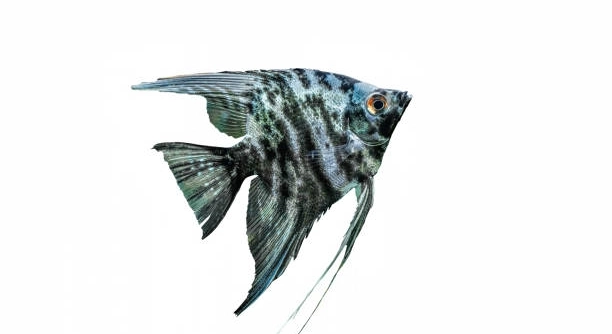
Do your angelfish seem restless, shy, or unusually aggressive even though you’ve maintained their tank properly and fed them regularly? Angelfish are sensitive and can react strongly to certain changes in their surroundings.
Angelfish often become stressed due to poor water quality, sudden environmental changes, aggressive tank mates, or improper diet. Identifying these triggers early and taking preventive steps is essential to maintain a calm, healthy aquarium environment.
Small environmental shifts or overlooked habits can create big problems. Knowing what causes stress in angelfish can help you keep your tank calm and your fish thriving.
Poor Water Quality
Angelfish are sensitive to even small changes in water conditions. When ammonia or nitrite levels spike, or when the water becomes too warm or too cold, stress builds up quickly. Dirty tanks and irregular water changes allow harmful bacteria to grow, leading to poor oxygen levels and health issues. Frequent testing helps maintain pH, temperature, and hardness within the correct range. A clean, stable tank supports immune health and prevents disease. Avoid overcrowding, and use a proper filtration system to keep waste levels low. Consistent care makes a big difference in how relaxed your angelfish feel each day.
If water conditions are off, angelfish may hide, lose color, or refuse food. These are early signs of stress.
Check your water parameters weekly and do regular water changes. Use a thermometer and test kit to stay consistent. Clean filters without removing too much beneficial bacteria. Keep things balanced, and your fish will thrive.
Incompatible Tank Mates
Not all fish are safe companions for angelfish. Some species nip at fins, chase, or fight over territory. These behaviors increase stress and cause injury.
Aggressive or fast-swimming fish often disrupt the calm nature of angelfish. This includes barbs, some tetras, and large cichlids. If angelfish feel threatened, they may become defensive or stay hidden most of the time. Fin-nipping also leads to infection if left untreated. It’s best to choose peaceful, slow-moving tank mates that share similar water needs. Good options include peaceful tetras, Corydoras, or ram cichlids. Always research compatibility before adding new fish. Introduce new tank mates slowly to reduce tension. Monitor your angelfish for signs of fear or aggression in the days following any change. A stable social environment keeps angelfish relaxed and confident. Avoid housing them in tanks where they are constantly defending themselves or escaping bullies. This type of stress lowers their immunity and leads to long-term health problems.
Sudden Changes in Environment
Sudden shifts in lighting, water temperature, or decorations can unsettle angelfish. They rely on consistency, and any quick change may trigger panic or hiding behavior. Stability is key to helping them feel safe in their environment.
If you need to move tank decorations or change the layout, do it slowly and in small steps. Avoid making several changes at once. Bright lighting should be introduced gradually, especially after a water change or cleaning session. When adjusting the temperature, aim for a steady change of no more than one degree per hour. Angelfish may become aggressive, skittish, or stop eating after sudden environmental changes. Use a heater with accurate control and place the tank away from windows or heat sources. Always turn lights on and off at the same time daily. Predictability helps angelfish adapt and stay calm even during minor updates to their space.
Frequent movement around the tank, especially from children or pets, can also cause stress. Try to place the aquarium in a quiet, low-traffic area. Loud noises or vibrations from nearby electronics may disturb your angelfish. Sudden temperature drops from air conditioners or open windows are just as harmful. Be mindful of how your actions impact their comfort and routine.
Overfeeding or Poor Diet
Feeding your angelfish too much or offering an unbalanced diet leads to bloating, waste buildup, and long-term health problems. Uneaten food pollutes the water, making them feel stressed and sluggish.
Offer small portions of food once or twice a day, and only as much as they can eat in two minutes. Angelfish benefit from a variety of foods—combine quality flakes, frozen brine shrimp, and occasional live options to support digestion and energy. Avoid feeding only one type of food, as it may lack nutrients. Overfeeding causes fatty liver disease and water issues from leftover food. Always remove uneaten bits with a net after feeding. Be consistent with feeding times to reduce anxiety. Angelfish will learn when to expect food, creating a calmer routine. Adjust feeding schedules if they begin to ignore meals or show signs of bloating.
A poor diet also weakens their immune system, making them prone to infections and parasite issues. Signs of dietary stress include color loss, sluggish swimming, or irregular behavior after meals. If you notice these symptoms, review your feeding habits right away. Look for high-protein, low-filler options in their food. Supplement with natural treats and avoid expired products. A well-fed angelfish is active, curious, and displays brighter colors in the tank.
Lack of Hiding Spaces
Angelfish feel safer when they have plants, driftwood, or decorations to retreat behind. A bare tank can cause them to become anxious and restless, especially during rest or breeding periods.
Without shelter, angelfish are exposed and may become aggressive or hide constantly. Provide tall plants or vertical surfaces to reduce stress.
Improper Tank Size
Keeping angelfish in a small or overcrowded tank limits their movement and leads to territorial disputes. They need space to swim freely and establish their own area. A cramped tank causes stress, especially in groups. A single angelfish needs at least 20 gallons, and a pair needs 30. For a group, a 55-gallon tank is ideal. Overcrowding increases waste buildup and competition during feeding. Ensure your tank has enough height, as angelfish have tall bodies and prefer vertical space. Adding more room gives them comfort and allows their natural behavior to emerge. This lowers the risk of aggression and health problems.
Inconsistent Lighting
Lights that stay on too long or change frequently disturb sleep cycles and behavior. Use a timer to provide a regular day-night rhythm. Angelfish need a stable routine to stay healthy and feel secure.
FAQ
How do I know if my angelfish is stressed?
Stressed angelfish often show signs like faded color, erratic swimming, clamped fins, or hiding for long periods. Some may stop eating or become more aggressive than usual. Rapid gill movement and lingering at the surface or bottom of the tank are also common indicators. If you notice these behaviors, evaluate their environment for potential causes such as poor water quality, overcrowding, or sudden changes.
Can a new tank setup cause stress in angelfish?
Yes, moving into a new tank can be stressful for angelfish. The change in water parameters, unfamiliar surroundings, and lack of hiding spots can all affect their comfort. It’s important to cycle the tank properly before introducing angelfish and to include plants or decorations that give them shelter. Monitor their behavior closely for the first few days after transfer and avoid making additional changes during this adjustment period.
How often should I check water conditions for angelfish?
It’s best to check water parameters at least once a week. Use a test kit to measure ammonia, nitrite, nitrate, and pH levels. Angelfish prefer slightly acidic to neutral water (pH 6.5–7.5) and stable temperatures between 76–82°F. Sudden shifts in these conditions can trigger stress responses. Regular testing helps prevent problems before they affect your fish.
Is it okay to keep angelfish with other species?
Yes, but tank mates must be chosen carefully. Angelfish can be territorial, especially during breeding, so it’s best to avoid fin-nippers or aggressive species. Peaceful fish like corydoras, mollies, or some tetras can work well, but make sure they have enough space. Avoid keeping them with fish small enough to be eaten or large enough to intimidate them. A well-balanced tank community helps reduce stress levels for all inhabitants.
How many times a day should I feed angelfish?
Feed angelfish once or twice a day in small amounts they can finish in two minutes. Overfeeding not only causes bloating but also increases waste, which affects water quality. It’s better to underfeed slightly than to overfeed. Watch how quickly they eat and remove leftovers to prevent buildup. Feeding on a schedule also helps them feel more secure.
Can angelfish get stressed by bright lighting?
Yes, overly intense or inconsistent lighting can make angelfish uneasy. Use moderate lighting and keep it consistent by turning it on and off at the same times daily. Sudden flashes or leaving the lights on too long may disrupt their sleep and trigger anxiety. If your tank seems too bright, consider adding floating plants or dimmer bulbs to soften the light.
Do angelfish get bored in a tank?
They can become less active if the tank lacks variety or stimulation. Including a mix of plants, driftwood, and changes in flow can encourage natural behavior. Even small changes in layout or the addition of a mirror for short periods may help them stay curious and active. Just be careful not to make too many changes at once.
Why is one angelfish bullying the others?
This often happens when there isn’t enough space or clear territory. Angelfish create hierarchies, and dominant individuals may chase or nip others. A larger tank, proper hiding spaces, and rearranging decorations can help break up aggression. If one fish remains overly aggressive, you may need to isolate it temporarily or adjust the group.
Can noise stress out angelfish?
Yes, loud sounds or constant vibrations from electronics can disturb them. Tanks placed near speakers, TVs, or high-traffic areas may cause angelfish to act skittish or hide often. Try placing the tank in a quiet spot with fewer disruptions. Soundproof padding under filters or equipment can also help reduce vibrations in the water.
Is it normal for angelfish to hide a lot?
Occasional hiding is normal, especially after a big change or if they are new to the tank. However, constant hiding might mean they’re feeling unsafe. Check for potential stress factors like aggressive tank mates, poor water quality, or a lack of hiding spaces. Offering plenty of plants and a stable routine helps them feel more secure.
Final Thoughts
Angelfish are sensitive freshwater fish that require a stable and supportive environment to stay healthy. While they are known for their beauty and calm behavior, they can become stressed when conditions are not right. Things like poor water quality, overcrowding, sudden changes in the tank, and unsuitable tank mates can all affect how they feel and behave. Understanding the signs of stress—such as clamped fins, hiding, aggression, and loss of appetite—can help you take action early. With close attention to their surroundings, feeding habits, and tank conditions, it becomes easier to prevent stress and keep your angelfish comfortable.
Caring for angelfish doesn’t have to be complicated, but it does require consistency. Clean water, a peaceful tank community, proper feeding, and a quiet environment all work together to lower stress levels. Try to test your water regularly, avoid sudden changes, and make sure the tank has enough space and plants. These simple habits can go a long way. Watching your angelfish closely and adjusting your care routine when needed helps you respond to their needs in a calm and effective way. Small changes often make a big difference, especially when applied early.
Taking care of angelfish is about creating a space that stays steady over time. It’s not just about fixing problems when they happen but also about preventing them in the first place. Being aware of what causes stress in your angelfish gives you the knowledge to avoid those triggers and support their health. With some planning and regular upkeep, your angelfish can stay active, eat well, and interact normally in the tank. A stress-free angelfish is more likely to thrive, grow, and show its natural colors. With patience and attention, you can build a calm tank environment that helps them live a long and peaceful life.

Hello,
If you enjoy the content that we create, please consider saying a "Thank You!" by leaving a tip.
Every little bit helps us continue crafting quality advice that supports the health, happiness, and well-being of pets around the world, for pets of all shapes, sizes, and species.
We really appreciate the kindness and support that you show us!