
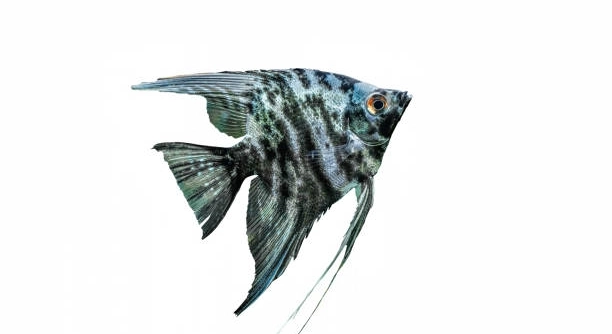
Is your angelfish tank water looking cloudy, making it hard to enjoy your aquarium and see your fish clearly?
Cloudy water in an angelfish tank is most often caused by excess waste, overfeeding, bacterial blooms, or poor filtration. These issues create an imbalance in the tank’s ecosystem, making the water appear murky and unhealthy for your fish.
Understanding what causes the cloudiness can help you take the right steps to clear your tank and keep your angelfish healthy and comfortable in their home.
Reason 1: Overfeeding Your Angelfish
Overfeeding is one of the most common causes of cloudy tank water. When uneaten food sinks to the bottom, it begins to break down, releasing waste into the water. This buildup can lead to a bacterial bloom, which makes the water look cloudy or milky. Angelfish only need a small amount of food once or twice a day. If you feed more than they can eat in a couple of minutes, the extra will just rot. Choosing the right type of food and feeding schedule can help avoid this problem. It’s also important to remove leftover food soon after feeding. Using a feeding ring or watching your fish closely during feeding times can help you measure how much they truly need.
Try feeding your angelfish just what they can eat in two minutes and watch how much is left behind.
Once overfeeding stops, the water can begin to clear on its own. If the tank is still cloudy, do a partial water change and clean the substrate gently to remove old food. A gravel vacuum works well for this. Avoid stirring the gravel too much, as that can release more waste into the water. Keeping a regular feeding routine and observing your fish will make a big difference.
Reason 2: Poor Filtration
A weak or dirty filter often fails to remove waste and debris properly, leading to cloudy water.
Your filter is one of the most important parts of your angelfish tank. If it isn’t working well or is clogged, waste and particles stay in the water. This not only causes cloudiness but can also affect the oxygen levels and make your fish uncomfortable. Make sure the filter you’re using matches the size of your tank. It should move the water enough to keep it clean but not so much that it stresses the fish. Clean or change filter media regularly to keep it working properly. Don’t clean all the parts at once—some bacteria in your filter are helpful and should stay in place. You can rinse filter media in old tank water during a water change to keep the good bacteria alive. Check the filter flow, and if it seems weaker than usual, clean the intake and outflow areas.
Reason 3: Bacterial Bloom
A bacterial bloom often happens when the tank’s environment changes quickly. This can occur after setting up a new tank, adding new fish, or disturbing the gravel too much during cleaning. The water may look cloudy or white, but it usually clears up on its own with time.
Bacterial blooms are caused by a sudden increase in waste, which gives bacteria a food source to grow quickly. These bacteria are not harmful to your fish but can make the tank look dirty and reduce oxygen. Avoid adding too many fish at once, and give the tank time to settle after cleaning. If the bloom continues for several days, check your water parameters and make sure the ammonia and nitrite levels are under control. A water change may help, but avoid changing too much water at once, as that can upset the balance even more.
Patience is important when dealing with a bacterial bloom. It’s tempting to clean everything or do multiple water changes, but this can make things worse. Instead, monitor your tank daily, feed lightly, and keep the filter running. You can also add beneficial bacteria products if you’ve recently changed water or added new fish. These help restore the natural balance without harming your angelfish or their environment.
Reason 4: Dirty Substrate
Waste and uneaten food can get trapped in the gravel, slowly breaking down and clouding the water. Stirring the substrate too much can also release particles, making things worse instead of better. A regular cleaning routine is key to preventing this buildup.
Over time, the substrate collects small bits of food, waste, and decaying plant matter. If not cleaned regularly, it begins to release toxins and cloud the water. Using a gravel vacuum once a week during water changes helps remove this debris without disturbing helpful bacteria living deeper in the gravel. Avoid over-cleaning, though. Removing too much at once can remove beneficial bacteria, which are important for maintaining balance in your tank. Clean small sections at a time, especially in larger tanks. Pay close attention to areas under decorations or around plants, where waste tends to collect the most. A clean substrate helps keep the tank healthier and clearer.
Reason 5: New Tank Syndrome
New tanks often become cloudy during the first few days or weeks. This is a normal part of the cycling process as bacteria begin to grow and balance out the tank’s environment. Avoid over-cleaning and allow the cycle to complete naturally.
During this time, helpful bacteria grow to break down waste from fish and leftover food. Until these bacteria are established, the water may look cloudy. It’s important not to add too many fish right away or overfeed. Keeping the filter running and testing water regularly helps track progress.
Reason 6: Decorations or Substrate Leaching
Some new decorations or gravel can release particles or dyes into the water, especially if not rinsed well before adding them. This can give the water a cloudy or discolored look. Always rinse new items thoroughly and choose materials marked as aquarium-safe.
Reason 7: Algae Bloom
Algae blooms can turn the water green and cloudy, often due to too much light or high nutrient levels. Reducing the lighting period and doing regular water changes can help control algae. Avoid placing the tank in direct sunlight and remove excess food or waste promptly.
FAQ
How can I prevent cloudy water in my angelfish tank?
To prevent cloudy water, focus on maintaining a balanced environment for your angelfish. This includes keeping up with water changes, not overfeeding, and cleaning the tank regularly. A reliable filtration system is also key to keeping the water clear. Always monitor the water parameters (ammonia, nitrites, nitrates) to ensure the tank is properly cycled. Avoid adding too many fish at once, as it can cause an overload of waste, leading to cloudy water.
What’s the best way to clean cloudy water in my angelfish tank?
To clean cloudy water, first identify the cause of the cloudiness. If it’s due to overfeeding, reduce the amount of food and remove any leftover food after feeding. For bacterial blooms, simply wait for the bloom to clear up, but consider a partial water change to speed up the process. In case of a dirty substrate, use a gravel vacuum to remove debris. Keep the filter clean and make sure it’s running efficiently. Regular maintenance will prevent the cloudiness from returning.
Can cloudy water harm my angelfish?
Cloudy water can cause stress for your angelfish. While a mild bacterial bloom or cloudiness due to new tank syndrome may not directly harm your fish, prolonged exposure to poor water quality can lead to health issues. Cloudy water may also reduce oxygen levels in the tank, making it harder for your fish to breathe. It’s important to resolve the cause of cloudiness quickly to ensure a healthy environment for your angelfish.
How often should I change the water in my angelfish tank?
Water changes should be done regularly, typically every 1-2 weeks. The amount of water to change depends on the size of your tank and the condition of the water. For a well-established tank, a 25-30% water change is often enough. If you have a smaller tank or notice cloudy water, you may need to do a larger change or change the water more frequently until the issue clears up. Always use a water conditioner to remove chlorine and chloramine from tap water.
Should I use any chemicals to clear the water?
Using chemicals to clear cloudy water is not always recommended. Many aquarium products claim to clear up cloudy water, but they often don’t address the underlying cause and can even harm beneficial bacteria. It’s better to resolve the issue naturally by improving filtration, reducing feeding, or performing water changes. In cases of severe algae blooms, a chemical algaecide may be helpful, but it should be used sparingly.
Can cloudy water be a sign of an unhealthy tank?
Yes, cloudy water can indicate that something is off in your tank’s ecosystem. Common causes like overfeeding, poor filtration, or bacterial blooms suggest an imbalance. If left untreated, this imbalance can lead to unhealthy water conditions and stress for your fish. Regular monitoring of water parameters and proper tank maintenance can prevent unhealthy water and ensure a stable environment for your angelfish.
Is it safe to put new fish into a tank with cloudy water?
It’s not ideal to add new fish to a tank with cloudy water, as the water quality might not be stable. Fish are more susceptible to stress and disease in suboptimal conditions. It’s better to wait until the water clears up and the tank is balanced. However, if you must add fish, make sure the ammonia and nitrite levels are safe, and avoid overcrowding the tank.
How do I know if my filter is working properly?
To check if your filter is working properly, ensure that the water flow is steady and the filter media is clean. If the water is cloudy despite a working filter, it could mean that the filter is undersized for your tank or that it needs maintenance. Cleaning the filter should be done regularly, but don’t clean all the media at once to avoid removing helpful bacteria. If the filter is old or not functioning well, consider replacing it with a more powerful model.
Can cloudy water be caused by my angelfish’s behavior?
While angelfish behavior alone isn’t likely to cause cloudy water, their actions can contribute to other factors. For example, if angelfish are constantly digging or disturbing the substrate, they might stir up waste and debris, causing cloudiness. Overactive fish might also stir up uneaten food or waste from other fish. In general, it’s the tank environment and maintenance practices that primarily affect water quality.
How long does it take for cloudy water to clear up?
The time it takes for cloudy water to clear depends on the cause. If it’s a bacterial bloom, it usually clears within a few days to a week as the tank cycles. If overfeeding is the issue, removing uneaten food and reducing feeding can improve the clarity within a couple of days. In the case of algae blooms, it might take a little longer and could require adjustments in lighting and water changes. Patience and regular maintenance will speed up the process.
Should I be worried if my tank water is cloudy all the time?
If your tank water is constantly cloudy, it could indicate ongoing issues such as overfeeding, poor filtration, or inadequate water changes. Continuous cloudiness suggests that the underlying problem hasn’t been addressed, and it’s important to troubleshoot the cause. Keeping up with regular maintenance, feeding schedules, and proper filtration should help prevent this from happening in the long run. If cloudiness persists, check the water parameters and make adjustments as needed.
Final Thoughts
Cloudy water in your angelfish tank is a common issue that many aquarium owners face, but it’s usually a sign that something needs attention. The cause can range from overfeeding and poor filtration to bacterial blooms or new tank syndrome. Identifying the cause is the first step in clearing the water and ensuring a healthy environment for your angelfish. It’s important to understand that while cloudy water might not always be harmful in the short term, it can affect the overall health of your tank and its inhabitants over time if not addressed.
One of the best ways to prevent cloudy water is by maintaining a regular tank cleaning routine. This includes cleaning the filter, doing water changes, and monitoring feeding habits. Avoid overfeeding, as excess food can quickly lead to an increase in waste and bacteria, making the water cloudy. Regularly vacuuming the substrate and removing debris helps prevent waste buildup, which could contribute to water cloudiness. Ensuring that your filtration system is functioning properly and is the right size for your tank can also go a long way in preventing and clearing cloudy water.
If your tank water is already cloudy, it’s important not to panic. Most issues, like bacterial blooms or new tank syndrome, will clear up on their own over time. However, if the problem persists, adjusting feeding schedules, improving filtration, and doing partial water changes can help speed up the process. Keeping an eye on your tank’s water parameters and making small, consistent adjustments can help maintain a healthy and clear environment for your angelfish. With a little patience and the right care, your tank will return to being a clean, safe place for your fish.

Hello,
If you enjoy the content that we create, please consider saying a "Thank You!" by leaving a tip.
Every little bit helps us continue crafting quality advice that supports the health, happiness, and well-being of pets around the world, for pets of all shapes, sizes, and species.
We really appreciate the kindness and support that you show us!