
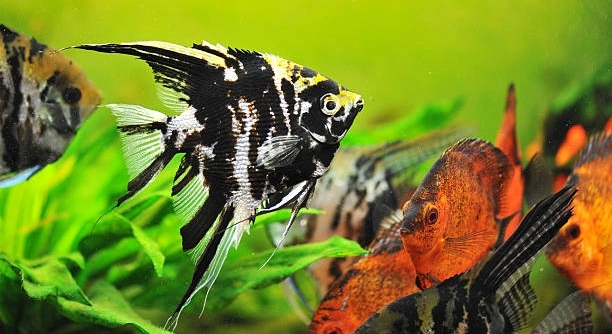
Angelfish are beautiful creatures that can live for several years in a well-maintained aquarium. Ensuring their health and longevity requires attention to various aspects of their care. With the right environment and routine, your angelfish can thrive.
To make your angelfish live longer, focus on providing a stable environment, proper nutrition, and a stress-free habitat. Regular water changes, appropriate tank size, and careful monitoring of water quality also contribute significantly to their overall well-being and longevity.
Keeping these factors in mind can help your angelfish live a longer and healthier life in your care.
Proper Tank Setup for Angelfish Longevity
The first step to ensuring your angelfish live a long, healthy life is by setting up a proper tank. A minimum of a 20-gallon tank is recommended for one angelfish, with larger tanks being even better if you plan to keep more. Proper filtration is crucial for maintaining clean water and removing toxins. Angelfish are sensitive to poor water quality, so investing in a good filtration system and keeping the tank clean is key to their survival. Regular water changes, about 25-30% every two weeks, help keep the water fresh and safe for them. Avoid overcrowding the tank, as this can increase stress and lead to health problems. Additionally, make sure your tank is equipped with a stable heater, as angelfish thrive in temperatures between 74°F and 82°F. Stability is essential; sudden changes in temperature or water parameters can harm them.
Investing in the right tank setup ensures your angelfish can live a longer life in a stable environment.
Having a proper tank setup goes beyond size and filtration. Angelfish are best kept in quiet, peaceful environments without sudden loud noises or heavy vibrations. Make sure to place the tank in an area that’s calm and free from disturbances. This helps reduce stress, which is one of the leading causes of health issues in angelfish.
Feeding Angelfish the Right Diet
Feeding your angelfish the right diet is essential for their health and longevity. A balanced diet of high-quality flakes, pellets, and occasional live or frozen foods like brine shrimp and bloodworms will provide all the nutrients they need. Avoid overfeeding, as excess food can pollute the tank and cause digestive issues for your fish. Stick to feeding them small portions twice a day, which will prevent the food from sinking to the bottom and creating waste. It’s also important to vary their diet, as angelfish can become malnourished if they are fed the same food continuously. Supplements like spirulina or other algae-based foods can also be added to their diet for extra nutrients.
A healthy, varied diet promotes longer life for your angelfish by improving their immune system and overall health.
When feeding angelfish, avoid foods that are high in fillers, as these can provide minimal nutritional value. Instead, choose food rich in proteins and essential vitamins to keep them healthy. You can also consider adding vegetable matter like blanched spinach or peas to give them variety.
Maintaining Water Quality
Clean water is crucial for angelfish to thrive. Regular water changes and monitoring are essential to keep the water safe. Make sure your tank’s filtration system works properly to remove harmful toxins and maintain a steady flow.
Test the water regularly for ammonia, nitrate, and nitrite levels. These toxins build up quickly in fish tanks and can harm your angelfish. If any levels are off, take immediate action to correct the issue. Keeping the water between 74°F and 82°F ensures your angelfish are comfortable. Poor water quality is one of the most common reasons for health issues in angelfish, so keep it under control.
Use a water conditioner to remove harmful chemicals and chlorine from tap water before adding it to the tank. Having a reliable water testing kit helps you stay on top of potential problems before they affect your fish.
Managing Tankmates
Angelfish are peaceful but can become territorial, especially during breeding. Keep tankmates in mind, as overly aggressive or large fish may cause stress. Choose species that are similar in temperament and size.
Avoid keeping angelfish with aggressive fish, such as cichlids, which can stress them out or harm them. Ideal tankmates include peaceful species like tetras, gouramis, and plecos. Keep a careful eye on interactions, as any signs of bullying or aggression can be harmful. It’s also essential to monitor the amount of space in the tank. Overcrowding can increase stress and conflict.
Providing a peaceful community will reduce stress, allowing your angelfish to live longer and healthier. It’s important to plan your tankmate selection carefully to maintain balance and harmony in the tank.
Proper Lighting
Angelfish need proper lighting to thrive, but it should not be too intense. Use a gentle light that mimics natural day-night cycles.
A light period of 10-12 hours a day works well for angelfish. Too much light can encourage algae growth, while too little can affect their health. A timer can help regulate the light cycle, ensuring consistency.
Consistent lighting helps maintain the natural rhythm for your angelfish, improving their overall well-being. A peaceful, balanced environment is essential for their longevity.
Avoiding Stressful Changes
Angelfish are sensitive to sudden changes in their environment. Avoid moving them or altering their tank drastically.
When making changes to the tank, do so gradually to minimize stress. For instance, avoid sudden temperature or water changes. Providing a stable environment reduces the likelihood of stress-related illnesses.
Stress can lead to poor health, weakening their immune system. Keeping your angelfish in a stable environment contributes to a longer, healthier life.
FAQ
How often should I change the water in my angelfish tank?
Water changes should be done every two weeks, with a 25-30% change each time. This helps keep the water quality high and ensures your angelfish remain healthy. Regular water changes prevent the buildup of harmful toxins such as ammonia and nitrates.
Can angelfish live with other fish?
Yes, angelfish can live with other peaceful fish. Ideal tankmates include tetras, plecos, and gouramis. Avoid aggressive or overly large fish, as they can stress the angelfish or cause harm. Always observe their interactions to ensure harmony in the tank.
What temperature should the water be for angelfish?
Angelfish thrive in water temperatures between 74°F and 82°F (23°C – 28°C). Keeping the temperature stable is essential to prevent stress or illness. Use a reliable aquarium heater to maintain the desired range, and check the temperature regularly.
How can I tell if my angelfish is stressed?
Signs of stress include erratic swimming, hiding, lack of appetite, and faded colors. If your angelfish are acting out of character, check water parameters, tankmates, and tank conditions. Stress can be caused by poor water quality, overcrowding, or aggressive tankmates.
What should I feed my angelfish?
Angelfish benefit from a varied diet. Provide high-quality flakes or pellets as their main food source, along with occasional live or frozen foods like bloodworms or brine shrimp. It’s important to feed them small portions 1-2 times per day to avoid overfeeding and water pollution.
How can I prevent diseases in my angelfish?
Maintaining stable water conditions, a proper diet, and a stress-free environment are the best ways to prevent diseases. Regular water changes and monitoring water quality also help keep diseases at bay. Quarantining new fish before adding them to the tank can prevent introducing new illnesses.
Can angelfish breed in a home aquarium?
Yes, angelfish can breed in a well-maintained home aquarium. They require a flat surface like a leaf or rock to lay their eggs. After fertilization, the parents typically guard the eggs until they hatch. It’s important to have a separate breeding tank if you plan to raise the fry.
Do angelfish need a filter?
Yes, angelfish need a filter to keep the water clean and oxygenated. A reliable filtration system removes waste and toxins, helping maintain a healthy environment. However, ensure the filter’s current is not too strong, as angelfish prefer calmer waters.
What is the lifespan of an angelfish?
Angelfish typically live for 10-15 years if provided with proper care. Their lifespan can vary depending on factors like water quality, diet, and the environment in which they are kept. Keeping their habitat stable increases the chances of a long, healthy life.
Why are my angelfish not eating?
If your angelfish are not eating, check the water conditions and ensure there is no sudden stress from changes in the tank. Make sure their food is fresh and appropriate for their needs. Illness or poor water quality can also cause a loss of appetite.
Do angelfish need a lot of space?
Angelfish need space to swim and grow. A minimum of a 20-gallon tank is recommended for one angelfish, with more room needed for additional fish. A larger tank reduces territorial disputes and allows for better water quality management.
Are angelfish easy to take care of?
Angelfish are relatively easy to care for if their basic needs are met. They require stable water conditions, a varied diet, and a peaceful environment. Regular maintenance like water changes and tank monitoring ensures they stay healthy.
Can angelfish be kept in a community tank?
Yes, angelfish can live in a community tank with peaceful species. Avoid aggressive fish that might harass them, and ensure tankmates are similar in size and temperament. Always watch for signs of stress or aggression among the fish.
What size tank do angelfish need?
For one angelfish, a 20-gallon tank is the minimum size, though larger tanks are ideal. A bigger tank allows for better water quality control, provides enough space for swimming, and accommodates other peaceful tankmates.
Final Thoughts
Taking care of angelfish requires attention to detail, but with the right environment, they can live long and healthy lives. Ensuring water quality is consistently monitored, the tank is spacious, and proper feeding habits are maintained is essential. Angelfish thrive in stable, calm environments, so keeping their space stress-free should be a priority.
Regular water changes, checking water temperature, and avoiding sudden shifts in their habitat are key to reducing stress. A proper filtration system can help maintain clean water, preventing harmful toxins from building up. The ideal tank size and compatible tankmates also contribute to their health and happiness. When combined with the right food and a steady routine, angelfish can live for many years.
By maintaining a balanced ecosystem within the tank, angelfish are more likely to thrive and remain resilient against illness. Monitoring their behavior closely and making necessary adjustments when issues arise can prevent long-term problems. With a little care, angelfish can provide joy for aquarium owners, offering beauty and calm in their aquatic world.

Hello,
If you enjoy the content that we create, please consider saying a "Thank You!" by leaving a tip.
Every little bit helps us continue crafting quality advice that supports the health, happiness, and well-being of pets around the world, for pets of all shapes, sizes, and species.
We really appreciate the kindness and support that you show us!