
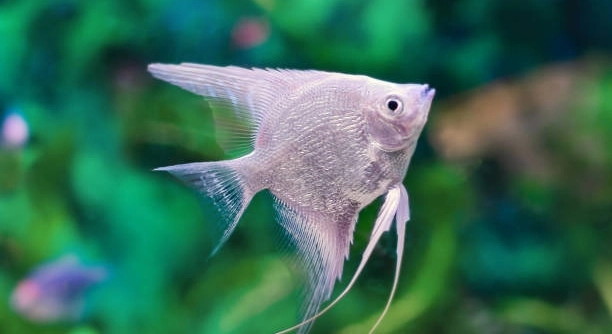
Angelfish are beautiful and delicate creatures that require specific conditions to thrive. Ensuring your tank meets their needs is essential for their well-being. A key factor in this is providing them with the right water temperature.
The primary reason your angelfish tank needs a bigger heater is that angelfish are tropical fish that require consistent, warm water. If your heater is too small, it may not maintain the necessary temperature range, leading to stress or health issues.
By adjusting the heater, you’ll ensure a stable environment for your angelfish. This simple change can make a significant difference in their overall health and happiness.
Why Tank Size Matters for Your Angelfish Heater
When it comes to heating your angelfish tank, size really does matter. A small heater might seem sufficient, but as the tank gets bigger, the heater struggles to keep the water at a consistent, warm temperature. This can lead to cold spots that stress your fish. Angelfish are sensitive to temperature fluctuations, and even a slight drop can make them vulnerable to illness.
A larger heater ensures that the water stays evenly warm across the entire tank. This creates a stable environment for your angelfish, promoting their health and reducing stress. By matching the heater’s capacity to the tank size, you’re providing the right conditions for your fish to thrive.
If your heater is too small for your tank size, it will work harder and may overheat, potentially causing damage to the tank or the heater itself. Investing in a larger heater provides long-term benefits, keeping the water at the proper temperature with less strain on your equipment.
Heater Wattage and Its Effect on Angelfish Care
The wattage of your heater plays a major role in ensuring your tank remains warm enough. A heater with insufficient wattage will struggle to maintain the correct temperature.
Selecting the right wattage is essential. As a general rule, aim for 5 watts per gallon of water. For example, a 30-gallon tank would need a 150-watt heater to provide the proper warmth. This helps avoid temperature fluctuations that can stress your angelfish, ensuring they live in a comfortable environment. The right wattage also makes it easier for the heater to maintain a consistent temperature.
If the wattage is too low, the heater will overwork, leading to inefficiency. Too much wattage can lead to overheating. Finding the right balance is key to keeping your angelfish healthy.
Consistent Temperature for Healthy Angelfish
Maintaining a consistent temperature is crucial for angelfish health. Fluctuating temperatures can stress them out and make them more susceptible to diseases. A larger heater helps keep the water at a stable, ideal temperature.
Angelfish thrive in temperatures between 75°F and 82°F. A larger heater can ensure that the temperature stays within this range, without sudden drops or spikes. Sudden changes can harm their immune systems, leading to illness. By investing in a properly sized heater, you reduce the risk of temperature-related health issues.
For a healthy, thriving aquarium, monitor the temperature regularly to ensure the heater is working effectively. If the temperature fluctuates too much, it’s a sign that the heater might not be large enough for your tank.
Avoid Heater Failures
A heater that’s too small for your tank can fail over time, leaving your angelfish in cold water. This can happen when the heater has to work harder than it’s designed to.
Overworking the heater leads to overheating and can cause it to burn out more quickly. A larger heater can distribute heat more evenly and consistently, preventing these failures. Heaters that don’t need to work constantly are more reliable and last longer.
Taking care of your heater by choosing the right size also ensures your tank stays safe for your angelfish. The right heater isn’t just about maintaining warmth but also about prolonging the lifespan of your equipment.
Heater Placement and Efficiency
Where you place the heater can affect how efficiently it warms the tank. Heaters placed in areas with strong water flow might not warm evenly.
Ensure your heater is placed in a location with good circulation but not directly in front of a filter. This allows the heat to distribute across the tank more evenly. Proper placement reduces hot spots and ensures the entire tank reaches the desired temperature.
Proper placement can prevent damage to the heater and also help maintain consistent warmth throughout the tank. It’s also important to avoid placing the heater near the tank’s glass, as the heat can cause the glass to crack over time.
Monitoring Heater Performance
Regularly checking the performance of your heater is essential for preventing temperature-related issues.
Using a thermometer to monitor the water temperature is a simple but effective way to ensure the heater is working correctly. If the temperature fluctuates, it may indicate that your heater is undersized or malfunctioning. Regular monitoring keeps you ahead of potential problems.
Avoiding Overheating
A heater that’s too small can overheat, leading to dangerous situations.
Small heaters that aren’t capable of keeping up with the tank size may overheat and cause sudden temperature spikes, which can stress or harm your angelfish. Choosing a properly sized heater helps avoid this risk.
FAQ
What size heater do I need for my angelfish tank?
For a standard angelfish tank, the general rule is to use 5 watts of power per gallon of water. So, if you have a 30-gallon tank, you’ll need a 150-watt heater. The larger the tank, the higher the wattage required to maintain a stable temperature.
Can I use a small heater for a big tank?
While you can use a smaller heater, it may not provide the consistent warmth your angelfish need. Small heaters often struggle to maintain the right temperature in larger tanks, leading to stress or health problems for your fish. It’s best to match the heater’s wattage to your tank’s size.
How can I tell if my heater is working properly?
Regularly checking the temperature with a reliable thermometer is the easiest way to see if your heater is working. If the water temperature fluctuates, it may indicate that the heater is undersized or malfunctioning. A consistent temperature is essential for angelfish health.
What happens if the heater is too large for my tank?
Using a heater that’s too large can lead to overheating. Sudden temperature spikes can stress your angelfish, and in extreme cases, it can cause burns or even death. Always choose a heater that’s suitable for your tank size to ensure safe and consistent heating.
Do I need a backup heater for my tank?
It’s a good idea to have a backup heater, especially if you live in areas where power outages are common. A backup heater ensures that your angelfish stay in a stable environment if your primary heater fails. It’s better to be safe than sorry when it comes to your fish’s health.
How often should I replace my heater?
Heaters should typically be replaced every 3-5 years, depending on usage and the manufacturer’s guidelines. If your heater is no longer maintaining a consistent temperature or if it shows signs of wear, it’s time to replace it. Regular monitoring will help you catch these issues early.
Is it okay to have multiple heaters in one tank?
Yes, you can use multiple heaters in larger tanks to ensure an even temperature distribution. Place them at different points in the tank to help the heat spread more evenly. Just make sure the total wattage matches your tank size.
Can angelfish tolerate cooler water temperatures?
Angelfish are tropical fish, and they require warm water to thrive. While they may tolerate slightly cooler water for short periods, temperatures below 75°F can cause stress and weaken their immune systems. Prolonged exposure to cold water can lead to illness.
How do I adjust the temperature on my heater?
Many modern heaters come with a built-in thermostat, allowing you to easily adjust the temperature. If your heater doesn’t have a thermostat, you’ll need an external one to control the temperature. Make sure the temperature is consistent with the needs of your angelfish.
Can a heater harm my angelfish?
If not maintained properly, a heater can harm your angelfish. An undersized or malfunctioning heater may cause water temperature fluctuations, leading to stress and illness. An oversized heater can overheat the water, causing burns or even death. Regularly check your heater to ensure it’s working correctly.
What should I do if my angelfish are acting stressed?
If your angelfish are showing signs of stress, such as hiding, lethargy, or abnormal swimming patterns, check the water temperature first. Stress can be caused by fluctuating or inadequate temperatures. Ensure your heater is working properly and that the water temperature is within the ideal range (75°F to 82°F).
How do I prevent my heater from overheating?
To prevent overheating, use a properly sized heater for your tank. A thermostat-controlled heater will help regulate the temperature. Avoid placing the heater near strong water flow or in areas where it could be exposed to extreme conditions. Regularly monitor the temperature to ensure the heater is not overworking.
Can I use a submersible heater in my angelfish tank?
Yes, submersible heaters are a popular choice for angelfish tanks because they are efficient and easy to install. Just ensure the heater is rated for the size of your tank. Submersible heaters can be placed under the water’s surface, making them less visible and more discreet.
What are the benefits of using a larger heater?
A larger heater can maintain a more consistent temperature throughout the tank. It doesn’t have to work as hard to keep the water warm, reducing the risk of overheating or burning out. Larger heaters also tend to last longer and are more reliable than smaller ones.
How can I maintain my heater to ensure it lasts longer?
To maintain your heater, clean it regularly to remove any buildup of debris or calcium deposits. Always follow the manufacturer’s guidelines for cleaning. Keep the heater free from dirt or algae growth, which can interfere with its efficiency. Regular monitoring also helps catch any issues early.
Should I turn off the heater at night?
It’s generally unnecessary to turn off your heater at night. Angelfish require a stable, warm environment around the clock. Turning off the heater can cause fluctuations in temperature, which can stress your fish. Ensure the heater is set to maintain a constant temperature day and night.
What if my heater is making noise?
If your heater is making unusual noises, it may be a sign of damage or malfunction. Gurgling sounds are common in certain types of heaters, but persistent rattling or bubbling could indicate an issue. If the noise continues or if the heater isn’t maintaining the temperature, it may need to be replaced.
Is a glass or titanium heater better for angelfish tanks?
Both glass and titanium heaters can be effective for angelfish tanks. Glass heaters are widely available and affordable, but they can break easily if mishandled. Titanium heaters are more durable and resistant to breakage, making them a better choice for larger tanks or those with more active fish.
Final Thoughts
Choosing the right heater for your angelfish tank is essential for maintaining a stable and healthy environment. Angelfish thrive in temperatures between 75°F and 82°F, so it’s important to select a heater that can consistently maintain this range. A heater that is too small for your tank will struggle to keep the water warm, while one that is too large may cause overheating. Ensuring that the heater is properly sized for your tank will help provide the right conditions for your angelfish to flourish. Regular maintenance, such as cleaning the heater and monitoring the temperature, will also keep your tank in the best possible condition.
Besides size, the placement of the heater in your tank can impact its effectiveness. Make sure that the heater is positioned where water flow is optimal, but not directly in front of a filter, as this could result in uneven heating. It’s also a good idea to use a thermometer to check the water temperature regularly, especially during seasonal changes or if you notice any unusual behavior from your fish. This will help ensure that the heater is doing its job and that your tank’s temperature remains consistent. A stable environment is vital for the health and well-being of your angelfish.
Lastly, always keep an eye on your heater’s performance. Even the best heaters can malfunction over time, and it’s important to be proactive in checking for any issues before they become bigger problems. If you notice any fluctuation in the temperature, strange noises from the heater, or other signs of malfunction, it’s best to replace the heater right away. Investing in a reliable heater and taking steps to maintain it can help create the ideal environment for your angelfish and keep your tank running smoothly.

Hello,
If you enjoy the content that we create, please consider saying a "Thank You!" by leaving a tip.
Every little bit helps us continue crafting quality advice that supports the health, happiness, and well-being of pets around the world, for pets of all shapes, sizes, and species.
We really appreciate the kindness and support that you show us!