
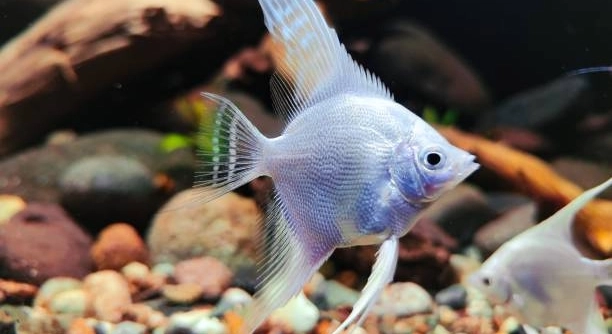
Angelfish are known for their graceful swimming patterns, but if yours is swimming upside down, it can be concerning. Understanding the potential causes can help you address this issue and ensure your fish remains healthy.
Several factors may cause angelfish to swim upside down. These include swim bladder disease, improper water conditions, or injury. Overfeeding, stress, or a lack of proper nutrition can also contribute. Identifying the root cause is crucial for effective treatment.
Understanding the reasons behind this behavior can help prevent future problems and improve your angelfish’s overall well-being.
Swim Bladder Disease
Swim bladder disease is one of the most common causes of angelfish swimming upside down. The swim bladder controls the fish’s buoyancy, and when it is damaged or infected, it can cause abnormal swimming behavior. This condition can result from a bacterial infection, injury, or even overfeeding. Swollen or enlarged swim bladders can prevent the fish from swimming properly, leading it to flip over or float sideways.
Overfeeding is a common cause of this issue, as it can lead to constipation, which in turn impacts the swim bladder. Stress, temperature changes, and poor water conditions may also trigger swim bladder problems. Fish with this disease may appear bloated or have difficulty maintaining proper orientation in the tank.
To help manage this condition, it’s important to monitor your angelfish’s diet carefully. Avoid overfeeding and ensure they are getting the proper nutrients. If swim bladder disease is suspected, adjusting water temperature and treating with medication may help relieve the issue.
Poor Water Quality
Poor water quality can lead to various health issues, including abnormal swimming.
Angelfish are particularly sensitive to changes in water parameters. Elevated levels of ammonia, nitrites, and nitrates can lead to stress and affect the fish’s ability to swim properly. Regular water testing and maintenance are key to preventing such issues.
Overfeeding
Overfeeding is a frequent cause of swim issues in angelfish. When too much food is provided, it leads to digestive problems, which can affect buoyancy. Excess food can cause bloating and stress, triggering upside-down swimming behavior.
A healthy feeding schedule for angelfish includes small amounts of food twice a day. If the fish struggle to consume all the food, it’s better to reduce the quantity. Overfeeding also contributes to poor water quality, which exacerbates swimming difficulties. This is why portion control and regular tank cleaning are essential to prevent further complications.
Fish with overfeeding-related swim problems may show signs of bloating or floating uncontrollably. Monitoring feeding times and using high-quality fish food will also improve their digestion. Ensure to remove any uneaten food promptly to avoid water contamination. Proper feeding habits, combined with good tank care, can prevent swim bladder stress and other health issues.
Stress
Stress can disrupt an angelfish’s behavior, including causing it to swim upside down. Factors such as tank overcrowding, incompatible tank mates, or rapid changes in water temperature can lead to significant stress. Angelfish thrive in peaceful environments with stable conditions.
When stressed, angelfish may experience poor digestion and difficulty swimming, which can result in unusual movements, including upside-down swimming. This stress impacts their immune system, making them more vulnerable to diseases like swim bladder disorder. Providing a calm and well-maintained tank environment can help alleviate stress-related issues. Regularly check water quality, tank size, and compatibility of tank mates to ensure a peaceful living space for your angelfish.
Injury
Injuries can disrupt an angelfish’s swimming ability. If your fish has suffered a bump or scrape, it might struggle to swim properly. Injuries can damage the swim bladder or other body parts, causing abnormal movements like flipping upside down.
Angelfish injuries may happen from sharp objects in the tank or aggressive tank mates. If you notice an injury, remove the fish from potential dangers and monitor its healing. Medications and salt baths may help reduce infection and promote recovery. Injured fish may also benefit from a calm environment to avoid further stress.
Lack of Nutrition
A lack of proper nutrition can affect your angelfish’s buoyancy. If they are not getting enough essential vitamins and minerals, it could result in swim bladder problems and upside-down swimming.
Feed your angelfish a balanced diet with high-quality food that includes the necessary nutrients. Some foods should be given more frequently, like protein-rich foods for young or growing fish. Offering a variety of food will help ensure they get a balanced diet. Nutritional deficiencies can weaken your fish’s immune system and cause swimming issues.
Water Temperature
Angelfish require a specific water temperature to thrive. Water that is too cold or too hot can cause stress and disrupt their swimming ability. A stable temperature range between 76-82°F (24-28°C) is ideal for angelfish.
Extreme temperatures can slow down metabolism or cause physical discomfort. If the water temperature is fluctuating, it can affect your fish’s ability to maintain proper buoyancy. Use a reliable aquarium heater to regulate temperature and ensure consistency. This small adjustment can significantly improve your angelfish’s health and prevent swimming problems.
FAQ
Why is my angelfish swimming upside down?
There are several possible reasons why your angelfish might be swimming upside down. Swim bladder disease is a leading cause, as it affects the fish’s buoyancy. Poor water quality, overfeeding, stress, injuries, and a lack of proper nutrition can also contribute. Identifying the root cause is essential for providing effective treatment and preventing further issues.
How can I treat swim bladder disease in angelfish?
To treat swim bladder disease, first, check your water quality and ensure that ammonia, nitrite, and nitrate levels are safe. If the water conditions are good, you can try adjusting the fish’s diet by offering high-quality, easily digestible food and fasting for a day or two. If the issue persists, using aquarium salt or medicated treatments designed for swim bladder disease might help. Always follow treatment instructions carefully, as the wrong approach can harm your fish.
Can overfeeding cause my angelfish to swim upside down?
Yes, overfeeding can lead to swim bladder problems. When angelfish eat more than they need, they may experience digestive issues that affect their buoyancy. The food that is not consumed can also lead to water quality issues, which further stresses the fish. It’s essential to feed your fish small portions of food twice a day and remove any uneaten food promptly to maintain a healthy tank environment.
What should I do if my angelfish is stressed?
To reduce stress, ensure that your angelfish’s tank environment is stable. This includes maintaining proper water temperature, quality, and pH levels. Check for potential stressors like aggressive tank mates or overcrowding. Provide enough space for the angelfish to swim comfortably, and make sure the tank is equipped with hiding spots to allow the fish to retreat when feeling threatened. Reducing stress can help improve their overall health and behavior.
Is it possible for angelfish to recover from swim bladder disease?
Yes, many angelfish can recover from swim bladder disease if caught early and treated properly. The success of treatment depends on the underlying cause, such as water quality, diet, or stress factors. With the right care and a stable tank environment, many fish can return to normal swimming behavior. In more severe cases, professional veterinary help might be required.
How can I prevent swim bladder issues in my angelfish?
Preventing swim bladder issues starts with maintaining a clean and stable tank. Regular water changes, proper filtration, and monitoring water quality are essential. Avoid overfeeding, and ensure your angelfish are getting the right amount of food. You can also offer a varied diet that includes both plant-based and protein-rich foods. Keeping the tank free from sharp objects and potential injuries will also help reduce risks.
Can temperature fluctuations affect my angelfish’s swimming behavior?
Yes, temperature fluctuations can affect angelfish swimming behavior. If the water temperature is too high or too low, it can cause stress and impact the fish’s buoyancy. Angelfish thrive in a stable temperature range of 76-82°F (24-28°C). Installing a reliable aquarium heater will help keep the temperature consistent, preventing stress and swim bladder issues.
What are the signs of an angelfish injury?
Injuries in angelfish may be visible as cuts, scrapes, or swelling on the body. An injured angelfish may swim erratically or have trouble staying upright. If you suspect your fish is injured, remove any sharp objects from the tank and avoid keeping aggressive tank mates that may cause further harm. Providing a calm environment can help the fish heal more quickly.
How do I know if my angelfish has a digestive issue?
Signs of a digestive issue in angelfish include bloating, constipation, or difficulty swimming. If your fish struggles to maintain its position or is floating upside down, digestive problems could be at fault. To address this, feed smaller portions of high-quality food and avoid overfeeding. Fasting for a day or two may also help with digestion. If the problem persists, consider consulting an aquarium professional for guidance.
Can tank mates affect my angelfish’s swimming behavior?
Yes, aggressive or territorial tank mates can stress angelfish, leading to erratic swimming behavior. If your angelfish is constantly being harassed, it may show signs of stress, including swimming upside down. Ensure that your angelfish shares the tank with peaceful species that will not provoke it. Also, provide plenty of hiding spots and space to reduce aggression.
How often should I clean my angelfish tank?
Regular tank cleaning is essential to maintain a healthy environment for your angelfish. Perform partial water changes (about 25-30%) once a week to remove waste and maintain water quality. Clean the substrate and remove any uneaten food or debris. Check your filtration system regularly to ensure it’s functioning well. A clean tank helps prevent issues such as swim bladder disease and stress.
What should I do if my angelfish doesn’t seem to be eating?
If your angelfish isn’t eating, check for any changes in water quality, temperature, or potential stressors. Fish can lose their appetite due to poor water conditions or aggression from tank mates. Try offering different types of food, including live or frozen options, to entice them. If the fish continues to refuse food, it may be a sign of an underlying health issue, such as swim bladder disease or an infection, and further investigation may be needed.
Final Thoughts
Understanding the reasons why your angelfish may be swimming upside down is crucial for identifying the problem and taking corrective action. There are several potential causes, including swim bladder disease, poor water quality, overfeeding, and stress. By addressing these factors, you can help your angelfish recover and prevent further issues. Monitoring water quality regularly and maintaining a stable environment are key steps to keeping your fish healthy. Additionally, ensuring your angelfish receives a balanced diet, with the right amount of food, will also contribute to its overall well-being.
Taking quick action when you notice abnormal swimming behavior can improve your angelfish’s chances of recovery. If you suspect swim bladder disease, adjusting your angelfish’s diet, providing a proper water environment, and adding aquarium salt can help alleviate symptoms. If the problem persists, you might need to consult an aquarium professional or seek veterinary help. Addressing any injuries or stress factors is also essential, as these issues can exacerbate swimming difficulties. Being proactive about the health of your fish can help ensure its long-term survival and comfort.
Overall, the key to solving swimming problems in angelfish lies in careful observation and timely intervention. By maintaining optimal tank conditions, monitoring your fish’s behavior, and offering the right care, you can improve their quality of life. Regular tank maintenance, proper nutrition, and reducing stress factors will go a long way in preventing future issues. With the right attention and care, your angelfish can return to its normal, healthy swimming habits and thrive in its environment.

Hello,
If you enjoy the content that we create, please consider saying a "Thank You!" by leaving a tip.
Every little bit helps us continue crafting quality advice that supports the health, happiness, and well-being of pets around the world, for pets of all shapes, sizes, and species.
We really appreciate the kindness and support that you show us!