
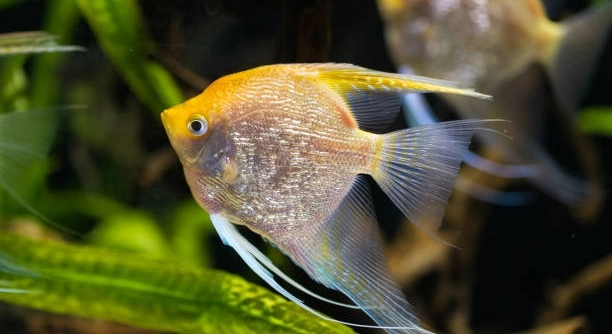
Angelfish are usually calm and peaceful creatures, but sometimes they can suddenly become aggressive for no apparent reason. Understanding the cause behind this change can help bring peace back to your aquarium.
Aggression in angelfish can be triggered by various factors, including stress, poor water conditions, territory disputes, or even changes in their environment. Identifying the root cause can help you address the issue and restore harmony.
There are several things to consider when trying to reduce your angelfish’s aggression. Understanding the causes behind it will help you take the necessary steps for a more peaceful tank.
Poor Water Conditions
Your angelfish can become aggressive if the water quality in your tank is not up to standard. Fish are highly sensitive to changes in water temperature, pH levels, and ammonia or nitrite levels. If the water conditions aren’t ideal, your angelfish may experience stress, which can cause them to act out. Poor water quality also makes it difficult for the fish to thrive, leading them to become more territorial or defensive. These changes in behavior are often linked to an unhealthy environment, so it’s important to regularly monitor and adjust water parameters.
Poor water conditions are one of the main reasons fish exhibit aggressive behaviors. Test the water regularly to ensure ammonia, nitrite, and nitrate levels are low, and that the pH and temperature are stable.
To keep your angelfish calm, make sure their environment is clean and consistent. Regular water changes and the use of a quality filtration system can help maintain a healthy habitat. If water quality is not addressed, aggression may continue and even worsen. Make sure to keep an eye on the tank’s parameters and adjust them when necessary.
Tank Mates
Aggression in angelfish may stem from tank mates that they feel threatened by. Angelfish are semi-aggressive by nature and can become territorial, especially when housed with fish that have similar body shapes or size. Species like other angelfish, large tetras, or cichlids can trigger territorial disputes, which often lead to fighting. Having the right mix of tank mates is crucial to preventing aggression.
Choosing peaceful tank mates for angelfish is essential. Smaller, non-aggressive species are less likely to provoke your angelfish.
If you’re seeing aggression, try rearranging the tank or introducing new tank mates carefully. Avoid placing fish that are too similar in appearance or behavior next to your angelfish. Providing enough space and hiding spots for each fish can also help reduce the chance of territorial fights.
Stress from Overcrowding
Angelfish can become aggressive when they feel overcrowded in their tank. Too many fish in a small space create competition for food, hiding spots, and territory. When your fish don’t have enough room, stress builds, and aggression may follow. Ensuring your tank is properly sized for the number of fish is key to keeping things peaceful.
Overcrowding leads to constant stress for angelfish, causing them to become territorial and defensive. They may start fighting to establish dominance or protect their space. Even if you maintain good water quality, overcrowding still triggers aggression. Always ensure your tank has enough room for your fish to swim freely.
To prevent overcrowding, research the appropriate stocking levels for your tank. It’s important to allow at least 10 gallons of water per adult angelfish, especially if you plan on adding other species. Providing ample space, proper filtration, and a few plants or decorations to create hiding places can help minimize aggression caused by overcrowding.
Inadequate Hiding Spots
Angelfish often feel more comfortable with plenty of hiding spots in their tank. Without hiding spots, they can feel vulnerable, and this can lead to increased stress and aggression. If they don’t have a place to retreat to when they feel threatened, they might lash out at other fish or become territorial. Creating a more secure environment can make a big difference in their behavior.
Adding plants, rocks, or driftwood to your tank can help give your angelfish a sense of security. These hiding spots provide angelfish with places to retreat when they feel overwhelmed or stressed. A few well-placed decorations can reduce aggressive interactions by allowing each fish to establish its own territory within the tank.
Ensure that your tank has enough decorations and hiding spots for all the fish in the tank. Angelfish are peaceful by nature but need space to retreat and hide. If aggression continues, consider adding more structures or adjusting the tank layout to create a less stressful environment for your angelfish.
Incompatible Tank Conditions
Angelfish can become aggressive if the water temperature, pH, or hardness isn’t suitable for them. These fish thrive in slightly acidic water with a temperature of around 76-84°F. If these conditions aren’t met, your angelfish may act out due to discomfort or stress.
To keep angelfish happy, make sure their tank environment is within the right temperature and pH range. A sudden change in water conditions can trigger anxiety or territorial aggression. Stability is key for peaceful behavior. Regularly test water parameters to ensure everything is in check, and adjust as needed.
Sexual Aggression
Angelfish can exhibit aggression during breeding periods. Male angelfish may become more territorial or aggressive when protecting a mate or their eggs. This behavior is natural, but it can cause problems if it affects other fish in the tank. It’s important to manage the environment during breeding.
Breeding can lead to spikes in aggression, especially if there is competition for mates. To reduce this, ensure plenty of space and hiding spots. Avoid placing incompatible tank mates with your angelfish during this period. Monitor the tank closely to minimize disruptions caused by breeding behavior.
Overfeeding
Overfeeding your angelfish can lead to stress, making them more likely to act aggressively. Uneaten food can quickly decay and pollute the water, leading to poor water quality. If your fish feel unwell due to poor conditions, they may act out, becoming more territorial or defensive.
It’s essential to feed angelfish only what they can consume in a few minutes. Overfeeding not only harms water quality but also increases competition for food, which can contribute to aggression. Feeding smaller amounts more frequently is often a better approach to keep the tank peaceful and clean.
FAQ
Why is my angelfish attacking other fish?
Aggression in angelfish can happen for several reasons. It could be due to territorial disputes, competition for food, stress from overcrowding, or poor water quality. Angelfish can also become aggressive during breeding periods, where males might guard their mate or eggs. If your angelfish is attacking other fish, first check the water conditions, ensure enough space in the tank, and consider if the tank mates are compatible.
How do I stop my angelfish from being aggressive?
To reduce aggression, ensure that your tank has enough space for your angelfish and its companions. Regularly test the water to keep parameters in the ideal range. Add hiding spots and decorations to create a more comfortable environment. You can also rearrange the tank layout to disrupt territorial behavior. Avoid keeping other aggressive or similar-sized species that might provoke your angelfish.
Can angelfish live with other aggressive fish?
Angelfish are generally peaceful but can become territorial, especially when they feel threatened. They may struggle to live with other aggressive fish, especially species that are similarly sized or share similar temperaments. It’s best to avoid placing them with fish like cichlids, large tetras, or other territorial species to prevent conflicts.
How do I know if my angelfish is stressed?
Signs of stress in angelfish include erratic swimming, hiding, excessive fin clamping, loss of appetite, or a change in coloration. If your angelfish is consistently showing these signs, it may be due to poor water quality, overcrowding, or aggressive tank mates. Addressing these issues can help relieve stress and restore normal behavior.
Can water temperature affect angelfish aggression?
Yes, water temperature plays a significant role in angelfish behavior. If the temperature is too high or too low, it can cause stress, which may lead to aggression. Angelfish prefer a stable water temperature between 76-84°F (24-29°C). Fluctuating temperatures can cause discomfort, leading to territorial behavior or conflicts with tank mates.
What size tank do angelfish need?
Angelfish need a tank that is at least 20 gallons for a single fish, but larger tanks are better for a peaceful environment, especially if you’re keeping more than one. Larger tanks provide more space to reduce territorial aggression. For multiple angelfish, you’ll want a tank of 30 gallons or more to keep them comfortable.
Can I keep multiple angelfish together?
Yes, you can keep multiple angelfish together, but they need enough space to avoid aggression. A tank of at least 30 gallons is recommended for multiple angelfish. They can be territorial, especially during breeding, so providing plenty of hiding spots and visual barriers can help reduce conflicts. If aggression occurs, consider separating them temporarily or rearranging the tank.
What are the best tank mates for angelfish?
The best tank mates for angelfish are peaceful species that won’t compete for space or food. Consider fish like neon tetras, Corydoras catfish, and small peaceful species such as guppies. Avoid aggressive or fin-nipping species that might provoke your angelfish. Also, ensure that all fish are compatible in terms of size and temperament.
How can I make my angelfish feel more secure?
To make your angelfish feel more secure, add plants, rocks, and decorations that create hiding spots and territories. Providing plenty of cover allows them to retreat when feeling threatened. Keep the tank water clean and stable, as this helps reduce stress. Regular water changes and proper filtration will ensure a healthy and peaceful environment.
Can overfeeding cause aggression in angelfish?
Yes, overfeeding can lead to aggression in angelfish. Overfed fish may become territorial over food, leading to fights. Excess food can also pollute the water, affecting water quality and causing stress, which may increase aggressive behaviors. Feed your angelfish only what they can eat in a few minutes, and remove uneaten food promptly.
How often should I feed my angelfish?
Feed your angelfish 1-2 times per day. Offer only as much food as they can eat within 3-5 minutes to avoid overfeeding and pollution in the tank. It’s important to feed them a balanced diet, such as pellets, flakes, and live or frozen foods, to ensure they stay healthy without overeating.
Why are my angelfish fighting with each other?
Angelfish may fight with each other due to territorial disputes, especially if there aren’t enough hiding spots or space. Males may also become more aggressive during breeding periods when they are guarding a mate or eggs. To reduce fighting, ensure your tank is large enough and has plenty of hiding spots or visual barriers.
Can water hardness affect angelfish aggression?
Yes, water hardness can affect angelfish aggression. Angelfish prefer soft to moderately hard water, and extreme changes in water hardness can cause stress, leading to aggression. Regularly test the hardness of your water and adjust it to stay within the ideal range for angelfish (4-8 dKH). If the hardness is too high, you may need to soften the water.
How long should I wait before adding new fish to my angelfish tank?
Before adding new fish to your angelfish tank, make sure the tank is fully established, and the water parameters are stable. Wait at least 2-3 weeks after setting up a new tank to allow the water conditions to stabilize. When adding new fish, monitor for any signs of aggression, especially if your angelfish are already territorial.
What are the signs of a healthy angelfish?
A healthy angelfish will have bright colors, swim gracefully, and have smooth, fully extended fins. They will be active and social, without signs of fin clamping, lethargy, or loss of appetite. Their gills should move evenly, and they should not exhibit signs of distress or unusual behavior. Healthy fish are usually well-fed and in good physical condition.
Can angelfish aggression affect other fish in the tank?
Yes, angelfish aggression can affect other fish in the tank. If your angelfish becomes overly territorial or aggressive, it may chase or nip at other fish, leading to stress and potential injury. It’s essential to ensure that your tank has enough space and hiding spots to reduce conflict and maintain peace.
Final Thoughts
Angelfish are beautiful and peaceful creatures that generally thrive in a calm, well-maintained tank. However, there are many factors that can cause them to become aggressive. Stress, poor water conditions, overcrowding, and incompatible tank mates can all lead to behavior changes. It’s important to address these issues as soon as they arise to maintain a peaceful environment for both your angelfish and the other fish in your tank. Monitoring water quality, ensuring there is enough space, and choosing the right tank mates are all vital steps in keeping your angelfish calm.
Aggression in angelfish can often be traced back to the way they perceive their environment. If they feel threatened, overcrowded, or uncomfortable, they will become more territorial and defensive. During breeding periods, even the most peaceful angelfish can display aggressive behavior as they protect their mate and eggs. By understanding the causes behind this aggression, you can take proactive steps to manage it. Creating a stress-free environment, providing hiding spots, and maintaining the right water conditions can all help reduce aggression in your tank.
In the end, your goal is to create an environment where your angelfish feel secure and comfortable. Taking the time to ensure proper tank size, water quality, and compatibility with other fish will help your angelfish thrive. If aggression continues despite these efforts, it may be necessary to separate the fish or adjust the tank setup to allow for more space and hiding spots. By paying attention to their needs, you can help your angelfish return to their peaceful nature and enjoy a harmonious aquarium.

Hello,
If you enjoy the content that we create, please consider saying a "Thank You!" by leaving a tip.
Every little bit helps us continue crafting quality advice that supports the health, happiness, and well-being of pets around the world, for pets of all shapes, sizes, and species.
We really appreciate the kindness and support that you show us!