
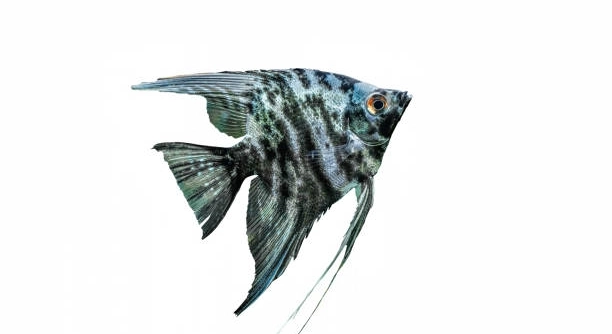
Angelfish are beautiful additions to aquariums, but their aggressive tendencies toward other fish can cause issues. If your angelfish has been bullying or even eating tankmates, it’s important to address the problem quickly.
The best way to stop angelfish from eating other fish is by addressing their environment, diet, and tank mates. Making the right adjustments, such as providing enough space, food, and compatible companions, can help prevent aggressive behavior.
There are several simple steps you can take to protect your other fish and ensure your angelfish remains peaceful. Keep reading to learn more about these helpful fixes.
Provide Enough Space in the Tank
Angelfish can become territorial, especially in smaller tanks. If the space is too cramped, they may feel the need to protect their area and act aggressively toward other fish. A larger tank provides room for everyone to spread out, reducing conflict.
The general rule is to have at least 10 gallons of water for each angelfish. This gives them space to swim freely, without feeling threatened by other fish. Ensuring there is enough space for all the fish helps create a more peaceful environment.
When you overcrowd your tank, aggression can escalate. Fish may start to fight over hiding spots, food, or territory, which makes it easier for an angelfish to attack. A bigger tank not only reduces stress for all your fish but also allows you to add more hiding places or plants, giving the angelfish and other fish places to retreat when they feel threatened. Providing this space helps keep your aquarium peaceful, ensuring that all your fish have enough room to live harmoniously.
Add Plenty of Hiding Spots
Adding hiding spots helps create a calmer environment. With places to retreat to, fish can escape any aggression and feel safer.
Consider adding rocks, plants, or decorations that offer shelter for the fish. These safe spaces make it less likely for angelfish to target other fish, especially when they need a break. Hiding spots allow your fish to establish their own safe zones within the tank, leading to less stress and fewer conflicts.
Feed Your Angelfish Properly
Proper nutrition can help reduce aggression. When angelfish aren’t getting enough food or are not satisfied with their diet, they may act out.
Ensure your angelfish get a balanced diet that includes both protein and plant-based foods. Offer high-quality flakes, pellets, and occasional treats like brine shrimp or bloodworms. By feeding them a variety of foods, you make sure they are getting all the nutrients they need, which can prevent them from becoming aggressive. If they are hungry or unsatisfied with their diet, they may take it out on their tank mates.
If you notice your angelfish becoming more aggressive, consider increasing the amount of food you provide or switching to a different type of food. You can also feed them more frequently in smaller portions to mimic their natural feeding behavior. Ensuring they have enough to eat will help curb any unnecessary aggression that might lead to eating smaller fish.
Choose Compatible Tankmates
Selecting the right tankmates can prevent fights before they happen. Angelfish do best with calm, peaceful fish that won’t threaten their territory.
Avoid housing angelfish with small or slow-moving fish, as they may become targets. Instead, choose fish that swim at similar speeds or are large enough to defend themselves. You can also choose fish with a similar temperament to avoid any power struggles. Keep in mind that even peaceful fish can become victims if they share the tank with aggressive angelfish.
Some good tankmate options for angelfish include tetras, gouramis, or peaceful catfish. Always research each species to ensure compatibility, and monitor their behavior for any signs of aggression. By carefully selecting tankmates that can coexist peacefully, you help reduce the risk of angelfish attacking other fish.
Maintain Consistent Water Conditions
Stable water conditions are important for reducing stress in angelfish, which can lead to aggression. Unstable water parameters can make fish feel vulnerable.
Make sure your tank’s water temperature, pH, and hardness are consistent. Frequent changes can cause stress, making angelfish more likely to behave aggressively. Regular water changes also help keep the environment clean, preventing issues that could make the fish more irritable.
Test the water regularly to ensure it stays within the ideal range for angelfish. Healthy, stable water conditions create an environment where fish feel safe and are less likely to show aggressive behaviors toward tankmates.
Separate Aggressive Angelfish
If one of your angelfish is particularly aggressive, separating it may be the best solution. Giving the aggressive fish its own space can prevent harm to other fish.
Use a separate tank or a fish divider to isolate the aggressive angelfish. This helps reduce stress for other fish and allows you to monitor its behavior. You can gradually reintroduce the angelfish to the main tank once it has calmed down, or keep it separate if the aggression persists.
Avoid Overfeeding
Overfeeding angelfish can lead to excess waste in the tank, contributing to poor water quality. Poor water conditions often trigger aggressive behaviors.
Feed your fish only what they can eat in a few minutes to avoid overfeeding. Excess food can also lead to competition for resources, which could spark aggression between fish.
FAQ
Why do angelfish eat other fish?
Angelfish may eat other fish due to their territorial nature or because they are hungry. They can become aggressive if they feel their space is threatened or if they are not receiving enough food. In some cases, angelfish will eat smaller or weaker fish, especially if they are stressed or their environment is not ideal. Overcrowding or poor water conditions can increase aggression, leading to the angelfish targeting other fish. Additionally, angelfish may sometimes mistake smaller fish for food, especially if they are hungry or if there is limited space in the tank.
Can angelfish live with other fish?
Yes, angelfish can live with other fish, but it’s essential to choose tankmates that are compatible. Angelfish do well with peaceful, medium-sized fish that swim at similar speeds. Smaller or slower fish may become targets for angelfish aggression. Some good tankmates include tetras, gouramis, and peaceful catfish. Avoid housing angelfish with aggressive species or those that might threaten their territory. A proper balance of tankmates ensures that the angelfish can coexist peacefully with others, reducing the risk of attacks.
How do I stop angelfish from being aggressive?
To stop angelfish from being aggressive, provide them with enough space, hiding spots, and proper nutrition. A tank size of at least 10 gallons per angelfish is ideal to reduce territorial disputes. Ensure the water conditions are stable, and the tank is not overcrowded. Feeding them a varied diet can also prevent hunger-driven aggression. Additionally, choose peaceful tankmates and avoid small or slow-moving fish that might be seen as easy targets. If the aggression continues, consider separating the aggressive angelfish to calm things down.
What size tank do angelfish need to avoid aggression?
Angelfish need a minimum of 30 gallons of water for a pair, with an additional 10 gallons per angelfish if you plan to keep more. Larger tanks give fish more space to swim, which reduces stress and territorial aggression. When the tank is too small, angelfish may feel crowded and more likely to become aggressive toward other fish. If you plan on having multiple angelfish, it’s best to have a 55-gallon tank or larger to allow them to have their own space.
How often should I feed my angelfish to prevent aggression?
Feed your angelfish once or twice a day, offering only as much food as they can consume in a few minutes. Overfeeding can lead to water quality issues, which may increase aggression. Feeding them too much can also result in competition between fish for food, leading to stress and aggression. Providing a varied diet with a mix of high-quality flakes, pellets, and occasional treats like brine shrimp or bloodworms will help ensure they are getting all the nutrients they need without excess food in the tank.
Are angelfish more aggressive during breeding?
Yes, angelfish can become more aggressive during breeding. They may defend their nesting area or eggs, which can lead to increased territorial behavior. If you notice aggression during breeding, it’s important to provide extra hiding places for other fish to retreat to. Separating breeding pairs or moving other fish to a different tank can help prevent conflicts. This behavior is natural, but it can create a tense atmosphere in the tank, so managing tankmates during this time is crucial.
Can angelfish eat too much?
Yes, angelfish can eat too much, leading to several problems. Overfeeding can cause water quality issues, as uneaten food decomposes and raises the levels of ammonia and nitrates in the tank. It can also lead to obesity in angelfish, which affects their health and behavior. Excessive feeding may also result in aggression, as fish compete for food. Stick to feeding your angelfish small amounts twice a day and adjust based on how much they eat. A well-balanced diet is key to keeping your angelfish healthy and content.
What are signs of stress in angelfish?
Stress in angelfish can manifest through changes in behavior, appearance, and health. You may notice that your angelfish becomes more aggressive, hides frequently, or loses its appetite. They may also display faded or dull colors. Stress can be caused by poor water quality, overcrowding, incompatible tankmates, or sudden changes in their environment. To reduce stress, ensure stable water conditions, avoid overfeeding, and provide enough space and hiding spots for your fish. Stress can weaken the immune system, so addressing it promptly is important for the fish’s well-being.
Can angelfish live with other types of cichlids?
Angelfish can live with other cichlids, but it depends on the species. Some cichlids are more aggressive and territorial, which can cause conflict with angelfish. Generally, angelfish do better with peaceful or moderately aggressive cichlids. Larger or more aggressive cichlids might pose a threat, especially if they feel their territory is being challenged. It’s important to consider the temperament of each species and ensure the tank provides enough space and hiding spots for everyone to coexist peacefully.
How can I tell if my angelfish is unhealthy?
Unhealthy angelfish often show physical signs, such as faded colors, frayed fins, or abnormal swimming behavior. They may become lethargic, stop eating, or appear bloated. If your angelfish is behaving differently than usual, check water conditions immediately. Poor water quality is a common cause of health problems in fish. If the water is clean and parameters are stable, consider the possibility of disease or parasites. Quarantine the affected fish if necessary and consult a vet or experienced aquarium owner if symptoms persist.
Final Thoughts
Taking care of angelfish and ensuring they get along with other tankmates requires attention to their environment and behavior. By providing a spacious tank, stable water conditions, and proper nutrition, you can help reduce the chances of aggression. Angelfish are territorial creatures, so they need enough room to feel comfortable. Smaller or overcrowded tanks increase stress, which can lead to fights or even angelfish attacking other fish. A bigger tank, combined with hiding spots, gives your fish more options to stay away from each other if they need a break, creating a more peaceful atmosphere overall.
Selecting the right tankmates is also crucial for preventing conflicts. Avoid keeping angelfish with very small or slow-moving fish, as these are more likely to be seen as easy targets. Peaceful fish that swim at similar speeds are the best companions for angelfish. Additionally, feeding your fish properly can make a big difference. A balanced diet, with a mix of protein and plant-based foods, helps ensure your angelfish stay healthy and satisfied. Hungry or malnourished fish are more likely to act aggressively, so keeping them well-fed is essential for reducing unwanted behavior.
Ultimately, it’s about maintaining balance. The more you understand your angelfish’s needs and the factors that influence their behavior, the easier it will be to create a harmonious tank environment. From choosing the right tank size and water conditions to selecting compatible fish and feeding them appropriately, you can reduce aggression and ensure all your fish thrive. Regular monitoring of both the fish and their environment will help you spot any issues early on. This way, you can make adjustments before any problems escalate, ensuring a peaceful and healthy aquarium for everyone.

Hello,
If you enjoy the content that we create, please consider saying a "Thank You!" by leaving a tip.
Every little bit helps us continue crafting quality advice that supports the health, happiness, and well-being of pets around the world, for pets of all shapes, sizes, and species.
We really appreciate the kindness and support that you show us!