
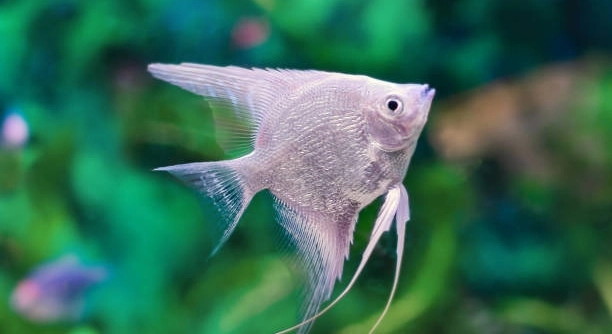
Angelfish are a beautiful and popular addition to any aquarium. Before you introduce one to your tank, it’s important to understand how they can affect the environment and the other fish. Proper preparation ensures success.
Before adding a new angelfish, ensure your tank is stable with proper water conditions, adequate space, and suitable companions. Be aware that angelfish are territorial and may require extra care to avoid conflicts. A well-prepared tank helps their smooth integration.
Understanding these essential tips will help you care for your angelfish and create a harmonious aquarium environment for all your fish.
Understanding Your Angelfish’s Temperament
Angelfish are known for their graceful appearance, but they can be quite territorial, especially in smaller tanks. It’s essential to know that they may not always get along with other fish, particularly those that are similar in size or shape. When adding a new angelfish to your tank, be ready to monitor their interactions. Keeping aggressive or overly passive species with them can lead to stress or conflict, which is something you want to avoid.
Creating a peaceful tank means understanding the specific behavior patterns of angelfish. Their territorial nature is strongest when they feel threatened or when they have to compete for space. In a crowded tank, they may become more aggressive, defending areas they consider theirs. Even with smaller tankmates, it’s a good idea to give them enough space to claim their own territory.
You should also consider whether the angelfish you plan to add is compatible with the current residents of your aquarium. A careful balance between tank size, environment, and fish temperament will help ensure peaceful cohabitation.
Water Quality and Conditions Matter
Water quality plays a significant role in the health of angelfish.
Angelfish thrive in well-maintained tanks with stable water parameters. Maintaining water temperature between 75°F and 82°F is ideal for them. You also want to keep the pH levels between 6.8 and 7.8. A stable water environment is essential for their well-being and successful integration.
A good filtration system is crucial in keeping the water clean. High-quality filtration reduces waste and keeps harmful chemicals at bay. Angelfish are sensitive to poor water conditions, so regular water changes and monitoring are necessary. Keep an eye on ammonia and nitrate levels. Frequent testing of water will help avoid issues before they arise.
Tank Size and Space Requirements
Angelfish need space to swim and explore. A tank that’s too small can cause stress, leading to health problems. The minimum recommended tank size for a single angelfish is 20 gallons, but bigger is always better.
In smaller tanks, angelfish may become more territorial and aggressive. With the right size tank, they’ll have room to establish their space and interact with other fish more peacefully. Larger tanks also help maintain more stable water conditions, which are essential for their health.
For a peaceful setup, aim for a 30-gallon tank if you plan to keep multiple angelfish or other species alongside them. This will reduce the chance of territorial disputes, allowing everyone to thrive.
Diet and Feeding
Angelfish enjoy a varied diet of both plant-based and protein-rich foods.
You can feed them high-quality pellets or flakes, but they also benefit from live or frozen food like brine shrimp, bloodworms, and daphnia. Offering a mix ensures they get all the necessary nutrients.
Overfeeding can lead to poor water quality, so it’s essential to feed them only what they can eat in a few minutes. Ensure they have access to fresh vegetables, like blanched spinach or zucchini. A balanced diet will not only keep your angelfish healthy but also help with their coloration.
Providing regular but controlled meals will promote a healthy, active angelfish, reducing stress and supporting their overall well-being.
Tank Mates and Compatibility
Angelfish can be peaceful, but they do best with calm tank mates.
Avoid keeping them with aggressive or very small fish, as they may bully or eat them. Suitable companions include other peaceful species like tetras, corydoras, and peaceful gouramis. Make sure everyone has their space.
Choose tank mates carefully to maintain harmony. Fast, small fish might become easy targets, and overly aggressive species could stress out the angelfish. When selecting tank mates, consider size, temperament, and swimming patterns to ensure compatibility.
Proper Tank Setup
Plants, rocks, and hiding spots make angelfish feel secure.
Angelfish like to explore, so adding live plants will help simulate their natural environment. Create a mix of open swimming spaces and areas with plants or decorations to offer shelter. A well-decorated tank also helps reduce stress and gives your fish a sense of comfort.
Adding driftwood or rocks provides additional places for angelfish to hide or rest. Plants like Java fern or Anubias are easy to care for and grow well in aquarium environments. These features will make your angelfish feel at home and help them stay active and healthy.
Monitoring Fish Behavior
It’s essential to keep an eye on your angelfish’s behavior.
Look out for signs of stress or aggression. If your angelfish starts chasing other fish or hiding excessively, it could indicate an issue with water quality or tank mates. Regular observation helps catch problems early.
FAQ
What temperature should the water be for angelfish?
Angelfish thrive in water temperatures between 75°F and 82°F. Keeping the temperature stable within this range will ensure they remain comfortable and healthy. Sudden temperature changes can stress angelfish, so using a reliable aquarium heater is a good idea to maintain consistency.
Can angelfish live with other fish?
Yes, angelfish can live with other fish, but it’s important to choose compatible species. Avoid keeping them with small or aggressive fish. Peaceful species like tetras, corydoras, and peaceful gouramis work well with angelfish. However, avoid fast-swimming fish or those that might nip at their fins.
How often should I feed my angelfish?
Angelfish should be fed once or twice a day. Offer only as much food as they can eat in a few minutes. Overfeeding can lead to poor water quality and health issues. A varied diet, including both plant-based and protein-rich foods, will keep them healthy.
What do angelfish eat?
Angelfish are omnivores and will eat a variety of foods. They enjoy high-quality flakes or pellets, but it’s best to include live or frozen foods like brine shrimp, bloodworms, and daphnia. They also appreciate blanched vegetables like spinach or zucchini for added nutrients.
Do angelfish need a filter?
Yes, a filter is essential for maintaining clean water in your angelfish tank. Angelfish are sensitive to poor water conditions, and a filter helps remove waste and toxins. Make sure to choose a filter that is appropriate for the size of your tank. Regular water changes are also important.
How big do angelfish get?
Angelfish typically grow to about 6 inches in length and can reach up to 8 inches when their fins are fully extended. Their size depends on tank conditions, diet, and the amount of space available. A larger tank allows them to grow to their full potential.
Can angelfish live alone?
Angelfish can live alone if needed, but they are social creatures. Having at least one other angelfish or peaceful tank mates is often better for their well-being. However, if you prefer a solitary fish, ensure the tank is large enough for them to feel secure.
How do I know if my angelfish is stressed?
Stressed angelfish may exhibit signs such as hiding, reduced activity, or aggressive behavior. You may also notice faded colors, fin clamping, or erratic swimming. Stress can be caused by poor water conditions, unsuitable tank mates, or insufficient space. Address these issues quickly to help your angelfish recover.
What size tank is best for angelfish?
For one angelfish, a 20-gallon tank is the minimum. However, a larger tank, such as a 30 or 40-gallon, is ideal if you plan to keep more than one angelfish or other fish. A bigger tank helps maintain water quality and reduces aggression.
How long do angelfish live?
Angelfish can live up to 10 years or more with proper care. A stable environment, good water quality, and a healthy diet will help them live a long and happy life. Regular tank maintenance and monitoring their behavior will keep your angelfish in top condition.
Why is my angelfish not eating?
If your angelfish is not eating, it could be a sign of stress, illness, or poor water quality. Check the water parameters and make sure the tank is clean. Additionally, try offering different types of food to see if they prefer something else. If the issue persists, consider consulting an aquarium professional.
How do I breed angelfish?
Breeding angelfish requires a well-maintained tank with clean water and the right conditions. You’ll need a breeding pair, and a separate breeding area is often recommended. The female will lay eggs on a flat surface, and the male will fertilize them. Monitor the eggs and provide appropriate care for the fry once they hatch.
Do angelfish need plants in their tank?
Plants are not required but are highly beneficial. Live plants create a natural environment, provide hiding spots, and help with water quality by absorbing excess nutrients. Angelfish also enjoy swimming around plants and resting in shaded areas. If you add plants, choose hardy species that do well in aquariums.
Are angelfish easy to take care of?
Angelfish are relatively easy to care for if their basic needs are met, but they do require some attention. Maintaining water quality, offering a balanced diet, and ensuring proper tank mates will help keep your angelfish healthy and happy. Regular monitoring of water parameters is important for long-term care.
How can I tell if my angelfish is a male or female?
It can be tricky to tell the difference between male and female angelfish. Generally, males have a more pointed dorsal fin, while females have a rounder, fuller body, especially when they are ready to breed. During breeding, the differences become more noticeable.
Can angelfish change color?
Yes, angelfish can change color based on various factors. Stress, water quality, and diet can all affect their coloration. Healthy and happy angelfish tend to display vibrant colors, while stress or illness can cause them to appear dull. Keep your angelfish in stable conditions to maintain their natural hues.
Final Thoughts
Angelfish can be a beautiful and captivating addition to your aquarium, offering grace and elegance with their flowing fins and unique colors. However, they require careful attention to their environment, as they are sensitive to water quality and their tank mates. When you introduce a new angelfish to your tank, it’s crucial to make sure your aquarium setup is suitable for them. This means considering the tank size, water temperature, and the other fish you’re keeping. If these factors are in place, your angelfish can thrive in a peaceful and healthy environment.
While angelfish are not the hardest fish to care for, they do require more attention than some other species. Regular water changes, proper filtration, and a balanced diet are essential for maintaining their well-being. They also need enough space to swim and explore, so avoiding overcrowded tanks is key to preventing territorial aggression. You should also monitor their behavior closely to catch any signs of stress or illness early on. Keeping track of their interactions with tank mates is also vital, as angelfish can be territorial and might not get along with certain species.
Overall, angelfish can be a rewarding fish to keep if you take the time to understand their needs. By providing the right tank conditions, choosing compatible tank mates, and maintaining their health through proper diet and water care, you can enjoy watching them flourish in your aquarium. With the right preparation and care, your angelfish can live a long, happy life and add a special touch of beauty to your aquatic world.

Hello,
If you enjoy the content that we create, please consider saying a "Thank You!" by leaving a tip.
Every little bit helps us continue crafting quality advice that supports the health, happiness, and well-being of pets around the world, for pets of all shapes, sizes, and species.
We really appreciate the kindness and support that you show us!