
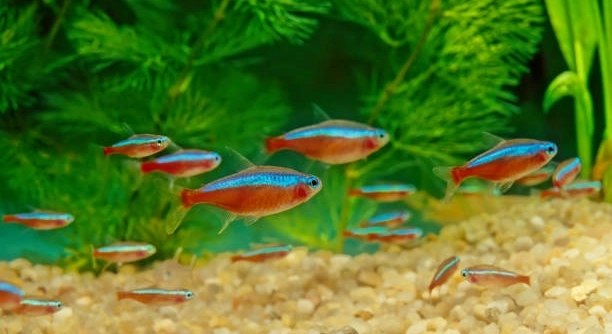
Neon Tetras are popular fish in home aquariums, admired for their vibrant colors. However, it’s not uncommon for owners to notice their Tetras avoiding open spaces. This behavior can be puzzling and frustrating for those who love their aquatic pets.
Neon Tetras often avoid open spaces due to a natural instinct for safety and security. In the wild, they stay close to plants or other structures to avoid predators, and this instinct carries over in captivity.
Understanding why your Neon Tetras behave this way can help you provide a more suitable environment for them. We’ll explore various reasons and offer tips on how to improve their well-being in your tank.
Natural Instincts and Survival Behavior
Neon Tetras are small fish that naturally avoid open spaces due to a deep-rooted survival instinct. In the wild, these fish live in densely vegetated areas or among rocks, which provide hiding spots from predators. This behavior is not just a quirk; it’s a survival mechanism that keeps them safe. In your tank, they may feel exposed in open areas without hiding spots like plants or decorations. While you might want to enjoy watching them swim freely, they may prefer staying in more secure, confined spaces.
They instinctively seek out areas that feel safer, like corners or spots near plants, rocks, or driftwood. This is especially true if they’re placed in a new or unfamiliar tank. In these cases, they’ll need time to adjust and feel comfortable.
If you notice this behavior after moving or rearranging your tank, consider adding more plants or hiding spaces. Creating a more secure environment will help your Tetras feel safer, and over time, they may become more confident in exploring open spaces.
Tank Size and Space
The size of your tank can greatly affect your Neon Tetra’s behavior.
A small tank can feel cramped and restrictive, causing your fish to retreat into corners. A larger tank with more swimming space allows them to feel more secure.
Neon Tetras thrive best in spacious environments, especially when kept in groups of six or more. In smaller tanks, they may feel vulnerable, leading them to avoid open areas. A bigger tank reduces their sense of confinement and provides ample space for them to swim and explore. The added space also allows for more plants, hiding spots, and swimming paths, making the environment feel safer. When you give them enough space, Neon Tetras are likely to swim more freely and confidently, balancing safety with comfort. So, ensure your tank is large enough to meet their needs, and the Tetras will start to behave less cautiously.
Water Conditions
Poor water conditions can make your Neon Tetras feel unsafe, prompting them to avoid open spaces.
Water quality is vital for Tetras to feel secure. If the water temperature, pH, or hardness is outside their preferred range, they will seek shelter. For Neon Tetras, the ideal water temperature is between 72°F and 78°F, with a pH of 6.0 to 7.0. Poor water parameters can stress them, causing them to hide more often. Regular water changes and proper filtration are essential to keeping the tank’s environment stable and stress-free. Keeping an eye on these factors can make a noticeable difference in their behavior.
If your Tetras are avoiding open spaces, testing the water for ammonia, nitrate, and nitrite levels is a good starting point. High levels of these substances indicate poor water quality, which can be harmful to fish. Make adjustments to the water parameters as needed, and always monitor the conditions regularly. A well-maintained aquarium will help your Neon Tetras feel secure and less likely to hide.
Tankmates and Social Interaction
Aggressive or overly active tankmates can stress your Neon Tetras.
If there are larger, more aggressive fish in the tank, your Tetras may feel threatened and retreat into safer areas. Neon Tetras are peaceful and shy, so tankmates like bettas, cichlids, or even overly active fish might make them feel unsafe. It’s crucial to pair them with non-aggressive species that won’t disrupt their calm nature. Tetras are schooling fish and feel more comfortable when kept in groups. A larger group helps them feel protected, reducing stress.
When choosing tankmates, make sure they are similarly peaceful and have compatible care requirements. Additionally, pay attention to the overall behavior in your tank. Sometimes, even fish that are generally peaceful can become territorial if they don’t have enough space. Providing plenty of hiding spots can help balance things out and give your Tetras a safe escape if needed. The right mix of tankmates will encourage your Tetras to feel secure and less likely to hide.
Lighting
Bright lighting can cause stress for Neon Tetras, making them avoid open spaces.
Neon Tetras are sensitive to light and prefer low to moderate lighting. Intense light can cause them to feel exposed and vulnerable, prompting them to seek refuge in darker areas or near plants. This is especially true if the light is too harsh or constant.
Providing shaded areas or dimming the lights can help. You can also use floating plants or aquarium decorations to block some of the light, giving your Tetras places to hide. It’s important to create a more natural environment for them, with gentle lighting that mimics their natural habitat.
Tank Decoration and Hiding Spots
Lack of proper tank decoration can make your Tetras feel insecure.
Neon Tetras are more likely to venture into open spaces if there are plenty of hiding spots. Adding plants, rocks, and driftwood creates a more secure environment, reducing their anxiety.
Decorations also provide a sense of structure, which encourages your Tetras to swim around confidently. Without these elements, they may feel exposed and retreat into corners. Try incorporating plants with different heights, as well as caves or tunnels, to create a more dynamic space for your Tetras. They’ll feel safer and more comfortable, leading to more natural behavior.
Feeding Time
Feeding habits can influence your Tetras’ behavior towards open spaces.
During feeding time, Neon Tetras are more likely to venture into the open, but if they’re stressed or frightened, they may hide instead.
FAQ
Why do Neon Tetras avoid open spaces?
Neon Tetras avoid open spaces due to their natural instincts. In the wild, they seek cover in plants or structures to avoid predators. This behavior is carried over into captivity, where they feel safer in confined or hidden areas. It’s not unusual for them to hide if they feel exposed. To make them feel more comfortable, ensure your tank has plenty of plants, rocks, and other structures to create hiding spaces.
Can I fix this behavior by adding more plants to the tank?
Yes, adding more plants can help reduce the anxiety that causes your Neon Tetras to avoid open spaces. Plants provide cover, making the environment feel safer and more natural for your Tetras. They’ll be more likely to swim freely if they have places to hide or explore when they need to. Floating plants, moss, and thick vegetation are especially effective at mimicking their natural habitat.
Does the tank size impact their tendency to avoid open spaces?
Yes, tank size does affect how comfortable your Neon Tetras feel in the open. Smaller tanks can make them feel cramped and more vulnerable. A larger tank with more swimming space can help them feel less confined and more secure. Neon Tetras are schooling fish, so providing a larger tank and keeping them in a group will help them feel safer.
What are the ideal water conditions for Neon Tetras?
Neon Tetras thrive in water that’s slightly acidic to neutral, with a pH between 6.0 and 7.0. The water temperature should be between 72°F and 78°F. Ammonia, nitrites, and nitrates should be kept to a minimum to avoid stress. Regular water changes and proper filtration will maintain these conditions. When the water quality is stable, your Neon Tetras will feel more comfortable swimming in open spaces.
Can aggressive tankmates cause Neon Tetras to avoid open spaces?
Yes, aggressive or territorial tankmates can stress your Neon Tetras. Fish like cichlids, bettas, or larger species may pose a threat to your Tetras. The stress caused by aggression can make them hide more often. It’s best to house Neon Tetras with peaceful, non-aggressive species. Avoiding aggressive fish and providing plenty of hiding spaces can help keep your Tetras calm and less inclined to avoid open areas.
Is it normal for Neon Tetras to be shy around new tankmates?
Yes, it’s normal for Neon Tetras to be shy when introduced to new tankmates. Like many fish, they need time to adjust to their new environment and companions. During this adjustment period, they may hide more frequently. Over time, as they get accustomed to the new fish, they should become more confident and explore the open spaces.
Can poor lighting affect how Neon Tetras behave in the tank?
Yes, lighting plays a significant role in the behavior of Neon Tetras. They prefer low to moderate lighting, as bright or constant light can make them feel exposed and stressed. If the lighting is too harsh, your Tetras may avoid open areas and seek cover in darker corners or near plants. To create a comfortable environment, try dimming the lights or adding more plants to provide shade.
How often should I feed my Neon Tetras to reduce their stress?
Feeding your Neon Tetras properly can reduce stress, but overfeeding can cause problems. Feed them small amounts once or twice a day. This will not only keep the water clean but also encourage healthy behavior. It’s important to observe their eating habits and adjust their diet if necessary. If they feel safe during feeding times, they’ll likely be more willing to swim freely.
Can water temperature affect their comfort in open spaces?
Yes, water temperature plays a role in how comfortable Neon Tetras feel in open spaces. If the water is too cold or too hot, it can cause stress, making your Tetras more likely to hide. Maintain a temperature between 72°F and 78°F to ensure they feel safe and comfortable. A stable temperature will encourage more natural behavior and less fear of open spaces.
Should I be concerned if my Neon Tetras continue avoiding open spaces?
If your Neon Tetras persistently avoid open spaces despite having appropriate hiding spots and tankmates, it may indicate underlying issues, such as poor water quality or stress from aggressive tankmates. Monitor their behavior and make necessary adjustments to their environment, such as improving water quality, dimming the lights, or changing the tankmates. If the behavior continues, consider consulting an aquarium expert or veterinarian for further advice.
In conclusion, it’s natural for Neon Tetras to avoid open spaces, as this behavior is rooted in their survival instincts. In the wild, they stay close to plants and structures to protect themselves from predators. This instinct is still present in captivity, where they may seek refuge in corners or areas with more cover. To help your Tetras feel more comfortable and confident swimming in open spaces, creating a tank environment that mimics their natural habitat is key. Adding plants, rocks, and driftwood can make a big difference in encouraging them to explore more freely.
Paying attention to water quality, tank size, and appropriate tankmates is crucial in managing this behavior. Tetras thrive in stable water conditions with temperatures between 72°F and 78°F, and a pH of 6.0 to 7.0. A larger tank will provide more space for them to move around, reducing the feeling of confinement. If your tank is too small or overcrowded, your Tetras may feel stressed, which can result in them hiding more often. Additionally, aggressive or territorial fish may make your Tetras feel threatened, causing them to retreat to more secure spots. Ensuring that your Tetras are housed with peaceful tankmates is essential for their well-being.
Lastly, it’s important to understand that some shy behavior is perfectly normal, especially when introducing new tankmates or making changes to their environment. Neon Tetras need time to adjust, and they may hide more during this period. By creating a calm, safe, and stable environment, you can reduce their stress and encourage more natural behavior. It’s essential to be patient and make adjustments as needed, so your Neon Tetras feel secure enough to explore open spaces. With a little effort and attention to detail, your Tetras can live a happy and healthy life in your aquarium.

Hello,
If you enjoy the content that we create, please consider saying a "Thank You!" by leaving a tip.
Every little bit helps us continue crafting quality advice that supports the health, happiness, and well-being of pets around the world, for pets of all shapes, sizes, and species.
We really appreciate the kindness and support that you show us!