
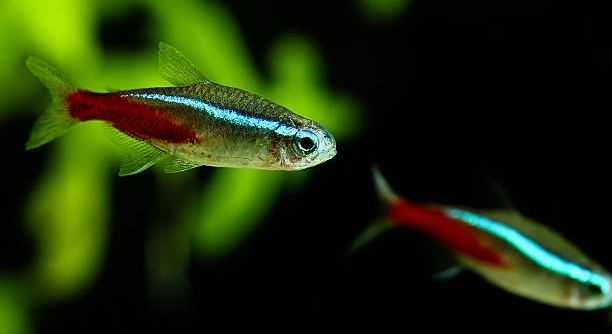
Neon Tetras are popular fish known for their vibrant colors and peaceful nature. Sometimes, you may notice them resting on plant leaves, which can be a bit puzzling. Understanding why this happens can help maintain their well-being.
Neon Tetras resting on plant leaves can indicate several factors such as stress, illness, water quality issues, or poor diet. Their behavior may also be influenced by temperature fluctuations, inadequate tank space, or lack of hiding spots, all of which impact their health.
Knowing the potential causes behind this behavior can guide you in resolving the issue. Understanding these factors will help you create a healthier environment for your fish, ensuring their long-term comfort and happiness.
Stress and Anxiety in Neon Tetras
Stress is a common reason why Neon Tetras may rest on plant leaves. When these fish feel threatened or anxious, they seek refuge in a safe place, like plants. Stress can be caused by many factors such as aggressive tank mates, sudden changes in the tank environment, or loud noises. If your Neon Tetras are frequently hiding or resting in unusual spots, it’s essential to identify and eliminate the stressors in their habitat.
When their tank environment is too stressful, their immune system weakens, making them more susceptible to illness. Stress can result in sluggish behavior, including excessive resting on leaves. Keeping their environment stable and peaceful is key to reducing anxiety.
To help reduce stress, ensure that tank mates are peaceful and that the tank is set up with plenty of hiding spots. Maintaining a calm and quiet environment can also keep your Tetras healthy and active.
Poor Water Quality
Water quality plays a major role in the health of Neon Tetras. If the water is too dirty or has imbalanced levels of ammonia, nitrate, or nitrite, your fish may try to find a comfortable spot to rest, often on plant leaves. Poor water conditions can cause stress and even lead to disease. Regular water changes and proper filtration are essential for keeping the water clean and safe for your fish.
Testing the water regularly and ensuring that the temperature and pH levels are suitable for Neon Tetras will keep them comfortable. When the water is polluted, it becomes difficult for them to breathe, and they may rest more often. Make sure to avoid overfeeding, as this can contribute to water contamination.
To maintain water quality, perform regular water tests, clean the tank frequently, and avoid overcrowding. Healthy water conditions are crucial to your Tetras’ well-being.
Illness or Disease
Neon Tetras that are sick may rest on plant leaves as a way to conserve energy. They may appear lethargic or show signs of poor swimming. Infections, parasites, or internal issues like digestive problems can make them seek out quiet places to rest. Identifying symptoms early is key.
If you notice your Tetras hiding more often or swimming abnormally, consider isolating the affected fish to prevent spreading illness. It’s important to maintain a quarantine tank for new arrivals to avoid introducing diseases. Treating the tank with the proper medications and improving water quality can help fish recover.
Neon Tetras can also develop parasites like velvet or ich, which cause lethargy and abnormal behavior. Keep an eye out for any visible changes, such as spots or discoloration on their bodies. Quick action can prevent these issues from becoming serious.
Inadequate Tank Space
If the tank is overcrowded, Neon Tetras may feel cramped and resort to resting on plants. Fish need space to swim freely and maintain healthy behaviors. Overcrowding can increase stress and lower the overall water quality, making fish more prone to illness.
The recommended tank size for Neon Tetras is at least 10 gallons for a small group. If your tank is too small, it can affect their movement and cause them to seek places like plant leaves for comfort. This behavior might also be a sign that they need more room to thrive.
To fix overcrowding, consider upgrading to a larger tank or reducing the number of fish. Giving each fish enough space allows them to feel secure and reduces unnecessary stress. Healthy, well-spaced tanks lead to happier, more active fish.
Temperature Fluctuations
Neon Tetras are sensitive to temperature changes in the tank. If the water is too hot or cold, they may rest on plant leaves, trying to conserve energy. Keeping the water at a stable temperature between 72-78°F is crucial for their comfort and health.
Sudden temperature shifts can shock your Tetras, leading to stress and lethargy. A consistent temperature will help them feel secure and encourage normal swimming behavior. Investing in a reliable heater and thermometer can prevent these issues.
Poor Diet
A poor diet can lead to Neon Tetras resting more often. If they’re not getting the proper nutrients, they may feel weak and lack energy. A balanced diet with a mix of high-quality flakes, pellets, and occasional live food is essential for their health.
Neon Tetras need a variety of foods to stay healthy. Providing them with food rich in vitamins and minerals helps boost their energy levels, keeping them active. Inadequate nutrition leads to poor immune function, making them more susceptible to illness, stress, and lethargy.
Lack of Hiding Spots
If your tank lacks hiding spots, your Neon Tetras might rest on plant leaves. These fish feel safer when they have a place to retreat from potential threats. A lack of shelter increases their stress and causes them to rest more frequently.
Providing plants, rocks, or caves for your fish to hide in gives them a sense of security. This helps to lower stress and keeps them active. Tetras, like many fish, feel safer in a well-decorated environment where they can escape from stressors when needed.
FAQ
Why is my Neon Tetra staying at the bottom of the tank?
Neon Tetras may stay at the bottom if the water temperature is too low, if the water quality is poor, or if they are sick. A change in water conditions or stress from aggressive tank mates could also cause this behavior. Ensure the water is clean, with a stable temperature, and check for any signs of illness in your fish.
Is it normal for Neon Tetras to rest on plant leaves?
Yes, it can be normal for Neon Tetras to rest on plant leaves, especially if they are feeling stressed, unwell, or the water quality is poor. They may seek these places for comfort. However, if this behavior is frequent, it’s important to check their environment and health.
How can I tell if my Neon Tetra is stressed?
Signs of stress in Neon Tetras include hiding more than usual, abnormal swimming patterns, loss of color, or staying in one spot for long periods. They may also show signs of aggression towards other fish or seem lethargic. Stress can be caused by poor water quality, overcrowding, or aggressive tank mates.
How do I fix poor water quality for my Neon Tetras?
To fix poor water quality, start by performing regular water changes, ideally 25% every week. Ensure your filter is working well and replace any old filter media. Test the water regularly for ammonia, nitrites, and nitrates, and adjust if needed. Keep the tank clean and avoid overfeeding.
What temperature should the water be for Neon Tetras?
Neon Tetras prefer water temperatures between 72-78°F (22-26°C). Sudden temperature fluctuations can stress them out, leading to abnormal behavior like resting more. Use a reliable heater and thermometer to maintain a consistent temperature within this range.
Can Neon Tetras live with other fish?
Yes, Neon Tetras are peaceful fish and generally do well with other small, non-aggressive species. They should not be housed with large or aggressive fish that may stress or harm them. Ideal tank mates include other small species like Corydoras or small livebearers.
What can I do to prevent Neon Tetras from becoming sick?
To keep your Neon Tetras healthy, ensure they have a balanced diet, clean water, and a stable tank environment. Avoid overcrowding, provide adequate hiding spots, and remove any uneaten food promptly. Regularly check their health for early signs of illness and quarantine new fish before introducing them.
How can I help my Neon Tetra get more active?
To encourage your Neon Tetra to swim more, provide a well-planted tank with hiding spots. Reduce stress by ensuring the tank has appropriate water conditions, such as stable temperature and good water quality. Offer a varied diet and avoid overcrowding to promote natural, active behavior.
Why is my Neon Tetra swimming erratically?
Erratic swimming could be a sign of illness, stress, or poor water quality. It might indicate that your fish is dealing with an infection, parasite, or injury. Make sure the water conditions are optimal and look for any other signs of illness, such as discoloration or lesions on their body.
Can Neon Tetras survive in tap water?
Neon Tetras can survive in tap water, but it must be conditioned properly. Tap water often contains chlorine or chloramine, which can be harmful to fish. Use a water conditioner to remove these chemicals before adding water to the tank. Also, make sure the pH and hardness levels are suitable for Neon Tetras.
How often should I feed my Neon Tetras?
Neon Tetras should be fed once or twice a day. Offer only as much food as they can eat in a few minutes to avoid overfeeding, which can degrade water quality. A balanced diet including flakes, pellets, and occasional live food ensures they stay healthy and active.
Why are my Neon Tetras losing color?
Neon Tetras can lose color due to stress, poor water quality, or illness. If the fish are stressed, they may become pale or dull in color. Ensure the water conditions are optimal and check for any signs of illness. A balanced diet rich in nutrients can also help maintain vibrant colors.
Can I keep Neon Tetras with plants?
Yes, Neon Tetras enjoy plants in their tank as they provide hiding spots and mimic their natural environment. Plants help reduce stress and provide places for them to rest. Live plants also contribute to water quality by absorbing excess nutrients and oxygenating the tank.
Are Neon Tetras easy to care for?
Neon Tetras are relatively easy to care for, making them ideal for beginners. They require clean water, stable temperature, and a balanced diet. However, like any fish, they need proper attention to avoid stress, illness, or poor water quality. Regular tank maintenance and monitoring are essential.
Why is my Neon Tetra swimming at the top of the tank?
If your Neon Tetra is swimming at the top of the tank, it might be struggling with oxygen levels or poor water quality. Low oxygen levels often occur in tanks with inadequate filtration or overcrowding. Make sure the filter is working properly and consider adding an air stone if needed.
Can Neon Tetras live alone?
Neon Tetras are social fish and do best when kept in groups of at least five or six. Keeping them alone can lead to stress and lethargy. A small school of Tetras provides companionship and helps them feel secure. It also encourages natural behavior, like swimming in groups.
Final Thoughts
Neon Tetras are peaceful and beautiful fish that thrive in a stable and well-maintained tank. When they are resting on plant leaves or behaving differently, it often signals a problem in their environment. Common causes include poor water quality, stress from temperature fluctuations, or a lack of hiding spots. These factors can affect their health and behavior, making it crucial to address any issues early on.
Maintaining good water quality, stable temperatures, and providing a balanced diet are all essential for keeping your Neon Tetras happy and healthy. Regular water changes and careful monitoring of the tank’s conditions will prevent most problems. It’s also important to ensure they have enough hiding places, as these small fish feel more secure in a well-decorated tank with plants, rocks, or caves. Stress can be a major factor in their behavior, so keeping their environment calm and consistent will help reduce it.
If your Neon Tetras continue to rest on plant leaves or show signs of illness, it’s essential to monitor their health closely. In some cases, they may need treatment for parasites or infections. A sudden change in their behavior could also indicate stress from new tank mates or overcrowding. By being proactive and observing their needs, you can help your Neon Tetras live a long, healthy, and active life.

Hello,
If you enjoy the content that we create, please consider saying a "Thank You!" by leaving a tip.
Every little bit helps us continue crafting quality advice that supports the health, happiness, and well-being of pets around the world, for pets of all shapes, sizes, and species.
We really appreciate the kindness and support that you show us!