
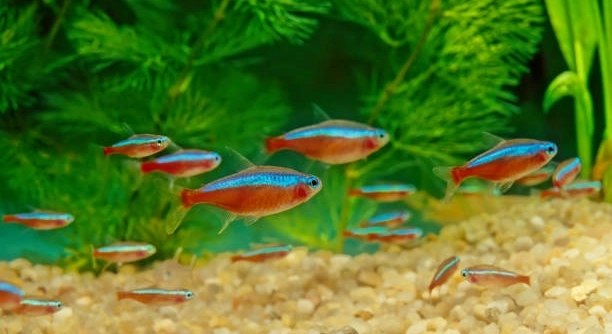
Neon Tetras are popular aquarium fish known for their vibrant colors. They thrive in peaceful environments, making them ideal for community tanks. Many aquarium enthusiasts wonder whether these tiny fish can live in planted tanks alongside other aquatic plants.
Neon Tetras can live in a planted tank, provided the plants are carefully chosen to suit their needs. The tank should offer ample swimming space and proper water conditions to ensure both the fish and plants thrive together.
Creating a balanced setup with the right plants and tank conditions can enhance the well-being of your Neon Tetras. Understanding the pros and cons of this arrangement will help you achieve a thriving aquatic environment.
The Pros of Keeping Neon Tetras in a Planted Tank
Planted tanks offer a natural and aesthetically pleasing environment for Neon Tetras. These fish love swimming through plants, which provides them with hiding spots and a sense of security. The plants help maintain water quality by absorbing excess nutrients, which can be beneficial for both the fish and the tank’s overall health. Additionally, live plants create a stable environment by helping to maintain stable temperature and pH levels. Plants like Java Moss, Anubias, and Cryptocoryne are perfect for a Neon Tetra tank as they don’t require too much light and offer adequate coverage. The greenery also helps mimic the Tetras’ natural habitat, providing them with a more comfortable and enriched living space.
While the presence of plants can benefit Neon Tetras in many ways, the choice of plants is crucial. Some plants may grow too large and take up space, which could limit the fish’s swimming area. Careful selection is key to achieving balance in your tank.
A planted tank can create an ideal habitat for your Neon Tetras, giving them a safer, healthier, and more visually pleasing environment. However, keep in mind the importance of selecting appropriate plants and ensuring they don’t overcrowd the tank.
The Cons of Keeping Neon Tetras in a Planted Tank
Maintaining a planted tank can sometimes be tricky. Certain plants require more attention, such as frequent pruning or specific water conditions. Additionally, live plants can attract algae, which could complicate tank maintenance. Algae build-up can affect both the plants and the fish, leading to extra cleaning efforts. Furthermore, if you’re using fertilizers to encourage plant growth, this could affect the water quality. Too much fertilizer can result in imbalanced water chemistry, which could stress your Neon Tetras.
Although the benefits are clear, balancing plant care and maintaining the right water parameters can be a challenge. If not maintained properly, a planted tank could end up causing more problems than it solves. So, it’s important to monitor your tank carefully.
Maintaining the Right Water Conditions
Water conditions are crucial for both Neon Tetras and plants. A planted tank requires stable water parameters to thrive. Neon Tetras prefer slightly acidic to neutral water, with a temperature range of 72-78°F. For plants, ensure the water’s pH and hardness levels are appropriate for the specific plant species you’re growing. A good filtration system is necessary to keep the water clear and remove excess nutrients that could lead to algae growth. Regular water changes are also important to maintain stability.
The balance of water parameters can affect both plants and fish, so monitor the water quality closely. Some plants can tolerate a range of conditions, while others are more sensitive. Too many fluctuations in water quality can stress your Neon Tetras, affecting their behavior and health. Be mindful of adding any chemicals or fertilizers, as they can alter the water’s chemistry. The key is consistency.
Consider using a liquid test kit to regularly check the water’s pH, ammonia, nitrate, and nitrite levels. A stable water environment will ensure your plants grow well, while your Neon Tetras remain healthy and active.
Lighting for Your Planted Tank
Lighting is essential for both plant growth and the well-being of your Neon Tetras. Proper lighting encourages healthy plant growth while mimicking natural light cycles. Low to medium light is usually sufficient for most plants in a Neon Tetra tank. Intense lighting can promote algae growth and stress the fish, so it’s important to strike a balance. Choose LED lights with adjustable intensity, ensuring that the light does not shine too brightly for long periods.
For the plants, lighting durations of 8-10 hours a day are ideal. Too much light can cause unwanted algae growth, while too little can stunt plant development. Keep the lighting schedule consistent and avoid leaving the lights on for too long. Additionally, consider the light spectrum. Plants generally thrive under full-spectrum light, which closely mimics natural sunlight. For the Neon Tetras, a gentle light level will create a more comfortable atmosphere, reducing stress.
Remember to also adjust the lighting based on the needs of your specific plants. Some plants may need higher light to grow, while others thrive in low light.
Potential Overcrowding Issues
Overcrowding can be a concern in a planted tank, especially if the plants grow too large. This reduces swimming space for Neon Tetras, which thrive in open water. Ensure you select plants that won’t outgrow the tank or compete too much for space.
Proper plant maintenance, such as regular trimming, can help prevent overcrowding. Keeping the plants manageable ensures the fish have enough space to swim freely. A balanced tank will allow both the fish and plants to thrive without overcrowding. Careful selection of plants can make a big difference in maintaining harmony.
The Role of Tank Size
Tank size plays an important role when it comes to both Neon Tetras and live plants. A larger tank offers more space for plants to spread and for fish to swim comfortably. It’s recommended to have at least a 10-gallon tank for a small group of Neon Tetras. Larger tanks offer more stability in water quality, reducing the chance of stress.
In a larger tank, you can introduce more plant varieties without overcrowding. With more space, plants can spread out and have room to grow, benefiting both the fish and the overall ecosystem. Consider the size of your tank before adding plants or more fish.
Plant Selection for Neon Tetra Tanks
Choosing the right plants is essential for creating a healthy environment. Some plants like Java Fern and Anubias are easy to care for and thrive in lower light, making them perfect for Neon Tetra tanks. These plants also provide hiding spots and help with water filtration.
Selecting plants that won’t overtake the tank or require constant pruning is key to maintaining balance. Consider the growth rate of the plants and how much space they’ll need to thrive. This helps avoid the issues of overcrowding while keeping the Neon Tetras happy.
FAQ
Can Neon Tetras live with other fish in a planted tank?
Yes, Neon Tetras are peaceful and typically do well with other non-aggressive species. When choosing tankmates, look for species that won’t harm or outcompete the Tetras for food. Small, peaceful fish like Corydoras catfish, Otocinclus, or Guppies are good choices. Just be mindful of tank size and make sure there’s enough space for everyone.
Do Neon Tetras need a heater in a planted tank?
Neon Tetras prefer stable water temperatures between 72-78°F. If the room temperature fluctuates outside this range, a heater is necessary to maintain a consistent temperature. A reliable heater is especially important in a planted tank, as sudden temperature changes can stress the fish and affect the health of the plants.
How often should I clean my planted tank for Neon Tetras?
Cleaning a planted tank is essential for maintaining water quality, but you don’t need to clean it too often. Perform partial water changes (about 25-30%) every 1-2 weeks. Remove any dead plant material and clean the substrate to prevent waste build-up. Make sure the plants are not overcrowding and causing excess debris. Regular maintenance helps keep the tank clean without disrupting the ecosystem.
Can Neon Tetras live in a tank with high light levels?
Neon Tetras don’t like bright, direct light. Intense lighting can cause stress and may even affect their health over time. It can also encourage algae growth in the tank. Stick to low to medium lighting, which mimics their natural environment and promotes a more peaceful atmosphere for the fish.
Are there specific plants that work best for Neon Tetras?
Yes, plants like Java Moss, Anubias, and Cryptocoryne are excellent choices. These plants grow slowly and are easy to care for. They provide the necessary cover for Neon Tetras to feel secure, and their low maintenance makes them perfect for beginners. Additionally, they won’t overcrowd the tank or require excessive pruning.
Can I use live plants with Neon Tetras in a small tank?
Yes, you can use live plants in a small tank, but space becomes a bigger factor. For a small tank, choose low-growing plants that don’t take up much space, such as Java Moss or Anubias. These plants will still provide hiding spots for the Tetras while keeping the tank from feeling cramped. Keep in mind that small tanks can have more rapid fluctuations in water quality, so monitoring is key.
How do I prevent algae growth in my planted tank with Neon Tetras?
To prevent algae growth, avoid overfeeding your fish, as excess food can lead to higher nutrient levels in the tank. Maintain a consistent lighting schedule, and don’t leave the lights on for too long—8-10 hours a day is ideal. Also, use plants that naturally compete with algae for nutrients. Consider adding algae-eating fish, such as Otocinclus or snails, to help manage algae levels.
Do Neon Tetras eat plants in a planted tank?
No, Neon Tetras are not plant eaters. They mainly feed on small invertebrates and high-quality fish food like flakes or pellets. However, they may nibble on softer plants or plant matter that’s decaying, so it’s important to remove dead plants promptly. Healthy, established plants are usually safe in a tank with Neon Tetras.
What should I feed my Neon Tetras in a planted tank?
Feed your Neon Tetras a variety of foods to ensure they get the right nutrition. High-quality flake food, freeze-dried bloodworms, and live foods like brine shrimp are great options. Be sure to feed only what they can consume in a few minutes to avoid excess waste in the tank, which can harm the plants and water quality.
Is it okay to have a strong filter in a planted tank with Neon Tetras?
While a filter is essential for keeping the water clean, a strong filter can stress out Neon Tetras. They prefer calm water, so use a filter with adjustable flow or a gentle sponge filter. Make sure the filter’s output doesn’t create too much current, which could make the fish feel insecure.
Can I add CO2 to my planted tank with Neon Tetras?
Yes, adding CO2 can be beneficial for plants, as it helps them grow more efficiently. However, it’s not essential unless you’re growing high-demand plants. If you decide to use CO2, be careful with the levels. Too much CO2 can lower the oxygen levels in the tank, which can stress your Neon Tetras.
What is the ideal substrate for a planted tank with Neon Tetras?
A nutrient-rich substrate is ideal for a planted tank. Choose substrates like aquarium soil or specially designed plant substrates that provide nutrients for your plants. These substrates help the plants grow well while maintaining healthy roots. If you’re using a gravel or sand substrate, consider adding a layer of nutrient-rich soil beneath it for better plant growth.
Can I add driftwood to my planted tank with Neon Tetras?
Yes, driftwood can be a great addition to a planted tank. It provides hiding spots and creates a natural, calm environment for the Neon Tetras. However, keep in mind that driftwood can lower the pH of the water slightly, which is generally safe for Neon Tetras but should be monitored to avoid drastic shifts in water chemistry.
Do I need a filter in a planted tank with Neon Tetras?
A filter is essential for maintaining water quality in a planted tank. It helps remove waste, excess food, and debris. However, as mentioned earlier, the filter should not create a strong current, as this can stress the Neon Tetras. Opt for a filter that offers gentle water movement and good mechanical and biological filtration.
How long should the lighting be on for a planted tank with Neon Tetras?
Keep the lighting on for about 8-10 hours each day. This simulates the natural light cycle and promotes healthy plant growth without encouraging excessive algae growth. Avoid leaving the lights on for too long as it can lead to stressed fish and unhealthy plants.
Can I add shrimp to a planted tank with Neon Tetras?
Yes, shrimp like Amano or Cherry Shrimp can co-exist with Neon Tetras. They help with tank cleanliness by eating algae and leftover food. However, make sure the shrimp are large enough not to become prey for the Tetras, as smaller shrimp may be eaten.
Final Thoughts
Neon Tetras are a popular choice for planted tanks due to their peaceful nature and vibrant colors. They thrive in environments that mimic their natural habitat, which includes plants for cover and a stable, clean water environment. These small fish are fairly easy to care for, making them suitable for beginners, yet they do require proper tank conditions to stay healthy. Ensuring the right balance of light, temperature, and water quality is key to keeping Neon Tetras in good health. With the right care, they can live happily in a planted tank, providing beauty and movement for years.
The benefits of having Neon Tetras in a planted tank are clear. Not only do the plants provide necessary shelter and help maintain water quality, but they also contribute to the overall health of the tank by reducing stress levels for the fish. The plants also help balance nutrients and can prevent the build-up of harmful substances. Neon Tetras are non-aggressive, which means they won’t disturb the plants or other fish in the tank, making them great companions for a variety of species. A well-maintained planted tank with Neon Tetras can thrive as a peaceful, harmonious ecosystem.
However, there are a few things to consider before setting up a tank. Neon Tetras are sensitive to water conditions, so keeping the water temperature, pH, and hardness stable is important. Strong currents from filters or pumps can stress the fish, so choose equipment that creates gentle water movement. Also, while Neon Tetras don’t usually damage plants, their small size means they may sometimes nibble on soft or decaying plant matter. Proper plant care and regular maintenance, such as trimming dead plants and doing water changes, will help keep the tank in top condition. When you find the right balance, your planted tank with Neon Tetras will thrive.

Hello,
If you enjoy the content that we create, please consider saying a "Thank You!" by leaving a tip.
Every little bit helps us continue crafting quality advice that supports the health, happiness, and well-being of pets around the world, for pets of all shapes, sizes, and species.
We really appreciate the kindness and support that you show us!