
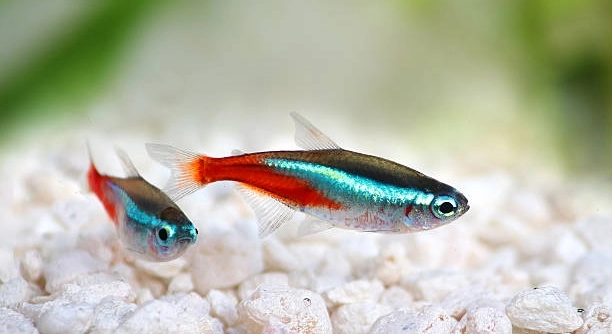
Neon Tetras are vibrant and active fish, often a favorite among aquarium enthusiasts. However, if you’ve noticed your neon tetras acting sluggish, it could be a sign of an underlying issue that needs attention.
Lethargy in neon tetras can be caused by various factors, such as poor water quality, improper tank conditions, or illness. Identifying the cause is crucial to ensuring the health and well-being of your fish.
Understanding the causes of lethargy in your neon tetras will help you resolve the issue and keep your fish happy and active. We’ll explore the most common reasons behind their behavior and how to address each one.
Poor Water Quality
One of the most common reasons neon tetras act lethargic is poor water quality. If the water in your tank is contaminated with harmful toxins or has fluctuating pH levels, it can stress out your fish, leading to sluggish behavior. Regular water changes are essential to keep the tank clean and healthy. Ammonia, nitrites, and nitrates can build up over time, harming your fish. Even slight imbalances in these levels can impact your neon tetras’ energy levels.
Maintaining a clean tank is key to keeping your fish active. Be sure to check your water parameters regularly to avoid problems that can arise from poor water quality.
Invest in a reliable water testing kit to monitor ammonia, nitrites, and nitrates. Keeping these levels in check and performing regular water changes will make a huge difference in your neon tetras’ health. Remember to use a high-quality filter to maintain optimal water conditions. When water quality is compromised, your fish might show signs of stress, which often results in lethargy. Healthy water means healthy fish.
Inadequate Tank Temperature
Neon tetras require a stable water temperature between 72°F and 80°F (22°C to 27°C). If the temperature in your aquarium is too low or high, it can cause stress, leaving your fish sluggish. Temperature fluctuations can lower their immune systems, making them more prone to illness.
If the water is too cold, your neon tetras may become lethargic. Investing in a good heater will help maintain the right temperature in the tank.
Check the water temperature regularly to ensure it stays within the ideal range. Sudden drops or increases in temperature can stress your fish out. If you find your neon tetras acting lethargic, one of the first things to check should be the tank’s temperature. A stable environment will keep them active and healthy.
Overfeeding
Overfeeding can lead to sluggish behavior in neon tetras. When you provide more food than your fish can consume, excess food decomposes, affecting water quality. This not only harms the tank environment but also makes your fish feel unwell.
If you notice your neon tetras becoming lethargic, reduce the amount of food you give them. Aim to feed small portions they can finish in a few minutes. Leftover food quickly breaks down and pollutes the water, adding to the stress your fish might already be under. Always remove any uneaten food after feeding to avoid water contamination.
In addition, overfeeding can lead to digestive issues. Neon tetras have small stomachs, and overfeeding puts strain on their system. This can cause discomfort, making them swim less and appear sluggish. Keep an eye on how much food you offer and monitor their behavior closely. A well-balanced diet in appropriate amounts will keep them active and healthy.
Stress
Stress is another factor that can lead to lethargy in neon tetras. Fish experience stress for many reasons, such as overcrowding, aggressive tank mates, or sudden changes in their environment. Stress weakens their immune system and makes them more susceptible to illness, further contributing to sluggish behavior.
To reduce stress, make sure your tank is large enough for your neon tetras and provides ample space. Avoid placing aggressive species with them, as this can create tension. Sudden changes like loud noises, vibrations, or moving the tank can also upset your fish, leading to inactivity. Maintaining a peaceful and stable environment will help your fish stay calm and active.
Pay attention to your tank’s dynamics and adjust where needed. If your neon tetras are constantly hiding or swimming erratically, stress might be the cause. By ensuring a peaceful environment, you can significantly reduce stress levels and restore your fish’s energy.
Illness or Infection
When neon tetras act lethargic, illness or infection is often the underlying cause. Bacterial, viral, or parasitic infections can weaken your fish, making them less active and more prone to hiding. Identifying the symptoms early can help prevent the spread of disease.
Look for other signs of illness like discoloration, abnormal swimming, or unusual spots on the body. If your fish’s behavior changes suddenly, check for visible symptoms that could point to an infection. A sick fish may stop eating, become lethargic, or swim erratically. Keep a close eye on their overall health.
If you suspect your neon tetras are sick, quarantine the affected fish and consider consulting an expert. Treating the infection early can prevent it from affecting the rest of the tank. Maintain a clean environment, and be sure to feed your fish high-quality, nutritious food to boost their immune system.
Poor Tank Conditions
If the tank is overcrowded, the water isn’t cleaned regularly, or the decorations are too sharp, neon tetras might feel uncomfortable and sluggish. Poor tank conditions lead to increased stress, affecting your fish’s activity levels and health.
Check the tank’s layout to ensure it offers enough space for each fish to swim freely. Remove any sharp objects or decorations that could potentially injure them. Regular maintenance, like water changes and cleaning the filter, is crucial in keeping your tetras healthy and active.
Age
As neon tetras age, they may naturally slow down. Older fish are less energetic than younger ones, and lethargy may simply be a sign of their age. While it’s normal for them to become less active over time, it’s important to still monitor their health.
Watch for signs of sudden, extreme lethargy or difficulty swimming. If your older neon tetra is still eating and showing some interest in its surroundings, then it’s likely just a sign of aging. However, if the behavior changes drastically, there might be an underlying health issue to address.
FAQ
Why are my neon tetras swimming at the bottom of the tank?
If your neon tetras are swimming at the bottom, it could be due to a number of reasons. It’s possible that the water temperature is too cold or too warm, which can cause them to seek shelter at the bottom where it’s more stable. Poor water quality or high levels of toxins in the tank may also lead to this behavior. Another possibility is stress, which may make them seek out darker areas. Be sure to check the water parameters and temperature to rule out environmental issues.
Can neon tetras recover from lethargy?
Yes, neon tetras can recover from lethargy, but the key is to identify and address the underlying cause. If the lethargy is due to poor water quality, correcting the water conditions and performing regular water changes can improve their health. Similarly, if stress is the factor, resolving any tank issues or providing a calm environment can help them bounce back. However, if the lethargy is caused by illness or infection, timely treatment is necessary. Early intervention is important for a full recovery.
What can I do if my neon tetras won’t eat?
When neon tetras stop eating, it’s often a sign of stress, illness, or poor water quality. Start by checking the tank’s water conditions, as unbalanced water parameters can discourage them from eating. If the water quality is good and your fish are still not eating, they may be stressed or unwell. Try offering different types of food, such as live or frozen food, to entice them. If the issue persists, it’s best to consult a vet or aquatic specialist to rule out infections or parasites.
How can I reduce stress in my neon tetras?
To reduce stress, focus on providing a peaceful and stable environment for your neon tetras. Ensure they have plenty of space to swim and avoid overcrowding. Make sure there are hiding spots like plants or caves where your fish can retreat if needed. Also, monitor the tank for aggressive tank mates, as fighting or chasing can cause stress. Keep the tank in a quiet location away from loud noises and vibrations. Consistent water changes and proper temperature control are essential for a stress-free environment.
Is it normal for neon tetras to hide?
It is normal for neon tetras to hide occasionally, especially if they feel threatened, stressed, or unwell. They may retreat to corners or areas with plants to rest or avoid potential stressors. However, if your tetras are hiding constantly and showing other signs like loss of appetite or discoloration, it could indicate a deeper issue like illness or poor water conditions. Monitor their behavior closely and check water parameters to rule out potential problems.
How often should I change the water for my neon tetras?
Water changes are essential for maintaining a healthy environment for neon tetras. It’s recommended to change 20-30% of the water every week to prevent toxins from building up. If your tank is heavily stocked or the water quality deteriorates faster, you may need to change the water more frequently. Always check the water parameters before and after water changes to ensure they remain within the ideal range for neon tetras. Proper filtration can also help maintain cleaner water between changes.
Can neon tetras live with other fish?
Yes, neon tetras are generally peaceful and can live well with other small, non-aggressive fish. They do best with species that won’t threaten them or invade their space. Avoid aggressive fish like cichlids or fish that are much larger, as they can intimidate or even harm your tetras. Ideal tank mates include other small fish like guppies, mollies, or small catfish. Always ensure that the other fish share similar water temperature and pH requirements to maintain a healthy community tank.
Why do neon tetras lose their color?
Neon tetras can lose their vibrant color for several reasons. Poor water quality is one of the main factors, as stress from toxins like ammonia or nitrites can cause them to lose their bright blue and red hues. Additionally, stress from overcrowding, inadequate diet, or improper tank conditions can result in color loss. Illness, such as parasites or bacterial infections, can also affect their coloration. Make sure to monitor the water conditions and provide a balanced diet to help keep your neon tetras healthy and colorful.
How can I tell if my neon tetras are sick?
Sick neon tetras may exhibit several signs such as faded colors, abnormal swimming behavior, clamped fins, or loss of appetite. They may also isolate themselves from the group or show signs of external parasites like white spots or lesions on their bodies. If your fish is lethargic, doesn’t eat, or has visible wounds, it’s essential to address the issue promptly. Quarantine the affected fish and perform a water test to ensure your tank is in optimal condition. Consulting an aquatic vet or specialist can help diagnose and treat any infections.
Do neon tetras need a filter?
Yes, neon tetras need a filter in their tank. A filter helps maintain the water quality by removing waste, uneaten food, and toxins, which is crucial for the health of your fish. Neon tetras are particularly sensitive to poor water conditions, so having a reliable filtration system is vital. Choose a filter with gentle water flow, as strong currents can stress out your tetras. Regular maintenance of the filter will ensure it continues to operate effectively and keeps your tank environment safe for your fish.
Final Thoughts
If your neon tetras are acting lethargic, it’s important to take the time to figure out the cause. Whether it’s poor water quality, improper tank conditions, overfeeding, or stress, addressing the issue early can prevent it from getting worse. Keeping a close eye on their behavior and environment will help you spot problems before they affect your fish too much. Regular maintenance, such as water changes and checking the tank’s temperature, will help keep your neon tetras healthy and active.
Neon tetras are delicate fish, and their small size makes them more vulnerable to changes in their environment. It’s essential to maintain a stable, clean, and stress-free tank for them. Ensuring that water conditions are within the ideal range and providing a peaceful tank environment are simple but effective ways to promote their well-being. Additionally, feeding them the right amount of food and not overfeeding can prevent issues like poor water quality and digestive problems. Always be mindful of their behavior and adjust their environment accordingly.
Ultimately, neon tetras can recover from lethargy as long as the cause is addressed. The sooner you can identify the problem—whether it’s an illness, stress, or something related to water conditions—the easier it will be to resolve. Keeping their habitat in top condition and monitoring their health will help keep your neon tetras active and vibrant for years to come. Regular care, attention to detail, and swift action when issues arise are key to maintaining a happy, healthy aquarium.

Hello,
If you enjoy the content that we create, please consider saying a "Thank You!" by leaving a tip.
Every little bit helps us continue crafting quality advice that supports the health, happiness, and well-being of pets around the world, for pets of all shapes, sizes, and species.
We really appreciate the kindness and support that you show us!