
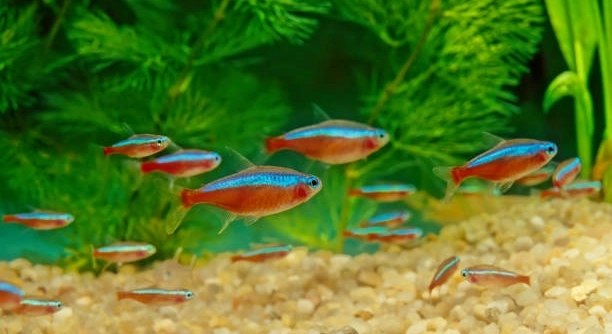
Creating the perfect environment for your neon tetra is essential to ensuring their health and happiness. These small, colorful fish thrive in specific conditions that mimic their natural habitat. Setting up the right tank requires careful consideration.
To achieve a harmonious neon tetra habitat, you must focus on maintaining ideal water conditions, temperature, and tank mates. Choosing appropriate plants and decorations also plays a key role in mimicking their natural environment, ensuring the fish feel secure and comfortable.
With these seven steps, you can create a thriving space for your neon tetras, promoting their well-being. Ensuring the right balance will lead to a peaceful and visually pleasing aquarium environment.
Step 1: Set Up the Right Tank Size
Neon tetras are small, peaceful fish that need adequate space to swim and feel comfortable. A tank of at least 10 gallons is recommended for a small school of these fish. This allows them to swim freely, which is essential for their well-being. While you might be tempted to go smaller, cramming them into a tiny space can cause stress and lead to health issues.
Smaller tanks also lead to faster fluctuations in water quality, which can harm your fish. The larger the tank, the easier it is to maintain stable conditions. This will also provide space for plants and decorations that help recreate their natural environment.
A 10-gallon tank isn’t just about size; it’s about creating an ideal space. The extra room helps maintain water quality and reduces the need for constant water changes. It’s crucial to set up a tank where your neon tetras can move around with ease and feel safe.
Step 2: Maintain Proper Water Conditions
Neon tetras thrive in stable water conditions, particularly with slightly acidic water that ranges from 6.0 to 7.0 pH. Water temperature is also essential, and it should be maintained between 70°F to 81°F. Regular monitoring is key to ensuring these conditions stay consistent.
Keeping the water clean is vital. Invest in a reliable filtration system to remove waste and prevent harmful toxins from building up. While the filter should be gentle to avoid stressing the fish, it still needs to be effective enough to handle the water volume. Regular water changes also help maintain a healthy environment for your fish.
While adjusting the water parameters, be mindful that sudden changes can harm your fish. Take it slow when making adjustments and always test your water regularly. A well-balanced tank with stable conditions is the foundation of a thriving neon tetra habitat.
Step 3: Choose the Right Tank Mates
Neon tetras are peaceful and get along best with other calm fish. Avoid aggressive species that might harass them. Fish like guppies, small rasboras, and Corydoras catfish make excellent tank mates. A peaceful environment promotes healthy behavior and reduces stress.
When choosing tank mates, ensure they share similar water requirements and are not large enough to intimidate the neon tetras. Overcrowding the tank can lead to territorial disputes. Keep the fish in groups of at least six to make them feel secure. The more you can mimic their natural environment, the happier they’ll be.
Avoid placing them with larger or more aggressive fish, as this can create a stressful atmosphere. Neon tetras are better suited to peaceful community tanks where everyone shares the same temperament. Pay attention to how the other species interact, as this will directly impact the health and happiness of your neon tetras.
Step 4: Provide Hiding Spots and Plants
Neon tetras feel safer when they have places to hide. Adding plants, driftwood, and rocks will give them spaces to retreat and help reduce stress. Live plants, like Java moss or Anubias, also add oxygen to the water and improve the overall tank environment.
In addition to plants, provide a mix of open swimming areas and sheltered spots. Neon tetras are shy, so they appreciate places where they can take cover if they feel threatened. You can use tall plants to create areas of shade, offering them privacy.
Make sure the plants are safe for the fish. Avoid sharp or toxic plants that could harm the tetras. Keeping the tank well-planted helps mimic the natural environment, making the tetras feel right at home.
Step 5: Adjust the Lighting
Neon tetras do best with moderate lighting. Too bright of a light can stress them out, while dim light may cause algae to grow. Aim for gentle, indirect light that mimics their natural habitat. Consider using a timer to maintain a consistent light cycle.
Lighting should be on for about 8-10 hours a day. This helps maintain a natural day-night cycle and prevents excess algae buildup. You can use LED lights or fluorescent bulbs that provide gentle illumination. It’s important to keep the lighting consistent, as neon tetras thrive in stable environments.
Adding plants to the tank can help diffuse the light and create a more calming atmosphere. Too much lighting can disrupt their behavior, leading to stress or a lack of color. Keeping lighting balanced and gentle will encourage a more peaceful tank.
Step 6: Monitor Water Temperature
Maintaining a stable water temperature is crucial for neon tetras. A heater will help regulate the temperature and ensure it stays within the ideal range of 70°F to 81°F. Fluctuating temperatures can stress the fish, so consistency is key.
Use a reliable thermometer to monitor the water temperature regularly. Small, sudden changes in temperature can weaken your fish’s immune system and lead to illness. Keeping the water temperature within the optimal range helps your neon tetras feel comfortable and healthy. It’s always better to be cautious with temperature control.
Be sure to check the heater and thermometer to ensure they’re working properly. Proper temperature regulation is essential for neon tetras to thrive and avoid stress.
Step 7: Keep the Water Clean
Water cleanliness is essential for neon tetras. A good filtration system and regular water changes are the best ways to keep the water in top condition. Clean water ensures your fish stay healthy and the plants thrive.
Without proper filtration, waste and toxins can quickly build up. This leads to poor water quality, which can harm your neon tetras. Aim for a filter that works well with your tank size and provides gentle flow, as strong currents can stress the fish. Regular water changes of about 25-30% every two weeks will help maintain a healthy environment.
Use a water conditioner to remove chlorine and chloramine when adding new water. Keeping the water clean also promotes a healthier environment for your plants. A stable and clean tank helps prevent algae growth and keeps your tetras vibrant.
FAQ
What do neon tetras eat?
Neon tetras are omnivores, meaning they eat both plant and animal matter. Their diet consists mainly of small pellets, flakes, and live or frozen foods like daphnia, brine shrimp, and bloodworms. It’s important to feed them small portions that they can finish in a few minutes to prevent overfeeding, which can cause water quality issues. You can also include occasional plant matter, such as blanched spinach or algae wafers, for variety. A balanced diet will keep your neon tetras healthy and vibrant.
How often should I feed my neon tetras?
Neon tetras should be fed small amounts 2 to 3 times a day. Overfeeding can lead to poor water quality and potential health problems for your fish. Offer just enough food for them to consume within a few minutes. It’s better to feed smaller portions more frequently than large amounts at once. This will ensure they receive proper nutrition without polluting the water.
Do neon tetras need a filter?
Yes, neon tetras require a filter to maintain good water quality. A filter removes waste, debris, and harmful toxins from the water. However, make sure the filter’s current isn’t too strong, as neon tetras prefer calm waters. Use a gentle filter that’s suitable for your tank size. A good filtration system is crucial for preventing the buildup of harmful substances like ammonia and nitrites, ensuring a healthy environment for your fish.
Can neon tetras live with other fish?
Neon tetras are peaceful and do well with other calm fish. They thrive in a community tank with species of similar size and temperament. Suitable tank mates include guppies, rasboras, Corydoras catfish, and small peaceful species. Avoid aggressive or larger fish, as they may stress the tetras or prey on them. It’s best to keep neon tetras in schools of six or more to make them feel secure. When choosing tank mates, always consider their behavior and water needs to ensure a harmonious tank environment.
What temperature do neon tetras need?
Neon tetras prefer water temperatures between 70°F and 81°F. They are sensitive to temperature fluctuations, so it’s important to maintain a stable environment. A reliable aquarium heater and thermometer will help keep the temperature consistent. Ensure the tank is not exposed to drafts or temperature extremes, as sudden changes can stress the fish and compromise their health. Always check the water temperature regularly to avoid fluctuations that could harm your neon tetras.
How long do neon tetras live?
Neon tetras typically live for 5 to 10 years with proper care. Their lifespan depends on factors like water quality, diet, and overall tank conditions. Keeping a stable, clean environment and feeding them a balanced diet can help your neon tetras live longer, healthier lives. Regular maintenance, such as water changes and monitoring the fish’s health, is essential for extending their lifespan. While some tetras may live longer than others, proper care is key to ensuring they reach their full potential.
Can neon tetras breed in a tank?
Yes, neon tetras can breed in an aquarium, but it’s a bit tricky. To breed them successfully, you need to provide the right conditions, such as slightly acidic water, a temperature around 75°F to 80°F, and plenty of fine-leaved plants for the eggs to adhere to. A separate breeding tank may be necessary, as neon tetras often eat their own eggs. The female will lay eggs, which hatch in about 24 to 36 hours. Once the fry are free-swimming, they can be fed infusoria or baby brine shrimp until they are large enough for regular food.
What size tank do neon tetras need?
Neon tetras are small fish, but they still need space to swim. A tank size of at least 10 gallons is recommended for a small group of neon tetras. The more fish you have, the larger the tank should be to ensure enough swimming space. A larger tank also helps with maintaining stable water conditions, which is important for their health. Keep in mind that neon tetras are social fish, so they should be kept in schools of six or more to feel comfortable.
Why are my neon tetras not swimming around?
If your neon tetras aren’t swimming around, it could be due to stress, poor water quality, or illness. Make sure the tank’s water parameters (temperature, pH, ammonia, nitrite, and nitrate levels) are within the recommended ranges. A sudden change in water conditions can stress them out. If the water quality is poor, consider adding a filter, performing water changes, and checking the tank’s setup. Stressful tank mates, strong currents, or improper lighting can also cause your tetras to hide more than usual.
How can I tell if my neon tetra is sick?
Signs of illness in neon tetras include lethargy, loss of color, abnormal swimming patterns, and faded or clumped fins. If they are rubbing against objects, this could be a sign of skin irritation or parasites. Look out for any visible lesions or growths on their bodies. If you notice these signs, it’s important to isolate the sick fish and treat them accordingly. Also, ensure that water quality is optimal, as poor water conditions are often a major cause of health problems. Regular monitoring and proper care are essential for keeping your neon tetras healthy.
Can neon tetras live without a heater?
Neon tetras are tropical fish and require a heater to maintain a stable water temperature between 70°F and 81°F. If the water temperature drops too low, the fish will become stressed, which can weaken their immune system and lead to disease. A heater ensures the temperature remains consistent and optimal for their health. If you live in a warmer climate, you may not need a heater year-round, but during colder months, it’s important to use one.
Final Thoughts
Creating a suitable habitat for your neon tetras requires careful attention to their environment. By focusing on the right tank size, proper water conditions, and suitable tank mates, you can ensure they thrive in your aquarium. These small, peaceful fish enjoy a stable and calm environment, so keeping the water clean, maintaining a consistent temperature, and offering plenty of hiding spots are key to keeping them happy. Regular tank maintenance, including water changes and checking for signs of illness, will help maintain their health in the long run.
Neon tetras are beautiful and low-maintenance fish that can bring color and life to your tank. They thrive in groups, so having at least six or more in a tank will help them feel more secure and comfortable. The key is to balance their needs—provide gentle filtration, appropriate tank mates, and a healthy diet. Ensuring your tank has the proper lighting and temperature will also play a huge role in creating an ideal environment. With the right setup and care, your neon tetras will flourish.
Lastly, remember that every aquarium is a little different, and it may take time to find the perfect balance for your neon tetras. Don’t be discouraged if you encounter challenges along the way. Take things one step at a time, monitor their behavior and water quality regularly, and make adjustments as needed. With patience and attention to detail, you’ll create a harmonious environment that both you and your neon tetras can enjoy.

Hello,
If you enjoy the content that we create, please consider saying a "Thank You!" by leaving a tip.
Every little bit helps us continue crafting quality advice that supports the health, happiness, and well-being of pets around the world, for pets of all shapes, sizes, and species.
We really appreciate the kindness and support that you show us!