
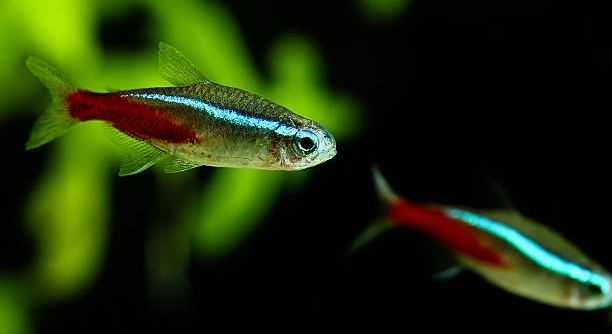
Creating the right environment for your neon tetra aquarium can enhance their well-being and highlight their vibrant colors. An aquarium that mimics their natural habitat will support their health and create a peaceful, attractive setting.
To improve the environment of your neon tetra aquarium, focus on water quality, tank size, lighting, décor, filtration, temperature, and tank mates. These elements directly affect the comfort and vitality of your fish, ensuring a balanced ecosystem.
Making these changes will not only benefit your neon tetras but also help create a more visually appealing aquarium. Each improvement area contributes to their overall health and happiness, so let’s explore each one in detail.
Water Quality
Water quality is the most important factor in creating a healthy environment for neon tetras. They are sensitive to toxins, so regular testing and maintenance of water parameters like pH, ammonia, nitrites, and nitrates are necessary. Keeping the water clean and clear helps ensure that your tetras stay active and vibrant.
To improve water quality, perform partial water changes regularly—about 25-30% every two weeks. Use a reliable water conditioner to remove chlorine and chloramine from tap water before adding it to the tank. It’s also vital to keep the water temperature stable, as drastic fluctuations can stress the fish.
Maintaining a consistent, clean environment helps reduce the risk of diseases. If the water quality is poor, neon tetras may show signs of stress such as faded colors, lethargy, or poor appetite. Proper filtration and routine water changes are essential to achieving a safe, balanced tank. Use a water testing kit to monitor the levels of harmful substances. This ensures that the tetras’ health is not compromised and their environment remains safe.
Tank Size
The size of your tank plays a significant role in the health and behavior of your neon tetras. A small tank can lead to overcrowding and poor water quality. Ideally, a tank of at least 10 gallons should be the minimum size for a small school of neon tetras.
A larger tank allows for better water circulation, reducing the risk of harmful toxins building up. More space also helps your tetras feel less stressed and lets them display more natural behaviors, like swimming freely in schools. Overcrowding can lead to aggression and illness, so always consider tank size before adding new fish.
A spacious tank supports proper filtration, which is necessary for maintaining water quality. When choosing a tank size, consider not only the current number of neon tetras but also the growth potential of any additional fish you plan to add. Larger tanks are easier to manage and provide a more stable environment for your tetras to thrive in.
Lighting
Lighting in your neon tetra aquarium sets the mood and promotes healthy activity. Neon tetras prefer a moderate light level, mimicking their natural environment where the light is often dim and filtered. Too much direct light can stress them out and encourage algae growth.
To achieve the right lighting, aim for 10 to 12 hours of light per day. Use a timer to regulate the light cycle. LEDs or fluorescent lights that mimic natural daylight work well for a balanced light level. Avoid very bright, harsh lighting that can make your tetras retreat into darker areas of the tank.
To prevent light-related stress, you can add live plants in the aquarium to create shaded areas. They will also help with oxygenating the water, giving the tetras a more natural habitat. Keep in mind that lighting intensity should be adjustable, as different species of plants or animals may need varying amounts of light.
Décor
The right décor can make your neon tetra aquarium more visually appealing and provide hiding spots, which help reduce stress. Neon tetras feel secure in tanks with plenty of plants, rocks, and other natural decorations. They prefer having areas to hide when they feel threatened.
When choosing décor, opt for soft materials like live plants or smooth rocks. Sharp objects can damage your tetras’ delicate fins. Live plants, such as Java fern or Anubias, are especially good for creating shaded areas and keeping the water quality in check. Aquascaping with natural elements can also mimic the tetras’ native riverbed environment, making them feel more at home.
Avoid overcrowding the tank with décor. While neon tetras need places to hide, they also need room to swim freely in schools. Make sure your decorations don’t block the flow of water or make the space feel cramped. Keep the overall look balanced and simple.
Filtration
A good filtration system is key to keeping the water clean and clear. Neon tetras thrive in environments with clean, oxygen-rich water, so having a reliable filter is essential. Make sure the filter isn’t too strong, as strong currents can stress out the tetras.
Choose a filter with appropriate flow rates for your tank size. A sponge filter or a gentle hang-on-back filter can work well. These provide necessary filtration while avoiding strong currents that could disturb the tetras. Always clean the filter regularly to maintain its efficiency and keep the water quality optimal.
Temperature
Neon tetras prefer stable water temperatures between 72°F and 78°F. Sudden temperature fluctuations can cause stress and make them more susceptible to illness. Invest in a reliable aquarium heater to keep the temperature consistent.
A heater with a built-in thermostat will help maintain an even temperature throughout the day and night. Regularly check the water temperature with a thermometer to ensure it stays within the ideal range.
Tank Mates
When selecting tank mates for neon tetras, look for peaceful species that won’t stress or harm them. Neon tetras do best in schools of six or more, and they thrive in calm, non-aggressive environments. Avoid large, predatory fish.
Good tank mates include other small, peaceful species like guppies, Corydoras catfish, or small rasboras. These fish won’t compete for space or food, creating a harmonious environment.
FAQ
How often should I change the water in my neon tetra tank?
Water changes are essential for maintaining a healthy tank. Aim to change 25-30% of the water every two weeks. If the tank is heavily stocked, you may need to change the water more frequently. Regular water changes help keep harmful toxins in check and maintain a stable environment for your neon tetras. Always use a water conditioner to treat tap water before adding it to the tank. This helps remove chlorine and chloramine that could harm your fish.
What is the ideal tank size for neon tetras?
For a small group of neon tetras, a 10-gallon tank is the minimum. If you plan to keep more tetras or add other species, a larger tank of 20 gallons or more is better. This allows for better water circulation and less risk of overcrowding, which can affect water quality and fish health. Neon tetras are small, but they do better in a tank with ample swimming space.
Can I keep neon tetras with other species?
Yes, neon tetras are peaceful fish and can be kept with many other species. Choose peaceful, non-aggressive fish that won’t compete for food or space. Good tank mates include small species like Corydoras catfish, rasboras, and guppies. Avoid larger, more aggressive fish that might see neon tetras as food or disturb their peaceful nature. Make sure all the fish in the tank are compatible in terms of water temperature and pH requirements.
Do neon tetras need live plants in their tank?
While neon tetras do not absolutely require live plants, they greatly benefit from having them. Live plants provide hiding spots, which help reduce stress, and they also help maintain better water quality by absorbing excess nutrients. Plants like Java fern, Anubias, and Amazon sword are great options for neon tetra tanks. Having plants also makes the tank more visually appealing and natural, creating a more comfortable habitat for your fish.
What type of filter should I use for a neon tetra tank?
Neon tetras prefer tanks with gentle water flow. A sponge filter or a low-flow hang-on-back filter is ideal. These filters provide adequate filtration while keeping the water movement slow enough not to stress the fish. High-flow filters can create strong currents that may make your tetras uncomfortable. Ensure the filter is properly sized for your tank and clean it regularly to maintain water quality.
How many neon tetras should I keep together?
Neon tetras are social fish and feel safest in schools of six or more. Keeping them in larger groups allows them to exhibit their natural behavior and reduces stress. A small school of neon tetras will often stick together, swimming in synchronized patterns. If you can, aim for 10 or more, but at least six is recommended for their well-being.
Can neon tetras live with other fish species?
Yes, neon tetras are generally peaceful and can live with many other species. However, it’s important to choose tank mates carefully. Avoid aggressive or larger species that may intimidate or harm your tetras. Smaller fish, like guppies, rasboras, or small catfish, are excellent choices. Always ensure that the other fish are compatible in terms of size, temperament, and water requirements.
What should I feed my neon tetras?
Neon tetras are omnivores and thrive on a varied diet. You can feed them high-quality flake or pellet food, supplemented with live or frozen foods like brine shrimp, daphnia, or bloodworms. Offering variety helps keep them healthy and active. Avoid overfeeding, as this can lead to water quality issues. Only feed your tetras what they can consume in a few minutes, once or twice a day.
What water temperature is best for neon tetras?
Neon tetras prefer a water temperature between 72°F and 78°F. They are native to warmer tropical waters, so it’s important to maintain a stable temperature within this range. Sudden changes in temperature can stress your fish and make them more susceptible to illness. Use a reliable aquarium heater to keep the water at a consistent temperature, especially during colder months.
How do I prevent algae in a neon tetra tank?
Algae can be an issue in any aquarium, especially if the tank receives too much light. To prevent algae growth, limit the amount of light your tank gets each day—10-12 hours is usually enough. Avoid placing your tank in direct sunlight, as this can promote algae growth. Regular water changes and using live plants can also help control algae by reducing excess nutrients in the tank. If algae does appear, use an algae scraper to remove it and clean your filter regularly.
Final Thoughts
Creating a thriving environment for neon tetras involves paying attention to several important factors, such as water quality, tank size, temperature, lighting, and tank mates. By focusing on these areas, you can ensure that your neon tetras remain healthy and active. Neon tetras are relatively low-maintenance fish, but their well-being depends on keeping their environment stable and clean. Regular water changes, proper filtration, and careful selection of tank mates are some of the best ways to provide a healthy habitat.
One of the most important aspects of caring for neon tetras is maintaining water quality. These fish are sensitive to changes in water parameters, so it’s crucial to test and monitor things like pH, ammonia, and nitrates. Keeping the water clean and well-filtered reduces the chances of illness and stress, allowing your tetras to live happily for years. Additionally, providing a variety of hiding spots and plants can make them feel more secure, reducing stress and improving their overall quality of life.
Lastly, keep in mind that neon tetras are social creatures and do best when kept in schools. While it may seem tempting to add just a few to your tank, having at least six or more will help them feel more comfortable and display their natural behaviors. Combining all these elements—proper tank size, water quality, lighting, décor, and good tank mates—will help create an environment where your neon tetras thrive. By paying attention to their needs, you can enjoy watching your fish flourish and add vibrant life to your aquarium.

Hello,
If you enjoy the content that we create, please consider saying a "Thank You!" by leaving a tip.
Every little bit helps us continue crafting quality advice that supports the health, happiness, and well-being of pets around the world, for pets of all shapes, sizes, and species.
We really appreciate the kindness and support that you show us!