
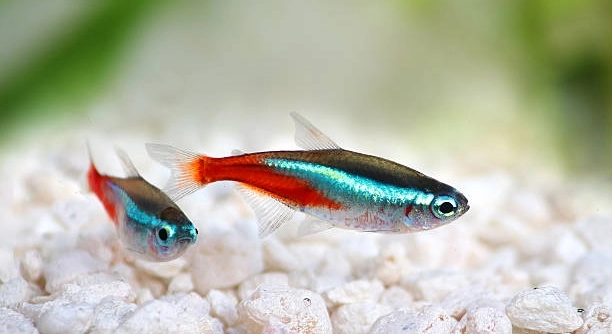
Are your neon tetras looking stressed or not getting along with their tank mates in your community aquarium setup?
Neon tetras can live peacefully in a community tank when proper conditions are met, including compatible tank mates, stable water parameters, and ample hiding spaces. These factors help reduce stress and promote healthy social behavior.
Creating a safe and balanced home for neon tetras is easier than it seems, and a few simple tips can make a big difference.
Choose the Right Tank Mates
Neon tetras are peaceful fish that do best with other calm and non-aggressive species. Ideal tank mates include small rasboras, guppies, corydoras, and certain types of dwarf shrimp. Avoid keeping them with larger or fin-nipping fish like tiger barbs or aggressive cichlids. When selecting tank mates, look for species that share similar water temperature and pH needs. This helps reduce stress and ensures a stable environment. Adding too many different types of fish can lead to overcrowding, which makes it harder for neon tetras to thrive. Stick with a few compatible species to create a peaceful and manageable tank. A calm environment allows the tetras to school properly, display natural behavior, and feel safe.
Avoid fish that chase or nip fins. Even small bullies can stress neon tetras and lead to health problems.
Choosing compatible tank mates creates a calm setting where your neon tetras can swim confidently and interact normally. Watching them thrive in such a space can be rewarding and relaxing.
Maintain Water Stability
A stable environment helps neon tetras stay healthy and active. Avoid sudden changes in temperature or pH.
Neon tetras come from soft, slightly acidic waters in the Amazon. They need a consistent temperature between 72°F and 78°F and a pH range of 6.0 to 7.0. Use a reliable heater and thermometer to keep water conditions steady. A sudden shift in temperature or pH can cause shock, leading to illness or death. It’s important to test your tank water weekly. Regular water changes, around 25% each week, help keep ammonia and nitrate levels low. Use a water conditioner to remove chlorine from tap water before adding it. If you’re adding new fish or plants, do it slowly to avoid disrupting the water balance. Stability is key—neon tetras are sensitive to change, and keeping their water steady will keep them stress-free and colorful.
Provide Plenty of Hiding Spots
Neon tetras feel safer when they have places to hide. This helps reduce stress and encourages natural schooling behavior. Use plants, driftwood, or caves to create shaded areas where they can retreat when needed.
Live or artificial plants can be placed around the edges and corners of the tank to form cozy spaces. Floating plants also help block bright light, which tetras often dislike. Driftwood, small rocks, or specially designed aquarium decor add variety and make the tank feel more secure. These hiding spots aren’t just for stress relief—they also help keep tetras active and curious. A well-decorated tank encourages movement and helps them explore more confidently. Spread the hiding places throughout the tank instead of clustering them in one spot. That way, each fish has its own space if needed.
When neon tetras feel safe, they’re more likely to swim in groups and show off their bright colors. Proper cover improves both their behavior and appearance. It also helps avoid problems like aggression from other fish or territorial disputes in the tank. While neon tetras are peaceful, they still need a space to escape and relax. Adding hiding spots is a simple step that makes a big difference in their daily comfort.
Feed a Balanced Diet
Feeding neon tetras the right food keeps them active and colorful. They need a mix of protein and plant-based ingredients to stay healthy.
High-quality flake food designed for tropical fish is a good base, but it shouldn’t be the only thing they eat. Supplement their diet with small live or frozen foods like daphnia, baby brine shrimp, or bloodworms. These protein-rich options boost their immune system and encourage natural behavior. You can also include micro pellets or crushed algae wafers to round out their nutrition. Feed them once or twice a day, but only what they can eat in about two minutes. Uneaten food can dirty the water, which stresses them out. Rotate their meals throughout the week for variety and balance.
A proper diet helps neon tetras live longer and maintain their bright colors. It also keeps them more active and reduces the chance of illness. When they’re well-fed with the right variety, they become more confident and social with other tank mates.
Keep the Lighting Gentle
Neon tetras don’t like harsh lighting. Bright lights can make them feel exposed and stressed. Use dim or adjustable lighting to mimic their natural habitat. Floating plants or shaded spots help soften the light and create a more calming environment for them.
Too much light can also encourage algae growth. If your tank is near a window, be careful with how much sunlight it gets. A simple light timer can help maintain a consistent day-night cycle, which supports healthy behavior and reduces anxiety in your tetras.
Avoid Sudden Movements Near the Tank
Neon tetras are easily startled. Quick hand gestures, tapping on the glass, or sudden tank maintenance can make them hide or scatter. Always move slowly and gently when interacting near their tank to keep them relaxed and avoid unnecessary stress.
Use a Proper Filter
A quiet, low-flow filter works best for neon tetras. Strong currents can push them around and cause fatigue. Choose a filter that keeps the water clean but doesn’t create too much movement. Sponge filters or adjustable flow filters are gentle options that keep your fish safe and comfortable.
FAQ
How many neon tetras should be kept together?
Neon tetras are schooling fish, meaning they feel more secure when they are in groups. It’s best to keep at least six to eight neon tetras together. Smaller groups may lead to stress, as the fish can feel exposed or isolated. Larger schools are more natural for them, allowing them to school together and swim in a coordinated manner. Having a group also ensures that they’re social and active. A group of tetras adds to the beauty of the tank as well, as their bright colors stand out more when they swim together.
Can neon tetras live with shrimp?
Yes, neon tetras can live peacefully with many types of shrimp, such as cherry shrimp or ghost shrimp. Since neon tetras are small and non-aggressive, they typically won’t harm shrimp. However, the size of the shrimp should be considered. Very small shrimp, like baby shrimp, may become prey for tetras, so it’s better to add shrimp that are large enough to avoid being eaten. Shrimp also help keep the tank clean by eating leftover food, and they can be a nice addition to a community tank with neon tetras.
Are neon tetras hardy fish?
Neon tetras are not the hardiest fish and can be sensitive to water changes and poor water quality. They are particularly sensitive to ammonia, nitrites, and high nitrate levels. A stable environment is crucial for them to thrive. That being said, if their water parameters are maintained properly and they are kept in a peaceful environment, neon tetras can live for several years. Regular water testing, maintenance, and avoiding any sudden temperature or pH changes will help ensure they remain healthy.
What is the lifespan of a neon tetra?
Neon tetras typically live for 5 to 10 years in a well-maintained tank. Their lifespan depends largely on water quality, diet, and tank conditions. Keeping the tank clean, providing them with a balanced diet, and ensuring they are not stressed by aggressive tank mates or poor water parameters can help extend their life. In ideal conditions, neon tetras can live a long, healthy life while showing off their vibrant colors.
Do neon tetras need a heater?
Yes, neon tetras are tropical fish and require warm water to stay healthy. A heater is recommended to maintain a stable temperature between 72°F and 78°F. Without a heater, the water temperature could drop too low, causing stress and weakening the immune system of your tetras. Make sure to use a reliable aquarium heater that keeps the temperature consistent and check it regularly to avoid fluctuations. A thermometer will also help monitor the water temperature to ensure it stays within the ideal range for your neon tetras.
Can neon tetras live in cold water?
No, neon tetras are not cold-water fish. They prefer warmer water temperatures between 72°F and 78°F. In colder temperatures, their immune system becomes weaker, and they can become more susceptible to diseases. It’s important to avoid placing neon tetras in tanks with temperature drops below 68°F, as this can cause them to become stressed or even die. If you want to keep neon tetras with other fish in a cold-water tank, you will need to reconsider the species of fish or install a heater to meet their needs.
Why are my neon tetras losing their color?
Neon tetras may lose their color for several reasons, including stress, poor water quality, or an inadequate diet. Stress can come from factors like incompatible tank mates, too much light, or sudden water changes. Poor water conditions, like high ammonia levels, can also cause them to lose their vibrant colors. To restore their color, ensure the tank is clean, the water quality is optimal, and the fish have a well-balanced diet that includes protein and vitamins. Reducing stress by keeping the environment stable and calm can also help bring back their vibrant hues.
How often should I feed neon tetras?
Neon tetras should be fed once or twice a day. Overfeeding can lead to uneaten food sinking to the bottom, which can foul the water. Feed them small amounts that they can consume in 2 to 3 minutes. A varied diet, including flake food, frozen or live foods like brine shrimp or bloodworms, will keep them healthy. They have small stomachs, so feeding them small portions frequently is the best approach. Also, remove any leftover food to avoid water contamination.
What size tank do neon tetras need?
Neon tetras don’t require a very large tank, but a 10-gallon tank is a good starting point for a small school of six to eight tetras. A larger tank, like a 20-gallon or more, provides more space for them to swim and interact. It also helps maintain better water quality, as smaller tanks can quickly become polluted with waste. A bigger tank also allows you to add more tank mates and decorations, which helps create a more natural environment for your tetras.
Are neon tetras sensitive to water changes?
Yes, neon tetras can be sensitive to sudden changes in water parameters, including temperature, pH, and hardness. When performing water changes, it’s important to match the new water’s temperature and pH with the existing tank water to avoid shocking the fish. Always use a water conditioner to remove chlorine and chloramine from tap water before adding it to the tank. Regular water changes (about 25% every week) are important for maintaining a healthy tank, but make sure to do them slowly to prevent stressing the tetras.
Final Thoughts
Neon tetras can make a wonderful addition to a community tank if their needs are met. They thrive in peaceful environments, and with the right tank mates, water quality, and diet, they can live happily for several years. These small, colorful fish are generally low-maintenance, but they do require consistent care to ensure they remain healthy. Monitoring water conditions and offering a variety of foods will keep them active and vibrant. A bit of attention to their environment can go a long way in helping them settle in and show their best colors.
Creating a stable tank with enough hiding spots is essential for neon tetras to feel secure. Their natural habitat in the wild provides plenty of cover, so replicating that in your aquarium with plants, driftwood, or rocks helps reduce stress and encourages normal behavior. It’s also important to avoid any sudden changes in water temperature, pH, or tank conditions, as neon tetras are sensitive to these fluctuations. Keeping their environment stable and calm is key to their well-being. Adding compatible fish and monitoring their interactions can ensure that your tetras aren’t under threat or feeling stressed.
In conclusion, neon tetras are a great choice for many aquarium setups. With just a few adjustments, such as providing appropriate tank mates, feeding a balanced diet, and maintaining the right water conditions, they will thrive and bring color and life to your tank. They are easy to care for once you understand their basic needs. By keeping their environment peaceful, safe, and clean, you can enjoy watching these vibrant fish swim together, displaying their natural beauty.

Hello,
If you enjoy the content that we create, please consider saying a "Thank You!" by leaving a tip.
Every little bit helps us continue crafting quality advice that supports the health, happiness, and well-being of pets around the world, for pets of all shapes, sizes, and species.
We really appreciate the kindness and support that you show us!