
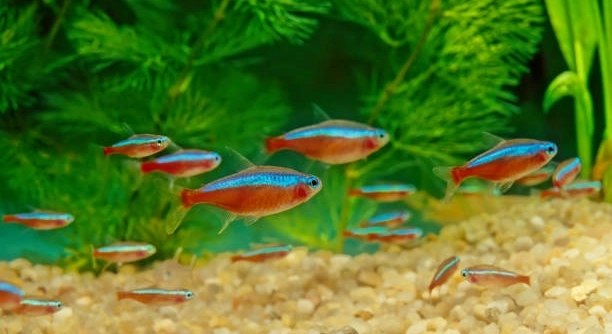
Maintaining a clean and healthy tank for your neon tetras is essential to their well-being. Proper waste management not only keeps the water clear but also prevents harmful toxins from building up, creating a safe environment for your fish.
Efficient waste management in a neon tetra tank involves regular cleaning, proper filtration, and careful feeding practices. Strategies like vacuuming the substrate and using biological filters can help maintain water quality, reducing the need for constant water changes.
With the right approach, you can minimize tank maintenance while ensuring your neon tetras thrive. This article will guide you through the best practices for managing waste in your tank effectively.
Regular Tank Maintenance
Keeping your neon tetra tank clean is the most straightforward way to manage waste. Regular water changes, cleaning the substrate, and maintaining equipment help to keep the environment in check. Without these routine tasks, fish waste and uneaten food can quickly build up, making the water toxic.
Doing a partial water change once a week or every two weeks helps keep things fresh. While changing the water, use a gravel vacuum to remove waste settled in the substrate. These steps are simple but highly effective for avoiding ammonia spikes and ensuring the tank stays healthy.
Additionally, wiping down the walls of the tank helps prevent algae growth. An algae buildup can cause waste to stick to surfaces, making the tank harder to clean. Make this part of your cleaning routine, and it will be easy to stay on top of things.
Proper Filtration
The right filter is key to controlling waste in the tank. Make sure the filter you use is suitable for your tank size.
A good filter will remove both solid waste and harmful chemicals like ammonia. It works by circulating the water and trapping debris. This reduces the need for constant water changes. You can also add bio-filtration media to help beneficial bacteria break down organic matter, keeping water clean for longer. Be sure to clean or replace filter media regularly so it doesn’t become clogged.
Proper Feeding Practices
Feeding your neon tetras the right amount of food is crucial for managing waste. Overfeeding leads to excess food breaking down in the tank, which adds to the waste load.
Try to feed your neon tetras only what they can consume in a few minutes. Any leftover food should be removed promptly to avoid decomposition. You can use an automatic feeder if you’re worried about overfeeding when you’re not around. This keeps the fish’s diet in check while preventing unnecessary waste buildup.
The right feeding schedule also helps. Feed your fish small amounts twice a day instead of one large meal. This promotes healthy digestion and reduces the chances of uneaten food sitting in the tank.
Substrate Maintenance
The substrate in your tank collects debris, food particles, and fish waste. Regularly vacuuming the substrate will keep the tank cleaner.
A gravel vacuum is useful for sucking up waste trapped between the rocks. Aim for weekly cleanings to prevent debris from breaking down into harmful substances. If you have plants, be cautious while cleaning around the roots. Too much disturbance can hurt the plants, but cleaning is still essential.
Maintaining the right depth of substrate is also important. Too deep, and it can trap excess waste. Too shallow, and it won’t provide a stable base for beneficial bacteria that help break down waste. Keep it balanced to optimize filtration.
Live Plants for Filtration
Adding live plants to your tank helps naturally filter the water and absorb excess nutrients. Plants use waste products, such as ammonia, as food, which helps prevent toxins from building up.
Opt for fast-growing plants like Java moss or Anubias. These plants will thrive in your tank and actively improve water quality. Make sure to trim dead or decaying plant matter regularly to avoid it contributing to the waste load.
Beneficial Bacteria
Beneficial bacteria are vital for breaking down organic waste and maintaining a healthy tank ecosystem. These bacteria thrive in the filter, on decorations, and throughout the substrate.
To encourage bacterial growth, you can add biological filter media or even products designed to boost beneficial bacteria. Over time, these bacteria will help convert harmful ammonia into less toxic substances, like nitrates. Regular cleaning of your filter media is important, but be gentle to avoid removing too much of the bacteria.
Regular Monitoring
Regularly testing the water quality ensures that your waste management strategies are working. Keep an eye on ammonia, nitrite, and nitrate levels.
Testing kits are easy to use and give you quick feedback on your tank’s health. By checking every few days, you can spot issues early and take action before they become major problems.
FAQ
How often should I clean my neon tetra tank?
Cleaning your neon tetra tank should be done regularly to ensure good water quality. Ideally, perform a partial water change every week or every two weeks, depending on the tank size and fish load. Vacuuming the substrate should also be done weekly to remove excess waste. The filter media should be cleaned monthly to maintain optimal filtration. Make sure not to disturb the beneficial bacteria too much during cleaning. A consistent routine will help keep the tank healthy and reduce the need for emergency fixes.
Can I use a filter with neon tetras?
Yes, using a filter is highly recommended for neon tetras. They are sensitive to water quality, and a good filter helps keep toxins at bay by removing debris and breaking down harmful chemicals. Choose a filter with gentle water flow to avoid stressing the fish. Overly strong currents can disrupt their natural behavior. A sponge filter can be an excellent option if you want to create a gentle environment, as it also supports biological filtration. Make sure the filter is appropriate for the size of your tank.
What type of food should I feed my neon tetras?
Neon tetras are omnivores and thrive on a varied diet. High-quality fish flakes or pellets will form the basis of their food, but it’s beneficial to supplement this with frozen or live foods like brine shrimp or daphnia. This provides a range of nutrients and keeps your fish healthy. Avoid overfeeding, as excess food can lead to poor water quality. Offer small amounts that your fish can consume within a few minutes, and remove any leftover food to prevent it from decomposing in the tank.
How do I prevent algae growth in my neon tetra tank?
Algae growth can be a challenge in any aquarium. To keep it in check, limit the amount of light your tank receives. Neon tetras don’t require constant bright lighting, so consider using a timer to control the duration. Additionally, ensure you’re not overfeeding your fish, as excess nutrients from uneaten food contribute to algae. Adding live plants to the tank can help outcompete algae for nutrients, naturally reducing its growth. Regularly clean the tank, especially the glass, to remove any visible algae buildup.
What are the signs of poor water quality in my neon tetra tank?
Neon tetras are particularly sensitive to poor water conditions. If the water quality is bad, they may show signs of stress such as erratic swimming, gasping at the surface, or a lack of appetite. You might also notice discolored or cloudy water, which can indicate a buildup of waste or harmful chemicals. It’s important to test the water regularly for ammonia, nitrite, and nitrate levels. If any of these are elevated, it’s a sign that the filtration system isn’t working well or that you need to do a water change.
Can I add other fish with my neon tetras?
Neon tetras are peaceful and social fish, so they typically get along well with other non-aggressive species. Best tank mates include small, peaceful fish like Corydoras catfish, shrimp, or snails. Avoid large or aggressive species, as they may stress out the tetras. It’s also a good idea to avoid fish that require drastically different water parameters. Make sure that the fish you choose are compatible in terms of water temperature, pH, and overall temperament to create a harmonious tank environment.
How do I know if my neon tetras are stressed?
Stressed neon tetras may display various signs, such as swimming erratically, hiding more than usual, or showing less interest in food. Their colors might appear dull or faded, which is another indication of stress. Stress in neon tetras can result from poor water quality, tank mates that are too aggressive, or sudden changes in their environment. If you notice these signs, it’s crucial to check water parameters and evaluate tank conditions. Providing them with a stable, peaceful environment will help reduce stress and improve their well-being.
Is it necessary to quarantine new fish before adding them to the tank?
Yes, quarantining new fish is always a good practice. It helps prevent the introduction of diseases or parasites to your established tank. Set up a separate quarantine tank where the new fish can be monitored for about two weeks. During this period, observe for any signs of illness, such as unusual behavior, lesions, or abnormal swimming patterns. Quarantining ensures that any potential issues are addressed before the fish are introduced to the main tank, keeping the environment safer for your neon tetras.
How do I manage waste in my neon tetra tank without overcomplicating things?
Managing waste in a neon tetra tank doesn’t have to be complicated. Stick to a routine of weekly water changes, using a gravel vacuum to remove waste from the substrate. Keep your filter clean and properly maintained to ensure it’s functioning well. Avoid overfeeding, as excess food is a major contributor to waste buildup. By controlling these factors and monitoring the water quality regularly, you’ll maintain a clean tank and healthy fish with minimal effort.
What’s the ideal tank size for neon tetras?
Neon tetras do well in tanks of at least 10 gallons, but a larger tank is better for creating a stable environment. A 20-gallon tank is ideal for a small school of neon tetras. They thrive in groups, so it’s recommended to keep at least six tetras together. A larger tank provides more room for the fish to swim and creates better stability in terms of water quality. Remember, the more water volume you have, the easier it is to manage waste and maintain a healthy environment.
Final Thoughts
Managing waste in a neon tetra tank doesn’t have to be overwhelming. By following a few simple practices, you can maintain a healthy and clean environment for your fish. Regular water changes, proper feeding habits, and a good filtration system are the foundation of keeping waste under control. It’s important to stay on top of these tasks, as neglecting them can lead to poor water quality, which can stress out your neon tetras and harm their health. Consistency is key when it comes to aquarium maintenance, and small efforts over time will yield great results.
In addition to water changes and filtration, adding live plants and maintaining the substrate also plays a significant role in waste management. Live plants naturally absorb excess nutrients and help reduce the growth of algae, which can make cleaning easier. Keeping the substrate clean by vacuuming it regularly removes waste that settles in the tank, further reducing the buildup of harmful toxins. These steps, combined with a well-balanced feeding schedule, ensure that waste doesn’t accumulate too quickly. Taking these preventive measures will also help reduce the need for frequent water changes and keep your tank stable.
Ultimately, the health and happiness of your neon tetras depend on the environment you create for them. A well-maintained tank with effective waste management will not only improve water quality but will also reduce stress on your fish. Monitoring your tank regularly, checking the water parameters, and adjusting your routine as needed will help keep things running smoothly. By staying attentive and proactive, you’ll ensure that your neon tetras live a long, healthy life in a thriving tank.

Hello,
If you enjoy the content that we create, please consider saying a "Thank You!" by leaving a tip.
Every little bit helps us continue crafting quality advice that supports the health, happiness, and well-being of pets around the world, for pets of all shapes, sizes, and species.
We really appreciate the kindness and support that you show us!