
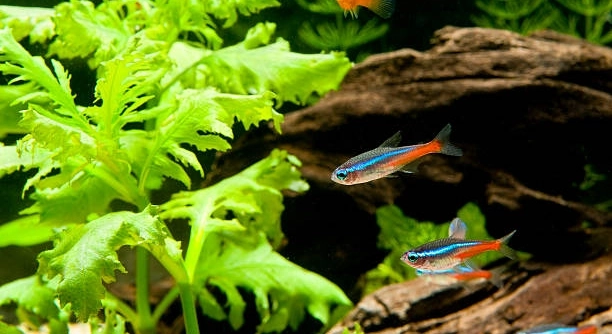
Neon Tetras are a popular aquarium fish, known for their vibrant colors and lively personalities. However, owners may occasionally notice their fins tearing, leading to concern about their well-being. Understanding the causes and solutions is key to keeping them healthy.
Torn fins in Neon Tetras can be caused by various factors, such as poor water quality, fin rot, tank mates, or physical injuries. Addressing these causes promptly with proper care and environmental adjustments can help prevent further damage and promote healing.
Knowing the factors that contribute to fin tearing will help you provide a better environment for your Neon Tetra, ensuring their long-term health and vitality.
Common Causes of Tearing Neon Tetra Fins
Neon Tetras may experience torn fins for several reasons. Poor water quality, such as high ammonia levels, can lead to stress and weaken their immune systems. Without proper filtration, bacteria and fungi thrive, causing infections that damage fins. Tank mates also play a role; aggressive fish may nip at the fins. Improper tank setup, like sharp objects or rough decorations, can cause physical injuries.
The stress of living in an unbalanced tank environment can cause Neon Tetras to become more susceptible to infections, further damaging their fins. The fins themselves can get torn if the fish swim into sharp decorations or get into squabbles with other tank mates. Providing a peaceful environment is essential to preventing these issues.
Maintaining clean water is crucial for preventing fin damage. Regular water changes and monitoring levels of ammonia, nitrites, and nitrates help to keep your fish stress-free. Additionally, offering a variety of plants and hiding spots can reduce tension between fish, lowering the risk of injury.
Solutions to Prevent Fin Tearing
Providing a healthy tank environment is the first step in preventing fin damage.
Water changes should be conducted regularly to maintain the water’s cleanliness. Filtration should be adequate, and water parameters should be monitored frequently. Tank mates should be compatible to avoid aggression. It’s important to ensure there are no sharp decorations in the tank.
Fin damage is often preventable with careful planning. Ensure your Neon Tetras have plenty of space and shelter in the tank. Avoid overcrowding and offer hiding spots to promote peaceful cohabitation. Keep their diet balanced with high-quality food to boost their immune system, reducing the risk of infections.
Poor Water Quality
When water quality is poor, it can lead to stress in Neon Tetras, weakening their immune system and making them more prone to infections. High levels of ammonia or nitrites cause gill irritation, preventing proper oxygen intake. This results in a weakened fish, with fins becoming more vulnerable to damage.
To maintain clean water, regularly test ammonia, nitrites, and nitrates. A reliable filtration system is essential for removing waste and toxins. Perform water changes every week to keep the environment stable. If water quality issues are persistent, consider upgrading your filter or adding more live plants to help with water purification.
Consistently maintaining proper water conditions ensures your Neon Tetras’ health and prevents fin damage. Regularly monitor water parameters and make adjustments to avoid high levels of toxins. Keeping the tank environment clean reduces stress on the fish and helps prevent infections that cause fin tearing.
Tank Mates and Aggression
Aggressive tank mates can cause physical harm to Neon Tetras, often leading to torn fins. Some fish species, such as fin-nippers or larger fish, may attack smaller or more peaceful fish like Neon Tetras. It’s important to carefully select tank mates that won’t stress or harm each other.
Choosing peaceful, small fish to share the tank with Neon Tetras is key to creating a harmonious environment. Fish like Corydoras or Rasboras are excellent companions as they generally do not pose a threat to the Tetras. Avoid species that are known for territorial behavior, like cichlids or bettas, which can lead to aggression.
Ensure your Neon Tetras have plenty of space in the tank to reduce competition. Providing hiding spots and plants can also give them areas to retreat when feeling threatened. The right tank mates will promote a peaceful environment, lowering the risk of torn fins from aggression.
Physical Injuries
Neon Tetras can tear their fins if they accidentally collide with objects in the tank or get trapped in tight spaces. Sharp decorations or rough edges on aquarium equipment can also contribute to fin damage. It’s essential to check the tank for hazards that could cause injury.
Smooth decorations, plants, and equipment help minimize the risk of physical damage. Avoid sharp rocks, plastic plants with rough edges, or any decorations that could scrape their fins. Keeping the tank layout simple with soft materials allows your fish to swim without risk of injury.
Inspect your aquarium setup regularly for potential dangers. Keeping it free of sharp objects reduces the chance of your Neon Tetras injuring their fins during daily activities. Providing a safer environment promotes their overall well-being and longevity.
Stress
Stress plays a significant role in causing fin damage in Neon Tetras. When these fish are stressed, their immune system weakens, making them more susceptible to infections and fin rot. Overcrowding, poor water conditions, and aggression from other tank mates all contribute to elevated stress levels.
To reduce stress, ensure the tank has appropriate filtration and temperature. Monitor water parameters closely to maintain a stable environment. Avoid overcrowding, as too many fish in a small space leads to territorial disputes. Allowing for peaceful cohabitation with compatible tank mates also helps lower stress levels.
Maintaining a calm and stable environment for your fish is crucial. Reducing stress by offering hiding spots, proper water conditions, and choosing suitable tank mates helps prevent tearing and promotes your Neon Tetras’ overall health.
Fin Rot
Fin rot is a common bacterial infection that affects the fins of Neon Tetras. It’s often caused by poor water quality or injury, leading to the fins decaying. If left untreated, the infection can spread to other parts of the fish’s body, worsening the condition.
To treat fin rot, improve water quality by performing regular water changes and ensuring proper filtration. Medications are available to combat the infection, but always follow instructions carefully. Maintaining a clean, stable environment prevents the bacteria responsible for fin rot from taking hold.
If fin rot is caught early, the damage can be minimized with quick intervention. A healthy environment, coupled with timely treatment, ensures your Neon Tetras’ fins heal properly.
FAQ
What are the first signs of fin rot in Neon Tetras?
The first signs of fin rot in Neon Tetras include fraying or discoloration of the fins. You may notice black or white spots on the fins, or they may start to look ragged. As the infection progresses, the fins begin to deteriorate, and tissue may be lost. If untreated, the rot can spread to the fish’s body, leading to further health issues.
How can I tell if my Neon Tetra’s fins are torn or infected?
If the fins appear torn, you’ll notice visible splits or jagged edges. Torn fins are usually caused by physical injuries or aggression. Infected fins, however, will show signs of redness, swelling, or discoloration, often accompanied by a cloudy appearance. Infected fins may become soft or slimy as the infection spreads.
Can I treat fin rot at home?
Yes, fin rot can usually be treated at home. Begin by improving the water quality in the tank, removing any uneaten food, and performing regular water changes. Medications, such as antibacterial treatments, are available at pet stores and can be used to combat the infection. Always follow the instructions provided with the medication for the best results.
What are the best water parameters for Neon Tetras?
Neon Tetras thrive in slightly acidic to neutral water, with a pH between 6.0 and 7.0. The ideal temperature for them is between 70-81°F (21-27°C). Ammonia and nitrite levels should always be at 0 ppm, while nitrate levels should remain below 20 ppm. Proper filtration and regular water changes help maintain these parameters.
How can I reduce stress in my Neon Tetras?
Stress can be reduced by keeping the tank environment stable. Ensure there is enough space for each fish and avoid overcrowding. Offer hiding spots using plants or decorations. Keep the water clean and well-filtered, and avoid sudden changes in temperature or water parameters. Choosing peaceful tank mates also plays a key role in reducing stress.
Why are my Neon Tetras constantly swimming near the surface?
Swimming near the surface may indicate that the water quality is poor, or the oxygen levels are low. Neon Tetras require oxygen-rich water, and if the tank is poorly aerated, they may surface more frequently to get air. Check your filtration system and consider adding an air pump or surface agitation to improve oxygen exchange.
Can Neon Tetras heal from fin damage?
Neon Tetras can heal from fin damage, but it depends on the severity of the injury. Minor tears usually heal on their own, as long as water quality is maintained and stress is minimized. For more severe damage or infection, treatments like antibiotics or stress-reducing interventions may be necessary to ensure recovery.
What tank size is best for Neon Tetras?
A minimum tank size of 10 gallons is recommended for a small school of Neon Tetras. This size provides ample swimming space and helps maintain stable water parameters. If you plan to keep more fish or other species, a larger tank will be necessary to avoid overcrowding and ensure a healthy environment.
Are Neon Tetras fin nippers?
No, Neon Tetras are not fin nippers. They are peaceful fish and tend to live harmoniously with their tank mates. However, stress from aggressive fish or environmental factors can lead them to become more defensive, potentially leading to fin damage from other fish. Ensuring a peaceful tank environment is key to preventing this.
How often should I change the water for my Neon Tetras?
For optimal health, water changes should be performed weekly, with about 20-30% of the tank’s water being replaced. This helps remove toxins like ammonia and nitrates and keeps the water parameters stable. If the tank is heavily stocked or water quality is poor, more frequent changes may be necessary.
What can cause my Neon Tetra to lose color?
Loss of color in Neon Tetras can be a sign of stress or illness. Poor water quality, insufficient light, or aggressive tank mates can lead to stress, causing the fish to fade in color. Illnesses such as infections or parasites may also cause discoloration. Improving water conditions and ensuring proper care usually helps restore color.
Can Neon Tetras live with other fish species?
Neon Tetras are peaceful and can live with a variety of non-aggressive fish. They do well in community tanks with species like Corydoras, Rasboras, or other small peaceful fish. It’s essential to avoid larger or more aggressive species that may intimidate or harm the Tetras, as this can lead to stress or fin damage.
What is the lifespan of a Neon Tetra?
Neon Tetras generally live for about 5 years in a well-maintained aquarium. Their lifespan can be affected by factors like water quality, diet, tank conditions, and stress. Providing a stable environment, proper nutrition, and regular tank maintenance can help your Neon Tetras live to their full potential.
Can fin damage be prevented entirely?
While it’s impossible to prevent all types of fin damage, many issues can be avoided with proper tank maintenance. Ensuring a clean and stable environment, using smooth decorations, choosing appropriate tank mates, and reducing stress can significantly lower the risk of fin damage in your Neon Tetras.
What do I do if my Neon Tetra’s fins aren’t healing?
If your Neon Tetra’s fins aren’t healing, there may be an underlying issue like a bacterial infection or continued stress. You should isolate the affected fish to prevent it from spreading any potential diseases to other fish. Treat with appropriate medications for fin rot or other infections. Ensure the tank conditions are optimal for healing.
Final Thoughts
Neon Tetras are delicate fish that can easily suffer from torn or damaged fins. The most common causes include physical injury, poor water quality, stress, or infections like fin rot. It’s important to monitor the condition of your fish regularly and keep an eye out for any signs of damage. Early detection of issues like torn fins or signs of fin rot can make a significant difference in how well the fish recover. By providing the right environment and care, you can prevent many of these issues from becoming serious problems.
Maintaining stable water conditions is crucial for the health of Neon Tetras. These fish are sensitive to changes in their environment, and fluctuations in water temperature, pH, or ammonia levels can lead to stress and health problems. Regular water changes, proper filtration, and consistent monitoring of water parameters help keep your fish in the best possible condition. It’s also important to avoid overcrowding the tank, as this can increase stress levels and lead to aggression among fish. A calm, well-maintained environment helps your Neon Tetras thrive and reduces the risk of injuries and illnesses.
If you notice any signs of fin damage, take action promptly. Providing appropriate treatment and improving tank conditions can help your fish recover. It’s also important to consider the behavior of other tank mates. Aggressive or larger fish can cause harm to Neon Tetras, leading to torn fins or even more serious injuries. Ensuring that all tank members are compatible and peaceful will help prevent such issues. With the right care, your Neon Tetras can live long, healthy lives, and any fin damage can be addressed effectively, allowing them to heal and return to their active swimming.

Hello,
If you enjoy the content that we create, please consider saying a "Thank You!" by leaving a tip.
Every little bit helps us continue crafting quality advice that supports the health, happiness, and well-being of pets around the world, for pets of all shapes, sizes, and species.
We really appreciate the kindness and support that you show us!