
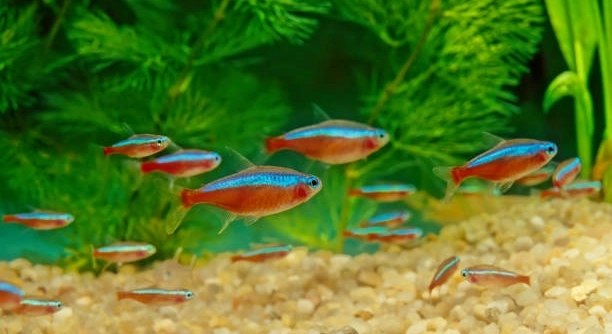
Are your neon tetras getting the proper nutrition they need to thrive? A balanced diet is essential for their health and vibrant colors. Knowing the right food and feeding habits can make a big difference in their well-being.
Ensuring proper nutrition for your neon tetras involves providing high-quality food tailored to their needs. Offer a variety of foods, including flakes, pellets, and live or frozen options, while avoiding overfeeding. Regularly monitor their eating habits for any signs of malnutrition.
With these tips, you can help your neon tetras stay healthy and vibrant for years to come. Let’s explore the key aspects of their diet and feeding habits.
1. Providing a Balanced Diet
Neon tetras are small, delicate fish that thrive on a diet packed with nutrients. To support their health and vibrant colors, it’s essential to feed them a balanced variety of foods. High-quality flakes, pellets, and occasional live or frozen foods like brine shrimp or daphnia should make up the majority of their diet. These foods offer the necessary vitamins and minerals to maintain their health. Be sure to avoid feeding them only one type of food, as this can lead to nutritional imbalances. Offering a variety will keep their diet interesting while meeting their needs. Always choose food formulated specifically for tetras, as it will help support their specific dietary requirements.
Consistency is key when feeding neon tetras. Feed them small amounts two to three times a day, ensuring they eat everything within a few minutes.
By following this simple approach, you’ll ensure your tetras get all the necessary nutrients to thrive and maintain their beautiful colors.
2. The Importance of Proper Portion Sizes
Overfeeding neon tetras can lead to health issues such as obesity or water quality problems. It’s important to feed them the right portion sizes.
Ensure each feeding lasts no more than a few minutes, and remove any uneaten food. This helps keep your tank clean and ensures the fish aren’t consuming more than they need. A good rule of thumb is to feed only what they can consume in 2-3 minutes. Keeping track of their food intake will help you avoid overfeeding. Additionally, leaving uneaten food can contribute to poor water quality, which can lead to health issues for your fish.
Maintaining proper portion sizes is crucial in ensuring your tetras remain healthy. Proper feeding habits contribute to their long-term well-being, preventing unnecessary strain on both the fish and your tank’s environment.
3. Selecting High-Quality Foods
Not all fish food is created equal, so it’s important to select the best options for your neon tetras. Look for foods specifically designed for small tropical fish, as they will have the right balance of nutrients.
High-quality food should be rich in protein, vitamins, and minerals. This helps support the tetras’ immune system, growth, and coloration. Avoid low-quality foods that contain fillers or artificial additives. While neon tetras can eat flakes and pellets, rotating between different types of food will ensure they receive a variety of nutrients. Live or frozen foods like brine shrimp are excellent additions.
Quality food not only promotes healthy tetras, but it also contributes to cleaner water, as it’s less likely to dissolve and pollute the tank.
4. Supplementing with Live and Frozen Foods
Live and frozen foods are a great supplement to a neon tetra’s diet. These foods mimic the natural diet of wild tetras and can encourage natural hunting behaviors.
While flakes and pellets can provide a balanced diet, adding live or frozen options will ensure they get additional nutrients. Live foods like daphnia and brine shrimp offer high protein, which helps in tissue growth and color enhancement. These foods are rich in essential fatty acids, which help your fish maintain energy levels.
Offering these options can also stimulate your tetras’ natural instincts. These foods are often more exciting for them, which can help keep them active and engaged in their environment. They also encourage better digestion and health overall.
5. Feeding on a Regular Schedule
Feeding neon tetras at consistent times each day helps establish healthy habits. This also ensures they are getting the proper nutrition regularly.
Neon tetras thrive on a predictable feeding schedule. Consistent meal times help maintain their metabolism, reducing the risk of overfeeding or underfeeding. Establish a routine and stick to it, whether you’re feeding them once or twice a day. Keeping track of their feeding schedule will make it easier to monitor their health and behavior.
Feeding at the same time each day creates a healthy rhythm that benefits both your tetras and the water quality in the tank.
6. Avoiding Overfeeding
Overfeeding is a common mistake when keeping neon tetras. It not only leads to poor water quality but can also harm the fish.
Excess food that isn’t eaten can decompose, causing ammonia spikes that can stress your tetras. It’s important to feed them just enough that they finish eating within a few minutes. Monitoring their food intake will help prevent overfeeding. If there is uneaten food, remove it quickly to prevent any water contamination.
It’s better to feed small amounts more often than large portions less frequently.
7. Offering a Variety of Foods
A variety of foods is crucial to ensure neon tetras receive all the necessary nutrients. Different foods provide different benefits.
Feeding your tetras a mix of flakes, pellets, live, and frozen foods will offer a well-rounded diet. Each food type offers specific nutrients that support growth, immune health, and vibrant coloration. A diverse diet can also prevent boredom and keep your tetras active. Rotate foods regularly to keep them interested and ensure they receive all the necessary vitamins and minerals. A varied diet can also reduce the risk of developing food-related health issues.
FAQ
How often should I feed my neon tetras?
Neon tetras should be fed two to three times a day. Offer small portions that they can eat in a few minutes. Overfeeding can cause health issues and poor water quality, so it’s better to feed smaller amounts more frequently. A good rule is to feed what they can consume in 2-3 minutes. If any food remains, remove it promptly to avoid pollution in the tank. Keeping a consistent feeding schedule helps your tetras stay healthy and maintain good water quality.
What foods are best for neon tetras?
The best food for neon tetras includes high-quality flakes and pellets specifically designed for small tropical fish. These foods provide essential nutrients like protein, vitamins, and minerals. You can supplement their diet with live or frozen foods such as brine shrimp, daphnia, and bloodworms. These options offer protein and essential fatty acids that help maintain their color and overall health. High-quality food is key to keeping your neon tetras vibrant and strong.
Can I feed my neon tetras only flakes or pellets?
While flakes and pellets can provide a balanced diet, it’s best to offer your neon tetras a variety of foods. Supplementing with live or frozen foods such as brine shrimp or daphnia adds important nutrients like protein and omega fatty acids. These foods mimic their natural diet and help promote better growth and vibrant coloration. Variety ensures they receive all the necessary nutrients to thrive. A mix of dry and live foods also keeps them active and engaged in their environment.
Is overfeeding harmful to neon tetras?
Yes, overfeeding neon tetras is harmful. Excess food that isn’t eaten decomposes in the tank, leading to poor water quality. This can result in high ammonia levels, which stress the fish and can lead to health problems. Overfeeding also increases the chances of obesity and digestive issues. To prevent overfeeding, feed small portions two to three times a day, ensuring they consume all the food within a few minutes. Removing any uneaten food after each feeding session helps maintain good water quality.
Can I feed neon tetras live food every day?
While live food can be a great supplement to their diet, it should not be fed every day. Offering live food too often may lead to imbalanced nutrition and could cause health issues over time. Live foods are rich in protein, but they don’t provide all the vitamins and minerals that neon tetras need for a balanced diet. You can feed live food two to three times a week, rotating it with flakes and pellets to ensure variety.
Should I feed neon tetras at the same time every day?
Yes, establishing a feeding routine is beneficial for your neon tetras. Feeding them at the same time every day helps maintain their metabolism and overall health. Regular feeding times also help your fish get accustomed to their feeding schedule, making it easier to monitor their eating habits. Consistency reduces the likelihood of overfeeding and ensures that they are getting the nutrients they need at the right times. Keep track of their feeding schedule to ensure they get the proper amount of food.
How can I tell if my neon tetras are underfed?
Underfed neon tetras may appear weak, lethargic, or show signs of poor coloration. Their bodies may look thin, and they might not actively swim or explore the tank. If they’re not eating the food you provide or if there’s a lack of interest during feeding times, this may be a sign of underfeeding. Additionally, they may become more prone to diseases due to a weakened immune system. Ensure you’re offering the right amount of food and variety. Monitoring their weight and behavior can help you assess if they are getting enough nutrition.
What should I do if my neon tetras are refusing to eat?
If your neon tetras refuse to eat, check if the food you’re offering is fresh and appropriate for their needs. Sometimes, they may lose interest if the food is stale or not suitable. Try offering a different type of food, such as frozen brine shrimp or live daphnia, to see if that sparks their interest. If the refusal to eat continues for more than a day, check water conditions and temperature. Stress, poor water quality, or illness can cause loss of appetite. Always ensure the water is clean and within the right temperature range.
Is it okay to mix neon tetras with other fish?
Yes, neon tetras generally do well in community tanks with other peaceful species. They are small and social, and they thrive in schools of six or more. Choose tank mates that are not aggressive and prefer similar water conditions, such as guppies, mollies, or other small peaceful species. Avoid placing them with large or aggressive fish, as they may become stressed or even attacked. A well-planned community tank can help neon tetras feel secure and comfortable while ensuring a healthy environment for all the fish.
Can I feed neon tetras vegetables?
While neon tetras primarily eat animal-based foods, they can occasionally benefit from vegetables in their diet. You can feed them finely chopped peas, spinach, or zucchini as a treat. These vegetables provide fiber, which helps with digestion. Make sure to blanch the vegetables to make them easier to digest and avoid choking hazards. However, vegetables should not be the main part of their diet and should only be offered occasionally alongside their regular protein-rich foods. A balanced diet with more focus on protein is essential for their health.
Final Thoughts
Feeding neon tetras the right diet is crucial for their health and well-being. A balanced, varied diet with a mix of flakes, pellets, and live or frozen foods helps provide all the essential nutrients your fish need to thrive. Consistency in feeding times and portion control is also important. Overfeeding can cause water quality issues and stress the fish, while underfeeding can lead to malnutrition and weak immune systems. Monitoring their eating habits and adjusting their diet accordingly will ensure they remain active and vibrant.
It’s essential to maintain a feeding routine, which helps regulate their metabolism and reduces the chances of overfeeding. Neon tetras are small and delicate fish, so careful attention to their dietary needs can prevent health issues like obesity or undernutrition. Offering a variety of food types ensures they receive all necessary nutrients, such as protein, vitamins, and essential fatty acids. This variety can also keep them engaged and active, as they’ll enjoy the different textures and flavors.
By providing proper nutrition, you can help your neon tetras live a long, healthy life. Keeping their environment clean and their diet balanced goes hand in hand with maintaining good water quality. This creates a harmonious environment where your tetras can thrive, showing off their bright colors and active behavior. With a little attention to their feeding habits and nutritional needs, you’ll be able to enjoy a healthy and thriving school of neon tetras in your aquarium.

Hello,
If you enjoy the content that we create, please consider saying a "Thank You!" by leaving a tip.
Every little bit helps us continue crafting quality advice that supports the health, happiness, and well-being of pets around the world, for pets of all shapes, sizes, and species.
We really appreciate the kindness and support that you show us!