
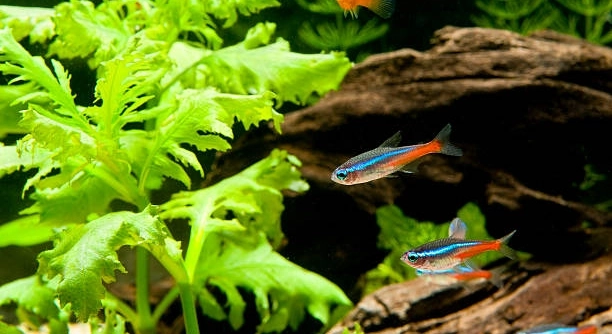
Neon Tetras are active fish that thrive in environments offering ample hiding spots. However, without enough places to hide, they can become stressed or act out. It’s important to recognize the signs that your tank may need more hiding places.
The primary reason your Neon Tetras might need more hiding spots is due to stress or aggression. Providing additional hiding spots can help create a sense of security, reduce territorial disputes, and promote natural behaviors, leading to healthier, more active fish.
Understanding these signs can make a big difference in ensuring your fish feel safe and comfortable in their home.
Sign 1: Fish Hiding More Than Usual
If your Neon Tetras are frequently hiding in corners, under plants, or behind decorations, this could be a sign that they are feeling stressed. Neon Tetras are naturally social and active fish, but when they feel threatened or insecure, they retreat to safe spaces. Lack of hiding spots often causes fish to seek refuge in the few places available, which may not be enough for them.
When your fish spend more time hiding than swimming around the tank, it’s an indication that they are not feeling secure. This behavior could lead to increased stress levels, which might negatively impact their health. Without the proper environment to help them feel safe, Neon Tetras may stop eating or become less active, which can eventually lead to other health issues.
Providing additional hiding spots can give your Neon Tetras a chance to relax and feel more at ease. The more spaces you can offer, the more secure they will feel in their tank, reducing stress and promoting natural, happy behavior.
Sign 2: Increased Aggression
Aggressive behavior can often be a sign of overcrowded or unbalanced environments. Neon Tetras can become territorial when there are not enough hiding spots for them to claim. Without proper hiding places, they might argue over available spaces, leading to fin nipping or chasing.
Aggression can also be a sign that fish are not getting enough privacy. Fish need to feel they have a safe place to retreat, away from others. When they are constantly exposed or unable to escape, aggression can escalate. Adding extra hiding spots can help reduce these confrontations, offering each fish the privacy they need. The simple addition of caves, plants, or even rocks can break up the space and give each fish their own area. This can make a huge difference in the overall behavior of your Neon Tetras.
Sign 3: Loss of Appetite
If your Neon Tetras suddenly stop eating or show a significant decrease in food consumption, stress from not having enough hiding spots could be the cause. Fish that don’t feel secure often lose their appetite or become too anxious to eat.
When Neon Tetras are stressed, they tend to hide or avoid eating, especially in tanks without adequate hiding spaces. Providing extra hiding spots allows your fish to feel more secure, creating an environment where they can retreat and relax. Once they feel safer, their natural instincts to feed will likely return. The stress from constant exposure can make them feel vulnerable, causing them to ignore food. Ensuring there are more places to hide can help prevent this behavior, keeping your Neon Tetras well-fed and healthy.
Sign 4: Excessive Flaring or Aggressive Posture
If you notice your Neon Tetras flaring their fins or adopting an aggressive posture, it could be due to overcrowding or the lack of hiding spots. These behaviors often signal stress or discomfort in their environment.
Neon Tetras are peaceful fish by nature, but without enough hiding spots, they may become territorial. When they feel exposed, they might flare their fins or take on aggressive postures to defend themselves. If these behaviors persist, it can lead to physical harm, such as fin damage or even injury. Adding more hiding spaces in the tank will provide each fish a place to call their own, reducing stress and aggressive behaviors. It’s important to observe any unusual behavior in your fish to ensure they’re not struggling due to an inadequate environment.
Sign 5: Hiding More During the Day
If your Neon Tetras are hiding more during the day instead of being active, it could be because they don’t feel safe. These fish are usually active and swim around during daylight hours, so excessive hiding is a sign of distress.
When fish lack hiding spots, they often feel exposed and vulnerable. This can cause them to retreat more often, especially during the daytime when they would normally be exploring. Adding more plants, rocks, or decorations can offer them spaces to feel secure. The more natural hiding spots available, the more comfortable your Neon Tetras will feel.
Sign 6: Decreased Social Behavior
Neon Tetras are social fish and usually swim in groups. A lack of hiding spaces can lead to reduced social interaction. Without a safe space, they may avoid each other and become more solitary.
Having enough hiding spots can encourage your fish to socialize. It helps them feel secure while still allowing them to interact with their tank mates. Providing the right environment ensures they can retreat when needed but still enjoy the company of others. Reducing stress through proper hiding places can restore their natural social behaviors, creating a balanced environment for your Neon Tetras.
FAQ
What are the best hiding spots for Neon Tetras?
The best hiding spots for Neon Tetras include plants, caves, rocks, or aquarium decorations that create shaded areas. Live or artificial plants are particularly helpful as they offer dense areas where fish can hide. These spaces should be scattered around the tank to ensure every fish can find a place to feel secure. When setting up, aim for multiple spots to avoid competition between the fish. If using rocks or caves, ensure the openings are wide enough for the fish to comfortably enter and exit. It’s important to consider the natural habitat of Neon Tetras, which includes plants and submerged debris, as this will help mimic their environment.
How many hiding spots should I have in my Neon Tetra tank?
The number of hiding spots depends on the size of the tank and the number of Neon Tetras. As a general rule, aim for at least one hiding spot per fish. This ensures each fish has a personal space when they feel stressed or need privacy. For a tank with 10 Neon Tetras, for example, having 10 or more hiding spots will help maintain peace and reduce territorial disputes. The more complex and varied the hiding spots (e.g., multiple levels of plants, rocks, and caves), the better. This will allow the fish to navigate the tank more freely and safely.
Can Neon Tetras survive without hiding spots?
Neon Tetras can technically survive without hiding spots, but they may become stressed and unhealthy. These fish are known to be skittish and prefer to have spaces where they can retreat when they feel threatened. Without hiding spots, they might feel exposed and constantly anxious, which can lead to a decrease in their activity level, loss of appetite, or even aggression. Stress from not having enough places to hide can shorten their lifespan. Providing hiding spots is crucial for their well-being and ensures they have the chance to exhibit natural behaviors.
Do Neon Tetras need a tank with plants for hiding?
While plants are not absolutely necessary, they are highly recommended for creating a comfortable environment for Neon Tetras. Plants, whether live or artificial, offer natural hiding places that mimic the fish’s natural habitat. They also provide shaded areas and places for the fish to swim through, which reduces stress and gives the fish a sense of security. Live plants also help maintain water quality by absorbing excess nutrients, which can improve the overall health of your tank. However, if you prefer not to have live plants, well-placed decorations, caves, and rocks can also serve as effective hiding spots.
Can too many hiding spots stress out my Neon Tetras?
Too many hiding spots are unlikely to stress out your Neon Tetras. However, if the tank becomes overcrowded with decorations, it could reduce the swimming space available, which might lead to stress. Neon Tetras still need enough open water to swim around freely. When adding hiding spots, it’s important to maintain a balance between providing shelter and leaving room for them to move around comfortably. Ensure that hiding spots are spread out across the tank to avoid congested areas and provide fish with a variety of places to retreat.
How can I make my Neon Tetra tank more secure?
To make your Neon Tetra tank more secure, focus on adding plenty of hiding spots and creating a peaceful environment. Use plants, caves, and decorations to provide areas where your fish can escape from the light or from more aggressive tank mates. Make sure the tank has proper filtration to maintain water quality, as poor water conditions can also contribute to stress. Keep the tank clean and avoid overstocking, as crowded tanks can increase tension. Additionally, avoid placing the tank in high-traffic areas where loud noises or sudden movements could stress the fish.
Do Neon Tetras need hiding spots at night?
Yes, Neon Tetras need hiding spots at night. Although they are not nocturnal, they often prefer to rest in a safe place when the lights are out. Providing hiding spots allows them to retreat to a secure spot where they can sleep without feeling exposed. These areas help reduce anxiety and allow the fish to rest comfortably during the night. Without hiding spots, they may feel unsafe and become stressed, which could affect their overall health and behavior. Ensuring a secure environment at night is just as important as during the day for their well-being.
How can I tell if my Neon Tetras are stressed?
Stressed Neon Tetras exhibit a variety of signs, such as excessive hiding, loss of appetite, or erratic swimming. If they are hiding more than usual or appear to be avoiding the other fish, this could be a sign of stress. You may also notice their colors becoming dull, as stress can affect the pigmentation of their scales. Aggression or unusual fin displays, like flaring or nipping, can indicate that they are feeling threatened or uncomfortable. If you see these signs, check the tank environment for overcrowding, poor water quality, or insufficient hiding spots, as these are common stress triggers.
Are there any plants that work best for hiding spots?
Several plants work well for providing hiding spots for Neon Tetras. Some of the best options include Java Moss, Anubias, and Java Fern. These plants have broad leaves and dense growth patterns that create natural hiding spots for fish. They also thrive in low-light conditions, which makes them ideal for a tank with Neon Tetras. Floating plants, such as Water Sprite or Hornwort, can also be useful for creating shaded areas near the surface. It’s important to choose plants that won’t grow too tall or dense, which could block swimming space for the fish.
Final Thoughts
Creating a comfortable and secure environment for your Neon Tetras is essential for their well-being. Providing plenty of hiding spots is one of the simplest yet most effective ways to reduce stress and promote healthy behavior. Neon Tetras, like many fish, are naturally shy and enjoy having places where they can retreat if they feel threatened. When they don’t feel secure, they may exhibit stress behaviors such as hiding too often or not socializing with other fish. Adding plants, rocks, caves, and other decorations helps mimic their natural habitat, giving them the opportunity to feel safe while still enjoying their space.
It’s important to remember that while Neon Tetras are generally peaceful fish, they still require a balanced environment to thrive. Too few hiding spots can lead to anxiety, while overcrowding can limit swimming space and increase stress. By offering a variety of hiding spots, you allow the fish to choose where they feel most comfortable. It’s not just about hiding spaces; the overall tank setup should include proper filtration, adequate water conditions, and compatible tank mates. A well-balanced tank setup ensures that your Neon Tetras are not only safe but also active and social within their environment.
Finally, monitoring your Neon Tetras closely for signs of stress and adjusting the tank environment accordingly is key to their health. If you notice behaviors such as reduced social interaction, faded colors, or increased hiding, it may be a sign that the tank is lacking in comfort. Regularly checking the number and variety of hiding spots can help keep them happy and stress-free. With a little attention to detail, you can create a thriving, peaceful space where your Neon Tetras feel secure and live a long, healthy life.

Hello,
If you enjoy the content that we create, please consider saying a "Thank You!" by leaving a tip.
Every little bit helps us continue crafting quality advice that supports the health, happiness, and well-being of pets around the world, for pets of all shapes, sizes, and species.
We really appreciate the kindness and support that you show us!