
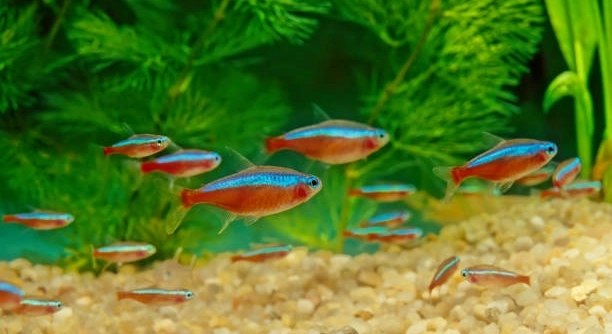
Neon Tetras are small, colorful fish that make a beautiful addition to aquariums. However, it can be concerning when they suddenly stop swimming. Understanding the reasons behind this change in behavior is important for their well-being.
Neon Tetras may stop swimming for several reasons, including poor water quality, stress, or illness. Environmental factors such as temperature, tank mates, and diet can also contribute to this behavior, which should be addressed promptly to restore their health.
Learning about the causes of this behavior can help you identify potential problems and make adjustments to improve their condition. This article will cover common reasons why your neon tetra may stop swimming and provide helpful solutions to get them moving again.
Poor Water Quality
Water quality is one of the most common reasons why neon tetras may stop swimming. These fish are sensitive to changes in their environment. Ammonia, nitrites, and nitrates can build up in the tank, leading to toxic conditions. High levels of these substances can harm their health, causing stress and making them lethargic. If the water pH, hardness, or temperature is not in the ideal range, it can also cause issues. Neon tetras thrive in stable water with a pH of 6.0 to 7.0 and a temperature of 72°F to 78°F.
Testing the water regularly with a water test kit is crucial. If you notice ammonia or nitrites are high, perform a water change immediately. A filter should also be running properly to maintain good water flow and keep the tank clean. Ensuring the water remains clean and at a consistent temperature is one of the best ways to keep your neon tetras healthy and active.
Water changes should be done routinely to prevent buildup, and it’s essential to monitor the fish for any signs of stress. Regular testing ensures that the water parameters are in check, allowing your fish to swim freely. If the water quality is restored, you may notice the tetras becoming more active again.
Stress
Stress can have a major impact on the health and behavior of your neon tetras. These fish can become stressed for many reasons, including overcrowded tanks, poor tank mates, or changes in their environment. When neon tetras feel threatened, they may stop swimming and hide. Overcrowding in the tank is a common cause of stress. It leads to a lack of space and competition for food, which can cause the fish to feel anxious. If your tetras are constantly hiding or staying still, they might be overwhelmed by their surroundings.
To reduce stress, ensure your tank is the right size and that the fish have enough space to swim freely. Additionally, make sure the tank mates are peaceful. Aggressive or overly active fish can stress neon tetras, causing them to retreat and stop swimming. Providing plenty of hiding spots and plants also helps make them feel secure. The less stressed your fish are, the more likely they will swim around the tank and thrive.
Illness or Disease
Neon tetras can stop swimming if they are suffering from illness or disease. Symptoms like staying still at the bottom, discolored fins, or rapid gill movement often point to a health problem. Common diseases in neon tetras include neon tetra disease, parasites, or bacterial infections.
If your fish is sick, it’s important to diagnose the problem as soon as possible. Quarantining sick fish in a separate tank is key to preventing the spread of disease. Offering medicated food or adding aquarium salt can help treat certain infections. A consistent water temperature and clean tank are essential for recovery. If symptoms persist or worsen, consulting with a vet is recommended to ensure proper treatment.
Maintaining good hygiene, including sterilizing tank equipment and avoiding overfeeding, can prevent diseases from spreading. Regularly checking for signs of illness ensures that you can take action quickly. While most diseases are treatable with the right care, quick intervention is often needed to avoid further complications and restore your fish’s health.
Temperature Fluctuations
Neon tetras are very sensitive to changes in water temperature. If the water temperature fluctuates too much, your fish may stop swimming or become lethargic. They prefer a consistent environment, and sudden shifts in temperature can cause stress or even shock. Neon tetras thrive in water between 72°F and 78°F.
To avoid temperature stress, make sure your aquarium has a reliable heater that maintains a stable temperature. If you live in an area with fluctuating room temperatures, using a thermometer to monitor the tank’s water temperature is essential. Also, avoid placing the tank near windows, air conditioning units, or heaters, as these areas can cause sudden temperature changes. Keeping the temperature steady will help prevent your neon tetras from becoming inactive or stressed.
In extreme cases, temperature fluctuations can cause your fish to stop eating or swim erratically. If the temperature has dropped or risen drastically, gently adjusting it back to the correct range can help your tetras regain their activity levels.
Poor Diet
A poor diet can cause your neon tetras to become sluggish and stop swimming. These fish require a balanced diet of high-quality flakes, pellets, and occasional live food like brine shrimp. Inadequate nutrition can lead to weakened immune systems and a lack of energy.
Make sure your neon tetras are getting a varied diet to support their health. Offering them different types of food ensures they receive the right nutrients. If they are fed too much of one type of food or something unsuitable, they might lack the necessary vitamins, which can affect their swimming behavior. A well-rounded diet will keep them active and happy.
Feeding your fish in moderation is also important. Overfeeding can lead to poor water quality, which can stress your fish and lead to inactivity. Consider feeding your neon tetras twice a day in small amounts, and remove any uneaten food to keep the water clean.
Tank Size
The size of your tank plays a significant role in the health and activity level of neon tetras. A tank that is too small can make your fish feel cramped and stressed, leading to a lack of movement. Neon tetras need space to swim around comfortably.
A minimum of a 10-gallon tank is recommended for a small group of neon tetras. If the tank is too small, they may feel overwhelmed, and this stress can cause them to stop swimming. Additionally, overcrowding the tank can make it difficult for each fish to find food and hide when needed, further contributing to stress. Ensuring that there is enough room for all of your fish to swim freely will help them stay active.
In larger tanks, water parameters are easier to maintain, and the fish will have more room to explore. Make sure to consider the size of your tank when adding new fish to avoid overcrowding, as this can also affect your neon tetras’ swimming behavior.
Tankmates
The type of tankmates you keep with your neon tetras can affect their behavior. If you have aggressive or larger fish, they may intimidate the neon tetras, causing them to stop swimming. Choosing peaceful, non-aggressive tankmates is essential for a stress-free environment.
Neon tetras do best when kept with other small, peaceful fish. Fish like guppies, corydoras, and small rasboras are good companions for them. Avoid housing them with larger, more aggressive species that may chase or nip at them. Providing a calm environment will help reduce stress and encourage the tetras to swim actively.
FAQ
Why are my neon tetras not swimming as much?
Neon tetras may stop swimming for several reasons, including poor water quality, stress, illness, or improper tank conditions. Check the water parameters, such as temperature, pH, and ammonia levels, as these factors directly affect their behavior. Also, ensure that your tank isn’t overcrowded, as it can lead to stress and lethargy. If all environmental factors are in check, a visit to the vet may be needed to rule out any potential diseases.
How can I tell if my neon tetra is stressed?
Signs of stress in neon tetras include hiding, lack of movement, rapid gill movement, or faded colors. If your fish are constantly staying still at the bottom or swimming erratically, it could be a sign of stress. Check for environmental factors such as aggressive tankmates or poor water quality, as these are common causes. Reducing stress factors can help your fish feel more secure and start swimming again.
Can neon tetras stop swimming if they are sick?
Yes, illness is a common reason for neon tetras to stop swimming. Neon tetra disease, parasites, or bacterial infections can all cause lethargy and a lack of movement. You may notice other symptoms, such as faded colors, bloated bellies, or clamped fins. If you suspect your fish is sick, isolate it in a separate tank to prevent spreading the illness. Medicated food and proper water care may help, but it’s best to consult a vet if symptoms persist.
How do I improve the water quality for my neon tetras?
Maintaining excellent water quality is crucial for the health of your neon tetras. Use a water testing kit to regularly monitor levels of ammonia, nitrites, and nitrates. Make sure the pH is between 6.0 and 7.0 and the temperature is around 72°F to 78°F. Perform regular water changes (about 25% weekly) to remove waste and replenish beneficial bacteria. A good filter will help keep the water clean and oxygenated. Poor water quality can stress your fish and lead to inactivity, so keeping the tank clean is essential.
Why do my neon tetras stay at the bottom of the tank?
Neon tetras staying at the bottom of the tank can be a sign of stress, illness, or poor water conditions. If the water quality is poor or the temperature is fluctuating, they may feel unsafe or uncomfortable, causing them to hide at the bottom. If they’re showing other symptoms, like faded color or clamped fins, it could indicate illness. Check the water parameters, and consider reducing any stress factors like aggressive tankmates. If these steps don’t improve their behavior, a trip to the vet may be necessary.
Is it normal for neon tetras to stop swimming at night?
It is completely normal for neon tetras to become less active at night. Like most fish, they are diurnal, meaning they are more active during the day and sleep at night. They may rest at the bottom or near plants in the tank to sleep. However, if they are still inactive during the day, it may indicate an issue that needs addressing. Ensure your fish have a stable environment with consistent light and temperature.
How can I reduce stress for my neon tetras?
Reducing stress involves ensuring that your tank is a peaceful environment. Keep tankmates that are compatible with neon tetras, such as small, non-aggressive species. Make sure the tank is not overcrowded, and provide plenty of plants and hiding spaces. A stable water temperature between 72°F and 78°F, with appropriate pH levels, is also key. Avoid sudden changes in the tank environment, as this can cause stress. Finally, keeping the tank clean and performing regular water changes will go a long way in maintaining a stress-free atmosphere for your neon tetras.
What temperature should I keep the water at for neon tetras?
Neon tetras prefer a water temperature between 72°F and 78°F (22°C to 26°C). Sudden temperature fluctuations can stress them out and cause them to stop swimming. It’s important to use a reliable heater and thermometer to maintain a consistent temperature. If the water is too cold or too warm, your neon tetras may become lethargic or even sick. Keeping the temperature stable within this range will keep your tetras active and healthy.
Can poor tank mates make my neon tetras stop swimming?
Yes, aggressive or incompatible tankmates can cause neon tetras to stop swimming. Larger fish or aggressive species may intimidate your tetras, making them retreat and become less active. It’s important to choose peaceful tankmates, such as small fish like guppies or corydoras, that won’t harass your neon tetras. Avoid species that are known to be aggressive, as this can cause your fish unnecessary stress and prevent them from swimming. Make sure your fish have enough space to feel secure.
How often should I feed my neon tetras?
Neon tetras should be fed small amounts two to three times a day. Overfeeding can lead to water quality problems, which can stress your fish and make them less active. Only provide enough food that they can consume in a few minutes, and remove any uneaten food to prevent it from polluting the tank. Offering a variety of food, such as flakes, pellets, and occasional live or frozen treats like brine shrimp, ensures that your fish are getting a balanced diet to stay healthy and active.
Do neon tetras stop swimming when they are breeding?
Neon tetras may reduce their swimming activity when they are preparing to breed, as they become more focused on finding a mate and creating a suitable environment for their eggs. During this time, you may notice them becoming more sedentary, hiding, or swimming in pairs. However, if your neon tetras are consistently inactive or displaying other symptoms of distress, it’s important to rule out other potential issues such as illness or poor water quality.
Final Thoughts
Neon tetras are beautiful, small fish that make a great addition to any aquarium, but it can be concerning when they suddenly stop swimming. There are several reasons why this may happen, ranging from poor water quality to stress, illness, or even temperature fluctuations. Identifying the cause of the inactivity is crucial for restoring their health and activity levels. Keeping your tank clean, maintaining proper water parameters, and providing a stress-free environment are key to ensuring your neon tetras thrive.
When caring for neon tetras, it’s important to regularly monitor the water quality. Test for ammonia, nitrites, and nitrates, and perform regular water changes to keep the tank clean. Maintaining the right temperature and pH level will also help keep your tetras healthy and active. A stable environment is essential for reducing stress, and ensuring your fish have adequate space and compatible tankmates is also important. Keeping the tank clean and providing a balanced diet will help your tetras stay active and happy.
If your neon tetras stop swimming despite your efforts, don’t hesitate to consult a vet or aquarium specialist. Illnesses such as neon tetra disease or parasites can cause lethargy and inactivity, but they can often be treated with the right medication and care. Early intervention is key, so be sure to address any potential health issues quickly. By maintaining a clean, stable tank environment and being proactive with care, you can keep your neon tetras swimming freely and enjoying their time in your aquarium.

Hello,
If you enjoy the content that we create, please consider saying a "Thank You!" by leaving a tip.
Every little bit helps us continue crafting quality advice that supports the health, happiness, and well-being of pets around the world, for pets of all shapes, sizes, and species.
We really appreciate the kindness and support that you show us!