
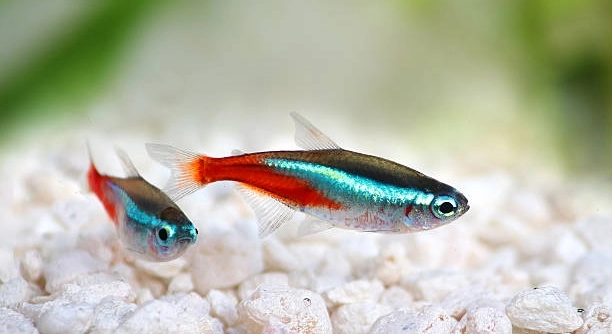
Neon Tetras are a popular choice for aquarium enthusiasts. However, it can be concerning when these colorful fish avoid the bottom of the tank. Understanding the reasons behind their behavior can help ensure they thrive in your aquarium.
The main reason your neon tetras avoid the bottom of the tank is often due to water quality or environmental stressors. Poor water conditions, high tank temperature, or the presence of aggressive tank mates can discourage them from swimming near the substrate.
There are several factors to consider when addressing this behavior. By adjusting your aquarium setup, you can help your Neon Tetras feel more comfortable and encourage them to explore the tank’s bottom again.
Poor Water Quality
Water quality plays a significant role in the behavior of your Neon Tetras. If the water is too dirty or has high levels of ammonia, nitrites, or nitrates, it can lead to stress, making your fish avoid certain areas of the tank, including the bottom. Proper filtration and regular water changes are essential to keep the water clean and safe. Neon Tetras are sensitive to poor water conditions, and even small fluctuations can impact their activity levels. Monitoring water parameters like pH, hardness, and temperature is also important. These fish thrive in stable conditions, and an unhealthy environment can lead to them staying in the middle or top sections of the tank.
To maintain ideal water conditions, it’s recommended to perform partial water changes every week. You should also use a water testing kit to regularly monitor ammonia, nitrite, and nitrate levels. If you notice any spikes in these parameters, take action immediately by adjusting your filtration system or using a water conditioner.
High Tank Temperature
Neon Tetras prefer cooler water temperatures, typically between 70°F to 81°F (21°C to 27°C). When the water gets too warm, they may avoid swimming near the bottom of the tank, where it can be slightly cooler. These fish are not built for extremely high temperatures and will naturally seek areas where they feel more comfortable.
A tank that is too hot can stress your Neon Tetras, leading them to seek refuge in areas away from the substrate. This can cause them to exhibit unusual behavior, including avoiding the bottom of the tank. To fix this, you can adjust the heater setting to maintain a comfortable range for your fish. Additionally, adding plants or hiding spots near the bottom can provide them with a sense of security.
Some fish, like Neon Tetras, are very sensitive to temperature changes, and any drastic shift can lead to stress. Maintaining a stable and moderate temperature is essential for their well-being.
Aggressive Tank Mates
Neon Tetras are peaceful fish and can be stressed by aggressive tank mates. Larger or territorial fish may chase them away from certain areas, including the bottom of the tank. This can cause them to avoid lower parts of the aquarium, seeking safer spaces instead.
If your tank mates are aggressive, consider separating them or introducing more hiding spots for your Tetras. Adding live plants or decorations can give them refuge. Ensuring your tank is filled with peaceful, compatible fish is important to maintain harmony and reduce stress for your Neon Tetras.
Aggression from tank mates can also result in physical harm, like fin nipping. When choosing tank mates, opt for peaceful species that won’t harm or bully your Neon Tetras. Fish such as Corydoras catfish, guppies, or small rasboras are generally safe. Keeping a balanced community in the tank will help your Neon Tetras feel secure and more likely to explore all parts of the aquarium, including the bottom.
Lack of Hiding Spots
Neon Tetras feel more comfortable when they have plenty of hiding spots in the tank. Without places to hide, they may feel exposed and stressed, causing them to avoid areas like the bottom. This is particularly true if they are not confident in their environment.
To help your Neon Tetras feel safe, consider adding more plants, rocks, or decorations to the bottom of the tank. These hiding spots will give them a sense of security and allow them to explore the lower areas. It’s also important to avoid overcrowding the tank, as too many fish can create stress and limit space for your Tetras to hide.
Hiding spots provide Neon Tetras with both comfort and protection. They are naturally shy and prefer areas where they can retreat if needed. By creating a more structured environment with plenty of hiding spots, you can encourage them to spend more time at the bottom of the tank.
Overcrowding
Overcrowding your aquarium can cause stress for your Neon Tetras. When there are too many fish, they have less space to swim, which can make them feel unsafe and lead to behavior changes, such as avoiding the bottom of the tank.
To avoid overcrowding, follow the recommended stocking guidelines for your tank size. Each fish species has specific space requirements, and exceeding these limits can result in health problems and abnormal behavior. Make sure to regularly assess the tank and remove any excess fish if needed to ensure a calm, healthy environment for your Neon Tetras.
Tank Lighting
Bright or harsh lighting can make your Neon Tetras uncomfortable. These fish prefer subdued lighting that mimics their natural habitat, and bright lights can cause them to avoid certain areas, including the bottom of the tank.
To help your Tetras feel at ease, consider using dim lighting or installing a light that simulates natural conditions. You can also add plants or decorations that provide shaded areas, helping to reduce the effect of intense lighting and encouraging them to explore the bottom of the tank more.
Inadequate Diet
A poor or imbalanced diet can affect the behavior of your Neon Tetras. If they are not getting the right nutrients, they may become lethargic or stressed, causing them to avoid the bottom of the tank.
Ensure you are feeding your Tetras a varied and balanced diet, including high-quality flakes, pellets, and occasional live or frozen food. A healthy diet promotes energy and encourages normal behavior, such as exploring all parts of the tank.
FAQ
Why do my Neon Tetras stay at the top of the tank?
Neon Tetras may stay at the top of the tank due to water quality issues, including high levels of ammonia or low oxygen levels. They are more likely to seek the surface if the water is poorly oxygenated or too warm. Another reason could be stress caused by aggressive tank mates or inadequate hiding spots. Ensure your water is clean and well-filtered, and consider adjusting the tank’s temperature. Adding plants and hiding spaces can also provide security, helping your Neon Tetras feel more comfortable throughout the tank.
Do Neon Tetras prefer the bottom of the tank?
Neon Tetras are not bottom-dwelling fish but typically swim throughout the middle and top levels of the tank. They may venture toward the bottom occasionally, especially if they feel secure with plenty of hiding spots. However, they do not specifically prefer the bottom unless it offers better protection or more comfort, like cooler temperatures or sheltered areas. Providing a balanced environment with enough plants, rocks, and other decorations will allow them to feel at ease in different parts of the tank.
Can Neon Tetras live alone?
Neon Tetras are schooling fish and thrive in groups of at least six. Keeping them alone can lead to stress and health issues, as they are social creatures that rely on the presence of others for security. A solitary Neon Tetra might display abnormal behavior, including staying in one area of the tank. If you can, keep at least five or six in your aquarium to help them feel safe and encourage natural behavior. Adding more Tetras will make them feel more comfortable and less likely to isolate themselves.
How can I improve the environment for my Neon Tetras?
To create a better environment for your Neon Tetras, focus on water quality, temperature, and tank decorations. Regular water changes are important to maintain a healthy tank. Aim for water temperatures between 70°F and 81°F (21°C to 27°C) and make sure the pH is slightly acidic to neutral (around 6.0-7.0). Add plants, rocks, or driftwood to provide hiding spots and mimic their natural habitat. Also, ensure there are no aggressive tank mates that could stress them out. A balanced and peaceful environment will keep your Neon Tetras healthy and active.
Do Neon Tetras need a filter?
Yes, a filter is essential for maintaining water quality in your aquarium. Neon Tetras are sensitive to poor water conditions, and without proper filtration, harmful toxins like ammonia and nitrates can build up. A filter will help remove these toxins and keep the water oxygenated, promoting healthier and happier fish. Be sure to choose a filter suitable for the size of your tank and avoid one with too strong a current, as it might stress the Tetras. Regular maintenance of the filter, such as cleaning or replacing the filter media, is also important.
Can I keep Neon Tetras with other species?
Neon Tetras are peaceful and generally get along well with other non-aggressive species. Good tank mates include Corydoras catfish, small rasboras, and peaceful shrimp. Avoid keeping them with larger or aggressive fish, such as cichlids or barbs, as they may stress the Tetras or try to harm them. It’s important to create a peaceful community with species that have similar water requirements. Also, make sure there are enough hiding spots and space for all fish to coexist comfortably.
Why are my Neon Tetras swimming in circles?
If your Neon Tetras are swimming in circles, it could be a sign of stress, poor water quality, or insufficient space. Tetras may display erratic behavior if the water has high levels of toxins or if they are feeling cramped due to overcrowding. First, check the water parameters and perform a water change if necessary. Make sure your tank isn’t overcrowded and that your fish have enough space to swim freely. Adding decorations or plants can provide more structure and security for your fish, encouraging more natural behavior.
How do I know if my Neon Tetras are stressed?
Signs of stress in Neon Tetras include unusual swimming patterns, such as darting around or staying in one spot, loss of color, or hiding more than usual. They may also swim near the surface or bottom excessively, depending on the source of stress. Stressed fish may also stop eating or display erratic swimming. If you notice these behaviors, check water quality, temperature, and tank conditions. Aggressive tank mates or a lack of hiding spots could also be contributing factors. Addressing these issues promptly will help your Tetras recover.
Can Neon Tetras eat algae?
Neon Tetras are not primarily algae eaters, but they may nibble on algae in the tank. Their diet consists mainly of small invertebrates, plankton, and plant matter in the wild. While they might graze on algae occasionally, it’s important to provide them with a varied diet to ensure proper nutrition. High-quality flakes, pellets, and occasional live or frozen food like brine shrimp or daphnia will keep your Tetras healthy. Having algae-eating species like Amano shrimp or Otocinclus catfish in the tank can help manage excess algae growth.
Final Thoughts
Neon Tetras are sensitive fish that can sometimes display unusual behavior, like avoiding the bottom of the tank. While there could be several reasons for this, most of them are related to water quality, tank conditions, or environmental stressors. By making sure your tank has proper filtration, temperature, and hiding spots, you can create a space where your Tetras feel secure. These small adjustments can make a big difference in their overall behavior and health.
Remember that Neon Tetras are social fish and thrive in groups. Keeping them in a school of at least six will help reduce stress and encourage natural swimming patterns. It’s also essential to ensure that they’re housed with compatible tank mates. Aggressive or large fish may intimidate them, leading to unusual behaviors like staying at the top of the tank or avoiding certain areas. Peaceful community tanks help to promote a more relaxed and active environment for your Tetras.
Lastly, paying attention to their diet and making sure they are receiving a balanced mix of food can also affect their behavior. A poor diet can cause lethargy and a lack of interest in exploring the tank, including the bottom. With a well-rounded approach to water conditions, tank setup, social structure, and feeding, you’ll likely see your Neon Tetras becoming more active and healthier, moving around all areas of the tank as they should.

Hello,
If you enjoy the content that we create, please consider saying a "Thank You!" by leaving a tip.
Every little bit helps us continue crafting quality advice that supports the health, happiness, and well-being of pets around the world, for pets of all shapes, sizes, and species.
We really appreciate the kindness and support that you show us!