
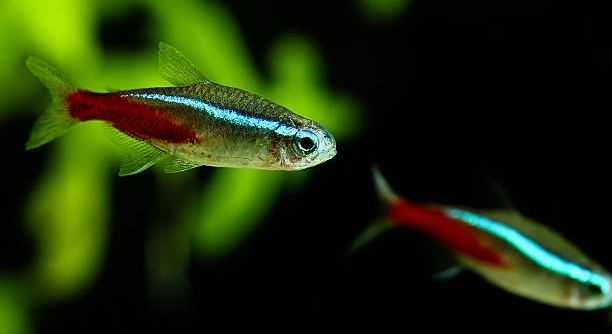
Neon Tetras are popular fish in aquariums, known for their vibrant colors and peaceful nature. But if you notice your Neon Tetra resting on the substrate, it could be a sign of something happening in its environment.
There are several reasons why your Neon Tetra might be staying on the bottom of the tank. It could be due to stress, poor water conditions, or even an underlying health issue. Proper care and observation are essential in diagnosing the problem.
By understanding the potential causes, you can make adjustments to improve your fish’s well-being. Keep reading to discover what might be going wrong and how to help your Neon Tetra thrive again.
Stress or Fear
When a Neon Tetra stays near the substrate, stress or fear might be at play. These fish are small and sensitive to changes in their environment. Loud noises, sudden movements, or the introduction of new tank mates can easily frighten them. If a Tetra feels threatened, it may retreat to the bottom for protection.
In many cases, Neon Tetras are naturally timid and seek shelter when they are stressed. Providing hiding spots with plants or decorations can help them feel more secure. It’s also essential to monitor the tank for sudden environmental changes or aggressive behavior from other fish.
If your Tetra shows signs of stress, such as staying hidden or darting away when approached, it’s important to give them some space. Keep the tank peaceful and avoid introducing any new fish too quickly. Giving your Tetra time to adjust can help reduce stress levels and encourage normal behavior.
Poor Water Quality
Poor water quality is another major reason Neon Tetras may rest on the substrate. Fish are highly sensitive to changes in their water environment, including temperature, pH, and ammonia levels. A significant shift in any of these can cause stress or even health problems. If your Neon Tetra is resting at the bottom and displaying lethargy, checking the water quality is crucial.
Make sure to regularly test the water parameters in your aquarium. Ammonia, nitrites, and nitrates should be kept within safe levels. The temperature should also be stable, as fluctuating temperatures can affect fish behavior. A water change may be needed if you find that these levels are high. A clean, stable tank is important for keeping your fish healthy and active. Regular water maintenance will help prevent the issues that can make your Tetra retreat to the bottom of the tank.
Illness or Injury
If your Neon Tetra continues to rest on the substrate, illness or injury could be the cause. Fish sometimes hide when they are not feeling well, and your Tetra may be doing this to recover. Look for signs of illness like faded colors, swelling, or odd swimming behavior. A sick fish may have trouble swimming and prefer staying still near the bottom of the tank.
Injuries can also lead to a Tetra resting more than usual. Fish can get hurt if they collide with sharp objects in the tank or are attacked by other fish. If you notice any visible injuries, treat the situation promptly. Isolating the injured fish in a quarantine tank can prevent further harm from aggressive tank mates and allow it to heal.
While resting at the substrate might be normal behavior from time to time, prolonged lethargy often indicates a deeper issue. Acting quickly can prevent further complications and ensure your Tetra’s recovery.
Tank Setup and Compatibility
Your tank setup could also be influencing your Neon Tetra’s behavior. These fish prefer a well-planted tank with plenty of hiding spots. If your aquarium is too open or lacks shelter, your Tetra may feel unsafe and seek refuge at the bottom. Ensuring a balanced environment with hiding places such as plants, rocks, or driftwood can improve your fish’s comfort.
Additionally, tank mates play an important role in your Tetra’s well-being. Neon Tetras are peaceful and may feel threatened by more aggressive fish. If you have larger or overly active fish in the tank, they may intimidate the Tetra and cause it to retreat to the substrate. Try to keep them with similar peaceful species to maintain a calm environment.
Proper tank setup and choosing the right tank mates can help your Tetra feel safe and reduce stress.
Overfeeding
Overfeeding can cause lethargy in Neon Tetras. When they consume more food than they can digest, they may become sluggish and rest at the bottom. Excess food can also lead to water quality issues, which can further stress the fish.
If your Neon Tetra is resting more than usual, consider adjusting your feeding routine. Offer smaller portions of food that the fish can eat within a few minutes. Uneaten food should be removed promptly to avoid water contamination. Keeping track of feeding amounts ensures your fish stay active and healthy, while the tank remains clean and stable.
Overfeeding not only impacts your Tetra’s health but also affects the overall ecosystem of the tank. Too much food can cause ammonia buildup and disrupt the nitrogen cycle. In turn, this can contribute to poor water quality and stress your fish even further. A balanced feeding schedule is essential for keeping your fish in top condition.
Temperature Fluctuations
Neon Tetras are sensitive to temperature changes. If the water is too cold or fluctuates frequently, your Tetra may retreat to the bottom. These fish prefer temperatures between 72°F and 78°F (22°C to 26°C). Sudden drops or rises can cause them to become lethargic.
Make sure to maintain a stable temperature within the recommended range. Using a reliable aquarium heater and thermometer can help regulate the water temperature. Temperature swings can weaken your fish’s immune system, making them more prone to stress and illness. Keep an eye on the water’s consistency to prevent sudden changes that might cause discomfort.
A stable environment is key to the health of your Tetra. With consistent temperature control, your Neon Tetra will feel secure and less likely to rest on the substrate. Always double-check that your heater is working properly to ensure a comfortable habitat for your fish.
Tank Maintenance
Neglecting regular tank maintenance can lead to various issues, including substrate-related stress. Dirty tanks with poor filtration and high levels of organic waste can lead to oxygen depletion, causing your Neon Tetra to rest near the bottom. Keeping your aquarium clean is essential for preventing this.
Regular water changes, vacuuming the substrate, and maintaining a good filtration system will keep your tank in prime condition. Cleaning the tank helps reduce toxins and improve water quality, which in turn creates a healthier environment for your Tetra. Pay attention to the water’s clarity, and don’t let waste accumulate on the bottom.
A properly maintained tank promotes the well-being of all its inhabitants. Neglecting this responsibility can lead to not only your Tetra resting on the bottom but also the potential development of other health problems. Keep up with maintenance to ensure a healthy environment for your fish.
Old Age
As Neon Tetras age, their activity levels naturally decrease. Older fish may spend more time resting, including at the substrate. While this is normal, it’s still important to keep an eye on their behavior for signs of illness.
Older Tetras tend to move less and may prefer staying close to the bottom. It’s important to provide them with a stress-free environment and avoid overfeeding. Regular water changes and careful monitoring of their health can ensure they live comfortably during their later years.
If your Neon Tetra is simply resting more as it gets older, just ensure it is still eating well and not showing signs of distress. Keep their tank clean, and they’ll likely continue to live a healthy life.
Breeding Behavior
When breeding, Neon Tetras sometimes rest near the bottom of the tank, especially if they are preparing to lay eggs. They may spend more time in the lower regions of the tank during this period.
Breeding behavior can cause temporary changes in their usual activity patterns. Keep the environment calm and ensure water quality is optimal for successful breeding. If your Tetra shows signs of restfulness along with changes in appearance, like a slightly swollen belly, it could be preparing for reproduction.
While breeding, your Tetras may become more sedentary. However, it’s typically a brief phase and not a cause for concern if they return to their normal behavior afterward.
Injuries or Infection
Injuries or infections can cause your Neon Tetra to rest on the substrate. If they have been hurt or infected, they may feel weak and seek the bottom for comfort. Injuries can happen due to tank mates or sharp decorations.
When a Tetra is injured or sick, it’s important to isolate it in a quarantine tank if needed. This minimizes stress and prevents the spread of illness. Look for any visible signs such as swelling, lesions, or unusual spots. These may indicate a need for treatment.
It’s essential to diagnose any potential infections early and administer appropriate treatments. The quicker you respond, the better the chances for recovery.
FAQ
Why is my Neon Tetra lying on the bottom of the tank?
If your Neon Tetra is resting at the bottom of the tank, it could be due to stress, poor water quality, or an underlying health problem. Stress can result from sudden changes in the environment, such as new tank mates or loud noises. Poor water conditions, such as high ammonia levels or incorrect temperature, can also cause lethargy. Additionally, illnesses or injuries can lead to the fish staying near the substrate for comfort and protection.
How can I tell if my Neon Tetra is stressed?
Signs of stress in Neon Tetras include erratic swimming, hiding in corners, or staying at the bottom of the tank for extended periods. They may also display faded colors or appear skittish when approached. Stress can result from environmental changes, incompatible tank mates, or overfeeding. Monitor their behavior closely and try to identify any recent changes in the tank to determine the cause.
What water conditions should I maintain for my Neon Tetra?
Neon Tetras thrive in water with a temperature between 72°F and 78°F (22°C to 26°C). The pH level should be between 6.0 and 7.5, and the water hardness should range from 2 to 10 dGH. Ensure ammonia and nitrites are at zero, while nitrates should be kept below 20 ppm. Regular water changes and a good filtration system will help maintain these ideal conditions.
Can overfeeding cause my Neon Tetra to rest more?
Yes, overfeeding can make your Neon Tetra more lethargic and cause it to rest on the substrate. When Tetras consume more food than they can digest, it can lead to bloating and digestive issues. Excess food left in the tank can also negatively impact water quality, further contributing to stress. It’s best to feed small portions that your fish can consume in a few minutes, and remove any uneaten food promptly.
Is it normal for Neon Tetras to stay at the bottom of the tank?
Occasionally, it’s normal for Neon Tetras to rest at the bottom, especially during the night or when they’re feeling relaxed. However, if they spend prolonged periods on the substrate or seem lethargic during the day, it might indicate a problem such as poor water quality, stress, or illness. Regular monitoring and maintaining a stable tank environment are key.
Can temperature changes affect my Neon Tetra’s behavior?
Yes, Neon Tetras are sensitive to temperature changes. If the water temperature fluctuates or is outside their preferred range (72°F to 78°F), they may become stressed and seek refuge at the bottom of the tank. Make sure the water temperature remains stable by using an aquarium heater and thermometer. Large temperature swings can compromise your fish’s immune system and overall health.
How can I improve the environment for my Neon Tetra?
Improving your Tetra’s environment can help them feel more secure and reduce the likelihood of resting at the substrate. Add live plants, rocks, or driftwood to create hiding spots and a more natural feel. Keep the tank clean by performing regular water changes and ensuring the filtration system is working well. Avoid introducing aggressive tank mates, as they can stress your fish.
What should I do if my Neon Tetra seems sick?
If you notice signs of illness, such as faded colors, unusual swimming, or visible sores, it’s important to isolate your Neon Tetra in a quarantine tank to prevent further spread of disease. Check water quality, as poor conditions can weaken your fish’s immune system. Consult with a vet or aquarium specialist to determine the cause and get proper treatment for your fish.
Is my Neon Tetra just resting or is it unwell?
It can be tricky to tell if your Neon Tetra is simply resting or unwell. If it’s only occasionally at the bottom and seems otherwise active and healthy, it may just be resting. However, if your fish remains inactive for long periods, has difficulty swimming, or shows other symptoms like discoloration, it might be sick or stressed. Monitoring behavior and health regularly is the best way to distinguish between normal rest and signs of illness.
Can breeding affect my Neon Tetra’s behavior?
Yes, breeding can cause changes in your Neon Tetra’s behavior. During the breeding process, they may spend more time near the bottom of the tank. The female may appear swollen as she prepares to lay eggs. This behavior is usually temporary and should resolve once the breeding period is over. Make sure the tank environment is calm and provide adequate hiding spots for the fish during this time.
How do I prevent my Neon Tetra from becoming sick?
Preventing sickness in Neon Tetras starts with maintaining excellent water quality. Keep the tank clean, perform regular water changes, and monitor ammonia and nitrate levels. Avoid overcrowding the tank and ensure all tank mates are compatible. A balanced diet of high-quality food and proper temperature control will also contribute to your Tetra’s overall health.
Can Neon Tetras live with other species?
Yes, Neon Tetras are peaceful and generally do well with other small, non-aggressive species. However, avoid placing them with larger or more aggressive fish, as this can cause stress. Ideal tank mates include other small tetras, rasboras, and peaceful community fish. Always observe how different species interact to ensure a harmonious tank.
How long do Neon Tetras live?
Neon Tetras typically live for about 5 to 10 years, depending on their care and the environment. Proper water quality, a balanced diet, and a stress-free environment can help ensure they live a long and healthy life. Regular monitoring of their behavior and health can prevent potential issues that might shorten their lifespan.
Final Thoughts
Neon Tetras are small, beautiful fish that can bring color and tranquility to any aquarium. However, when they start resting on the substrate, it’s important to observe their behavior closely. While it can sometimes be a normal part of their rest cycle, prolonged or frequent inactivity may point to underlying issues like poor water quality, stress, or health problems. By understanding the factors that can affect their behavior, you can ensure your Tetra’s well-being and prevent unnecessary stress.
Maintaining a clean and stable tank is key to keeping your Neon Tetras happy and healthy. Regular water changes, proper filtration, and monitoring of water parameters are essential steps in providing a safe environment for your fish. Additionally, creating a peaceful atmosphere with compatible tank mates and hiding spots will help reduce stress. If you notice any signs of illness or unusual behavior, acting quickly can make a big difference in your Tetra’s recovery. It’s always better to address potential problems sooner rather than later.
In conclusion, your Neon Tetra’s behavior can tell you a lot about its current state of health and happiness. By keeping an eye on their environment and addressing any issues, you can enjoy the beauty of these vibrant fish for many years. Whether it’s adjusting feeding habits, improving water quality, or giving them the space they need to thrive, small changes can go a long way in ensuring your Neon Tetra’s long-term health and comfort. Taking proactive steps today can lead to a more vibrant and thriving tank tomorrow.

Hello,
If you enjoy the content that we create, please consider saying a "Thank You!" by leaving a tip.
Every little bit helps us continue crafting quality advice that supports the health, happiness, and well-being of pets around the world, for pets of all shapes, sizes, and species.
We really appreciate the kindness and support that you show us!