
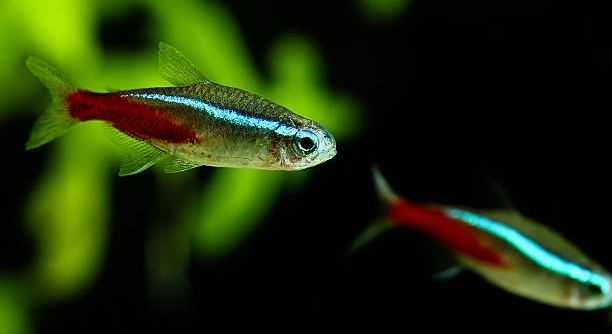
Is your neon tetra spending more time at the bottom of the tank or just hovering around without much movement?
Lethargy in neon tetras is often caused by stress, poor water quality, temperature fluctuations, or underlying health issues. Identifying and correcting these factors can greatly improve your fish’s behavior and overall well-being.
Understanding the reasons behind this change can help you create a healthier environment and prevent future problems in your tank.
Poor Water Quality
Neon tetras are sensitive fish that react quickly to changes in water conditions. If the water is unclean, it can affect their behavior and make them act sluggish or hide more than usual. Ammonia, nitrites, and nitrates should all be kept in check with regular testing. Uneaten food, decaying plants, and waste can raise these levels fast. If your tetra seems off, it’s worth checking the tank’s filter and doing a partial water change. Clean water helps them breathe easier and keeps stress low. Always dechlorinate new water and keep the temperature steady when refilling the tank.
Poor water conditions can lead to stress and health issues that directly affect a neon tetra’s energy levels and behavior.
If you notice cloudy water or a foul smell, it may be time to check the tank more closely. Simple steps like cleaning the gravel and changing 25% of the water weekly can make a big difference. Use a test kit to monitor pH and toxins. Neon tetras thrive in soft, slightly acidic water with stable parameters. Avoid overfeeding, as leftover food breaks down and pollutes the tank. Even if the water looks fine, hidden toxins may still be present. Consistency in maintenance is key to keeping your tetras active and healthy.
Temperature Fluctuations
Sudden temperature changes can shock your neon tetra and cause them to stop swimming actively or hide more often.
Neon tetras come from warm, tropical environments, so they feel best when the water stays between 72°F and 78°F. A temperature outside this range can slow their metabolism, making them less active. If your room temperature drops at night or your tank is placed near a window, this could affect your fish more than you think. Always use a reliable heater and a thermometer to maintain a steady temperature. Even small shifts can make a difference. If your tetra starts acting strange, double-check the water temp first. Keep the tank away from drafts, and avoid sudden changes during water changes. When replacing water, let it reach tank temperature before adding it in. A stable, warm environment encourages active swimming, brighter colors, and better health overall. Temperature might seem like a small detail, but for a neon tetra, it matters a lot.
Stress from Tank Mates
Aggressive or overly active tank mates can cause constant stress for neon tetras, leading them to become lethargic or hide often. These fish prefer calm environments and may shut down if they feel threatened or chased regularly.
If your neon tetra is acting off, look closely at the behavior of other fish in the tank. Species like barbs or larger fish may nip at them or claim too much space. This causes constant anxiety, making the tetra more likely to stay still or retreat to corners. Even fish that don’t seem aggressive can create stress if they move quickly or dominate feeding times. Neon tetras do better in schools of their own kind and with peaceful tank mates. Choosing tank companions carefully can help avoid ongoing stress and support a calmer tank environment that allows them to thrive.
To help your tetras recover, rearrange the tank decorations to break up territories and give them more hiding spots. If aggressive behavior continues, consider rehoming incompatible fish. Monitor feeding times to ensure your tetras are eating enough, as stress can also cause them to miss meals. When they feel safe, neon tetras return to their natural active, schooling behavior. A peaceful setup not only helps your fish feel better, but it also makes the tank more relaxing to watch.
Poor Diet
A diet lacking variety and nutrients can lead to low energy and a weakened immune system in neon tetras, making them appear sluggish over time. A good mix of high-quality flakes, micro pellets, and occasional treats is essential.
Feeding the same food every day can lead to vitamin deficiencies, especially if the food is old or poorly stored. Neon tetras benefit from a mix of dry and frozen foods, such as daphnia or bloodworms, given in small amounts a few times a week. Be careful not to overfeed, as that can cause bloating and pollute the tank. Rotate between different foods to make sure they’re getting enough protein and essential nutrients. If your tetra seems uninterested in eating or stays near the bottom during feeding, try offering a new type of food to spark their appetite. Keeping a balanced feeding schedule improves both energy levels and overall health.
Illness or Infection
Internal parasites, bacterial infections, or even ich can all cause a neon tetra to act sluggish or separate from the group. Lethargy is often one of the first signs something might be wrong with their health.
Watch for other symptoms like faded color, white spots, or clamped fins. These signs often appear along with unusual behavior and can worsen quickly without treatment.
Old Age
As neon tetras grow older, they naturally slow down and become less active. Their colors may also fade a bit, and they might eat less than usual.
Low Oxygen Levels
Low oxygen in the water can make it hard for neon tetras to stay active. They may hover near the surface or breathe heavily.
FAQ
Why is my neon tetra swimming slowly?
If your neon tetra is swimming slowly, it could be due to a few reasons. Poor water quality, temperature fluctuations, or an illness might be the cause. First, check the water parameters, including ammonia, nitrite, and nitrate levels, as high toxins can lead to lethargy. Also, ensure the tank temperature is within the ideal range of 72°F to 78°F. If these factors are okay, consider checking for signs of disease, such as faded colors, clamped fins, or unusual spots. If everything seems fine and the tetra still seems slow, try adjusting its diet or environment to reduce stress.
How do I know if my neon tetra is stressed?
Stressed neon tetras may show signs like hiding, fading colors, or erratic swimming patterns. They may also stay near the bottom of the tank or avoid the other fish. One of the most common causes of stress is poor water quality, but aggressive tank mates or too many fish in the tank can also make your tetra uneasy. If you notice these signs, consider rearranging decorations, adding more hiding spots, or moving any overly aggressive fish.
What should I do if my neon tetra isn’t eating?
If your neon tetra isn’t eating, start by checking the water conditions and making sure the temperature and pH levels are suitable. Poor water quality is one of the main reasons fish lose their appetite. Also, ensure you’re offering a varied diet, as a lack of food variety can make your fish disinterested in feeding. Try offering frozen or live food like daphnia, bloodworms, or brine shrimp to spark their interest. If the tetra still isn’t eating after a few days, it might be sick, so closely monitor for other symptoms of illness.
Can neon tetras recover from stress?
Yes, neon tetras can recover from stress as long as the cause is identified and fixed. Improving water quality, stabilizing the temperature, and eliminating aggressive tank mates can all help. Once the stressor is removed, the tetra should gradually regain its energy and activity level. Stress can weaken a fish’s immune system, so it’s important to address it early to prevent further health issues.
How can I make my neon tetra more active?
To encourage your neon tetra to become more active, start by ensuring the tank’s environment is clean and stable. Regular water changes, appropriate water temperature, and a proper filter are essential for their health. Adding more plants or decorations will also give them hiding spots and areas to explore. Providing a varied and balanced diet with some live food can boost their energy and activity. If the fish are still lethargic, make sure there are no aggressive tank mates causing them stress.
Can neon tetras live alone?
Neon tetras are schooling fish, so they do better in groups. Keeping a single tetra can lead to loneliness and stress, which can affect their health and behavior. It’s recommended to keep at least 5-6 neon tetras together to help them feel secure and maintain their natural social behavior. Without the company of their own species, they may become shy, less active, and more prone to stress.
How do I treat a sick neon tetra?
To treat a sick neon tetra, first, observe its symptoms. Common issues include parasites, fungal infections, or internal problems. If you notice white spots, faded color, or unusual growths, consult a fish vet or treat the water with a medicated solution. Quarantine the sick fish in a separate tank to prevent the spread of disease. Be sure to address water quality, maintain stable temperature, and improve its diet. If the fish doesn’t improve after a few days of treatment, consider professional help.
What tank mates are best for neon tetras?
Neon tetras are peaceful and do best with other calm fish. Good tank mates include small, non-aggressive species like guppies, Corydoras catfish, or other small tetras. Avoid large, predatory fish or fast-swimming fish that might stress your tetras or outcompete them for food. It’s important to choose tank mates that don’t disturb the tetras’ schooling behavior or space.
Can neon tetras live with shrimp?
Yes, neon tetras can live with shrimp, such as Amano shrimp or cherry shrimp, as long as the shrimp are large enough to avoid being eaten. Neon tetras typically do not target shrimp unless they are very small or stressed. Shrimp can help keep the tank clean by eating algae and leftover food, making them a great addition to a peaceful aquarium setup. However, always ensure there are enough hiding spots for the shrimp to escape from any curious fish.
How often should I feed my neon tetra?
Feed your neon tetra small amounts 2-3 times a day. Overfeeding can cause health issues, such as bloating or water quality problems. Offer food that the tetra can consume in 2-3 minutes to avoid leftovers. It’s best to vary the diet with both dry food (flakes or pellets) and occasional live or frozen foods like brine shrimp or bloodworms. A balanced diet will help keep your tetras active and healthy.
How can I tell if my neon tetra is pregnant?
Female neon tetras don’t technically become pregnant but do carry eggs. If a female is full of eggs, she may appear rounder or more swollen in the belly area. While neon tetras are not known for easily breeding in home aquariums, this egg-carrying stage can cause changes in behavior, like reduced activity or hiding. If you notice eggs in the tank, be sure to separate the female from any other fish that may eat them.
Why is my neon tetra swimming upside down?
Swimming upside down can be a sign of swim bladder disorder, a common issue in fish. This condition is often caused by overfeeding, constipation, or water temperature issues. Ensure your tetra isn’t being overfed and check if the tank’s temperature is appropriate. In some cases, offering a fasting period can help reset the swim bladder. If the behavior continues, check for underlying health problems and seek treatment if necessary.
Can I keep neon tetras with goldfish?
Neon tetras are not ideal tank mates for goldfish. Goldfish are cold-water fish, while neon tetras prefer warmer tropical temperatures. Additionally, goldfish can be too large and slow, leading to the tetras being outcompeted for food. Neon tetras also thrive in schools, which can be difficult to achieve with a single goldfish. To maintain a peaceful and thriving tank, it’s better to keep neon tetras with other tropical species.
Final Thoughts
Neon tetras are generally peaceful and hardy fish, but like all pets, they require proper care to stay healthy and active. If your neon tetra is acting lethargic, it is important to look at factors such as water quality, temperature, and tank mates. Keeping the tank clean and monitoring the water parameters regularly is crucial for maintaining a healthy environment for your fish. Poor water quality can quickly lead to stress, which may result in lethargy and other behavioral changes.
In addition to the environment, diet plays a significant role in the health of your neon tetra. Offering a variety of foods, including flakes, pellets, and occasional treats like frozen bloodworms or daphnia, will ensure they get the proper nutrition they need. Overfeeding can also be a problem, so it’s important to feed your neon tetra small amounts that they can eat within a few minutes. A balanced diet combined with clean water and proper tank conditions can keep your fish vibrant and active.
If you notice your neon tetra acting differently, it’s important to identify the underlying cause quickly. Whether it’s stress from tank mates, illness, or environmental factors, the sooner you address the issue, the better chance your fish will have at recovering. Neon tetras are resilient creatures and can bounce back if their needs are met. A little attention and care can go a long way in ensuring your neon tetras stay healthy and energetic.

Hello,
If you enjoy the content that we create, please consider saying a "Thank You!" by leaving a tip.
Every little bit helps us continue crafting quality advice that supports the health, happiness, and well-being of pets around the world, for pets of all shapes, sizes, and species.
We really appreciate the kindness and support that you show us!