
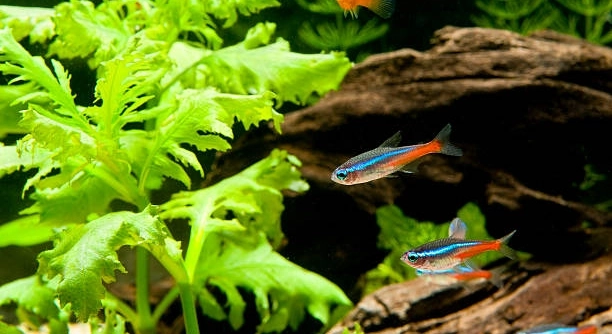
Neon Tetras are popular aquarium fish known for their bright colors and small size. However, it can be concerning when they start gasping for air. This behavior might indicate underlying issues that need attention.
Neon Tetras gasping for air is often caused by poor water quality, low oxygen levels, or health issues. Factors like high ammonia levels, inadequate filtration, or stress can affect their breathing and overall well-being.
Learning more about the possible causes will help ensure your fish thrive and maintain a healthy, vibrant aquarium.
Poor Water Quality
Water quality is one of the main factors affecting your Neon Tetra’s health. Fish need clean, well-maintained water to thrive, and poor water quality can cause them to gasp for air. Ammonia, nitrites, and nitrates build up over time, making the water toxic. Even if you don’t see visible signs of contamination, the levels of these substances can harm your fish. When the water isn’t filtered properly, oxygen levels decrease, making it harder for your Neon Tetra to breathe.
If you notice your fish gasping, it’s time to test your aquarium’s water. You can buy a water testing kit at pet stores. Checking ammonia, nitrite, and nitrate levels will help you determine if they are within safe limits. If levels are high, a water change may be necessary.
A proper filtration system can help keep your tank clean and healthy for longer periods. Regular maintenance and water testing will ensure that your Neon Tetras can swim freely without stress or health issues.
Low Oxygen Levels
Low oxygen levels in the tank are another common reason why Neon Tetras gasp for air. Poor water circulation and overcrowding can decrease oxygen levels, leading to shallow breathing. Oxygen is essential for your fish to stay active and healthy, and without it, they struggle to breathe efficiently.
To resolve this issue, increase water movement with an air pump or filter. Adding live plants to the tank can also boost oxygen levels. Plants naturally release oxygen as part of their photosynthesis process, helping your fish breathe better. Keep in mind that a tank that’s too crowded will limit oxygen for each fish, so ensure proper stocking levels.
Creating an ideal environment with adequate oxygen helps maintain a stable, thriving aquarium.
Inadequate Filtration
An inadequate filtration system can lead to gasping in Neon Tetras. Filters help keep the water clean by removing debris and toxins. Without a proper filter, harmful substances like ammonia and nitrites build up, suffocating the fish.
If your filter isn’t powerful enough for your tank size, it won’t provide adequate circulation or remove enough waste. Consider upgrading to a filter designed for your tank’s specific size. Regularly clean your filter to ensure it works efficiently. This simple step can prevent poor water quality and help your Neon Tetras breathe easier.
A quality filtration system plays a crucial role in keeping your fish healthy and reducing the need for frequent water changes. It ensures that the water remains oxygenated, providing a cleaner, safer environment. Regular maintenance will make sure your filter stays in top condition, supporting a balanced aquatic ecosystem.
Stress from Tank Mates
Stress from tank mates can cause Neon Tetras to gasp for air. When placed in a tank with aggressive or territorial fish, your Tetras may experience anxiety, which affects their breathing. Stress weakens their immune system and reduces their ability to thrive.
If you notice gasping, observe the behavior of other fish in the tank. Aggressive fish may chase, nip, or invade your Neon Tetra’s space, increasing stress. It’s essential to choose peaceful tank mates that won’t harass your Tetras. Keep in mind that fish need space to feel secure, so overcrowding is also a factor in creating stress.
Providing a peaceful, balanced tank environment is key to keeping your Neon Tetras calm and healthy. Monitor interactions between fish and consider adjusting your setup if aggression is a problem. Reducing stress levels will help your fish breathe easier and feel more comfortable in their home.
Overcrowding in the Tank
Overcrowding can lead to gasping in Neon Tetras. Too many fish in a small space increases waste, lowers oxygen levels, and causes stress. Each fish needs enough room to swim freely.
If your tank is too crowded, consider removing some fish to maintain a healthy environment. Make sure each fish has adequate space. This will help improve water quality and prevent your Neon Tetras from becoming stressed or suffocated. It’s crucial to follow proper stocking guidelines for your tank’s size.
A spacious tank allows fish to swim more freely, reducing stress and promoting better oxygenation. Fewer fish also mean less waste, keeping the water cleaner.
Water Temperature
Water temperature plays a big role in your Neon Tetra’s breathing. If the temperature is too high, oxygen levels decrease, leading to gasping. Aim to keep the tank at a stable, appropriate temperature between 72°F and 78°F (22°C-26°C).
Fluctuating temperatures can stress your fish, so avoid placing your aquarium in direct sunlight or near drafts. Consider using a heater with a thermostat to regulate the water temperature. Keeping the tank in a stable environment helps your Neon Tetras breathe easier and stay healthy.
Illness or Disease
Neon Tetras that are sick may exhibit symptoms like gasping for air. Parasites, bacterial infections, and other illnesses can affect their ability to breathe. Look for other signs of illness such as discoloration or lethargy.
FAQ
What causes Neon Tetras to gasp for air?
Neon Tetras may gasp for air due to poor water quality, low oxygen levels, stress, or diseases. Factors such as overcrowding, inadequate filtration, or incorrect water temperature can all contribute to this behavior. It’s essential to maintain clean, oxygen-rich water and keep a peaceful tank environment to prevent stress. Regularly monitor water parameters and ensure the tank is well-maintained to keep your fish healthy.
How can I tell if my Neon Tetra has poor water quality?
Signs of poor water quality include gasping at the surface, erratic swimming behavior, and discoloration of the fish. If you notice these symptoms, it’s a good idea to test the water for ammonia, nitrites, and nitrates. High levels of these substances can lead to oxygen deprivation and other health problems. Regular water changes and proper filtration are key to maintaining good water quality.
Is it safe to add an air pump to my tank?
Yes, adding an air pump can help improve oxygen levels in the tank. Air pumps create surface agitation, which increases oxygen exchange. This is especially beneficial in tanks with low water circulation or during hot weather when oxygen levels naturally decrease. Make sure the air pump is suitable for your tank size to avoid overwhelming your fish.
How often should I clean my aquarium filter?
The frequency of cleaning depends on the size of your tank and filter. Generally, it’s a good idea to clean the filter every 3 to 4 weeks. However, if your tank is heavily stocked, you might need to clean it more often. Always clean the filter with tank water (not tap water) to preserve beneficial bacteria. A well-maintained filter helps keep water clean and oxygenated, reducing the risk of fish stress.
Can Neon Tetras live with other fish?
Neon Tetras are peaceful fish and can live with other non-aggressive species. However, avoid keeping them with larger, aggressive fish that might chase or eat them. Suitable tank mates include other peaceful fish like Corydoras, small shrimp, and other small community fish. Always consider the temperament and size of potential tank mates before adding them to your aquarium.
Why is my Neon Tetra swimming near the surface?
Swimming near the surface can be a sign of low oxygen levels, poor water quality, or stress. It’s essential to check the water parameters, ensure proper filtration, and avoid overcrowding. If your tank doesn’t have an air pump, adding one might help improve oxygen exchange. In some cases, fish swim near the surface due to illness, so observe for other symptoms.
How do I fix low oxygen levels in my aquarium?
To fix low oxygen levels, increase water movement by adding an air pump or upgrading your filter. Surface agitation is key for oxygen exchange, so ensure your filter is strong enough for your tank size. Adding live plants can also help since they release oxygen during photosynthesis. Avoid overcrowding, and consider adjusting the temperature, as warmer water holds less oxygen.
Can stress cause Neon Tetras to gasp for air?
Yes, stress can lead to gasping for air. Factors like aggressive tank mates, sudden changes in water conditions, and overcrowding can cause your Neon Tetras to feel stressed. Stress impacts their immune system and can lead to other health issues. Ensure your tank is peaceful, with proper water parameters, and that the fish are not overcrowded to minimize stress.
What is the ideal temperature for Neon Tetras?
The ideal temperature for Neon Tetras is between 72°F and 78°F (22°C-26°C). Keeping the tank within this range ensures they remain comfortable and can breathe properly. Sudden temperature fluctuations can cause stress and lead to breathing difficulties. Use a reliable aquarium heater to maintain a stable temperature, and avoid placing the tank in areas with drafts or direct sunlight.
How do I know if my Neon Tetra is sick?
Neon Tetras that are sick may show signs like faded colors, sluggish behavior, lack of appetite, or unusual swimming patterns. They may also exhibit clamped fins, lesions, or abnormal growths. If you notice any of these symptoms, it’s important to isolate the fish and treat them in a quarantine tank. A visit to an aquarium professional or veterinarian is recommended for proper diagnosis and treatment.
Can I use chemicals to improve water quality?
Chemicals can be used to treat specific issues in your aquarium, such as high ammonia levels or a bacterial outbreak. However, they should be used with caution and only as a last resort. Regular water changes and proper filtration are the best methods for maintaining water quality. Always follow manufacturer guidelines when using chemicals and monitor your fish for any adverse reactions.
What should I do if my Neon Tetra continues to gasp for air?
If your Neon Tetra continues to gasp for air despite addressing water quality, oxygen levels, and stress, it may be suffering from an underlying health issue. In this case, consult an aquarium specialist or a veterinarian with experience in fish care. A proper diagnosis can help determine the best course of treatment to ensure your fish’s well-being.
Final Thoughts
Gasping for air in Neon Tetras is often a sign of an underlying issue, and understanding the cause can help you take the right steps to improve their health. It could be something as simple as low oxygen levels or as complex as a disease affecting their respiratory system. By regularly monitoring water quality, maintaining a stable temperature, and ensuring that your tank is not overcrowded, you can greatly reduce the likelihood of your fish experiencing this issue. Keeping a calm and clean environment for your Neon Tetras is essential for their well-being.
Preventing problems before they arise is always better than trying to fix them after. Regular water changes, the right filtration system, and the proper stocking of your tank will help ensure that your Neon Tetras have a healthy living environment. Overcrowding and poor water quality are two of the most common causes of stress for these fish, and reducing these factors can go a long way in preventing gasping. Make sure your tank has the proper setup to support your fish, and be mindful of the changes in your aquarium’s environment that could affect them.
If you notice your Neon Tetra gasping for air, it’s important not to panic but to investigate the issue carefully. Most of the time, these problems can be corrected by making small adjustments to the tank’s environment or water quality. However, if the behavior continues or worsens, consider isolating the affected fish and seeking advice from an aquarium professional. Healthy fish are active and vibrant, and with a little attention and care, you can keep your Neon Tetras thriving for years.

Hello,
If you enjoy the content that we create, please consider saying a "Thank You!" by leaving a tip.
Every little bit helps us continue crafting quality advice that supports the health, happiness, and well-being of pets around the world, for pets of all shapes, sizes, and species.
We really appreciate the kindness and support that you show us!