
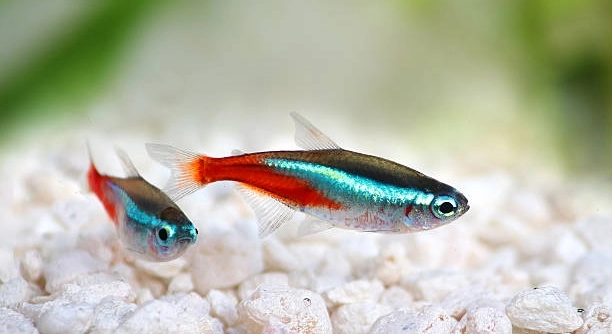
Neon Tetras are popular aquarium fish known for their bright colors and active nature. However, like all pets, they can experience health issues. It’s essential to be aware of the most common problems to provide the best care for them.
The seven most common health problems in Neon Tetras include ich, fin rot, swim bladder disease, neon tetra disease, dropsy, velvet disease, and external parasites. These conditions can cause various symptoms, such as loss of appetite, abnormal swimming, and discoloration.
Knowing these common health issues can help you prevent and address problems early, ensuring your Neon Tetra remains healthy and vibrant.
Ich: A Common Parasite Problem
Ich is one of the most common health issues in Neon Tetras. This parasitic infection causes small white spots to appear on the fish’s skin, fins, and gills. Ich is highly contagious and can quickly spread in an aquarium if left untreated. It thrives in warm water, making it more prevalent in tanks with inconsistent temperatures. If your Neon Tetra shows signs of scratching against objects or becomes lethargic, it might have ich.
To treat ich, it’s essential to raise the tank’s temperature slightly, as warmer water speeds up the parasite’s life cycle. You can also add medications specifically designed to target this parasite. Be sure to follow the recommended dosage and duration on the product label.
Prevention is key. Maintain a clean tank and regularly monitor the water temperature. Proper care, including quarantine for new fish, can also help prevent the introduction of ich into your aquarium.
Fin Rot: A Risk to Neon Tetra’s Health
Fin rot is another common health issue. It’s often caused by poor water quality or bacterial infections.
A clean, well-maintained tank is the best defense against fin rot. Regular water changes, proper filtration, and keeping the environment stress-free will help your Neon Tetra stay healthy. If fin rot occurs, treating it promptly is essential.
Swim Bladder Disease: Impact on Movement
Swim bladder disease affects the fish’s buoyancy, causing them to float upside down or have difficulty swimming. It’s often linked to poor diet, overfeeding, or water quality issues. Keeping a consistent feeding schedule and ensuring the water is clean can help prevent this condition.
If your Neon Tetra shows signs of swim bladder issues, try offering peas as a natural remedy. These vegetables help clear the digestive system. You may also need to adjust water temperature or salinity, as some treatments can help ease the symptoms. If the condition persists, consult a veterinarian for further care.
As with all health concerns, prevention is much easier than treatment. By maintaining proper water parameters and feeding habits, you can avoid the onset of swim bladder disease. Regular water testing will help keep the conditions optimal for your fish’s well-being.
Neon Tetra Disease: A Viral Threat
Neon Tetra Disease is a viral infection that primarily affects Neon Tetras and can be devastating if not caught early. It leads to faded colors, lesions, and often death. The virus spreads quickly and can be difficult to treat, making it one of the most serious health issues for this species.
Once diagnosed, isolation of the affected fish is crucial to prevent spreading the disease to other tankmates. Unfortunately, there’s no cure for Neon Tetra Disease, but supportive care, such as maintaining high water quality, may help the fish remain stable. Quarantining new fish before introducing them to the main tank is the best preventative measure.
Managing the aquarium environment is key to reducing the risk of this viral infection. Regular water changes, good filtration, and avoiding overcrowding will help minimize stress and boost the immune systems of all your fish.
Dropsy: A Sign of Internal Issues
Dropsy is a condition where your Neon Tetra’s body swells, making the fish appear bloated. It often results from bacterial infections, organ failure, or poor water conditions. The fish may have difficulty swimming and seem lethargic.
Treatment requires addressing the underlying cause, such as improving water quality and adding antibacterial medications. In some cases, dropsy may be terminal, as it often indicates advanced organ damage. Regular water testing and maintenance can help reduce the chances of dropsy developing in your aquarium.
Velvet Disease: A Hidden Threat
Velvet disease is caused by a parasitic protozoan that can quickly affect your Neon Tetra. It creates a yellowish or golden film on the fish’s skin, making them appear dusty or covered in sand.
The parasite attacks the gills and skin, often causing rapid breathing, lethargy, and loss of appetite. Immediate treatment with copper-based medications is required to treat velvet disease. Adjusting the water temperature slightly can also speed up the parasite’s life cycle, making the treatment more effective.
Ensure that you remove any infected fish to prevent the spread to other tankmates.
External Parasites: A Common Occurrence
External parasites like anchor worms and gill flukes can irritate your Neon Tetra. These parasites latch onto the skin, causing discomfort and even injury. Regularly inspecting your fish can help you spot these issues early.
Treating external parasites usually requires the use of medications specifically designed to target these invaders. Reducing stress and improving water conditions can help your Neon Tetra resist future parasite attacks.
FAQ
What is the best water temperature for Neon Tetras?
Neon Tetras thrive in water that is between 72-80°F (22-27°C). Keeping the temperature within this range ensures that they remain active and healthy. Sudden temperature changes can cause stress, which weakens their immune systems and makes them more vulnerable to diseases. Regular monitoring of the water temperature is crucial, especially if you live in an area with fluctuating climate conditions.
How often should I change the water in my Neon Tetra tank?
Water changes should be done regularly, about once a week, or at least every two weeks. This helps maintain a clean and stable environment. You should replace 25-30% of the tank’s water during each change to prevent the buildup of toxins. It’s also important to test the water quality before and after each change to ensure it’s within the safe parameters for your fish.
What should I feed my Neon Tetras?
Neon Tetras are omnivores and will benefit from a varied diet that includes high-quality flake food, frozen or live foods like brine shrimp, and occasionally, small pieces of vegetables. It’s important to feed them small amounts several times a day rather than a large feeding once a day. Overfeeding can lead to water quality issues and health problems, such as swim bladder disease.
Why do my Neon Tetras have faded colors?
Fading colors in Neon Tetras can be a sign of stress, poor water quality, or illness. It may also occur if the fish is not receiving the right nutrition. Ensure that the water conditions are optimal and that the fish are not being exposed to high levels of toxins. Stress from aggressive tank mates or poor environmental conditions can cause them to lose their vibrant colors.
Can I keep Neon Tetras with other fish?
Yes, Neon Tetras are peaceful and do well with other small, non-aggressive species. They are best kept in groups of at least six to help them feel secure. Be cautious when introducing new species, as some fish may try to prey on them or compete for food. Suitable tank mates include small catfish, other peaceful tetras, and shrimp.
What should I do if my Neon Tetra has swim bladder disease?
Swim bladder disease can cause your Neon Tetra to have trouble swimming or to float upside down. If you notice symptoms, try adjusting the water temperature slightly or offering peas to help clear the digestive system. You can also try fasting your fish for a few days. If the problem persists, it may be a sign of more serious internal issues, and a veterinarian should be consulted.
How can I prevent Neon Tetra Disease?
Prevention of Neon Tetra Disease involves maintaining high water quality, quarantining new fish before adding them to your main tank, and avoiding overcrowding. This viral disease can be spread through infected fish, and unfortunately, there is no cure once the fish are infected. Keeping your tank clean and monitoring your fish for signs of illness will help prevent the spread of this disease.
Is it safe to use aquarium salt for Neon Tetras?
Aquarium salt can be beneficial for treating certain types of parasites or wounds. However, it should be used sparingly with Neon Tetras, as they are sensitive to salt. It is best to consult with an aquarium specialist or vet before using salt in your tank. Make sure you dissolve the salt properly to avoid stressing the fish.
How can I tell if my Neon Tetra has ich?
Ich is characterized by small white spots on the skin, fins, and gills. These spots resemble grains of salt and are typically accompanied by scratching or rubbing against objects in the tank. If you notice these symptoms, it’s important to start treatment immediately by raising the water temperature and using medications designed to combat ich.
Why is my Neon Tetra swimming erratically?
Erratic swimming can be a sign of several issues, including stress, poor water quality, or illness. It’s essential to check the water parameters and ensure the tank is clean. If the water quality is fine, consider the possibility of internal parasites or swim bladder disease. Keeping your Neon Tetras in a calm and stable environment will reduce erratic behavior.
How can I help my Neon Tetra recover from fin rot?
If your Neon Tetra has fin rot, it’s important to treat the infection promptly. Improve the water quality by performing water changes, and avoid overcrowding. Adding antibacterial medications designed for fish will also help. If the condition persists, isolate the affected fish to prevent spreading the infection to other tankmates.
What size tank is ideal for Neon Tetras?
Neon Tetras are small and can thrive in a tank as small as 10 gallons. However, the bigger the tank, the better, as a larger volume of water makes it easier to maintain stable water conditions. A tank with proper filtration and plenty of space will help keep the fish healthy and reduce stress.
Can Neon Tetras live in cold water?
Neon Tetras are tropical fish, meaning they require warm water temperatures. They cannot tolerate cold water, and exposure to temperatures below their recommended range (72-80°F) can lead to stress and illness. To keep your Neon Tetras healthy, make sure the water temperature is within the ideal range.
Do Neon Tetras need a filter?
Yes, Neon Tetras require a good filtration system to keep the water clean and well-oxygenated. A filter helps remove toxins, such as ammonia and nitrates, from the water, which could otherwise harm the fish. It’s important to choose a filter that provides gentle water flow, as strong currents can stress Neon Tetras.
What are the signs of Neon Tetra Disease?
Neon Tetra Disease causes the fish to lose their bright coloration, develop lesions, and appear lethargic. As the disease progresses, the fish may have difficulty swimming and may even die. Early detection is crucial for preventing the spread to other fish in the tank.
Final Thoughts
Neon Tetras are a popular choice for many aquarium enthusiasts due to their small size, vibrant colors, and peaceful nature. However, like all fish, they are susceptible to various health problems that can affect their well-being. Keeping their tank environment clean, maintaining stable water conditions, and providing a proper diet are essential steps in ensuring they stay healthy. By regularly monitoring the water quality and observing your fish for signs of illness, you can address any potential issues before they become serious problems. It’s important to remember that preventing health problems is always easier than treating them once they have developed.
One of the key aspects of caring for Neon Tetras is ensuring that their living conditions are optimal. Regular water changes, proper filtration, and maintaining the right temperature can help prevent many common diseases. In addition, stress management is crucial, as stressed fish are more likely to become sick. Avoid overcrowding the tank, provide hiding spaces, and make sure their tank mates are compatible with their peaceful nature. Keeping the tank clean and monitoring their behavior will go a long way in maintaining their health and longevity.
While Neon Tetras are generally hardy fish, they do have specific needs that must be met to thrive in an aquarium setting. Being proactive with water maintenance, observing their behavior, and providing a balanced diet will keep them in good health. When issues arise, prompt attention is key. Knowing the signs of common illnesses and having a plan for treatment will ensure that your Neon Tetras live a long, happy life. By understanding their needs and taking care of them properly, you can enjoy the beauty and tranquility they bring to your tank.

Hello,
If you enjoy the content that we create, please consider saying a "Thank You!" by leaving a tip.
Every little bit helps us continue crafting quality advice that supports the health, happiness, and well-being of pets around the world, for pets of all shapes, sizes, and species.
We really appreciate the kindness and support that you show us!