
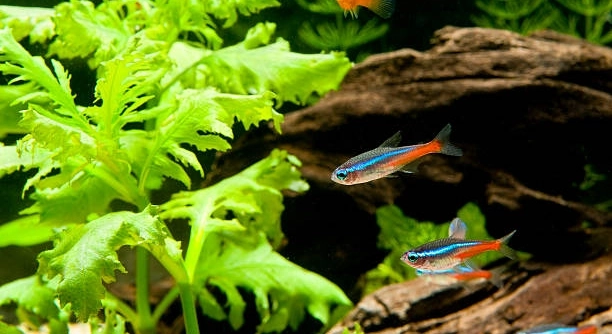
Neon Tetras are popular for their bright colors and active nature, but they may act differently under certain conditions. One common concern is when they hide when the lights are on, which can seem unusual.
The primary reason Neon Tetras hide when the lights are on is that they are naturally shy and stressed by bright lights. These fish feel safer in dim or dark environments, mimicking their natural habitat, where they seek shelter to avoid predators.
Understanding their behavior helps create a better environment for these small fish. By addressing the root causes, you can ensure they feel comfortable and thrive in your aquarium.
Bright Lights and Stress
Neon Tetras are sensitive to their environment, and bright lights can cause them stress. In the wild, they live in dimly lit waters, often shaded by plants or structures. In an aquarium, bright lights mimic a threatening environment, making them feel exposed. This stress can cause them to hide for protection. It’s also worth noting that lighting intensity, duration, and changes in lighting patterns can all contribute to their anxiety. If the lights are on too long or too brightly, the fish may seek shelter in plants, rocks, or corners of the tank. Maintaining a balanced lighting schedule that mimics their natural habitat can help them feel safe and reduce hiding behaviors. Some fish owners even provide shaded areas within the tank for additional comfort.
It’s essential to replicate the natural light conditions of their environment to help Neon Tetras feel secure. Ensuring a balance between light and dark periods is key to their well-being.
For your Neon Tetras, you might want to limit the lights to 8-10 hours per day. This replicates natural day-night cycles and reduces stress. If possible, use dim lighting or a tank cover to soften the light intensity. Many fish do well with a gentle lighting system that doesn’t overwhelm them. As you adjust the light, monitor your Tetras’ behavior. If they start to hide less or swim more freely, it’s a good sign they’re feeling more comfortable. It’s about finding a balance that works for them, ensuring their environment is conducive to their natural instincts.
Tank Environment and Hiding Spots
The tank setup can significantly affect how comfortable your Neon Tetras feel. If they don’t have enough places to hide, they might remain hidden when they feel stressed or threatened. Neon Tetras are small and naturally seek shelter in areas with plants or rocks. Without these hiding spots, they may retreat to corners or the substrate of the tank, attempting to feel more secure. Adding more plants or decorations can offer them the refuge they need, making them feel less vulnerable.
By enhancing your tank with hiding spots, you can encourage your Neon Tetras to swim more freely during daylight hours. Plants, caves, and structures provide a sense of security and safety, allowing them to move around without feeling exposed.
Water Quality and Temperature
Poor water quality can stress your Neon Tetras and cause them to hide more often. Clean water helps maintain their health and reduces anxiety. If the water is too warm, too cold, or has high ammonia levels, they may feel threatened.
To ensure your Neon Tetras are comfortable, regularly test the water’s temperature, pH, and ammonia levels. The ideal temperature for these fish is between 72°F and 78°F. Using a water filter can help maintain clean conditions by removing waste and toxins. Keeping the tank clean will create a healthier environment, making your Tetras feel more at ease. Regular water changes, typically 25-30% per week, will help maintain the quality. Remember, if the water is dirty or too warm, your Neon Tetras may be hiding for good reason.
Sometimes, Neon Tetras hide simply because they feel uncomfortable in their environment. If you notice your fish are hiding more often, check the water conditions closely. Poor water quality often leads to stress, which in turn makes the fish retreat. Adjusting the water temperature or changing filters can encourage your Tetras to be more active. Once the water quality is ideal, you should see a noticeable change in behavior, with your Tetras swimming more freely and confidently.
Tank Mates and Social Dynamics
The presence of aggressive or overly active tank mates can also contribute to your Neon Tetras hiding. If they feel intimidated by other fish, they may retreat to avoid confrontation. Adding peaceful species to your aquarium helps keep your Neon Tetras calm.
Consider the temperament of all fish in your tank. Aggressive or territorial fish can create a stressful environment, especially for small and shy fish like Neon Tetras. Larger, more aggressive species may unintentionally bully the Tetras, causing them to hide. It’s best to keep Neon Tetras with other peaceful, non-aggressive species. Small schooling fish, like Corydoras catfish or Guppies, can often coexist peacefully with Neon Tetras, giving them a sense of security.
If the dynamics between tank mates are not ideal, your Tetras may try to hide away from more dominant fish. Rearranging the tank and creating territories for different species can alleviate tension. Adding plants and rocks will allow your Tetras to hide when needed but still feel secure in their environment. Ensuring peaceful coexistence will help reduce stress and prevent excessive hiding.
Feeding Schedule and Hunger
If your Neon Tetras are hungry, they may hide, waiting for food. Overfeeding can cause them to retreat, as uneaten food starts to affect water quality. Ensuring a regular feeding schedule helps avoid this behavior.
Feeding them a consistent amount at the same time each day can prevent stress caused by hunger or excess food. Stick to a small portion that they can eat within a few minutes. This prevents overfeeding, which could cause water pollution and discomfort. Properly timed feedings ensure your fish are well-fed and active.
Light Sensitivity
Neon Tetras are sensitive to sudden light changes. Abrupt lighting shifts can stress them out, causing them to hide. Using a gradual light change method is less jarring for them.
When adjusting the lights, do so slowly to avoid shocking your fish. A timer can help ensure the light comes on and goes off at consistent times, mimicking natural daylight cycles. This reduces stress and helps Neon Tetras feel more secure.
FAQ
Why are my Neon Tetras hiding all the time?
Neon Tetras often hide due to stress, especially if they feel threatened by tank mates, lighting, or water conditions. Poor water quality, incorrect temperature, or a lack of hiding spots can make them feel insecure. You may notice them retreating to corners or plants. Ensuring your tank environment mimics their natural habitat with dim lighting and plenty of hiding spots can reduce this behavior.
How can I reduce stress in my Neon Tetras?
To reduce stress, keep water quality high by regularly changing the water and maintaining proper filtration. Provide a stable, comfortable temperature, ideally between 72°F and 78°F. Add plants, rocks, and caves for hiding, ensuring your fish feel safe. Avoid sudden light changes or aggressive tank mates.
Can Neon Tetras survive without plants?
While Neon Tetras can technically survive without plants, having plants is beneficial for their well-being. Plants provide shelter and help reduce stress by offering hiding spots. They also improve water quality by absorbing excess nutrients. If you don’t want live plants, consider artificial plants or decorations to simulate natural cover.
Is it normal for Neon Tetras to hide when the lights are on?
Yes, it is normal for Neon Tetras to hide when the lights are on. In the wild, they typically live in dimly lit environments and prefer to stay hidden under natural cover to avoid predators. Reducing the light intensity or providing shaded areas in the tank can make them feel more comfortable.
How long should I keep the lights on for Neon Tetras?
It’s best to keep the lights on for about 8-10 hours a day. This mimics natural daylight cycles and prevents overstimulation. Neon Tetras thrive with a regular day-night schedule. Use a timer to ensure consistency and avoid stressing your fish with long or inconsistent light periods.
Do Neon Tetras need a school of other Neon Tetras to feel safe?
Yes, Neon Tetras are schooling fish and feel safest in groups. They are social creatures and feel more secure when surrounded by others of their kind. A group of at least 6 Neon Tetras is recommended to help them feel comfortable and less stressed. Without a school, they may feel exposed and hide more frequently.
How can I tell if my Neon Tetras are stressed?
Signs of stress in Neon Tetras include hiding more often, reduced activity, faded colors, and erratic swimming patterns. If your Tetras are swimming at the top or bottom of the tank, or appear to be gasping at the surface, it could indicate water quality issues or poor tank conditions. Addressing the tank’s environment can help alleviate these signs.
Are Neon Tetras sensitive to temperature changes?
Yes, Neon Tetras are sensitive to sudden temperature changes. Rapid fluctuations can cause stress and make them more likely to hide. It’s best to keep the water temperature stable within the 72°F to 78°F range. Using a heater and thermometer can help maintain a consistent temperature.
Can Neon Tetras live with other fish?
Neon Tetras are peaceful and can live with most other small, non-aggressive fish. Good tank mates include other peaceful species like Corydoras, Guppies, or small rasboras. Avoid aggressive or territorial fish, as they can stress out your Tetras and cause them to hide more often.
What should I do if my Neon Tetras stop eating?
If your Neon Tetras stop eating, it could be due to stress, poor water quality, or an illness. Check the water conditions, such as ammonia levels, pH, and temperature. If everything seems normal, try offering different types of food, like frozen or live options. If they continue to refuse food, it may be worth consulting a vet or fish expert.
How can I encourage my Neon Tetras to be more active?
To encourage your Neon Tetras to be more active, ensure the water quality is optimal and that they have plenty of hiding spots. A stable, consistent lighting schedule and peaceful tank mates will help them feel more secure. Offering a varied diet can also encourage them to be more lively during feeding times.
Can Neon Tetras get lonely?
Neon Tetras are social fish and can get lonely if kept alone. They feel safer in schools and are more likely to swim around and interact with other fish. If you notice your Tetras hiding more often, consider adding more of their kind to the tank. This will help them feel more secure and reduce stress.
Do Neon Tetras need a filter?
Yes, Neon Tetras need a filter to maintain good water quality. A filter helps remove waste, toxins, and debris from the water, keeping it clean and safe for the fish. Ensure the filter is not too strong, as strong currents can stress out the Tetras. A gentle filter is ideal for them.
How often should I feed my Neon Tetras?
Feed your Neon Tetras once or twice a day. Offer a small amount of food they can consume in a few minutes to avoid overfeeding, which can lead to water quality issues. Variety is key, so rotate between flakes, pellets, and frozen or live foods to ensure they get a balanced diet.
Can Neon Tetras live in freshwater?
Yes, Neon Tetras are freshwater fish and should be kept in freshwater aquariums. They are native to South America, where they live in soft, acidic waters. It’s important to maintain the water conditions within their preferred range for the best health and behavior.
Do Neon Tetras require specific tank conditions?
Neon Tetras prefer a tank with soft, slightly acidic water and stable temperatures between 72°F and 78°F. A well-planted tank with plenty of hiding spots makes them feel secure. It’s also essential to maintain water quality by performing regular water changes and using a filter.
Can I keep Neon Tetras in a small tank?
While Neon Tetras can be kept in smaller tanks, it’s better to provide them with at least a 10-gallon tank. This gives them more space to swim and reduces the risk of water quality issues. Smaller tanks can become unstable quickly, affecting the health and behavior of the fish.
What is the lifespan of a Neon Tetra?
Neon Tetras typically live for 5 to 10 years if they are cared for properly. Maintaining good water quality, providing a balanced diet, and keeping them in a stable environment are key factors in ensuring a long and healthy life for your Tetras.
Final Thoughts
Neon Tetras are beautiful and peaceful fish, but they can be sensitive to changes in their environment. Understanding the reasons behind their behavior, especially hiding when the lights are on, can help you create a more comfortable space for them. It’s important to consider factors like water quality, temperature, lighting, and tank mates. By ensuring that these elements are optimal, you can reduce stress and encourage your Tetras to swim freely and confidently.
Providing a well-planted tank with plenty of hiding spots can help your Neon Tetras feel secure. The addition of soft lighting or natural cover such as plants and decorations mimics their natural habitat, which promotes a sense of safety. Consistent and gradual changes to the tank environment, along with proper feeding schedules, are essential to maintaining a stable and stress-free home for these small fish. When they feel safe and well-cared for, your Neon Tetras are likely to be more active and vibrant.
Ultimately, keeping Neon Tetras requires attention to detail and an understanding of their needs. They are social creatures that thrive in schools, and when kept in a proper environment, they can live long and healthy lives. By monitoring the conditions in the tank and addressing any issues that arise, you can ensure that your Tetras are comfortable and happy. With the right care, these beautiful fish can thrive and bring joy to your aquarium for many years.

Hello,
If you enjoy the content that we create, please consider saying a "Thank You!" by leaving a tip.
Every little bit helps us continue crafting quality advice that supports the health, happiness, and well-being of pets around the world, for pets of all shapes, sizes, and species.
We really appreciate the kindness and support that you show us!