
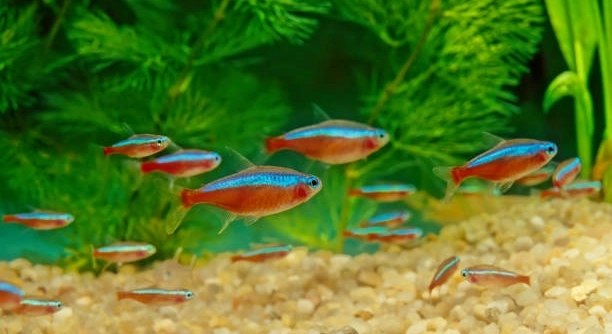
Neon Tetras are popular aquarium fish, known for their vibrant colors and peaceful nature. However, it can be concerning when they struggle to swim. Understanding the causes behind this behavior is crucial for their health and well-being.
Neon Tetras may struggle to swim due to various factors, including poor water conditions, inadequate tank size, and stress. Other possible causes include improper water temperature, illness, or poor water filtration, all of which can affect their swimming ability.
Addressing these potential issues will help restore your fish’s health.
Poor Water Quality
Water quality is one of the most common reasons why your Neon Tetra might struggle to swim. When the water is not clean, it can irritate your fish and cause stress, which may lead to swimming difficulties. Ammonia, nitrite, and nitrate levels can spike in poorly maintained tanks, and this can make it harder for your fish to breathe and move around freely. It’s important to perform regular water changes and keep an eye on your tank’s filtration system to ensure that harmful chemicals don’t build up. Neon Tetras are very sensitive to changes in water parameters, so monitoring pH, temperature, and water hardness is essential. Poor water quality can even weaken your fish’s immune system, making them more susceptible to diseases.
Make sure to test your water regularly to catch any imbalances early. Small changes in water quality can significantly impact your fish’s health and swimming abilities.
A reliable filtration system is key to keeping your tank clean and safe for your Neon Tetras. Ensure your filter is appropriate for your tank size and running efficiently to keep harmful substances in check. If your filter isn’t working correctly, it might be time for a replacement or cleaning. Additionally, use water conditioners to help maintain a stable environment, especially if you have hard water in your area. Regular water testing kits are invaluable for keeping your aquarium in top shape.
Incorrect Temperature
Neon Tetras thrive in warm water, usually between 72°F and 78°F (22°C to 26°C). If the water temperature falls outside this range, your fish may struggle to swim and even become lethargic. If the water is too cold, their metabolism slows down, affecting their ability to swim properly. On the other hand, if it gets too hot, your Neon Tetras may suffer from stress, leading to erratic swimming. It’s important to have a reliable aquarium heater to keep the temperature stable.
Maintaining the proper temperature range ensures that your fish stay healthy and active.
If you notice your fish swimming poorly, check the water temperature using an aquarium thermometer. Fluctuations in temperature can also affect your fish, so it’s crucial to keep the tank in a consistent environment. Using a thermometer will help you monitor the conditions more easily, allowing you to adjust the heater settings as needed. Keeping a stable water temperature is especially important if you plan on keeping other species in your tank. Some fish are more sensitive to temperature changes, and a stable, warm environment benefits all inhabitants.
Stress and Anxiety
Stress can impact your Neon Tetra’s ability to swim. When they are stressed, they may display erratic swimming patterns, often darting around or staying in one spot. Stress factors can include sudden changes in tank environment, overcrowding, or the presence of aggressive tank mates.
To reduce stress, provide plenty of hiding spots like plants and decorations. This gives your fish a safe place to retreat when they feel threatened. Ensure that your tank isn’t overcrowded, as too many fish can cause anxiety and competition for space. A calm environment is key for healthy swimming.
Additionally, try not to make sudden changes to the tank conditions. Rapid shifts in water temperature, pH, or lighting can stress your fish and affect their swimming. Also, avoid loud noises or vibrations near the tank, as these can also cause stress. If possible, consider keeping your Neon Tetras in a tank with peaceful, non-aggressive fish that won’t harass them. Keeping the tank environment stable and peaceful is essential for reducing stress and helping your fish swim comfortably.
Illness and Disease
Illness is another factor that can make your Neon Tetra struggle to swim. Diseases like fin rot, swim bladder disorder, or parasites can affect their buoyancy and swimming ability. These conditions often make your fish appear weak or lethargic, and they may have difficulty maintaining balance in the water.
If you notice changes in behavior, such as floating at the surface or sinking to the bottom, this could indicate an underlying health problem. Pay attention to their physical appearance, including any discoloration, lesions, or fin damage. It’s important to act quickly if you suspect illness.
In such cases, isolating the affected fish in a quarantine tank can help prevent the spread of disease to other fish. Treating your Neon Tetra with the appropriate medications is crucial. Many diseases can be cured if caught early, but delaying treatment may worsen the condition. Regularly inspecting your fish for signs of illness and ensuring that the tank is clean and stable will help prevent these issues from arising in the future.
Poor Water Filtration
A poorly functioning filter can cause harmful substances to accumulate in the tank, making it difficult for your Neon Tetra to swim properly. Dirty water leads to stress, skin irritation, and overall poor health, affecting their swimming ability.
Ensure your filter is running efficiently and appropriate for your tank size. Regular maintenance is key to keeping it working well. Check the filter regularly and clean or replace it as needed. A high-quality filter keeps the water clear and safe, helping your fish thrive and swim freely.
Tank Size
Neon Tetras need space to move around and swim comfortably. If the tank is too small, your fish might struggle to move properly, which can lead to stress and poor swimming. Make sure your tank is large enough for the number of fish you have.
A 10-gallon tank is usually a good minimum size for a small group of Neon Tetras. Larger tanks provide better water stability and more room for the fish to swim, which promotes healthier, more active behavior. If your fish seem cramped or agitated, upgrading to a larger tank can significantly improve their swimming.
FAQ
Why is my Neon Tetra swimming in circles?
Swimming in circles could be a sign of a few different things. It might indicate that your Neon Tetra is stressed, especially if there are aggressive tank mates or if the environment is not peaceful. A lack of hiding spots can also cause anxiety, leading to circular swimming as a behavior of distress. Another possibility is that your fish could be affected by a parasite or illness. If this behavior is persistent, it’s important to check your fish’s health and water conditions.
Make sure that the tank has plenty of plants or decorations for the fish to hide in. Check if there are any aggressive fish that might be harassing the Tetra. Also, consider any changes to the water temperature or water quality, as sudden shifts can cause disorientation and abnormal swimming. If the behavior continues, consider isolating the affected fish in a separate quarantine tank and monitoring its health.
What does it mean if my Neon Tetra is swimming sideways?
Sideways swimming is usually a sign that your Neon Tetra is struggling with a buoyancy issue, which could be caused by a swim bladder disorder. The swim bladder is an organ that helps the fish control its position in the water. When it malfunctions, the fish may float to one side or have difficulty maintaining a normal swimming posture. Swim bladder disorders can be triggered by overfeeding, constipation, or poor water quality.
If you suspect swim bladder issues, try fasting the fish for a day or two to see if that helps. You can also offer a small amount of cooked peas to help with constipation. In some cases, improving water quality and adjusting the tank’s temperature might help. If the condition persists, consider consulting a vet or treating with specific medications designed for swim bladder disorders.
How do I prevent my Neon Tetra from swimming poorly?
To prevent your Neon Tetra from swimming poorly, it’s essential to maintain a clean and stable environment. Regular water changes, proper filtration, and monitoring of water parameters such as pH, temperature, and hardness are key to keeping your fish healthy. Avoid overcrowding and provide enough space for the fish to swim freely.
Additionally, ensure that your fish are not stressed by their tank mates or environment. Offering plenty of hiding spots and creating a peaceful atmosphere will help reduce anxiety. Regularly inspect your fish for signs of illness, and treat any health issues promptly to prevent swimming problems.
How can I tell if my Neon Tetra is sick?
If your Neon Tetra is sick, you may notice behavioral changes such as swimming erratically, staying near the bottom, or struggling to swim. Physical symptoms to watch for include discoloration, lesions, bloating, or torn fins. If your fish is not eating or appears lethargic, it could also be a sign of illness.
Pay close attention to any changes in behavior, and act quickly. Isolate the sick fish in a quarantine tank if possible to prevent the spread of disease. Treating the condition early is crucial for recovery. A water change and proper treatment, whether through medications or adjusting water conditions, can often resolve the issue.
Why is my Neon Tetra not swimming at all?
If your Neon Tetra is not swimming at all, it could be a sign of a more serious problem, such as a swim bladder disorder, severe stress, or illness. If the fish is just floating motionless or staying at the bottom of the tank, it’s important to check the water quality and temperature. Poor water conditions can lead to lethargy, making it difficult for the fish to swim.
Make sure the water is within the ideal temperature range for Neon Tetras, and that the tank’s water is clean and free from harmful chemicals. If your fish is not swimming, check for signs of disease, such as swollen areas, discoloration, or lesions. If needed, isolate the fish and start treatment promptly.
Can poor tank mates cause my Neon Tetra to swim poorly?
Yes, tank mates can have a huge impact on the swimming behavior of your Neon Tetra. Aggressive or overly active fish can stress your Tetra, causing them to become anxious and potentially leading to swimming problems. Neon Tetras are peaceful fish, so it’s best to keep them with other calm species that won’t compete for space or bully them.
Aggressive fish might chase the Tetra around the tank, causing it to swim erratically or hide more often. Overcrowding is another issue, as it can create competition for space and food, leading to stress. Make sure your tank is well-stocked with peaceful fish and that there’s enough room for everyone to swim comfortably.
Why is my Neon Tetra swimming in the top of the tank?
Neon Tetras typically swim in the middle or lower parts of the tank, but if they are constantly at the surface, it might be a sign that something is wrong. This behavior could indicate poor water quality, low oxygen levels, or an issue with the tank’s filtration system. The fish might be seeking cleaner, more oxygen-rich water near the surface.
Check the oxygen levels and ensure that the filtration system is working properly. If the water is not circulating correctly, your fish may swim in search of fresh water. You can also check for ammonia or nitrate spikes, which can lead to discomfort and force the fish to the surface. Make sure the tank is adequately aerated and that water changes are performed regularly to avoid water quality issues.
Final Thoughts
Neon Tetras are beautiful, peaceful fish that can thrive in a well-maintained aquarium. If you notice your Neon Tetra struggling to swim, it’s important to address the issue promptly. Swimming problems can often be traced to common causes such as poor water quality, stress, illness, or improper water temperature. Paying close attention to the tank’s environment and the health of your fish can make a big difference in their overall well-being. Regular maintenance, proper tank size, and the right tank mates will ensure your Neon Tetra can swim freely and stay healthy.
If you find your fish is swimming poorly, don’t panic. Start by checking the water conditions and adjusting as needed. Regular water changes, proper filtration, and monitoring the temperature are some of the most important steps you can take to prevent swimming problems. If the issue persists, it may be helpful to isolate the affected fish and observe any signs of illness. Quick action, whether it’s changing water parameters or treating for a potential disease, can often help your fish recover quickly. Remember that Neon Tetras are sensitive creatures, so creating a stable and peaceful environment will go a long way in keeping them healthy.
By understanding the possible causes of swimming issues and taking proactive steps, you can help your Neon Tetras thrive. Whether it’s improving water quality, managing stress, or addressing health concerns, small adjustments can have a big impact. Keep in mind that a well-maintained tank is key to preventing swimming problems and ensuring your fish remain active and vibrant. With the right care and attention, your Neon Tetras will continue to be happy and healthy in your aquarium.

Hello,
If you enjoy the content that we create, please consider saying a "Thank You!" by leaving a tip.
Every little bit helps us continue crafting quality advice that supports the health, happiness, and well-being of pets around the world, for pets of all shapes, sizes, and species.
We really appreciate the kindness and support that you show us!