
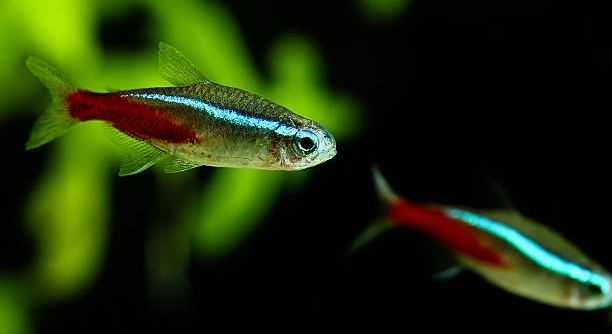
Maintaining the right water parameters is essential for keeping your Neon Tetras healthy. One of the key factors to monitor is the KH (carbonate hardness) and GH (general hardness) levels. These values play a significant role in your fish’s well-being.
Stable KH and GH levels are vital for the overall health of Neon Tetras. Fluctuations can cause stress, affecting their immune system and overall vitality. By keeping these levels consistent, you create an environment that supports their natural behaviors and longevity.
Maintaining proper KH and GH levels will help ensure your Neon Tetras thrive in their environment. Keep reading to learn tips on managing these crucial water parameters effectively.
Understanding KH and GH for Neon Tetras
KH (carbonate hardness) and GH (general hardness) are two important water parameters that help ensure your Neon Tetras stay healthy. KH measures the water’s buffering capacity, while GH indicates the amount of dissolved minerals, like calcium and magnesium. Both values are crucial for stabilizing the pH levels in your aquarium, preventing fluctuations that could stress your fish.
If these levels are too low or high, your fish may suffer. Too low GH can cause weak bones and a compromised immune system, while very high GH can lead to mineral imbalances. KH helps maintain a stable pH, preventing sudden shifts that can shock your Neon Tetras.
Maintaining both KH and GH levels within the appropriate range is essential for creating a thriving environment for your Neon Tetras. Regularly testing the water ensures you stay on top of any potential issues. You can adjust these levels by using water conditioners or additives to keep the balance right.
Testing Water Regularly
Routine water testing is the most effective way to monitor KH and GH levels. Regular testing allows you to adjust before issues arise, preventing stress or health problems for your fish.
Test kits for KH and GH are available in many pet stores. Make sure to follow the instructions carefully to get accurate readings. Aim to check the water parameters at least once a week to keep track of any changes that could affect your Neon Tetras. Monitoring these levels will save you from unexpected issues.
Testing your water regularly can help maintain a stable environment, promoting the health of your Neon Tetras. A slight adjustment can make a big difference in the long run, ensuring your fish live comfortably in their aquarium.
Adjusting KH and GH with Additives
To manage KH and GH levels, you can use additives designed for aquariums. Products like aquarium salts or specific buffers can increase hardness, while reverse osmosis water or distilled water helps lower it. It’s important to add these products gradually to avoid shocking your fish.
Adding minerals like calcium and magnesium will raise GH, providing essential nutrients for your fish. For KH, buffering agents can help prevent pH swings. These products come in various forms, such as liquids or powders, and are easy to use. Always follow the recommended dosage on the label to ensure the proper levels.
Adjusting KH and GH with additives is a simple way to maintain a stable environment. These solutions can bring the water to the right hardness level, helping to keep your Neon Tetras comfortable. When used correctly, they can help avoid stress, disease, and other health issues related to water quality.
Using Reverse Osmosis Water
Using reverse osmosis (RO) water can help you control KH and GH levels by removing impurities and minerals. RO water is ideal for people with hard tap water, as it allows you to start with a blank slate and add minerals as needed.
With RO water, you have complete control over the hardness of your tank. You can mix it with your tap water to create the desired balance of KH and GH, depending on your fish’s needs. This method is ideal for maintaining consistent water parameters, especially in tanks with sensitive species like Neon Tetras.
RO water helps eliminate excess minerals, which can lead to high GH and KH levels. It also removes chlorine and chloramine, making it safer for your fish. However, you’ll need to remineralize the water to avoid making it too soft, which can cause stress to your Neon Tetras.
Using Mineral Supplements
Mineral supplements can be a quick way to adjust GH levels. These products are designed to add essential minerals like calcium and magnesium to the water, which are crucial for your fish’s overall health. Adding them helps maintain the right balance of hardness in the tank.
Make sure to monitor your water parameters after adding mineral supplements. Overuse can lead to excessively high GH levels, which might stress your fish. A steady, controlled approach is key to preventing sudden fluctuations in water hardness, ensuring the environment remains stable for your Neon Tetras.
Regular Water Changes
Regular water changes help keep your KH and GH levels stable. By replacing a portion of the tank water, you dilute any unwanted minerals or imbalances that may build up over time. This is a simple yet effective method for managing water quality.
Aim for about 25-30% of the water to be changed weekly. This will help maintain consistent hardness levels, preventing any sudden spikes or drops. Use a water conditioner to remove any chlorine or chloramine in tap water to ensure the safety of your fish.
Maintaining a Stable Temperature
Maintaining a stable temperature is important for the overall health of your Neon Tetras, as it indirectly affects the KH and GH levels. Fluctuations in temperature can cause changes in the water’s ability to hold minerals, impacting the hardness levels.
A consistent temperature range between 72°F and 80°F (22°C to 27°C) is ideal for Neon Tetras. Sudden temperature shifts can lead to stress and affect your fish’s immune system. Using a reliable heater and thermometer can help maintain this range and support stable water conditions.
FAQ
What is the ideal KH and GH range for Neon Tetras?
The ideal KH for Neon Tetras should be between 3-6 dKH, while the ideal GH range is 4-8 dGH. This ensures that the water has a stable pH and contains enough essential minerals for the health of your fish. Maintaining these levels helps reduce stress and promotes a stable environment for your Neon Tetras.
How can I test KH and GH levels in my aquarium?
To test KH and GH levels, you can purchase test kits specifically designed for aquarium water. These are available in liquid or strip form. Follow the instructions on the kit for accurate results. Regular testing is crucial to monitor fluctuations and maintain optimal water quality for your fish.
Can low GH levels harm Neon Tetras?
Yes, low GH levels can be harmful to Neon Tetras. When the general hardness is too low, it means the water lacks essential minerals like calcium and magnesium, which are vital for healthy bone development and proper function of their organs. This can lead to weak fish, poor growth, and a compromised immune system.
Can high KH levels cause stress for Neon Tetras?
Yes, high KH levels can cause stress for Neon Tetras. Too much KH can lead to an excessively alkaline pH, which may be difficult for your fish to adjust to. This creates an unstable environment and can cause long-term health problems, such as difficulty in respiration and weakened immune defenses.
How often should I test KH and GH levels?
It’s best to test KH and GH levels once a week, especially if you’re trying to maintain stable water parameters. Regular testing ensures that you catch any fluctuations before they become a problem. If you’re just starting to adjust your water, testing more frequently might be necessary until you find the right balance.
How can I raise GH in my aquarium?
You can raise GH by adding mineral supplements specifically designed for aquariums. These supplements contain essential minerals like calcium and magnesium, which will help increase the general hardness of your water. Make sure to add the supplements slowly and monitor the changes regularly to avoid raising the GH too quickly.
How can I lower GH in my aquarium?
To lower GH, you can dilute your aquarium water with reverse osmosis (RO) water or distilled water, both of which contain fewer minerals. This reduces the overall hardness of the water. Keep in mind that sudden changes in GH can stress your fish, so adjust the levels gradually.
How can I raise KH in my aquarium?
You can raise KH by adding a buffering agent designed to stabilize the pH. Products like baking soda or commercial aquarium buffers can increase KH and help prevent pH fluctuations. Add them gradually and test the water frequently to ensure you’re not overshooting your target levels.
How can I lower KH in my aquarium?
To lower KH, you can use RO water or distilled water in water changes. These have low or no KH, so they can gradually reduce the hardness of your water. Keep an eye on the levels to make sure the KH doesn’t drop too quickly, which can lead to unstable pH levels.
Is it necessary to adjust both KH and GH levels at the same time?
Not necessarily. While KH and GH are related, they serve different functions in the aquarium. You may need to adjust one without affecting the other. However, balancing both is important for creating a stable, healthy environment. When adjusting either, monitor both levels to avoid any unintended consequences.
What are the signs that my Neon Tetras are stressed due to water hardness?
Signs of stress in Neon Tetras due to water hardness include erratic swimming, rubbing against objects, loss of color, or lethargy. If your fish are displaying these behaviors, it could be due to improper KH or GH levels. Test your water and adjust accordingly to relieve stress.
Can I use tap water for my aquarium?
You can use tap water, but you should test it first to check the KH and GH levels. Tap water often contains high levels of minerals, which could result in high GH or KH. If the levels are too high or low for your Neon Tetras, you may need to adjust them using additives or dilution.
How can I prevent sudden changes in KH and GH?
To prevent sudden changes, always make adjustments gradually. If you need to raise or lower KH or GH, do it slowly over time, making small changes during water changes. This ensures your Neon Tetras have time to adjust, avoiding unnecessary stress from sudden fluctuations.
What is the best way to maintain stable water hardness for Neon Tetras?
The best way to maintain stable water hardness is by regularly testing the water, making gradual adjustments, and performing consistent water changes. Additionally, using products like buffers or RO water can help you control the levels more easily, providing a stable environment for your Neon Tetras.
Are there any natural ways to adjust KH and GH?
Yes, you can use natural methods to adjust KH and GH. For example, adding crushed coral or limestone to the substrate can increase KH and GH, as these materials release calcium and magnesium into the water. However, these methods are slower and may require more careful monitoring.
Final Thoughts
Maintaining stable KH and GH levels is essential for the health and well-being of your Neon Tetras. These two factors play a significant role in creating the right environment for your fish. KH helps buffer the pH, preventing harmful fluctuations, while GH ensures your fish have the minerals they need to thrive. Keeping these levels within the right range can prevent stress and support healthy growth, which is important for a thriving aquarium.
There are several ways to monitor and adjust the KH and GH levels in your tank. Regular testing, along with careful adjustments using mineral supplements or water changes, can help you maintain stability. It’s crucial to avoid sudden changes, as this can stress your fish and cause long-term harm. By staying consistent and attentive to the water quality, you can prevent problems before they arise and ensure a healthy habitat for your Neon Tetras.
Remember, every aquarium is unique, and it may take some time to find the right balance. Consistency is key, so be patient and observe your fish closely. By following the tips and practices discussed, you’ll be able to create a stable and comfortable environment for your Neon Tetras, allowing them to thrive in their aquatic home.

Hello,
If you enjoy the content that we create, please consider saying a "Thank You!" by leaving a tip.
Every little bit helps us continue crafting quality advice that supports the health, happiness, and well-being of pets around the world, for pets of all shapes, sizes, and species.
We really appreciate the kindness and support that you show us!