
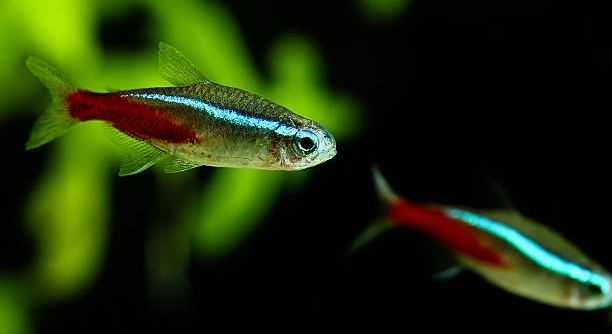
Indian almond leaves, also known as Terminalia catappa, are a popular addition to freshwater aquariums. They offer natural benefits, especially in environments like neon tetra tanks. These leaves can improve water quality and contribute to a healthier, more balanced tank.
Indian almond leaves have antifungal and antibacterial properties, which help maintain water quality and reduce harmful pathogens in your tank. Additionally, they release tannins, which can mimic the natural environment of neon tetras, promoting overall well-being.
Using these leaves can greatly improve the water conditions, creating a more comfortable and safer space for your neon tetras.
Benefits of Using Indian Almond Leaves in Your Neon Tetra Tank
Indian almond leaves are often used in fish tanks for their natural ability to improve water quality. When submerged, they release tannins, which help to lower the pH of the water. This creates a more acidic environment, which is ideal for many tropical fish, including neon tetras. The tannins also have natural antibacterial and antifungal properties, helping to prevent common diseases in fish. These leaves are especially helpful for younger or stressed fish, as they provide a more familiar habitat. By simulating the conditions of their natural environment, they make your neon tetras feel safer and less stressed, leading to healthier fish overall.
These leaves are easy to use and don’t require much maintenance. They break down slowly, meaning they continue to release beneficial compounds for a long period. Over time, they also help promote the growth of beneficial bacteria in your tank, further improving the ecosystem. This makes Indian almond leaves a low-maintenance, natural solution for improving water conditions in your neon tetra tank.
Indian almond leaves are more than just a decorative addition. They play a crucial role in water quality management, lowering stress for your neon tetras, and supporting a balanced tank environment. The tannins they release also help mimic the fish’s natural habitat, where they thrive best.
How Indian Almond Leaves Improve Fish Health
Indian almond leaves have more than just a decorative appeal; they are a powerful tool in maintaining healthy aquarium conditions. The tannins they release not only help in water acidification but also act as a natural antiseptic. This can be especially beneficial for neon tetras, as it reduces the risk of infections. The leaves’ antifungal and antibacterial properties can prevent common issues like fin rot or white spot disease, promoting overall fish health. Their use can also support the immune system of your fish, making them more resistant to common aquarium ailments.
Moreover, the presence of these leaves mimics the fish’s natural environment, where they would typically live under the shade of trees with tannin-rich water. This helps reduce the stress levels of neon tetras, encouraging natural behavior and healthier living conditions. The leaves’ calming effects can help fish adapt to new environments or recover from illnesses more quickly.
When you place Indian almond leaves in your neon tetra tank, you’re doing more than just adding an aesthetic element. You’re enhancing their well-being by providing natural, stress-relieving benefits that support their health in several ways. These leaves are an excellent tool for maintaining a balanced and thriving tank.
Natural Water Conditioning
Indian almond leaves are an excellent natural way to condition aquarium water. As they decompose, they release tannins, which lower the pH and soften the water. This helps to create a more suitable environment for neon tetras, which prefer slightly acidic water. The tannins also act as a natural water purifier, reducing harmful pathogens.
By mimicking the conditions of their native habitat, the leaves help neon tetras thrive. The water’s natural acidity and the presence of tannins reduce the likelihood of bacterial and fungal infections. Additionally, the leaves contribute to a more stable and balanced ecosystem within the tank. They also help to maintain the overall health of the tank by reducing algae growth. Over time, you’ll notice the water becoming clearer and the overall quality improving.
Using Indian almond leaves is an easy, low-maintenance method to keep your neon tetra tank healthy. The leaves provide a steady supply of natural benefits, including water softening, pH reduction, and pathogen control. By incorporating them into your setup, you create a better environment for your fish without the need for complex chemicals or equipment.
Stress Reduction for Your Neon Tetras
Stress can significantly impact the health of neon tetras, but Indian almond leaves can help reduce it. These leaves simulate the natural habitat of neon tetras, offering a more familiar and comfortable environment. The tannins released by the leaves not only alter the water’s chemistry but also have a calming effect on the fish. This leads to less aggressive behavior and greater overall well-being for your fish.
In addition to the calming effects of tannins, the leaves provide shelter and hiding spots for your tetras. This creates a more natural environment where the fish feel safe. Less stress means better immune function, more vibrant colors, and an overall improved quality of life for your neon tetras. These leaves help your fish feel more secure and at ease in their surroundings.
Indian almond leaves are a simple yet effective way to reduce stress in your neon tetras. Their natural properties help create a more comfortable, healthy tank environment. By incorporating them into your aquarium, you are actively improving the health and happiness of your fish, making the tank a more enjoyable space for them to thrive.
Easy to Use and Maintain
Indian almond leaves are very simple to use. Just drop them into the tank, and they will naturally start releasing tannins and other beneficial compounds into the water. As they decompose, they help to maintain water quality with minimal effort on your part.
Once added, the leaves require little attention. Over time, they break down and naturally add value to your tank without needing frequent replacements or monitoring. You can easily remove them when they become too decomposed, but overall, they make long-term maintenance easy. This makes them a low-effort solution for improving your aquarium environment.
Aesthetic Appeal
Indian almond leaves provide a natural, rustic look that adds beauty to your aquarium. The browning leaves give your tank a more organic feel, simulating the conditions found in natural streams or rivers. They make your aquarium look more vibrant and alive, contributing to its overall appeal.
Reduces Algae Growth
The tannins in Indian almond leaves also help to inhibit the growth of algae. This is especially beneficial in a neon tetra tank, where algae growth can cloud the water and disrupt the tank’s aesthetic. By reducing algae, the leaves help to keep the water clearer and cleaner.
FAQ
Can I use Indian almond leaves in tanks with other fish species?
Yes, Indian almond leaves can be used in tanks with various fish species. They are particularly beneficial for fish that prefer acidic or soft water, such as bettas, guppies, and tetras. However, if your tank contains fish that prefer alkaline water, such as African cichlids, the leaves might alter the water conditions too much. It’s important to consider the needs of all your tank inhabitants before adding them.
How many Indian almond leaves should I use in a tank?
The number of leaves depends on the size of your tank. Generally, one leaf per 10 gallons is a good starting point. Larger tanks may need more, while smaller tanks can use fewer leaves. You can add more leaves gradually, as too many leaves at once may overly acidify the water, which could stress your fish.
Do Indian almond leaves need to be replaced regularly?
Indian almond leaves break down slowly, releasing beneficial tannins over time. You don’t need to replace them frequently; typically, they last for a few weeks to a month. However, once they start breaking down completely or appear very brittle, it’s a good idea to remove them and add fresh ones for continued benefits.
Will Indian almond leaves stain the water?
Yes, the tannins released by Indian almond leaves will cause the water to darken, often giving it a tea-like appearance. This is a natural effect and mimics the conditions in tropical waters where neon tetras and other species thrive. While it may look different from crystal-clear water, it’s completely safe for your fish.
Can I use Indian almond leaves in a tank with shrimp or snails?
Yes, Indian almond leaves are safe for shrimp and snails. The tannins and other compounds released into the water are beneficial to shrimp, as they mimic their natural habitat. However, be mindful of the pH level, as some species may be more sensitive to water chemistry changes than others.
How long does it take for Indian almond leaves to release tannins?
It usually takes around 1-2 days for the leaves to start releasing tannins into the water. The process continues gradually over a few weeks as the leaves break down. If you’re using fresh leaves, you might want to soak them in water for a day or two before adding them to the tank to kickstart the release.
Are there any side effects of using Indian almond leaves?
Indian almond leaves are generally safe and beneficial for fish, but there are some things to keep in mind. The tannins they release can lower the pH of the water, which is good for fish that prefer acidic conditions but could cause stress for fish that thrive in more neutral or alkaline water. Regular water testing is a good practice to make sure the pH and other parameters remain within a safe range for all tank inhabitants.
How do I prepare Indian almond leaves before using them?
You can use the leaves directly in your tank, but if you want to speed up the release of tannins, soak them in water for a day or two. Soaking the leaves before adding them can help them release tannins more quickly and reduce any potential shock to the water chemistry. You can also break the leaves into smaller pieces if you prefer a quicker breakdown.
Do Indian almond leaves help with fish breeding?
Yes, Indian almond leaves can create a more conducive environment for breeding, especially for species like bettas, guppies, and tetras. The leaves help simulate the natural habitat, reducing stress and encouraging natural behavior. The tannins also have a calming effect, which is beneficial for both the males and females during the breeding process.
Can I use dried or fresh Indian almond leaves in my tank?
Both dried and fresh Indian almond leaves are suitable for use in aquariums. Dried leaves are more commonly used because they are easier to store and handle. Fresh leaves can also be used, but they may need to be soaked for a longer period before releasing tannins into the water. Dried leaves typically break down slower, providing long-term benefits.
Do Indian almond leaves affect the hardness of the water?
Yes, Indian almond leaves can soften the water slightly, as they lower the pH. This is particularly helpful for fish that thrive in soft water environments. However, the leaves generally have a minimal effect on water hardness compared to pH. If you need to control the hardness of the water, additional measures like water softeners or specific minerals may be required.
Can I use other types of leaves similar to Indian almond leaves?
There are other types of leaves, such as oak or catappa leaves, which have similar properties to Indian almond leaves. These leaves also release tannins and can help improve water quality. However, Indian almond leaves are preferred due to their stronger antibacterial and antifungal properties. If you’re looking for a more cost-effective option, experimenting with other leaves may be possible, but they might not provide the same benefits. Always research other leaves before adding them to your tank.
Can Indian almond leaves help reduce the growth of parasites?
Yes, the tannins released by Indian almond leaves can help reduce the growth of parasites in the tank. These natural compounds have antibacterial, antifungal, and anti-parasitic properties, which help keep the water clean and reduce the risk of infections in your fish. They can also support your fish’s immune systems, making them more resistant to illnesses caused by parasites.
Are Indian almond leaves safe for my tank filter?
Indian almond leaves are safe to use with most filters. However, the tannins released by the leaves can slightly discolor the water, which may collect in the filter media over time. It’s a good idea to clean the filter regularly to ensure it continues to run efficiently and prevent any buildup of organic material.
Do Indian almond leaves help with water clarity?
Indian almond leaves have natural clarifying effects, as the tannins they release can bind to particles in the water and help to clear up cloudiness. However, the leaves can also give the water a tea-like appearance, which some people prefer for its natural look. The leaves don’t completely clear up the water but do contribute to improving water quality over time.
How often should I change the water in a tank with Indian almond leaves?
Even with Indian almond leaves in the tank, regular water changes are important. It’s recommended to change 20-25% of the water weekly, especially in a tank with a lot of organic matter. This helps to keep the water clean and ensures your fish remain healthy. Indian almond leaves can help maintain water quality, but they should not replace regular water changes.
What are the best conditions for using Indian almond leaves?
Indian almond leaves work best in tropical tanks with slightly acidic to neutral water. They are particularly effective for species like neon tetras, bettas, and shrimp that thrive in soft, acidic environments. Regular monitoring of the tank’s pH and temperature is important to ensure optimal conditions for both the leaves and your fish.
Final Thoughts
Indian almond leaves are an excellent addition to a neon tetra tank. They provide natural benefits, such as improving water quality and lowering the pH, which can be essential for maintaining a healthy environment for your fish. The tannins released by the leaves also help reduce harmful bacteria, fungi, and parasites, offering natural protection for your fish. While the leaves do cause the water to darken, this can be a positive feature for many fish species, as it mimics their natural habitat and adds to the tank’s aesthetic appeal.
While using Indian almond leaves is generally low-maintenance, there are a few things to keep in mind. The water may become darker over time, which is a natural result of tannin release, but it should not be a concern unless the water becomes too cloudy. Some fish, particularly those that prefer more alkaline water, may not thrive in these conditions. If you have sensitive fish species, it’s important to regularly monitor water parameters like pH and hardness to ensure everything stays balanced. Regular water changes are still essential for keeping the tank clean, even with the presence of almond leaves.
Overall, Indian almond leaves offer an easy, natural solution to improving your neon tetra tank’s environment. They not only contribute to water quality and fish health but also enhance the overall look of the tank. By adding Indian almond leaves, you create a more comfortable, thriving habitat for your fish, and their long-lasting benefits make them worth considering for any freshwater tank.

Hello,
If you enjoy the content that we create, please consider saying a "Thank You!" by leaving a tip.
Every little bit helps us continue crafting quality advice that supports the health, happiness, and well-being of pets around the world, for pets of all shapes, sizes, and species.
We really appreciate the kindness and support that you show us!