
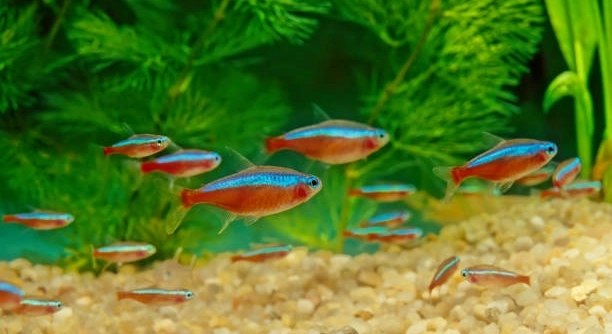
Creating a blackwater aquarium for your neon tetras can enhance their health and well-being. The dark waters mimic their natural environment, promoting comfort and vibrant colors in these delicate fish. Follow these seven steps to set up the perfect tank.
To properly set up a blackwater aquarium for neon tetras, focus on the right water conditions, tank decor, filtration, and plant choices. Using tannin-rich materials like driftwood and leaves will help create the ideal blackwater environment.
A few simple steps will help create the best blackwater environment for neon tetras. Keep reading to learn more about setting up the perfect tank.
Step 1: Set Up the Right Tank Size
The tank size is crucial when setting up a blackwater aquarium for neon tetras. A 20-gallon tank is a good starting point for a small school of tetras. It provides ample space for swimming while maintaining stability in water conditions. Ensure that the tank is long rather than tall, as neon tetras are best kept in horizontally oriented spaces. Too much vertical height can limit their ability to swim comfortably. Having enough space is key to reducing stress, especially in a blackwater setup where the water will be darker and potentially harder to monitor.
Choosing the right tank size ensures proper swimming space and healthier fish. For neon tetras, a 20-gallon tank is ideal, providing enough room for the tetras to thrive.
Before setting up the tank, always consider the number of fish you plan to keep. Neon tetras should be kept in groups, as this helps reduce stress and promotes their natural behavior. A school of at least six tetras will create a calmer environment in the aquarium, allowing them to feel safe. Ensure the tank is equipped with a secure lid to prevent any accidental escapes, as neon tetras can easily jump if startled.
Step 2: Create the Right Water Conditions
The water conditions are critical for the health of neon tetras in a blackwater setup. Neon tetras prefer soft, slightly acidic water with a pH between 6.0 and 7.0. It’s essential to monitor the water’s hardness regularly, as these fish are sensitive to changes in their environment. To maintain the ideal water conditions, use a reliable filtration system that can remove debris without disturbing the gentle flow of water.
A well-maintained filtration system helps prevent water quality issues that could harm the fish. It’s essential to monitor both the water’s pH and hardness regularly.
To maintain a stable environment, regular water changes are necessary. Aim to change about 25% of the water every two weeks. This helps maintain water quality while preventing harmful buildups that can affect your fish’s health. Adding aquarium-safe water conditioners can help buffer the water, ensuring it remains at the appropriate levels. Keep an eye on ammonia and nitrite levels to prevent any spikes that could harm your neon tetras.
Step 3: Add Driftwood and Leaves
Driftwood is an essential part of a blackwater aquarium. It releases tannins into the water, giving it that dark, tea-colored hue that neon tetras prefer. It also mimics their natural habitat, where these fish thrive in environments rich in organic material.
Adding driftwood helps maintain the proper water conditions for neon tetras. It not only gives the aquarium an authentic look but also provides hiding spots, which help reduce stress. The natural materials in the wood will release tannins over time, which also lower the pH and soften the water. You can also add dried leaves such as Indian almond leaves, which enhance the blackwater effect and further soften the water.
When setting up your tank, ensure the driftwood is securely placed to avoid it floating. After soaking it for a few days, it will sink and start releasing tannins into the water. Monitor the water’s color and adjust the amount of wood or leaves as necessary to avoid over-darkening the water, which could stress the tetras. Keep in mind that tannins may stain the tank, but they are harmless to the fish.
Step 4: Select the Right Substrate
The substrate is an important consideration for creating the perfect blackwater aquarium. A dark-colored substrate, like fine gravel or sand, will complement the dark water and create a visually appealing contrast with the neon tetras. It’s important to avoid light-colored substrates, as they can disrupt the natural aesthetic of the setup.
When choosing the substrate, consider the needs of your plants as well. Plants that are part of a blackwater tank benefit from nutrient-rich substrates that promote healthy root development. You can use a base layer of nutrient-rich soil covered with a fine gravel or sand topping. This will support your plants while maintaining a natural look.
In a blackwater tank, the substrate serves multiple purposes. It not only supports the plants and enhances the appearance of the setup but also provides beneficial bacteria that help break down waste. To avoid substrate disruption, be gentle when vacuuming the substrate during regular water changes. This will prevent unnecessary disturbances and keep the water clear.
Step 5: Choose the Right Plants
For a blackwater aquarium, choose plants that thrive in low-light conditions and prefer slightly acidic water. Java moss, Anubias, and crypts are great options for neon tetras. These plants will help maintain the dark water while adding natural beauty to your setup.
Plants like Java fern and Amazon swords are also excellent choices, providing hiding spots and adding oxygen to the tank. They will grow well in the dark, tannin-rich environment that blackwater creates. Proper lighting is important for plant health, so use low-intensity lights that won’t disrupt the tank’s natural ambiance.
Adding plants will help mimic the neon tetras’ natural habitat while keeping the water healthy. The plants absorb excess nutrients, which keeps the tank balanced. Be sure to trim the plants regularly to prevent overgrowth that could block light or create excessive waste in the tank.
Step 6: Install Proper Filtration
Proper filtration is essential in maintaining clean water and a stable environment in your blackwater aquarium. Choose a filter that provides gentle flow, as neon tetras prefer slow-moving water. A sponge filter is a good choice because it allows for efficient filtration without disrupting the peaceful environment.
Make sure to install a filter that can handle the size of your tank. It should be strong enough to keep the water clear but gentle enough not to disturb the tetras. Over-filtering can lead to high water movement, which may stress the fish. Monitor the filter regularly to ensure it is functioning properly.
Filters are crucial for maintaining water quality in any aquarium. They help remove debris and excess waste while ensuring proper oxygenation. Regular maintenance, such as cleaning or replacing filter media, is necessary to keep the tank running smoothly. A good filter is key to creating a healthy, stable environment for your neon tetras.
Step 7: Maintain Stable Water Temperature
Neon tetras thrive in stable water temperatures between 72°F and 78°F (22°C to 26°C). Using an aquarium heater is the easiest way to maintain consistent temperature levels, especially in cooler environments. This ensures the fish remain healthy and active.
A good aquarium heater will automatically maintain the desired water temperature, preventing sudden fluctuations that could stress the fish. Choose a heater with an adjustable thermostat to fine-tune the water temperature as needed. It’s also helpful to have a thermometer in the tank to regularly check the water temperature.
Maintaining the proper water temperature is vital to the overall health of your neon tetras. Temperatures outside the ideal range can cause stress and lead to disease. Be sure to adjust the heater when necessary to keep the water stable.
FAQ
How often should I change the water in a blackwater aquarium?
Water changes are essential to maintain a healthy environment for your neon tetras. In a blackwater tank, aim to change 25% of the water every two weeks. This helps remove excess waste and ensures the water remains clean and stable. If you notice changes in the water’s clarity or quality, you might need to adjust the frequency. A higher number of fish or plants can influence how often water changes are required.
Can I use tap water in my blackwater aquarium?
Tap water can be used, but it should be conditioned first. Tap water often contains chlorine or chloramine, which can be harmful to fish. Using a water conditioner to neutralize these chemicals is important before adding it to the tank. Additionally, ensure the water’s pH, hardness, and temperature match the needs of your neon tetras and plants. Some tap water can have higher mineral content, which may not be ideal for neon tetras. In this case, consider using RO (reverse osmosis) water to better control the water’s quality.
Why is my tank water cloudy after adding driftwood?
It’s common for water to become cloudy after adding driftwood due to the release of tannins. These tannins leach into the water and cause the water to turn brownish. While this is natural and harmless, the cloudiness should clear after a few days or after performing a partial water change. You can also pre-soak the driftwood for several days before adding it to the tank to help minimize tannin release. Over time, the water will stabilize, and the cloudiness will subside.
How long does it take for neon tetras to adjust to their new tank?
Neon tetras can take a few days to adjust to their new tank. It’s important to acclimate them slowly by introducing them to the water gradually. This helps them adjust to the temperature and pH of the new environment. It’s normal for them to be shy and hide for the first few days. They will become more active and comfortable once they’ve adjusted. Providing plenty of hiding spaces with plants or driftwood will help them feel safe as they adapt to their new home.
Can I keep other fish with neon tetras?
Yes, neon tetras are peaceful and do well with other non-aggressive species. Suitable tank mates include Corydoras catfish, shrimp, and other small, peaceful fish. Avoid aggressive species that may stress out or harm the neon tetras. It’s also important to ensure that the water conditions are appropriate for all species in the tank. Neon tetras are schooling fish and should be kept in groups of six or more, so consider that when selecting additional tank mates.
Do I need a UV sterilizer for my blackwater aquarium?
A UV sterilizer is not a necessity for a blackwater aquarium, but it can help maintain clear water by eliminating harmful microorganisms like algae or bacteria. UV sterilizers work by passing water through a UV light, which kills harmful organisms and helps prevent disease. If your tank experiences frequent algae blooms or water quality issues, a UV sterilizer can be beneficial. However, with proper filtration and regular water changes, you may not need one.
What is the best way to feed neon tetras in a blackwater aquarium?
Neon tetras are small fish, so their diet should consist of tiny foods like flakes, pellets, or frozen foods such as daphnia and brine shrimp. It’s best to feed them small amounts once or twice a day. Ensure that the food sinks slowly or is finely crushed to suit their small mouths. Overfeeding can lead to water quality issues, so only provide enough food that the fish can consume in a few minutes. Remove any uneaten food to avoid waste buildup.
How do I keep my tank clean without disturbing the blackwater environment?
To keep your blackwater aquarium clean, regular water changes and proper filtration are key. Use a gentle filter that won’t disturb the tannins in the water. When cleaning, avoid disturbing the substrate too much. A gravel vacuum can help remove debris without affecting the overall look of the tank. Clean the filter every few weeks to maintain good water flow and efficiency. Keeping the plants healthy by trimming them regularly will also help prevent them from decomposing and causing excess waste.
What temperature is ideal for neon tetras in a blackwater tank?
Neon tetras prefer water temperatures between 72°F and 78°F (22°C to 26°C). It’s important to maintain a stable temperature to prevent stress and health problems. Using an aquarium heater with an adjustable thermostat will help keep the temperature consistent. Avoid large fluctuations, as neon tetras are sensitive to sudden changes in their environment. Regularly check the temperature with a thermometer to ensure it stays within the ideal range.
Do neon tetras need special lighting in a blackwater aquarium?
Neon tetras do not require special lighting, but they do prefer subdued, low-light conditions. Bright lighting can stress them out and disturb the natural look of the blackwater tank. Using low-intensity lighting or a dimmer system will create a more comfortable environment for them. You can also include plants that thrive in low light, such as Anubias or Java fern, which will enhance the natural feel of the blackwater setup. Keep the lighting on a 10-12 hour cycle to mimic day and night conditions for the fish.
What are the signs of stress in neon tetras?
Stress in neon tetras can manifest in several ways. They may become lethargic, swim erratically, or hide more than usual. In some cases, stressed neon tetras may lose their vibrant colors or become pale. Poor water quality, aggression from other fish, or incorrect tank conditions are common stressors. If you notice any signs of stress, check the water parameters and make sure the tank setup is suitable for the tetras. Offering hiding spaces and ensuring a stable, peaceful environment will help alleviate stress.
Setting up a blackwater aquarium for neon tetras can create a beautiful and natural environment that closely mirrors their native habitat. The dark, tea-colored water is not only aesthetically pleasing but also provides a stress-free atmosphere for these small, peaceful fish. By following the necessary steps, such as using driftwood, leaves, and appropriate filtration, you can recreate an environment that promotes the health and well-being of your neon tetras. Understanding the needs of these fish will help ensure they thrive in their new home.
Maintaining a blackwater aquarium requires consistent care. Regular water changes, monitoring water parameters, and keeping the tank clean are essential steps in ensuring that your neon tetras live a long and healthy life. Additionally, providing them with a proper diet, appropriate tank mates, and hiding places will make them feel safe and comfortable. Monitoring the water’s quality and adjusting as needed will help prevent issues with algae, bacteria, or stress. Patience and attention to detail will go a long way in keeping your aquarium balanced and vibrant.
In the end, creating a blackwater aquarium is a rewarding experience that allows you to enjoy the beauty of neon tetras in a setting that mimics their natural environment. With proper setup and care, these small fish can flourish, adding color and life to your home. Whether you’re a beginner or an experienced aquarium keeper, a blackwater tank provides a unique way to care for and enjoy your aquatic pets.

Hello,
If you enjoy the content that we create, please consider saying a "Thank You!" by leaving a tip.
Every little bit helps us continue crafting quality advice that supports the health, happiness, and well-being of pets around the world, for pets of all shapes, sizes, and species.
We really appreciate the kindness and support that you show us!