
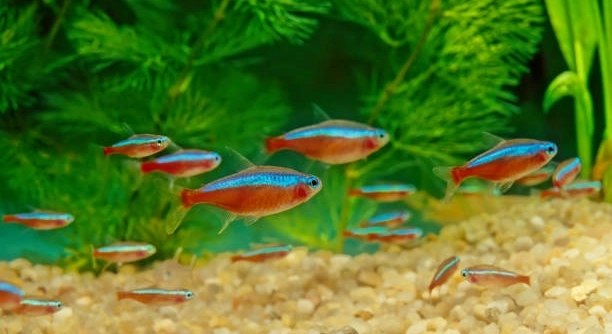
Neon tetras are beautiful, active fish that often add charm to aquariums. But if you’ve noticed your neon tetra swimming in a tight circle, it can be concerning. There are several reasons why this might happen.
Neon tetras may swim in tight circles due to stress, water quality issues, or possible illness. Overcrowding, poor water conditions, or the presence of predators can also lead to this abnormal behavior. It is important to observe their environment carefully.
Understanding the root cause of this behavior can help you create a better environment for your neon tetras. Knowing how to address the issue can improve your fish’s well-being and keep them healthy.
Poor Water Quality
If the water in your tank isn’t clean or well-balanced, it can make your neon tetras feel stressed. They are very sensitive to changes in water parameters like pH, ammonia levels, and nitrate levels. Poor water quality can lead to tight swimming or erratic behavior. Over time, this can affect their health and cause them to become lethargic or more prone to disease. Maintaining proper filtration and regular water changes is crucial for keeping your fish comfortable and happy.
Make sure the water is tested regularly to avoid any sudden shifts that may cause stress.
When setting up your aquarium, always keep the water clean and fresh. Regularly check for any pollutants or chemicals that could harm your neon tetras. It’s also a good idea to keep the water temperature stable. These small changes can make a big difference in your fish’s behavior and overall well-being.
Stress from Overcrowding
Overcrowding in an aquarium can lead to a stressful environment for neon tetras. When too many fish are placed in a small space, the water quality can degrade quickly, and fish may start to feel cramped. This stress often leads to abnormal behavior like tight circling.
Too many fish in one space means more waste, which can throw off the delicate balance of your aquarium. This impacts the health of all the fish, not just the neon tetras.
To reduce stress, ensure your tank is properly sized for the number of fish you have. Neon tetras typically do well in groups of six or more, but they still need enough space to swim freely. If you notice excessive circling, consider adjusting the number of fish or upgrading to a larger tank. Providing ample room can help reduce stress and improve your tetras’ behavior.
Illness or Disease
If your neon tetras are swimming in circles, they may be dealing with an illness. Fish are sensitive to bacterial, viral, and parasitic infections, which can cause unusual swimming patterns. Symptoms of illness may include lethargy, loss of appetite, or discoloration.
It’s essential to monitor your tetras closely for any other signs of disease. Look for changes in their fins, scales, or behavior, and test the water quality again. Sometimes a minor illness can escalate quickly, so prompt treatment is necessary.
If you suspect disease, consider isolating the affected fish in a quarantine tank. This will prevent the spread of illness to other fish. Additionally, using appropriate medications or adjusting the water conditions might be necessary to help your tetras recover. Always keep a close eye on your fish when they’re showing signs of illness.
External Stress Factors
Neon tetras are easily affected by external stressors like loud noises, sudden light changes, or movement near the tank. These can make your fish feel unsafe, leading them to exhibit unusual swimming behavior, such as circling. It’s essential to identify these stress factors and reduce them.
Create a calm and peaceful environment for your neon tetras. Keep the aquarium in a low-traffic area, and avoid sudden movements around it. Dim the lights in the room or use a timer for the aquarium light to keep it consistent. A stable environment can help reduce your fish’s anxiety.
Neon tetras also need enough hiding spots within the tank to feel secure. Plants, rocks, and decorations can give them spaces to retreat to when they feel threatened. This helps them calm down and stop the constant circling. Keeping the environment quiet and predictable will improve their overall health.
Poor Diet or Malnutrition
A lack of proper nutrition can cause your neon tetras to exhibit abnormal behaviors, like swimming in tight circles. If they’re not getting the right amount of nutrients, it can lead to stress and illness.
Neon tetras need a balanced diet of high-quality flakes, pellets, or live food. Ensure you’re providing a varied diet to meet all their nutritional needs. Deficiencies, especially in essential vitamins, can affect their health and behavior.
Consider supplementing their diet with different types of food, like brine shrimp or daphnia, to keep them active and healthy. A good diet can improve their swimming patterns and overall well-being.
Tank Conditions
Neon tetras thrive in stable tank conditions, including temperature, pH levels, and water hardness. Any changes in these factors can cause your fish to feel uneasy. If the tank conditions aren’t ideal, it might lead to tight circling or erratic movement.
Make sure the temperature stays between 72°F and 78°F (22°C to 26°C) for optimal health. Keep the pH levels between 6.0 and 7.5 for proper comfort. Regular testing will help you spot any potential issues with water parameters that could trigger stress or unusual behavior.
Presence of Predators
Neon tetras are small and vulnerable fish. If they sense a predator, whether it’s another fish or something outside the tank, they may start swimming erratically. Being in a tank with aggressive fish or creatures that are a threat can cause constant stress.
To avoid this, ensure your neon tetras are kept with peaceful tank mates. Avoid adding large, aggressive species that may intimidate them. When fish feel safe and secure, they’ll swim more naturally and be less likely to swim in tight circles.
FAQ
Why is my neon tetra swimming in tight circles?
There are several reasons why your neon tetra might be swimming in tight circles. Stress is a primary factor, often caused by overcrowding, poor water quality, or aggressive tank mates. Illness, external stress factors like loud noises, or improper tank conditions can also contribute. Poor diet or malnutrition might also lead to abnormal behavior. Always check the water parameters and ensure they are stable. A healthy, stress-free environment is essential for your neon tetras to thrive.
How can I improve the water quality in my tank?
To improve the water quality, ensure your aquarium has proper filtration and perform regular water changes. Test the water often to check for ammonia, nitrate, and pH imbalances. A good rule is to change 20-25% of the water every week, depending on the tank’s size and the number of fish. Using a high-quality filter can also help maintain stable water conditions. Don’t forget to remove any excess food or waste, as they can contribute to poor water quality.
What should I do if my neon tetras are stressed?
If your neon tetras are stressed, the first step is to identify the cause. Check for overcrowding, water quality issues, or aggressive tank mates. Reduce stressors by improving the environment—create hiding spots in the tank, reduce noise or sudden movements around the aquarium, and maintain stable water conditions. If necessary, remove any aggressive fish or consider moving the tetras to a separate tank where they feel safer.
Can neon tetras live with other fish?
Yes, neon tetras are peaceful fish and can live with many other species. However, they should not be kept with aggressive or larger fish that might intimidate them. Good tank mates include peaceful species like Corydoras catfish, guppies, and other small, non-aggressive fish. It’s important to ensure all fish in the tank have enough space and that no one is being bullied.
How often should I feed my neon tetras?
Neon tetras should be fed small amounts two to three times a day. Overfeeding can lead to water quality problems, so it’s essential to give only what they can consume in a few minutes. A varied diet is best, including high-quality flakes or pellets, as well as occasional live or frozen foods like brine shrimp or daphnia. This will provide the necessary nutrients and keep them healthy and active.
What temperature should my aquarium be for neon tetras?
Neon tetras thrive in temperatures between 72°F and 78°F (22°C to 26°C). Maintaining a stable temperature is crucial for their well-being, as sudden changes can stress them out and make them more prone to illness. Use a reliable aquarium heater and thermometer to ensure the water stays within this range, especially during seasonal changes or if your home temperature fluctuates.
Can I treat my neon tetra for illness in the main tank?
It’s generally best to treat sick fish in a separate quarantine tank to avoid spreading disease to other fish. However, if you don’t have a quarantine tank, you can treat them in the main tank with medication, but be cautious about how it may affect your other fish. Always follow the instructions on the medication and be prepared to monitor water conditions carefully, as some treatments may affect water parameters.
How can I prevent my neon tetras from getting sick?
To prevent sickness, keep the tank conditions stable and ensure your neon tetras are not exposed to stress. Regularly test the water, clean the tank, and provide a balanced diet. Avoid overfeeding and ensure there are enough hiding spots to reduce stress. Quarantine new fish before introducing them to avoid bringing disease into the main tank. By maintaining good habits, you can help your neon tetras stay healthy.
What are common diseases that affect neon tetras?
Neon tetras are susceptible to a few common diseases, including neon tetra disease, which is caused by a parasite and affects the fish’s body and behavior. Other diseases include ich (white spot disease), fin rot, and bacterial infections. Symptoms may include unusual swimming, loss of appetite, faded colors, or lesions. Early detection is key to treating these diseases effectively.
How can I tell if my neon tetra is healthy?
A healthy neon tetra will be active, swim in schools, and display vibrant coloration. Their fins should be intact, and their body should be free of lesions or swelling. They will also have a normal appetite and exhibit natural behaviors. If your neon tetra is swimming in circles, has a loss of color, or is showing signs of lethargy, these could be signs of stress or illness.
What tank size is best for neon tetras?
A minimum of 10 gallons is recommended for a school of neon tetras. The larger the tank, the more room your fish will have to swim and feel comfortable. A larger tank also helps maintain water quality and reduces stress. If you plan to keep a group of neon tetras with other species, you should consider a tank size of at least 20 gallons to ensure everyone has enough space.
Is it normal for neon tetras to swim in a circle?
While it’s not uncommon for fish to swim in circles occasionally, constant circling is a sign of stress or an underlying issue. It could be caused by poor water conditions, illness, or external stress factors. If this behavior persists, it’s important to address the root cause. Ensure proper water quality, a balanced diet, and a stress-free environment to help prevent this behavior.
Why are my neon tetras hiding all the time?
If your neon tetras are hiding often, it could be due to stress, illness, or unsuitable tank conditions. Check the water quality and make sure they have enough hiding spots in the aquarium to feel secure. They may also hide if they are frightened by aggressive tank mates or environmental disturbances. If the problem continues, consider adjusting the tank setup or examining your tetras for signs of disease.
Can I add more neon tetras to my tank?
Adding more neon tetras to your tank can help them feel more comfortable, as they are schooling fish. They do best in groups of six or more. However, make sure your tank has enough space and that the water quality is suitable for the additional fish. Overcrowding can lead to stress and poor water conditions. Keep an eye on the overall health of your tank before adding more fish.
Final Thoughts
Neon tetras are beautiful and peaceful fish that can bring life to your aquarium. However, if you notice them swimming in tight circles, it’s important to address the possible causes. Whether it’s poor water quality, stress, illness, or malnutrition, these factors can all contribute to abnormal behavior. By maintaining a stable environment, providing a proper diet, and ensuring your fish have enough space, you can help prevent these issues from occurring.
Understanding the reasons behind your neon tetra’s behavior is crucial for their health and well-being. Regular water testing, monitoring tank mates, and making sure the temperature stays within the ideal range will go a long way in ensuring your tetras remain happy. It’s also essential to observe your fish closely, as any unusual behavior can be an early warning sign of stress or illness. Addressing these concerns early on can prevent further complications and keep your aquarium ecosystem in balance.
Ultimately, the key to keeping neon tetras healthy is creating a peaceful and stable environment. Proper care and attention to water quality, diet, and tank conditions will go a long way in keeping your tetras active and vibrant. If you notice any behavior that seems off, take action quickly to help your fish recover. By doing so, you can ensure your neon tetras live a long and healthy life, providing enjoyment and beauty to your aquarium for years to come.

Hello,
If you enjoy the content that we create, please consider saying a "Thank You!" by leaving a tip.
Every little bit helps us continue crafting quality advice that supports the health, happiness, and well-being of pets around the world, for pets of all shapes, sizes, and species.
We really appreciate the kindness and support that you show us!