
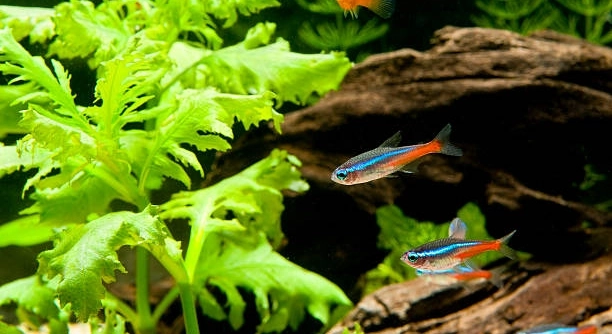
Do you ever find yourself confused by all the advice about keeping neon tetras healthy and happy in a home aquarium?
Many myths about neon tetra care have been passed around over the years, often leading to misunderstandings and poor tank conditions. It’s important to separate fact from fiction in order to give these fish the best possible environment.
From tank size to water conditions and diet, this article breaks down what’s true and what’s not when it comes to neon tetra care.
Myth 1: Neon tetras can live in bowls without a filter
Many people believe neon tetras can live in small bowls with no filter or heater. This is not true. Neon tetras are tropical fish that need clean, warm water and stable conditions. Without a filter, waste builds up quickly, making the water toxic. Bowls don’t offer enough space or oxygen, and without a heater, the water can get too cold. These conditions can stress the fish, weaken their immune systems, and lead to sickness or death. Even though they’re small, neon tetras still need proper equipment to stay healthy. A filtered, heated tank that is at least 10 gallons is a much better home for them.
Without a filter, harmful substances like ammonia rise fast, even after one feeding.
A small, properly cycled tank with gentle filtration and a heater will help neon tetras live longer, stress-free lives. They do best when kept in groups of six or more in a planted tank with stable parameters. Clean water and steady temperatures help prevent illness and encourage natural behavior. Even though bowls are cheaper and more convenient, they’re not safe for neon tetras in the long run. When their needs are met, these fish become more colorful, active, and easier to care for. A simple setup makes a big difference in their quality of life.
Myth 2: Neon tetras are fine living alone
Neon tetras are schooling fish. They rely on the company of their own kind to feel safe and act naturally.
When neon tetras are kept alone or in small numbers, they can become stressed and hide more often. Stress weakens their immune system and may shorten their lifespan. In a group of six or more, they swim together, show bright colors, and behave more normally. A small school creates a sense of safety and keeps them active and social. If space allows, even more can be added, which often improves tank harmony. Tank mates should also be peaceful and non-aggressive, so the tetras don’t feel threatened. A calm tank environment paired with a proper school size can help reduce anxiety and make these fish thrive. Watching them swim together is also one of the most enjoyable parts of keeping them. Their behavior becomes more natural and predictable when they feel secure among their own species.
Myth 3: Neon tetras can eat just flakes every day
Feeding only flakes may keep neon tetras alive, but it doesn’t meet all their nutritional needs. A varied diet helps maintain their health, color, and energy levels. They benefit from more than just basic flake food.
Flakes are fine for everyday feeding, but they shouldn’t be the only thing in their diet. Adding frozen or live foods like daphnia, bloodworms, or brine shrimp gives them protein and encourages natural hunting behavior. Some days, you can even use high-quality micro pellets designed for small tropical fish. Feed in small amounts they can finish in two minutes to avoid polluting the water. Switching up their food a few times a week supports immune health and keeps them more active. They also show brighter colors when eating a balanced mix.
Offering different food types keeps things interesting for them and supports their overall well-being. Neon tetras can get bored or even sick if fed only one food all the time. Try rotating between flakes, frozen treats, and small live snacks. Always thaw frozen foods before feeding. Make sure nothing sinks and rots at the bottom. By watching their behavior during feeding time, you can learn which foods they like most and adjust their meals. This helps you connect with your fish and care for them better.
Myth 4: Neon tetras don’t need regular water changes
Skipping water changes leads to rising waste levels, which can harm neon tetras over time. Even in a filtered tank, waste and leftover food still collect.
Neon tetras need clean, stable water to stay healthy. Even with a filter running, toxins like ammonia and nitrates build up. Changing 25–30% of the water weekly helps remove these harmful substances. Tap water should be treated with a conditioner to remove chlorine before being added. Regular water changes also help keep the pH and temperature stable, which neon tetras need. If too much waste collects, your tank may start smelling bad, and the fish can show signs of stress like clamped fins or dull colors. Taking the time to change water consistently makes a big difference in how active and colorful your tetras are.
A consistent water change routine helps prevent illness and improves overall tank conditions. Even a well-maintained tank can slowly become toxic without regular care. Watching the water clarity or waiting until fish show signs of sickness is too late. Try to make water changes part of your weekly routine, not just something you do when the tank looks dirty. Use a gravel vacuum to clean the bottom while removing water. Keep track of how your fish react after a water change — they often become more active and show brighter colors within hours.
Myth 5: Neon tetras glow in the dark
Neon tetras do not glow in the dark. Their bright stripes reflect light, especially in well-lit tanks, but they don’t produce light themselves. The glowing effect is just a reflection under certain lighting.
The blue and red stripes on their bodies look shiny under aquarium lights, but they’re not bioluminescent. They need light to show their colors properly, and in the dark, their colors appear dull.
Myth 6: They can be added to a new tank right away
Neon tetras are sensitive to changes in water quality, so adding them to an uncycled tank can lead to stress or death. A new tank must go through the nitrogen cycle before it’s safe for fish. This process builds beneficial bacteria that break down waste like ammonia and nitrite. Without these bacteria, toxins rise quickly, even after one feeding. It’s best to wait until the tank has been cycled and tested with a water testing kit. Look for zero ammonia and nitrites, with low nitrates. Only then is the tank safe for neon tetras to be introduced.
Myth 7: They’re hardy beginner fish
Neon tetras are not as hardy as many people think. They’re small, sensitive fish that need stable water conditions and a peaceful tank.
FAQ
How long do neon tetras live?
Neon tetras usually live between 5 to 8 years if they are kept in good conditions. This includes a clean, cycled tank, a proper diet, and consistent water temperatures. Many people see shorter lifespans because of stress, poor water quality, or small tank sizes. Buying from a reliable source also helps, since some store-bought fish are weaker due to poor breeding. With the right care and attention, neon tetras can be long-living and active additions to a community tank.
What’s the ideal water temperature for neon tetras?
Neon tetras are tropical fish and need warm water. The ideal range is between 72°F and 78°F (22°C to 26°C). Temperatures that are too low can cause them to get sick or become sluggish. Avoid sudden temperature changes. Use a reliable aquarium heater and thermometer to keep the water stable.
Can neon tetras live with bettas?
It depends on the betta’s personality. Some bettas are calm and ignore tank mates, while others are aggressive. If trying this setup, make sure the tank is at least 10 gallons, with lots of plants and hiding spots. Watch them closely at first to make sure there’s no chasing or fin-nipping.
How many neon tetras should be kept together?
Neon tetras should always be kept in groups of at least six. They are schooling fish and need to be with their own kind to feel safe. Larger groups of eight to twelve are even better if the tank size allows it. When alone, they become shy and more likely to hide.
Do neon tetras need live plants?
Live plants are not required, but they are very helpful. Plants make the tank feel more natural and provide shelter. They also help improve water quality by absorbing waste. Good plant options include java fern, anubias, and hornwort. Even low-light plants will make the tetras feel safer and more active.
Can I keep neon tetras in a 5-gallon tank?
It’s not ideal. A 5-gallon tank is too small for a proper group of neon tetras. These fish need swimming space and clean, stable water. A 10-gallon tank is the minimum recommended size for a small school. Larger tanks are easier to maintain and provide a healthier environment.
Do neon tetras sleep?
Yes, neon tetras rest at night when the lights go out. They don’t close their eyes, but they become less active and usually stay in one spot. To support a natural day-night cycle, keep the aquarium light on for about 8–10 hours a day, then turn it off at night.
Why are my neon tetras losing their color?
Loss of color often means stress. This can be caused by poor water quality, sudden temperature changes, lack of a school, or bullying from other fish. Dim lighting or nighttime rest can also cause temporary fading. Check water parameters, tank mates, and feeding habits if the color loss continues.
Are neon tetras hard to care for?
They’re not the easiest fish for beginners because of how sensitive they are to water changes and stress. But with a bit of research and regular care, they can thrive. They do best in a stable tank with consistent maintenance, peaceful tank mates, and a varied diet.
How often should I feed neon tetras?
Feed them once or twice a day. Only give what they can eat in about two minutes. Overfeeding causes water problems and can make them sick. It’s good to offer variety—flakes, frozen foods, and micro pellets all help meet their nutritional needs without overloading the tank.
Final Thoughts
Keeping neon tetras is not hard, but it does take some care and planning. A lot of confusion comes from common myths that are shared too often. These small fish have simple needs, but ignoring them can lead to stress or sickness. They need a proper tank size, stable water conditions, and to live in a group. Many people make the mistake of thinking they’re easy just because they’re small and affordable. But like any pet, they need attention to stay healthy. Learning the right facts helps prevent problems and makes fishkeeping more enjoyable.
Neon tetras are peaceful and colorful, which makes them a popular choice for many tanks. When given the right care, they show bright colors, swim in schools, and live long lives. They are sensitive to sudden changes, so stability is very important. Good water quality, gentle tank mates, and a varied diet are all key parts of their care. They also do best in tanks with live plants or decorations that give them places to hide. A quiet, stable environment brings out the best in them. If you give them what they need, they become active, calm, and more fun to watch.
Avoiding the myths shared in this article will help you make better choices for your neon tetras. It’s always a good idea to double-check advice before trying something new in your tank. Not everything you hear is true, even if it’s repeated often. The right setup doesn’t have to be expensive or complicated. A clean, cycled tank with the right number of fish and a few simple tools is enough to keep them healthy. Watching them school together and explore their space is a rewarding part of fishkeeping. In the end, a little care goes a long way. When you understand what your fish need, it’s easier to enjoy the hobby and feel confident about your setup.

Hello,
If you enjoy the content that we create, please consider saying a "Thank You!" by leaving a tip.
Every little bit helps us continue crafting quality advice that supports the health, happiness, and well-being of pets around the world, for pets of all shapes, sizes, and species.
We really appreciate the kindness and support that you show us!