
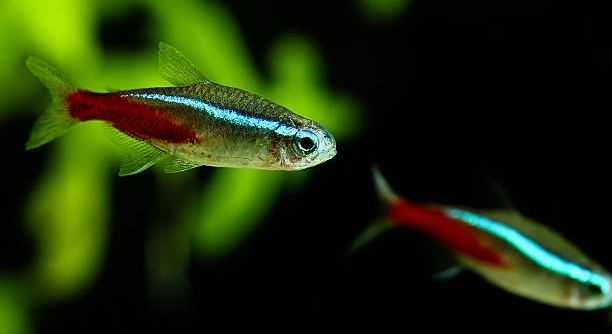
Neon Tetras are known for their vibrant shimmer, adding beauty to any aquarium. However, when their shimmer starts to fade, it can be concerning. Understanding the causes behind this change is key to keeping them healthy.
The most common reasons for a neon tetra losing its shimmer are poor water quality, improper diet, stress, and diseases. These factors can lead to a decline in their vibrant color, making them appear dull or faded.
Taking steps to improve their environment and care can help restore their natural glow. Understanding the causes will guide you in ensuring your neon tetras stay bright and healthy.
Poor Water Quality
Neon Tetras are sensitive to water conditions, and poor water quality is one of the leading causes of their fading shimmer. High levels of ammonia, nitrates, or nitrites can cause stress and weaken their immune system. Maintaining clean, well-filtered water is essential for their health. Regular water changes and proper filtration will help keep the water balanced, providing a stable environment for your fish. Keep an eye on the water temperature, as sudden changes can also affect their well-being.
If your neon tetras are losing their shimmer, check the water parameters regularly. Ammonia and nitrate levels should be at zero, and the pH should be within a healthy range. Consider testing the water weekly to stay on top of any changes.
Maintaining good water quality will not only improve the shimmer of your neon tetras but will also help prevent other health issues. Regular cleaning and monitoring of water parameters should be a routine to ensure your fish thrive.
Diet and Nutrition
A poor diet can also cause neon tetras to lose their color. A balanced diet is crucial for their health and vibrancy. If they are not receiving enough nutrients, their colors can fade, and they may appear dull. Providing them with a variety of high-quality foods, including flakes, pellets, and frozen or live foods, will ensure they get the necessary nutrients. Supplementing their diet with occasional treats like bloodworms can further boost their health.
Feeding neon tetras a proper diet promotes strong immune systems and enhances their vibrant colors. A variety of foods ensures they get all the vitamins and minerals they need.
A healthy diet is key to maintaining the natural shimmer of your neon tetras. By offering nutritious food options, you can help them stay vibrant and full of energy.
Stress
Stress is another factor that can cause neon tetras to lose their shimmer. Overcrowding, incompatible tank mates, or sudden changes in their environment can trigger stress. A stressed fish is more likely to display dull colors and may even become sick. Ensuring a peaceful environment with appropriate tank mates is essential.
Providing your neon tetras with a comfortable, stable environment can help reduce stress. Avoid sudden changes in water temperature, pH, or light intensity. If the tank is too crowded, it’s important to remove excess fish to give your neon tetras space to swim freely.
Reducing stress involves making their environment as calm as possible. Limit noise and disturbances around the tank and ensure the aquarium is well-planted to provide hiding spots. Proper tank maintenance can go a long way in keeping your neon tetras healthy and their shimmer intact.
Diseases
Illnesses like neon tetra disease or other infections can lead to color loss. These diseases can cause fading, lethargy, and loss of appetite. A sick fish may lose its vibrant appearance and show signs of physical distress. Regularly observing your neon tetras for signs of illness is essential to catch issues early.
Neon tetra disease, caused by a parasitic protozoan, is a common condition that leads to fading colors. It’s often accompanied by a lack of appetite and abnormal swimming behavior. Quarantining affected fish and treating them with the appropriate medication can help prevent the spread of disease to healthy fish in the tank.
Taking action quickly when you notice signs of illness can prevent the problem from worsening. If you suspect a disease, isolate the affected fish and seek advice from a veterinarian or an experienced aquarium keeper. Treating the disease early increases the chances of restoring the fish’s health and shimmer.
Lighting Conditions
Improper lighting can also contribute to the fading of a neon tetra’s shimmer. Too much light can stress them, while too little can prevent them from displaying their vibrant colors. It’s essential to provide moderate lighting to mimic their natural habitat.
A consistent light cycle of 10-12 hours per day is ideal for neon tetras. Avoid direct sunlight, which can lead to algae growth and uneven lighting. Using an aquarium light with a gentle intensity will help maintain your tetras’ natural glow and avoid stressing them out.
Proper lighting helps enhance their shimmer while maintaining their overall health. Consider using LED lights designed for aquariums to control the intensity and provide a balanced light environment.
Water Temperature
Neon tetras are sensitive to temperature fluctuations. If the water is too warm or too cold, it can affect their overall health and cause them to lose their shimmer. A consistent, moderate temperature is key.
Maintaining a water temperature between 72°F and 78°F (22°C to 26°C) ensures the neon tetras feel comfortable. Sudden drops or spikes in temperature can cause stress, weaken their immune system, and make them more prone to illness, affecting their coloration.
A stable water temperature allows neon tetras to thrive and maintain their vibrant appearance. A reliable heater and thermometer can help keep the water temperature consistent, ensuring a comfortable environment for your fish.
FAQ
Why is my neon tetra losing its shimmer?
There are several reasons why a neon tetra may lose its shimmer. Poor water quality, improper diet, stress, diseases, lighting conditions, and temperature fluctuations can all affect their vibrant colors. Regular maintenance, proper diet, and a stable environment are essential to maintaining their shimmer.
How can I improve the water quality for my neon tetras?
To improve water quality, ensure regular water changes, typically 25% every two weeks, and keep the filtration system running efficiently. Monitor ammonia, nitrate, and nitrite levels regularly to ensure they stay within safe ranges. Additionally, remove excess food and waste to prevent toxins from building up.
Can a poor diet cause neon tetras to lose their color?
Yes, a poor diet can lead to loss of color in neon tetras. Providing a varied diet that includes high-quality flakes, pellets, and live or frozen foods ensures they get essential nutrients. A lack of vitamins, particularly vitamin A and carotenoids, can cause fading.
What water temperature is best for neon tetras?
Neon tetras thrive in water temperatures between 72°F and 78°F (22°C to 26°C). Keeping the temperature stable within this range is crucial for their health and helps maintain their shimmering colors. Avoid sudden changes in temperature, as they can cause stress and illness.
Can stress affect the color of my neon tetra?
Yes, stress is one of the leading causes of color loss in neon tetras. Stress can be triggered by overcrowding, aggressive tank mates, or abrupt environmental changes. Ensuring that the tank is appropriately sized and peaceful will help keep your tetras stress-free and vibrant.
How do I prevent neon tetra disease?
Neon tetra disease is caused by a parasitic infection and can be difficult to prevent entirely. Quarantining new fish before adding them to the tank is a good practice to avoid introducing the disease. Keep water conditions optimal and avoid overfeeding, as poor conditions make fish more susceptible.
Can lighting affect my neon tetra’s shimmer?
Yes, lighting plays a significant role in the shimmer of neon tetras. Too much light can stress them, while insufficient light can cause their colors to fade. Providing moderate, stable lighting that mimics their natural environment helps bring out their vibrancy. Aim for 10-12 hours of light daily.
How can I tell if my neon tetra is sick?
Signs of illness in neon tetras include faded colors, loss of appetite, abnormal swimming behavior, or lesions on their body. If your tetra is showing these signs, it’s important to isolate them from other fish to prevent spreading any diseases and seek treatment immediately.
Should I add more neon tetras to my tank if they seem stressed?
If your neon tetras seem stressed due to overcrowding, adding more fish can sometimes help by reducing aggression. However, always ensure your tank has enough space for the new fish. It’s important to maintain a balance so that all fish can thrive without too much competition for resources.
What are some signs of poor water quality affecting neon tetras?
Signs of poor water quality include cloudy water, algae growth, and abnormal fish behavior, such as lethargy or gasping for air at the surface. Fish may also lose their shimmer or exhibit fading colors due to toxins like ammonia or nitrates. Regular water testing is essential to monitor water quality.
Can tank mates affect the health of neon tetras?
Yes, aggressive or incompatible tank mates can cause stress and lead to color fading in neon tetras. It’s best to house them with peaceful species that won’t compete for space or food. Always research the compatibility of potential tank mates before adding them.
How often should I feed my neon tetras?
Feed neon tetras small amounts two to three times a day. Overfeeding can lead to water quality issues, so ensure they eat everything within a few minutes. A varied diet that includes flakes, pellets, and occasional live or frozen foods will help maintain their health and shimmer.
Can the size of the tank impact the health of neon tetras?
Yes, tank size is important for neon tetras’ well-being. A tank that is too small can cause stress due to overcrowding, leading to color loss. A minimum of 10 gallons is recommended for a small school of neon tetras. A larger tank provides better water stability and space for swimming.
How can I reduce the risk of disease in my neon tetras?
To reduce the risk of disease, maintain optimal water conditions, avoid overcrowding, and quarantine new fish before introducing them to the tank. Regularly observe your fish for any signs of illness and promptly address any issues. A healthy, stress-free environment is essential for disease prevention.
What should I do if my neon tetra is not eating?
If your neon tetra isn’t eating, it could be stressed, ill, or the food may not be appealing to them. Try offering a variety of foods, including live or frozen options. If they continue not eating, consider checking water quality and monitoring for any signs of illness.
Can I use medication to improve my neon tetra’s color?
Medications are typically used to treat diseases rather than enhance color. If your neon tetra’s color loss is due to illness, consult a veterinarian or aquarium expert for proper treatment. To restore their shimmer, focus on maintaining water quality, diet, and minimizing stress.
How do I know if my neon tetra is healthy?
A healthy neon tetra has bright colors, is active, and eats regularly. It will swim steadily in schools, not showing signs of stress or disease. Its fins should be intact, and it should not display any unusual behavior such as swimming erratically or sitting at the bottom of the tank.
Can a neon tetra recover its shimmer after losing it?
Yes, neon tetras can regain their shimmer once the underlying issue is resolved. By improving water quality, adjusting their diet, reducing stress, and treating any diseases, they can return to their vibrant selves. It may take some time, but with the right care, they can recover.
Final Thoughts
Maintaining the shimmer of your neon tetras is a matter of providing them with the right care and environment. A healthy aquarium requires stable water conditions, appropriate lighting, and a balanced diet. By ensuring these factors are in place, your neon tetras will be more likely to display their natural vibrancy. Regular water changes, proper filtration, and avoiding overfeeding are key practices that prevent many of the common issues that can cause color loss.
Neon tetras are sensitive to their surroundings, and any changes in water quality, temperature, or tank mates can lead to stress and affect their shimmer. Keeping their environment consistent and peaceful helps them thrive. Additionally, paying attention to their diet is crucial. A well-balanced diet rich in essential vitamins will support their health and natural coloration. High-quality food, such as flakes, pellets, and occasional live or frozen options, will help your neon tetras maintain their shimmer and overall well-being.
While occasional color loss is natural, a consistent, stress-free environment combined with proper care will ensure that your neon tetras stay healthy and vibrant. By focusing on their diet, water conditions, and light levels, you’ll help your fish recover if their shimmer fades. Regular observation of their behavior and health will also help you identify any issues early, allowing you to take action quickly and ensure your tetras remain as colorful as ever.

Hello,
If you enjoy the content that we create, please consider saying a "Thank You!" by leaving a tip.
Every little bit helps us continue crafting quality advice that supports the health, happiness, and well-being of pets around the world, for pets of all shapes, sizes, and species.
We really appreciate the kindness and support that you show us!