
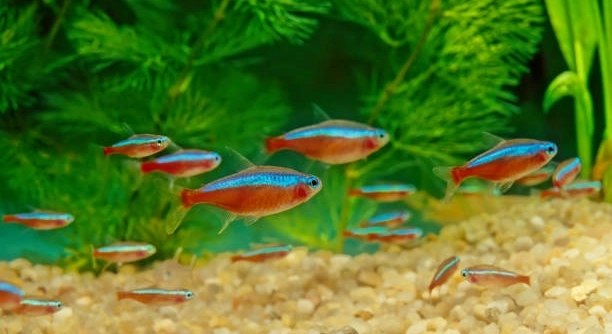
Maintaining a healthy aquarium environment is essential for your neon tetras. High ammonia levels can lead to stress and health problems for your fish. Luckily, there are easy ways to reduce ammonia and improve water quality.
To lower ammonia levels in your neon tetra tank, you can improve filtration, do regular water changes, avoid overfeeding, and maintain a balanced ecosystem with plants and bacteria. These actions will help stabilize the water and reduce harmful toxins.
By making simple adjustments, you can keep your neon tetras safe and healthy. Each step will contribute to a better environment for your fish. Let’s take a closer look at how to put these changes into practice.
Improve Your Tank Filtration
One of the most effective ways to lower ammonia in your neon tetra tank is by improving your filtration system. A good filter helps remove waste, excess food, and harmful chemicals, keeping the water clean. Make sure the filter is appropriate for the size of your tank. The larger the tank, the more filtration power you’ll need. Also, clean your filter regularly to prevent clogs, which can hinder its ability to remove ammonia.
A well-maintained filter helps create a stable environment for your fish by constantly removing excess toxins. It works around the clock, ensuring the ammonia levels stay low. If your filter is weak, it might not be able to keep up with the waste your neon tetras produce.
In addition to a quality filter, ensure the filter media is designed for biological filtration. Biological filtration introduces beneficial bacteria that break down harmful substances like ammonia. These bacteria convert ammonia into less harmful nitrites and nitrates, which are easier to manage in the tank. This step is crucial for long-term water quality.
Perform Regular Water Changes
Changing your water regularly is an easy but powerful way to control ammonia. Ammonia levels rise quickly if you let waste build up in the water. A 25-30% water change once a week can significantly help lower ammonia levels and keep your fish healthy.
Frequent water changes remove built-up ammonia, toxins, and debris, improving overall water quality. It’s a simple practice that can make a big difference for your neon tetras. Make sure the replacement water is treated to remove chlorine and other harmful chemicals.
Avoid Overfeeding Your Neon Tetras
Overfeeding is a major cause of high ammonia levels. Leftover food decomposes in the tank, producing ammonia. Feeding your neon tetras once or twice a day, in small amounts, ensures they finish their food before it starts to break down. Always observe how much they actually consume.
In addition to reducing ammonia, avoiding overfeeding prevents other issues, like poor water quality and unhealthy fish. If you’re unsure how much to feed, give them just enough that they can eat within a few minutes. Any food that isn’t eaten should be removed promptly. Excess food left in the tank can quickly turn into ammonia, affecting your neon tetras’ health.
Try using a feeding ring or controlled portion sizes to help track how much food is being given. Monitoring the water for cloudy or foamy conditions can also indicate overfeeding. By feeding properly, you keep your tank cleaner and your fish happier.
Maintain Live Plants in Your Tank
Live plants are natural filters for your tank and can help reduce ammonia levels. Plants absorb ammonia as part of their growth process, making them an excellent addition to any neon tetra tank. You can introduce low-maintenance plants like Java fern, Anubias, or Amazon swords.
Plants also improve the overall tank environment by providing hiding spots and reducing stress for your neon tetras. They help mimic a natural habitat and promote a balanced ecosystem. Having enough plants encourages healthy bacteria growth, which breaks down ammonia and other waste products. A well-planted tank requires less maintenance in the long run.
In addition, plants improve oxygen levels, which benefits your fish. They help keep the water oxygenated and promote a more stable environment. This balance between plant life and fish results in fewer ammonia spikes, allowing your neon tetras to thrive.
Use Ammonia-Eating Bacteria
Adding ammonia-eating bacteria to your tank is a smart way to reduce ammonia levels. These beneficial bacteria help break down ammonia into less harmful substances, keeping the tank cleaner and safer for your neon tetras. You can buy these bacteria products at most pet stores.
These bacteria work by converting ammonia into nitrites and then into nitrates, which are less toxic and easier to manage. It’s important to maintain a steady population of these bacteria, so avoid disrupting the tank too much. Keeping a healthy colony helps create a balanced, low-ammonia environment for your fish.
Avoid Overcrowding Your Tank
Overcrowding is a common mistake that leads to high ammonia levels. Too many fish in a small space means more waste, which results in higher ammonia production. Keep your neon tetras in an appropriately sized tank for the number of fish you have.
A general rule is to allow 1 inch of fish per gallon of water. Overcrowding stresses the fish and leads to poor water quality. It also makes it harder for your filtration system to manage the waste. Reducing the number of fish will significantly lower the ammonia levels.
Test Ammonia Levels Regularly
Testing your water regularly for ammonia levels is essential to keep track of your tank’s health. Ammonia test kits are available at pet stores and are simple to use. Regular testing will help you catch any ammonia spikes before they affect your neon tetras.
By monitoring ammonia levels, you can take immediate action to correct any issues, such as performing a water change or adjusting the filtration system. Keeping track of the water’s chemistry helps maintain a stable environment, ensuring your neon tetras stay healthy and stress-free.
FAQ
What are the signs of high ammonia levels in a neon tetra tank?
High ammonia levels in a neon tetra tank can cause several visible signs in your fish. One of the first signs is that your fish may become lethargic or swim erratically. They may spend more time near the surface of the water, trying to get more oxygen. Neon tetras may also develop damaged fins or show signs of burning around their gills and mouth. If ammonia levels are particularly high, your fish might start gasping for air or appear to be struggling to breathe. A cloudy or murky tank could also be an indicator that ammonia is building up.
How often should I test my tank for ammonia?
It’s important to test your tank for ammonia regularly, especially in the beginning when setting up a new tank or after making changes to the tank’s environment. At a minimum, test the water once a week. If you notice any of the symptoms of high ammonia or if your tank’s filtration system is not working properly, it’s a good idea to test more frequently. For established tanks with good filtration and a balanced ecosystem, testing every two weeks might be enough. Regular testing helps catch problems before they affect your fish’s health.
Can I use chemical ammonia neutralizers to lower ammonia levels?
While chemical ammonia neutralizers are available and can temporarily lower ammonia levels, they are not a long-term solution. These products often mask the issue rather than address the root cause. Relying on them can lead to false readings of ammonia levels, making it harder to properly maintain the tank. Instead, focus on improving tank filtration, performing water changes, and using natural ammonia-eating bacteria. Chemical treatments should be used with caution and only when necessary, as they can also impact the beneficial bacteria in your tank.
How do live plants help reduce ammonia levels?
Live plants play an important role in reducing ammonia levels by absorbing it as part of their natural growth process. Plants take up ammonia in the water, using it as a source of nitrogen for their growth. This process helps to reduce the amount of ammonia available to your fish and stabilizes the water. In addition to removing ammonia, plants also help by producing oxygen during photosynthesis, which benefits your neon tetras and creates a healthier tank environment. Plants like Java moss, Anubias, and Amazon swords are especially good at absorbing ammonia and other harmful compounds.
Is ammonia harmful to neon tetras?
Yes, ammonia is very harmful to neon tetras, even at low levels. Neon tetras are sensitive to poor water quality, and ammonia toxicity can quickly lead to health issues. Ammonia affects their gills, making it harder for them to breathe. This can cause oxygen deprivation, stress, and even death if the ammonia levels remain high for too long. Prolonged exposure to ammonia can lead to weakened immune systems, making the fish more vulnerable to diseases. Maintaining low ammonia levels is crucial for the well-being of your neon tetras.
Can I keep neon tetras in a tank with ammonia issues?
It’s not ideal to keep neon tetras in a tank with ammonia issues. High ammonia levels can cause long-term damage to their health. If your tank is experiencing high ammonia levels, it’s important to resolve the issue before adding or keeping neon tetras. Use water changes, improve filtration, and ensure the tank is properly cycled before adding any fish. If your tank is already set up, consider reducing the number of fish or using ammonia-eating bacteria to help manage the levels. Ensuring a stable, low-ammonia environment will make for a healthier, happier tank.
What is the nitrogen cycle, and how does it relate to ammonia?
The nitrogen cycle is a natural process that breaks down harmful waste products, like ammonia, in an aquarium. It involves three key types of bacteria: ammonia-oxidizing bacteria, nitrite-oxidizing bacteria, and denitrifying bacteria. In the first step of the cycle, ammonia is converted into nitrites by ammonia-oxidizing bacteria. Next, nitrites are converted into nitrates by nitrite-oxidizing bacteria. Nitrates are less harmful to fish, though they still need to be controlled. Proper filtration and live plants help facilitate this cycle, ensuring that ammonia is effectively converted and kept at safe levels for your neon tetras.
How can I reduce ammonia without changing the water too much?
If you want to reduce ammonia levels without doing frequent water changes, focus on improving your tank’s filtration and introducing ammonia-eating bacteria. A good filter system helps remove debris and excess food, which reduces waste that could break down into ammonia. Regularly cleaning your filter and ensuring that it’s functioning well is key. Adding live plants to the tank can also naturally lower ammonia levels. Using ammonia-eating bacteria helps break down ammonia into less harmful compounds. With these methods, you can control ammonia without having to constantly change the water.
How does overfeeding contribute to high ammonia levels?
Overfeeding your neon tetras leads to uneaten food breaking down in the tank. This decomposing food creates excess ammonia, as it’s part of the waste cycle. Neon tetras are small fish and don’t need a large amount of food. Feeding them too much can quickly overwhelm the filtration system, resulting in a rise in ammonia levels. To prevent this, feed your tetras small amounts of food that they can consume in a few minutes, removing any leftovers right away. Proper feeding habits help maintain better water quality and keep ammonia levels in check.
What should I do if my neon tetras show signs of ammonia poisoning?
If your neon tetras show signs of ammonia poisoning, like difficulty swimming or gasping for air, act quickly. Perform a partial water change immediately, ideally 25-30%, to reduce the ammonia levels. Check your filter to ensure it’s working properly and clean it if needed. You may also want to add ammonia-eating bacteria to help break down the ammonia more quickly. If your tank’s ammonia levels are consistently high, review your filtration system, feeding habits, and stocking levels. By making the right adjustments, you can restore a healthier environment for your neon tetras.
Final Thoughts
Maintaining low ammonia levels in your neon tetra tank is essential for their health and well-being. Ammonia can build up quickly in aquariums, especially when there are issues with filtration, feeding, or overstocking. By understanding the causes of ammonia buildup and taking proactive steps, you can create a safer and more stable environment for your fish. Regular water changes, proper feeding practices, and using beneficial bacteria are all effective ways to manage ammonia levels without much effort. The key is consistency and a commitment to maintaining a balanced tank.
Another important aspect of ammonia control is monitoring the nitrogen cycle in your aquarium. Beneficial bacteria play a significant role in breaking down ammonia and converting it into less harmful substances. This natural process is crucial for keeping your tank healthy. By ensuring that your filtration system supports the nitrogen cycle and by adding live plants, you can enhance this process. Plants not only help absorb ammonia but also improve oxygen levels in the water, creating a better habitat for your neon tetras. It’s important to make sure that all these factors are working together to maintain a stable environment.
Lastly, patience is necessary when managing ammonia in your tank. It may take time for your aquarium’s biological filtration system to become fully established, especially in new tanks. During this time, it’s crucial to monitor the water quality regularly and make adjustments as needed. Avoiding overfeeding, ensuring proper stocking, and regularly cleaning your tank are essential habits to form. While it may seem like a lot of effort at first, with the right habits, you can create a low-ammonia environment that will benefit your neon tetras for the long term.

Hello,
If you enjoy the content that we create, please consider saying a "Thank You!" by leaving a tip.
Every little bit helps us continue crafting quality advice that supports the health, happiness, and well-being of pets around the world, for pets of all shapes, sizes, and species.
We really appreciate the kindness and support that you show us!