
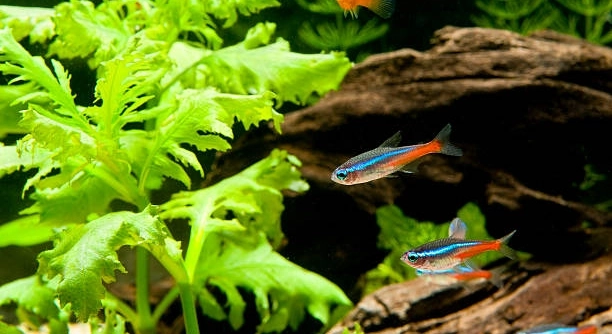
Neon Tetras are small, colorful fish that make great additions to aquariums. However, it can be concerning when they refuse to eat. Understanding the reasons behind their behavior can help improve their health and overall well-being.
Neon Tetras may refuse to eat for several reasons, including stress, water quality issues, or inappropriate food choices. Illness and the presence of tankmates can also impact their appetite. Identifying the root cause is essential for addressing the issue.
Addressing these factors can help ensure that your Neon Tetra stays healthy and nourished.
Stress and Overcrowding in the Tank
Stress is a common reason Neon Tetras might refuse to eat. These fish are delicate and can be easily stressed by changes in their environment. Overcrowding in the tank is one of the leading causes. When there are too many fish in a small space, it creates competition for food and can lead to aggressive behavior. This can leave the Neon Tetra feeling threatened, which affects their appetite. Stress can also arise from abrupt changes in water temperature, lighting, or water conditions. These factors disrupt their sense of security, making them less likely to feed.
It is crucial to provide a balanced environment with adequate space for each fish. Reducing overcrowding and ensuring peaceful interactions will help lower stress levels.
For Neon Tetras, a peaceful and well-organized tank is essential. Maintaining the right balance with the tank size, fish number, and water conditions can reduce stress. A stress-free environment will encourage feeding and support overall health.
Water Quality and Temperature
Neon Tetras thrive in clean, well-maintained water. Poor water quality can lead to various health issues, making it harder for your fish to feel comfortable enough to eat. High levels of ammonia or nitrites are harmful to fish and may discourage feeding. Neon Tetras prefer water temperatures between 72 and 78 degrees Fahrenheit. If the water is too cold or too warm, it can affect their metabolism and appetite.
Maintaining consistent water parameters is key. Regularly check your tank’s pH, ammonia, and nitrite levels. Water changes should be done regularly to maintain a healthy environment.
Proper water conditions also reduce the chances of diseases that may interfere with their appetite. A clean, stable environment will support your Neon Tetra’s overall health, allowing them to feed properly and thrive.
Illness or Health Problems
If a Neon Tetra isn’t eating, it could be a sign of illness. Diseases like fin rot, internal parasites, or swim bladder issues can make your fish lose interest in food. A sick fish may not show obvious symptoms at first, but their eating habits are often the first noticeable change.
A lack of appetite can sometimes be a sign that something is wrong with their health. If your fish are lethargic, have clamped fins, or show unusual swimming behavior, it’s best to isolate the affected fish and monitor their condition. Early detection of illness can help treat it before it worsens.
Consulting with a veterinarian or an experienced aquarist may be necessary to properly diagnose and treat your fish. A change in behavior, such as not eating, should not be ignored. Keeping a close eye on your Neon Tetra’s health and behavior will help ensure they stay well-fed and active.
Water Parameters Not in Ideal Range
Water conditions play a significant role in your fish’s health and appetite. Neon Tetras are sensitive to changes in water quality. Improper pH levels, incorrect hardness, or fluctuating water temperatures can cause them stress and make them refuse food. It’s essential to monitor the water conditions regularly.
Neon Tetras thrive in slightly acidic water with a pH range of 6.0 to 7.0. If the pH level rises or falls outside of this range, it may stress the fish, causing them to stop eating. Ensuring that the water temperature stays consistent is equally important, as drastic changes can disrupt their digestion.
Regular water testing and adjustments will help maintain a suitable environment. By stabilizing the water parameters, you can encourage your Neon Tetra to resume normal eating habits and avoid health problems linked to poor water conditions.
Type of Food Offered
Neon Tetras can be picky eaters, and the type of food offered can affect their willingness to eat. They prefer small, soft foods that are easy to consume. If they are given large or hard food particles, they might refuse to eat.
Switching between live, frozen, or flake foods can help find what your Neon Tetra prefers. It’s important to offer a variety of food to encourage eating. Small, high-quality pellets or flakes designed for small tropical fish will often be the most appealing. Avoid overfeeding, as uneaten food can pollute the water.
Finding the right food that suits your fish’s taste and nutritional needs can improve their appetite. Experimenting with different options can make a difference in their eating habits.
Tankmates and Social Interaction
The presence of aggressive or incompatible tankmates can lead to a loss of appetite in Neon Tetras. These peaceful fish may become stressed if housed with larger, more aggressive species. This stress can directly impact their willingness to eat.
Neon Tetras do well in tanks with other peaceful fish. They prefer schools of their own kind but can also live alongside other non-aggressive species. Keeping them with overly dominant or territorial fish may make them feel unsafe, leading to stress and a reduced appetite. Keeping the tank environment calm can help your Neon Tetra eat properly.
Feeding Schedule
A consistent feeding schedule helps create a routine for your Neon Tetra. If the feeding times are irregular or inconsistent, it may cause confusion or stress, which can lead to a refusal to eat. Establishing a feeding time will help your fish know when to expect food.
Feeding your Neon Tetra at the same time each day encourages them to anticipate food and reduces stress. Overfeeding or feeding at varying times can cause unnecessary disturbances. Stick to a simple schedule to maintain regular feeding habits.
FAQ
Why isn’t my Neon Tetra eating?
There are several possible reasons for a Neon Tetra refusing to eat. Stress, poor water conditions, illness, or unsuitable food are the most common factors. Ensuring your fish is not stressed, the water parameters are correct, and the food is appropriate for their size and taste can help resolve this issue.
How often should I feed my Neon Tetra?
Neon Tetras should be fed once or twice a day. It’s important to offer only as much food as they can consume in 2-3 minutes. Overfeeding can lead to uneaten food in the tank, which will spoil and affect the water quality. Keeping a consistent feeding schedule helps establish a routine.
What is the ideal water temperature for Neon Tetras?
The ideal water temperature for Neon Tetras is between 72°F and 78°F (22°C to 26°C). Temperatures outside this range can lead to stress and may affect their appetite and overall health. Regularly checking the water temperature will help ensure it remains stable and within the optimal range for your fish.
Can tankmates affect my Neon Tetra’s eating habits?
Yes, aggressive or larger tankmates can stress out Neon Tetras, making them less likely to eat. They are peaceful fish and do better in tanks with other non-aggressive species. If they feel threatened or have to compete for food, they may stop eating.
What should I do if my Neon Tetra has stopped eating?
If your Neon Tetra has stopped eating, first check the water quality. Ensure the pH, temperature, and ammonia levels are within the recommended range. Observe if they are showing signs of illness or stress. It may also be helpful to adjust the type of food you offer to see if they prefer something different.
Can Neon Tetras eat flake food?
Yes, Neon Tetras can eat flake food. In fact, high-quality flake food is a good staple in their diet. However, the flakes should be small enough for them to eat easily. You can also supplement with live or frozen foods to ensure they get a variety of nutrients.
How do I know if my Neon Tetra is sick?
Signs of illness in Neon Tetras include lethargy, clamped fins, faded colors, swimming erratically, or rubbing against objects. If you notice any of these symptoms, it’s essential to monitor your fish closely and, if necessary, consult with a vet or experienced aquarist to diagnose the problem.
Can Neon Tetras eat frozen food?
Yes, Neon Tetras can eat frozen foods, such as bloodworms, brine shrimp, or daphnia. These are excellent sources of protein and can stimulate their appetite. Just be sure to thaw the frozen food properly before feeding to avoid contaminating the water.
Is it normal for Neon Tetras to stop eating when introduced to a new tank?
It is normal for Neon Tetras to refuse food when they are introduced to a new tank. The change in environment can be stressful, and they may take a few days to adjust. Monitor their water conditions and provide a calm environment to help them settle in.
Can stress cause Neon Tetras to stop eating?
Yes, stress is one of the most common reasons why Neon Tetras stop eating. Stress can be caused by poor water quality, aggressive tankmates, overcrowding, or sudden changes in the environment. Creating a stable and peaceful tank environment is key to reducing stress and encouraging your fish to eat.
What are the signs that my Neon Tetra is hungry?
Signs that your Neon Tetra is hungry include swimming near the surface or the feeding area, showing interest when food is added to the tank, and actively searching for food. However, be cautious about overfeeding, as excess food can pollute the tank and cause health issues.
Can I overfeed my Neon Tetra?
Yes, overfeeding can lead to several issues, including poor water quality, obesity, and digestive problems. Neon Tetras should only be fed small amounts that they can consume in 2-3 minutes. Leftover food can quickly spoil and degrade water conditions, affecting the health of your fish.
How can I improve my Neon Tetra’s diet?
Improving your Neon Tetra’s diet involves offering a variety of foods. In addition to high-quality flakes, try providing live or frozen foods like bloodworms or brine shrimp. A varied diet will help provide the essential nutrients your fish need to stay healthy and active.
How can I encourage my Neon Tetra to eat new foods?
If your Neon Tetra is reluctant to try new foods, try introducing small amounts at a time. You can also try soaking new foods in garlic or a fish attractant to make them more appealing. Gradually increasing the variety of foods offered will help them develop a taste for new options.
What do Neon Tetras eat in the wild?
In the wild, Neon Tetras primarily eat small invertebrates, insects, and plant matter found in their natural habitat. They are omnivores, feeding on tiny organisms that float in the water. Providing a diet that mimics their natural food sources, such as live or frozen foods, can encourage them to eat.
Final Thoughts
Understanding why Neon Tetras may refuse to eat is important for their overall health and well-being. Often, the issue stems from environmental stress, such as poor water quality, unsuitable tankmates, or drastic changes in their habitat. Regularly monitoring water parameters, maintaining a stable tank environment, and avoiding overcrowding can go a long way in ensuring that your Neon Tetra feels comfortable enough to eat. Additionally, keeping a consistent feeding schedule will help establish a routine that your fish can rely on.
Another key factor to consider is the type of food you offer. Neon Tetras are small, delicate fish that prefer foods small enough to eat easily. Offering a variety of foods, such as high-quality flakes, live foods, or frozen options, can stimulate their appetite and encourage them to eat. It’s essential to avoid overfeeding, as leftover food can pollute the water, which can lead to further health issues. By offering a balanced diet and keeping their environment calm, you’ll help create the best conditions for your fish to thrive.
In conclusion, if your Neon Tetra is refusing to eat, it is likely due to one or more factors. By paying close attention to water quality, the tank environment, and the food you provide, you can address the issue. Neon Tetras are relatively low-maintenance fish, but like any pet, they require attention to their specific needs. With patience and proper care, your Neon Tetra should regain its appetite and continue to thrive in your aquarium.

Hello,
If you enjoy the content that we create, please consider saying a "Thank You!" by leaving a tip.
Every little bit helps us continue crafting quality advice that supports the health, happiness, and well-being of pets around the world, for pets of all shapes, sizes, and species.
We really appreciate the kindness and support that you show us!