
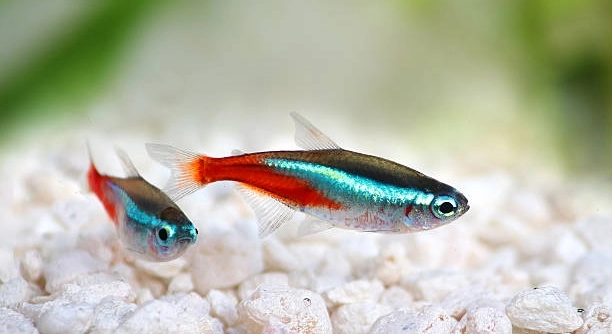
Neon Tetras are popular fish in home aquariums due to their vibrant colors and peaceful nature. However, their health can be easily affected by various water quality issues. These problems can lead to stress or illness in your fish.
Several factors can negatively impact the health of Neon Tetras, including poor water quality caused by improper filtration, imbalanced pH levels, excessive nitrates, chlorine contamination, high ammonia levels, low oxygen, and temperature fluctuations.
By understanding these common water quality issues, you can prevent stress or illness in your Neon Tetras and maintain a healthier environment for them. Keep reading to learn how these factors influence their well-being.
1. Poor Filtration Can Cause Water Quality Problems
Proper filtration is key to keeping your aquarium water clean and safe for Neon Tetras. Without it, waste from uneaten food, fish waste, and other debris can build up in the tank, leading to higher levels of harmful substances like ammonia and nitrates. These toxins can stress your fish, leading to disease or even death if left unchecked. Inadequate filtration can also result in poor oxygen circulation, which is essential for healthy fish. Make sure your filter is suitable for the size of your tank and is cleaned regularly to prevent these issues. It’s also important to check the water flow rate. Too strong of a current can make Neon Tetras stressed, while a weak flow can result in dirty water.
A properly functioning filter should be your first line of defense in maintaining water quality. Clean the filter regularly to keep it effective and prevent any build-up.
Routine maintenance is vital. Change the filter media as recommended by the manufacturer, and don’t forget to clean the tank as well to keep the water clear and safe.
2. Imbalanced pH Levels and Their Impact on Neon Tetras
Maintaining stable pH levels in your aquarium is crucial for the health of your Neon Tetras. These fish prefer a slightly acidic to neutral pH range, typically between 6.0 and 7.0. If the pH level fluctuates or becomes too high or too low, your fish may become stressed, leading to weakened immune systems and increased vulnerability to infections. Sudden changes in pH can be particularly harmful, causing shock to the fish. Test your aquarium’s pH regularly with an easy-to-use kit and adjust it if needed. Adding natural elements like driftwood can help stabilize pH, as they release tannins that lower acidity.
To adjust pH, use aquarium-safe pH buffers or water conditioners designed for this purpose. Avoid drastic changes in pH, as it can be more harmful than keeping it slightly off-balance.
Inconsistent pH levels can lead to other problems as well, such as poor growth and faded colors. By monitoring and adjusting the pH regularly, you’ll help your Neon Tetras thrive in their tank environment.
3. Excessive Nitrates in the Tank
High nitrate levels in the tank can harm your Neon Tetras over time. Nitrates are produced as a byproduct of fish waste and uneaten food. While some nitrates are less toxic than ammonia or nitrites, excessive levels can lead to poor water quality and long-term health problems for your fish. It’s crucial to regularly test nitrate levels in your aquarium, aiming to keep them below 20 ppm (parts per million) to ensure a safe environment.
To control nitrates, perform routine water changes and reduce overfeeding. Excess food left in the tank breaks down, leading to increased nitrate levels. It’s also important to remove any dead plant matter, as this can contribute to nitrate build-up. Consider adding live plants to your aquarium; they can absorb excess nitrates, improving the overall water quality.
A high nitrate level can lead to algae blooms, which further degrade water quality. Keeping your aquarium clean and maintaining a consistent water change schedule will help prevent nitrate-related issues, keeping your Neon Tetras healthy and happy.
4. Chlorine Contamination in the Water
Chlorine is often found in tap water, which can be harmful to your Neon Tetras. If untreated water is added directly to the tank, the chlorine can irritate their gills, causing breathing problems and stress. It can also disrupt the beneficial bacteria in your aquarium, which are essential for breaking down waste. Using dechlorinating agents is an easy solution to avoid this issue.
Always treat new water with a water conditioner before adding it to the tank. The conditioner will neutralize the chlorine, making it safe for your fish. This simple step will ensure that your aquarium stays balanced and your Neon Tetras remain healthy.
Even low concentrations of chlorine can be damaging if exposed over time. Therefore, it’s important to test the water before use and make sure all harmful substances are removed. Regular testing will give you peace of mind and keep your fish thriving.
5. High Ammonia Levels in the Tank
Ammonia is toxic to Neon Tetras, even in small amounts. It’s released from fish waste, uneaten food, and decaying plants. High ammonia levels can cause severe damage to their gills and immune system. Keeping ammonia levels at zero is essential for their health.
To prevent ammonia buildup, ensure your filter is working properly and perform regular water changes. A good rule is to change about 25% of the water weekly. This will help keep ammonia levels under control and provide a cleaner, healthier environment for your fish.
6. Low Oxygen Levels in the Tank
Neon Tetras need a steady supply of oxygen to thrive. If the water’s oxygen levels drop too low, your fish may show signs of distress, such as gasping at the surface. Proper aeration is necessary to maintain a healthy environment for them.
Ensure your tank is equipped with an air pump or a filter that promotes surface agitation. This allows oxygen to mix better with the water, giving your fish a steady supply. You can also increase oxygen by adding live plants, which naturally release oxygen during photosynthesis.
7. Temperature Fluctuations
Sudden or extreme changes in water temperature can cause stress for Neon Tetras. They prefer a consistent temperature between 72°F and 78°F (22°C to 26°C). Temperatures outside this range can lead to illness or even death if the fish are exposed for too long.
FAQ
What is the ideal water temperature for Neon Tetras?
Neon Tetras thrive in water temperatures between 72°F and 78°F (22°C to 26°C). Maintaining a consistent temperature within this range helps keep them healthy and reduces stress. Sudden fluctuations can cause them to become ill or even die. Using a reliable aquarium heater is a good way to regulate the temperature, especially if you live in an area with varying room temperatures. Make sure the heater is properly sized for your tank. Always monitor the water temperature with a thermometer to ensure it stays within the ideal range.
How can I prevent algae growth in my tank?
Algae thrive when there are excess nutrients, especially nitrates, and excess light in the tank. To prevent algae growth, avoid overfeeding your Neon Tetras. Any uneaten food should be removed promptly to prevent decomposition and nitrate buildup. Reduce the amount of light your tank gets, aiming for about 8-10 hours of light per day. You can also introduce live plants that absorb excess nutrients, helping to keep algae at bay. Additionally, consider adding algae-eating creatures like snails or shrimp that will help control algae growth.
How do I know if my Neon Tetras are stressed?
Stressed Neon Tetras often display signs like faded colors, erratic swimming, or hiding in corners. They may also lose their appetite or become less active. Stress can be caused by poor water quality, improper temperature, overcrowding, or aggressive tankmates. If you notice these signs, it’s important to quickly check the water parameters like pH, ammonia, and nitrate levels, and make adjustments. Providing a calm and stable environment can help reduce stress and prevent long-term health issues.
How often should I change the water in my tank?
For optimal health, it’s recommended to change 25% of the water in your Neon Tetra tank every week. Regular water changes help maintain water quality by removing toxins and replenishing essential minerals. If you have a heavily stocked tank or poor filtration, you may need to change more water. Always treat tap water with a dechlorinator before adding it to your aquarium. When doing a water change, be sure to clean the tank’s surfaces and remove any debris.
What kind of filtration system is best for Neon Tetras?
A gentle filter is the best option for Neon Tetras, as they prefer calm waters. A filter that provides good biological and mechanical filtration will help keep the water clean and clear. Look for filters with adjustable flow rates so you can control the water current to match the needs of your fish. Too strong a flow can stress Neon Tetras, while weak filtration can lead to poor water quality. Regularly clean the filter to maintain its effectiveness.
How do I prevent overfeeding my Neon Tetras?
Overfeeding is a common issue for aquarium owners and can lead to poor water quality. Feed your Neon Tetras small amounts of food that they can consume in about 2-3 minutes. You can feed them twice a day, but be careful not to give them more food than they can eat. Uneaten food will break down and release harmful chemicals into the water. To keep track, consider feeding them at set times each day and removing any leftover food after feeding.
Are Neon Tetras good tankmates for other fish?
Yes, Neon Tetras are peaceful fish and can coexist with many other species, especially other small, non-aggressive fish. Avoid keeping them with larger, more aggressive fish that might view them as food. Good tankmates include other small tetras, guppies, Corydoras catfish, and peaceful species like cherry shrimp. It’s always important to consider the temperament and size of potential tankmates to ensure a harmonious environment for your Neon Tetras.
Can Neon Tetras live in a tank without a filter?
While it is technically possible for Neon Tetras to live in a tank without a filter, it’s not recommended. Without a filter, the water quality can deteriorate quickly due to waste accumulation and lack of proper aeration. A filter helps maintain water cleanliness and oxygen levels, essential for the health of your fish. If you choose to go without a filter, be prepared to perform more frequent water changes, at least 50% every few days, to maintain water quality.
What should I feed my Neon Tetras?
Neon Tetras are omnivores and will thrive on a varied diet. High-quality flake food, micro-pellets, and frozen or live food like brine shrimp or daphnia are good options. Supplement their diet with occasional treats such as bloodworms or finely chopped vegetables. Avoid overfeeding and remove any uneaten food to prevent water quality problems. A varied diet ensures your Neon Tetras get the nutrients they need to stay vibrant and healthy.
Can Neon Tetras live with high levels of nitrates?
Neon Tetras are sensitive to high nitrate levels, and long-term exposure can harm their health. Excessive nitrates can cause stress, weaken their immune system, and increase the likelihood of disease. It’s important to maintain nitrate levels below 20 ppm. Regular water changes, proper filtration, and removing excess food and waste are effective ways to keep nitrates in check. Adding live plants can also help absorb excess nitrates, keeping the water clean. If nitrate levels are consistently high, consider upgrading your filtration system or reducing stocking density.
Final Thoughts
Maintaining good water quality is essential for the health of your Neon Tetras. They are small, delicate fish that can be easily affected by poor water conditions. By regularly checking water parameters like ammonia, nitrate, pH, and temperature, you can help create a stable environment that supports their well-being. A little attention to these details goes a long way in preventing stress and disease. Proper filtration, routine water changes, and monitoring for any signs of problems will keep your fish thriving.
In addition to monitoring water quality, you should also pay attention to your fish’s behavior. Neon Tetras are peaceful and active fish that tend to hide when they are stressed. If they are not swimming around, displaying their vibrant colors, or eating properly, this can be an early sign that something is wrong. It’s important to act quickly and check the water conditions to address the issue. Overfeeding, sudden temperature changes, and aggressive tankmates are some of the common causes of stress in Neon Tetras.
While Neon Tetras are hardy when their needs are met, they do require specific care to maintain their health. Understanding their environment and making small adjustments to water quality, tankmates, and diet will ensure they live a long, healthy life in your aquarium. With proper attention to these factors, your Neon Tetras will continue to be a beautiful, peaceful addition to your tank for years to come.

Hello,
If you enjoy the content that we create, please consider saying a "Thank You!" by leaving a tip.
Every little bit helps us continue crafting quality advice that supports the health, happiness, and well-being of pets around the world, for pets of all shapes, sizes, and species.
We really appreciate the kindness and support that you show us!