
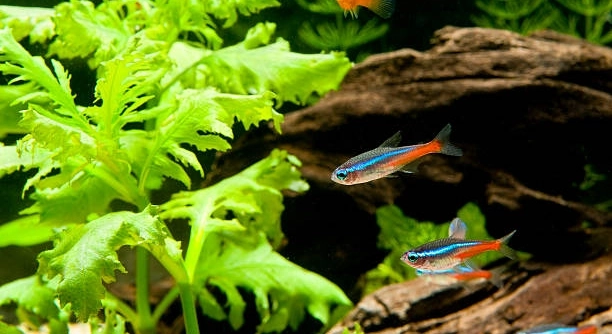
Do you ever find yourself wanting a beautiful aquarium without all the gadgets and constant upkeep? A low-tech setup can still offer great results with less stress.
The best way to set up a low-tech planted tank for neon tetra is by using natural elements like live plants, minimal equipment, and stable water parameters. This approach supports a healthy environment while keeping maintenance easy and cost-effective.
From plant selection to choosing the right substrate, these steps will help you build a thriving tank that both you and your fish will enjoy.
Step 1: Pick the Right Tank Size
A 10 to 20-gallon tank is a good starting point for neon tetra. It gives them enough space to swim in groups, which helps them feel safe and behave naturally. Smaller tanks can make it harder to keep the water clean and stable. Larger tanks are easier to manage, especially for beginners. You’ll also have more room to add live plants and décor. Look for a tank with a secure lid, since neon tetras can jump when startled. Stick to standard rectangular shapes—they offer better surface area for gas exchange, which helps keep oxygen levels stable.
A tank this size fits well in small spaces and doesn’t require much equipment. It’s also affordable and easy to maintain.
Avoid overstocking the tank. Neon tetras are social fish, so keeping a group of six or more is best. This size gives them room to group together and swim freely.
Step 2: Choose a Low-Maintenance Substrate
Go with fine gravel or nutrient-rich planted tank soil. These options help plant roots grow well and are easy to clean. Avoid colored gravel or sharp stones that might harm the fish or block plant roots.
The right substrate supports plant health and makes the tank look more natural. Planted tank soil has nutrients that slowly release over time, which helps roots grow strong without needing extra fertilizer right away. It’s especially useful if you want rooted plants like crypts or Amazon swords. Fine gravel is also a good choice and works well with root tabs if you need to add nutrients later. Make sure the layer is at least 1.5 to 2 inches thick so roots can spread easily. Before adding water, gently smooth out the surface to avoid air pockets and uneven planting. A good substrate sets the foundation for a clean, stable, and attractive tank.
Step 3: Add Easy Live Plants
Stick with hardy plants like Java fern, Anubias, and Amazon sword. These plants don’t need CO₂ or strong lights and grow slowly, which means less trimming and easier care overall. They also help improve water quality by absorbing waste and giving fish places to hide.
Java fern and Anubias grow best when attached to rocks or driftwood, not buried in the substrate. This makes planting simple and mess-free. Amazon swords, on the other hand, do well when rooted in nutrient-rich substrate. If you want more texture, consider floating plants like frogbit. They help block bright light and reduce algae. Avoid high-maintenance species that need trimming or extra fertilizers. A few easy plants placed around the tank will give it a natural look and provide shade and comfort for your neon tetras. Less work, better results.
These plants also offer a sense of safety for your fish. Neon tetras like swimming through leaves and hiding when stressed. Keeping the layout simple helps with maintenance and tank balance. Make sure your plants don’t block too much light or water flow. Regular checks will help prevent overgrowth. A balanced setup with a few strong plants is ideal for a low-tech tank like this one.
Step 4: Use a Gentle Filter and Heater
Choose a sponge filter or a small internal filter with a gentle flow. Neon tetras are small and don’t like strong currents, so something soft and quiet is best. A filter also helps keep the water clean and stable.
A sponge filter works well because it gives enough movement to keep the water from getting stale without disturbing your fish. It also provides a surface for helpful bacteria to grow, which keeps ammonia and nitrite levels low. Internal filters with adjustable flow are another solid option. As for heat, keep a preset heater that stays between 74–78°F. Neon tetras are sensitive to cold, so a stable temperature helps them stay active and healthy. Choose a heater sized for your tank and place it where water flow will spread the warmth evenly. Consistent warmth and clean water go a long way in keeping your planted tank peaceful and easy to manage.
Step 5: Use Simple Lighting
Pick a basic LED light made for planted tanks. It should run 6 to 8 hours a day. Too much light can cause algae, and too little can slow plant growth. A simple timer can help keep things consistent.
Stick with a light that has a soft, natural tone. Avoid high-intensity lights unless you’re growing demanding plants. Most easy plants will grow fine with low to medium lighting. Keeping it simple helps avoid algae and extra tank work.
Step 6: Add Neon Tetras Gradually
Wait at least one to two weeks after planting before adding your fish. This gives the tank time to settle and allows beneficial bacteria to grow. Start with a small group of neon tetras—around six—to let the system adjust. They do best in groups and feel more secure when not alone. Make sure your water parameters are stable before adding more. Watch for signs of stress or illness. Feed lightly at first to keep the water clean. Let the tank adjust slowly. Adding too many fish too soon can cause imbalances and stress both fish and plants.
Step 7: Keep Maintenance Simple
Change about 25% of the water once a week. Wipe the glass if algae appear. Trim plants only when needed.
FAQ
How often should I feed my neon tetras?
Feed your neon tetras once or twice a day. Offer small portions they can eat in 2–3 minutes. Overfeeding can lead to water quality issues, so it’s better to underfeed slightly than to give too much. If you notice uneaten food after a few minutes, remove it. Neon tetras are small and don’t need a lot of food. They’ll thrive on high-quality flake food, freeze-dried bloodworms, and occasional live food like brine shrimp. A variety in their diet will help maintain their health.
What temperature should I keep the tank at for neon tetras?
The ideal temperature range for neon tetras is between 74°F and 78°F. Keeping the water within this range helps maintain their health and energy. Too high or low temperatures can cause stress and make them more susceptible to illness. Use a reliable heater with a thermostat to keep the temperature consistent. Make sure the heater is appropriately sized for your tank, and check the temperature regularly to avoid fluctuations.
Can I keep neon tetras with other fish?
Yes, neon tetras can live peacefully with other small, peaceful fish. They do well with species like guppies, Corydoras catfish, and small rasboras. Avoid keeping them with large, aggressive fish that may stress or eat them. Neon tetras thrive in a peaceful community tank where they can swim in groups and feel safe. Ensure that any tank mates have similar water parameter needs to avoid problems. Always research the compatibility of potential tank mates before adding them.
Do neon tetras need a lot of space to swim?
Neon tetras don’t need a massive tank but should have enough room to swim freely in groups. A 10-gallon tank is sufficient for a small group of neon tetras, but larger tanks with more swimming space are always better. A cramped tank can stress them out and prevent them from displaying natural behavior. The more space they have, the more comfortable they’ll feel. Having plants and decorations helps create swimming pathways and hiding spots, making them feel safer.
What should I do if my neon tetras are acting stressed?
Stressed neon tetras may hide more, show less color, or swim erratically. Stress can be caused by poor water quality, incorrect water parameters, overcrowding, or aggressive tank mates. First, check the water parameters, including temperature, pH, ammonia, nitrites, and nitrates. Make sure everything is within the recommended range. If the water quality is good, observe if they are being bullied by other fish. If the stress continues, consider adjusting their environment by adding more plants or rearranging décor to provide more hiding spaces.
How can I tell if my neon tetras are sick?
Sick neon tetras often show signs like fading color, clamped fins, lethargy, or difficulty swimming. You might also notice abnormal swimming patterns, like staying near the surface or bottom of the tank. If you see white spots on their body, it could be a sign of ich, a common fish disease. Make sure to quarantine any sick fish immediately to prevent the spread of disease. If you notice any unusual behavior or physical changes, research the symptoms to identify the problem, or consult an aquarium professional for advice.
Do neon tetras need CO₂ in their tank?
No, neon tetras do not require CO₂ supplementation for their tank. They do well in low-tech setups, and live plants can thrive with basic lighting and natural CO₂ exchange from the water surface. Adding CO₂ is typically reserved for more advanced planted tanks with demanding plants. Stick with hardy plants like Java fern, Anubias, and crypts to avoid the need for additional CO₂. A low-tech tank with a simple setup is perfect for neon tetras and keeps maintenance to a minimum.
Can I add neon tetras to a tank with established plants and fish?
Yes, neon tetras can be added to an established tank with plants and other peaceful fish. Just make sure the water parameters are suitable for them. Before introducing neon tetras, ensure your tank’s environment is stable. Perform a water test to check for ammonia, nitrites, and nitrates, as well as temperature and pH. Gradually acclimate them to the tank to reduce shock. Adding new fish slowly will help maintain a healthy tank balance, giving time for the filter and bacteria to adjust.
What are the best plants for a low-tech tank with neon tetras?
The best plants for a low-tech tank with neon tetras are those that require minimal light and care. Java fern, Anubias, and Amazon sword are excellent choices. Java fern can be attached to rocks or driftwood, while Anubias grows slowly and is perfect for beginners. Amazon sword thrives in nutrient-rich substrate. Floating plants like frogbit can help reduce excess light and shade the tank, preventing algae growth. Stick to easy-to-grow plants that will enhance the environment for both your tetras and other tank inhabitants.
How can I reduce algae growth in my low-tech tank?
To reduce algae growth, avoid overfeeding and keep the light on for only 6-8 hours a day. Algae thrive in high-light, nutrient-rich environments, so it’s important to maintain a balance. Regular water changes of about 25% per week help remove excess nutrients that encourage algae growth. If algae start appearing on the glass or décor, manually scrub them off. Consider adding algae-eating fish like otocinclus catfish or nerite snails to help keep it under control. Proper plant care also reduces excess nutrients that fuel algae.
Can I use tap water for my neon tetra tank?
Tap water is fine for neon tetras as long as it’s properly treated. Many tap water sources contain chlorine or chloramine, which are harmful to fish. Use a water conditioner to remove these chemicals before adding it to the tank. Also, test the pH, hardness, and temperature of your tap water to ensure they match the needs of neon tetras. If your tap water has high levels of ammonia, nitrites, or nitrates, you may need to use a water filter or opt for distilled or reverse osmosis water for better control over the parameters.
Final Thoughts
Setting up a low-tech planted tank for neon tetras is a simple and rewarding process. With the right equipment and a few easy-to-care-for plants, you can create an environment that is both beautiful and low-maintenance. By choosing a small tank, using a gentle filter, and sticking with easy plants like Java fern and Anubias, you can keep things simple and enjoyable. Neon tetras are peaceful fish that thrive in groups, and providing them with a stable, calm environment is key to their health. With just a little attention, your tank will be a lovely home for your neon tetras.
A low-tech setup offers many benefits. Not only does it save you time and effort, but it also allows you to enjoy a natural, thriving aquarium without the need for high-tech equipment or constant adjustments. The plants in your tank will not only help with water quality but will also create a more natural, inviting space for your fish. By following a few basic steps—choosing the right tank size, adding hardy plants, and keeping water parameters in check—you can ensure your neon tetras live in a safe and stress-free environment. This simple approach gives you the joy of watching your fish thrive without the complexity of a high-maintenance setup.
Remember that neon tetras are sensitive to changes in their environment. Regular water changes, careful feeding, and ensuring the water temperature stays stable are essential for their well-being. Keep an eye on their behavior, and make adjustments as needed, whether it’s adding more plants for cover or adjusting the tank’s lighting to prevent algae growth. A low-tech planted tank for neon tetras is not just about creating a peaceful home for them, but also about finding a balance that works for you. The beauty of this setup is in its simplicity, and with a little patience, you’ll be rewarded with a thriving aquarium that requires less work and more enjoyment.

Hello,
If you enjoy the content that we create, please consider saying a "Thank You!" by leaving a tip.
Every little bit helps us continue crafting quality advice that supports the health, happiness, and well-being of pets around the world, for pets of all shapes, sizes, and species.
We really appreciate the kindness and support that you show us!