
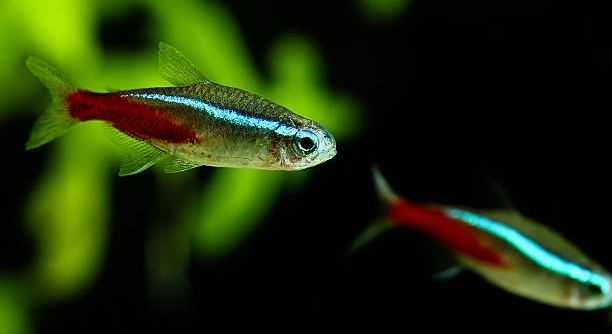
A sponge filter is an often overlooked yet essential piece of equipment for a Neon Tetra tank. It plays a key role in maintaining water quality, which is crucial for the health of your fish.
Sponge filters provide gentle filtration, helping to keep the water clear and oxygenated without creating strong currents. This is especially beneficial for small, delicate fish like Neon Tetras, which thrive in calmer environments with stable water conditions.
With these benefits in mind, using a sponge filter can improve the overall quality of life for your Neon Tetras. Let’s look at why it’s such a valuable addition to their tank setup.
Gentle Filtration for Delicate Fish
Sponge filters provide a gentle, effective filtration system that won’t disturb the delicate balance in your tank. Neon Tetras, being small and sensitive fish, require calm water to thrive. The sponge filter works by drawing water through a sponge, trapping debris and providing biological filtration, which breaks down harmful toxins. The filter’s slow flow keeps the tank peaceful, ensuring your Tetras are not stressed by harsh currents. It’s a natural way to maintain clean water while keeping the tank environment stable. The gentle water movement promotes a healthy and safe space for your fish to swim freely.
The sponge filter also ensures a consistent water flow, important for the health of your Neon Tetras. The slow circulation helps maintain a steady oxygen level in the tank, which is vital for their overall well-being.
In addition to promoting a peaceful environment, sponge filters are highly efficient at maintaining water quality. The biological filtration process supports beneficial bacteria growth, which helps break down waste and ammonia. This makes the filter particularly useful in smaller tanks where maintaining clean water is crucial. It’s a simple yet effective way to keep the water safe, reduce the risk of toxins, and keep the Neon Tetras healthy.
Low Maintenance and Cost-Effective
Another major advantage of sponge filters is their low maintenance and affordability. They are relatively inexpensive compared to other types of filtration systems, making them a budget-friendly option for aquarium owners.
Sponge filters are easy to clean and last for a long time, making them an excellent long-term investment. Simply rinse the sponge every few weeks in tank water to remove debris. This straightforward cleaning process doesn’t require any special tools or complex steps. It’s a simple way to ensure your Neon Tetras continue to have a healthy tank environment. You can spend more time enjoying your fish and less time worrying about equipment upkeep.
Keeps Your Tank Oxygenated
Sponge filters are ideal for ensuring a steady oxygen supply in your tank. The slow movement of water pulls oxygen through the sponge, enriching the tank with fresh air. This process helps maintain a healthy environment for your Neon Tetras, which need good oxygen levels to survive.
By creating gentle surface agitation, sponge filters encourage proper gas exchange. This helps maintain a steady oxygen level throughout the tank, preventing areas where oxygen may be low. Neon Tetras, especially in smaller tanks, benefit from this constant flow of oxygen. It also helps avoid the build-up of carbon dioxide, which can be harmful in poorly oxygenated tanks.
Oxygenation is a key factor in maintaining your fish’s health, and sponge filters make it effortless. They provide the required balance of air and water circulation that many other filters can’t offer. This is especially important for delicate fish like Neon Tetras that are sensitive to water quality and changes in their environment.
Helps with Biological Filtration
The sponge filter provides excellent biological filtration. As water flows through the sponge, beneficial bacteria grow on its surface. These bacteria break down harmful substances, such as ammonia and nitrites, which can build up and harm your fish.
In a Neon Tetra tank, maintaining the right balance of bacteria is crucial. Sponge filters help by allowing the bacteria to thrive, keeping the water clean and safe for your fish. This natural filtration process reduces the need for chemical additives or frequent water changes. The healthy bacteria population helps convert waste products into safer compounds, improving overall water quality.
When setting up a tank for Neon Tetras, biological filtration ensures the environment is consistently safe. It prevents the spikes in ammonia that can lead to stress or illness in your fish. The sponge filter supports the tank’s natural filtration cycle, making it a key component in maintaining a thriving aquarium.
Ideal for Small Tanks
Sponge filters are perfect for small tanks, like those used for Neon Tetras. They take up minimal space and don’t overpower the water flow, making them ideal for compact environments. Their gentle filtration ensures that the small tank stays clean and stable without stressing the fish.
In smaller tanks, water changes and maintaining quality can be more challenging. The sponge filter provides a reliable, low-maintenance solution by efficiently filtering water and promoting healthy bacteria growth. It’s an easy and effective way to maintain a balanced environment without the need for bulky, space-consuming equipment.
Easy to Install
Setting up a sponge filter is quick and straightforward. You don’t need special tools or complicated instructions. Simply place the sponge in the tank, connect the air pump, and watch it start working. It’s a no-fuss filtration solution.
No matter the tank size, this filter can easily fit into your aquarium setup. Its simple design makes installation stress-free, giving you more time to focus on other aspects of tank maintenance. With its ease of use, it’s a great choice for beginner aquarium owners as well.
Safe for Fish and Plants
Sponge filters are gentle on both fish and plants. The soft, slow water movement ensures that Neon Tetras and other small fish won’t be caught in the current. Plants also benefit from the filter’s gentle action, as it doesn’t disturb delicate roots or leaves.
This safety feature makes sponge filters ideal for a peaceful, thriving aquarium. They provide the necessary filtration without the risk of harming smaller fish or uprooting aquatic plants. It’s a balanced way to keep the tank environment stable, ensuring that all living things in the aquarium stay healthy.
FAQ
How often should I clean a sponge filter?
Cleaning your sponge filter every two to four weeks is recommended. During cleaning, gently rinse the sponge in water taken from the tank to avoid washing away beneficial bacteria. Over-cleaning can disrupt the natural filtration process, so avoid using tap water as it can contain chlorine that harms the bacteria. Regular cleaning ensures the sponge continues to filter debris effectively without causing blockages.
Can I use a sponge filter in a larger tank?
Yes, you can use a sponge filter in larger tanks, but it’s important to ensure it’s powerful enough to handle the tank’s size. For larger tanks, you may need to use multiple sponge filters or combine them with other types of filtration systems. Sponge filters are great for maintaining water quality, but their filtration power may be limited in larger tanks. The combination of mechanical, biological, and chemical filtration will keep the tank cleaner and healthier.
Can sponge filters be used in tanks with other fish species?
Sponge filters are suitable for tanks with various fish species, not just Neon Tetras. They provide a gentle filtration system that won’t disturb other small fish. However, if you keep larger or more active fish, they might require stronger filtration systems. For smaller fish and peaceful species, sponge filters are an ideal choice, as they maintain water quality without causing stress.
Do sponge filters work without an air pump?
No, sponge filters need an air pump to function properly. The pump creates the necessary water flow through the sponge, which facilitates filtration. Without the air pump, the sponge filter would not be able to perform its biological and mechanical filtration duties. Ensure you choose an air pump that suits your tank size and sponge filter specifications for optimal performance.
How do I know if my sponge filter is working properly?
To check if your sponge filter is working, observe the water movement around the sponge. There should be a gentle flow of water, indicating that the filter is drawing in water and performing filtration. If the water around the sponge is stagnant or the sponge is clogged, it’s time to clean or replace the filter. You can also check the air pump to ensure it’s functioning properly.
Can sponge filters handle heavy waste load?
Sponge filters are best for tanks with moderate waste loads. While they can handle some waste effectively, they may struggle in tanks with a high fish population or heavy feeding. In these cases, additional filtration might be necessary. However, sponge filters are excellent for smaller tanks, tanks with fewer fish, and well-maintained aquariums with lower waste production.
Are sponge filters noisy?
Sponge filters are generally quiet. The air pump might make a slight hum, but the filter itself operates without causing much noise. However, the level of noise depends on the air pump model you use. Some air pumps are quieter than others, so it’s worth considering a silent or low-noise option for a peaceful aquarium environment.
Do sponge filters improve water quality on their own?
While sponge filters play a significant role in maintaining water quality, they are not a complete solution. They help with mechanical and biological filtration, removing debris and breaking down toxins like ammonia and nitrites. However, depending on the tank size and stocking level, you may still need to perform regular water changes and use other filtration systems for optimal water quality.
Can I use a sponge filter in a quarantine tank?
Sponge filters are perfect for quarantine tanks because they provide gentle filtration without disturbing sensitive fish. In quarantine, it’s crucial to maintain stable water conditions without stressing the fish, and a sponge filter helps achieve that. Additionally, it’s easy to move and install in a temporary setup.
Do sponge filters require a lot of space?
No, sponge filters are compact and require very little space. They are ideal for smaller tanks or tanks with limited space. Their design ensures they won’t overcrowd the tank or create extra clutter. They fit neatly into the corner of the tank, allowing plenty of room for your fish to swim freely.
Can sponge filters be used for planted tanks?
Yes, sponge filters are excellent for planted tanks. The gentle water flow helps prevent plant roots from being disturbed. Additionally, the biological filtration from the sponge helps promote a healthy environment for both the fish and plants. Since they don’t create strong currents, they allow plants to grow naturally without being uprooted.
How do sponge filters help with oxygen levels?
Sponge filters help maintain optimal oxygen levels by creating gentle surface agitation, which enhances gas exchange. This allows oxygen to enter the water while releasing carbon dioxide. Proper oxygenation is essential for fish health, and sponge filters are effective at maintaining this balance in the tank, especially in smaller setups.
Can I use a sponge filter for a tank with shrimp?
Yes, sponge filters are safe for tanks with shrimp. Their gentle filtration ensures that small, delicate creatures like shrimp are not sucked into the filter, which could happen with stronger filters. The sponge filter provides efficient filtration without harming the shrimp, making it an ideal choice for these sensitive species.
How long do sponge filters last?
Sponge filters are long-lasting and durable when properly maintained. With regular cleaning and occasional replacement of the sponge, they can last for several years. The air pump may need replacing after some time, depending on the model and usage, but the sponge filter itself is typically very durable and can serve you for the long term.
Are sponge filters good for fry tanks?
Sponge filters are ideal for fry tanks because they provide gentle filtration that doesn’t harm small, fragile fry. The slow water flow ensures that the fry can swim freely without being caught in the filter. Additionally, the sponge filter maintains water quality, which is essential for the health and growth of the fry.
Final Thoughts
Sponge filters offer a simple, effective, and affordable solution for maintaining a healthy environment in your Neon Tetra tank. Their gentle filtration makes them ideal for small tanks, where strong currents could stress fish. By providing both mechanical and biological filtration, sponge filters help remove debris and break down harmful toxins, ensuring water quality stays optimal. They are easy to install, maintain, and clean, making them a practical choice for aquarium owners, especially beginners.
While sponge filters excel in smaller tanks, they can also be used in larger setups with the proper adjustments. Using multiple sponge filters or combining them with other types of filtration can ensure your larger tank remains clean and well-maintained. The gentle nature of sponge filters is particularly beneficial for fish species that need calm waters, such as Neon Tetras. These filters are also safe for plants, shrimp, and fry, making them a versatile option for various types of aquariums.
Overall, sponge filters are a reliable and low-maintenance choice for aquarium filtration. They are particularly suited for those who prioritize ease of use and a stress-free tank environment. Though they may not be suitable for tanks with heavy waste loads, they provide great value for smaller, well-maintained aquariums. With their ability to improve water quality, maintain oxygen levels, and support healthy bacteria growth, sponge filters can play a crucial role in keeping your Neon Tetra tank thriving.

Hello,
If you enjoy the content that we create, please consider saying a "Thank You!" by leaving a tip.
Every little bit helps us continue crafting quality advice that supports the health, happiness, and well-being of pets around the world, for pets of all shapes, sizes, and species.
We really appreciate the kindness and support that you show us!