
Neon Tetras are a popular and vibrant fish in home aquariums, loved for their colorful appearance. However, they can be sensitive to their environment, and sometimes it can be hard to tell if they’re not feeling well.
There are several warning signs to look for if you think your neon tetra is dying. Changes in behavior, physical appearance, or water conditions can indicate stress or illness, which might lead to the fish’s decline.
By recognizing these signs early, you can take action to potentially save your fish. From fading color to erratic swimming, understanding the warning signs can make a big difference.
Fading Color
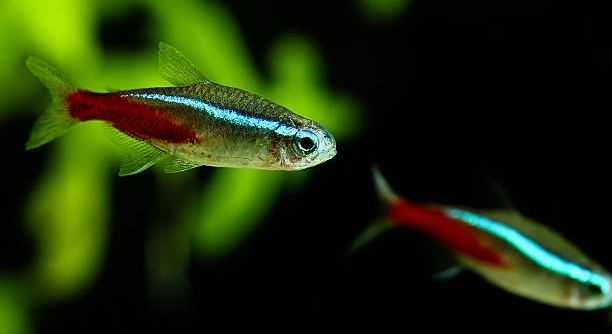
One of the most noticeable signs that your neon tetra might be in trouble is its color fading. Healthy neon tetras are known for their bright, vibrant blue and red markings. If these colors start to dull, it can be a sign that the fish is stressed, sick, or not getting the proper care it needs. It’s important to monitor the fish closely, as this change could happen gradually, making it easy to miss.
Fading color could indicate poor water quality or an issue with their diet. It’s crucial to maintain a stable, clean environment for your neon tetra. If their colors aren’t vibrant, it might be a sign of poor health.
Neon tetras rely on their vibrant color for both communication and as an indication of their well-being. Stress, low oxygen levels, or illness like parasites can cause their vibrant markings to fade. If left unaddressed, it could lead to a more severe decline in health. Regular water changes, a proper diet, and a stress-free environment help ensure they stay healthy and colorful.
Loss of Appetite
A sudden loss of appetite is another key indicator that something might be wrong with your neon tetra. Neon tetras are typically enthusiastic eaters, and when they stop feeding, it’s a red flag.
If your fish is not eating, it might be experiencing stress or discomfort. Common issues include illness, poor water conditions, or overcrowding in the tank. Assessing these factors can help you pinpoint the problem.
If your neon tetra stops eating, check the water quality and temperature first. Poor water quality or drastic changes in temperature can discourage eating. Sometimes, offering a variety of food can help tempt a picky eater back to its regular diet. Also, make sure no other fish are bullying or preventing the neon tetra from feeding.
Erratic Swimming
If your neon tetra is swimming erratically or spending more time near the surface or bottom of the tank, it’s a sign that something is off. Healthy neon tetras usually swim in the middle of the tank, staying active but not overly hyperactive.
Erratic swimming can be caused by a variety of issues, from stress to poor water quality or even illness. Neon tetras are delicate, and they can become easily stressed by sudden changes in the tank environment. Uneven water temperature, dirty water, or aggressive tank mates can all lead to erratic swimming.
Sometimes, when a neon tetra is feeling unwell, it may swim in circles or struggle to maintain balance. If you notice these behaviors, check the water conditions and test for toxins like ammonia or nitrites, which could be affecting your fish. Also, ensure the tank has enough space and hiding spots to reduce stress.
Unusual Breathing
If you notice your neon tetra breathing rapidly or spending too much time at the surface, it’s a cause for concern. A healthy neon tetra breathes steadily and without difficulty, usually in the middle of the water column.
Unusual breathing can be caused by low oxygen levels, poor water conditions, or an infection. Fish rely on oxygen from the water, so if the oxygen level drops, they will struggle to breathe properly. High ammonia or nitrate levels can also damage the gills, making breathing more difficult.
To fix this issue, check your water quality regularly, ensuring that it is clean and well-aerated. Adding an air pump or ensuring the filter is functioning properly can help increase oxygen levels. If the issue persists, consider isolating your neon tetra and checking for signs of disease.
Clamped Fins
Clamped fins, where your neon tetra’s fins are tightly pressed against its body, are a sign of stress or illness. Healthy fish usually spread their fins out while swimming or resting. If you notice this behavior, it’s important to act quickly.
When fins are clamped, it typically means the fish is uncomfortable or unwell. Poor water quality, overcrowding, or an infection could cause this behavior. If your neon tetra is also showing other signs of illness, like fading color or loss of appetite, the clamped fins may indicate a more serious issue.
Abnormal Body Shape
If your neon tetra’s body starts to appear bloated or oddly shaped, it’s a strong sign that something is wrong. Swelling could be a symptom of internal issues like constipation, swim bladder disease, or dropsy.
A bloated or misshapen body often indicates an infection or disease. If you notice the fish’s stomach swelling, it’s essential to assess water quality, diet, and tank conditions. Sometimes, adjusting feeding habits or isolating the fish in a quarantine tank can help treat the issue before it worsens. If you suspect dropsy, it’s important to act fast, as it’s usually fatal.
Lack of Energy
Neon tetras are usually very active and curious. If your fish starts swimming less or seems lethargic, it could be a sign that it’s not feeling well. A decrease in activity can point to a variety of issues like illness, stress, or poor water quality.
In some cases, neon tetras become lethargic due to diseases like fungal infections or parasites. If this behavior is accompanied by other signs like fading color or loss of appetite, it could be an indication of something more serious. Keep the water clean, maintain a stable temperature, and observe for any other unusual behaviors.
FAQ
How can I tell if my neon tetra is stressed?
Stressed neon tetras often display signs like erratic swimming, clamped fins, and faded colors. They may also spend more time near the bottom or top of the tank, avoiding the middle. Stress can be caused by poor water quality, overcrowding, aggressive tank mates, or sudden changes in the environment. Regular water changes and creating a peaceful, stable environment can help reduce stress.
What should I do if my neon tetra is not eating?
If your neon tetra refuses to eat, first check the water quality, as poor conditions can cause a loss of appetite. If the water is clean and stable, try offering different foods to see if they’re more appealing. Also, ensure that other fish aren’t bullying or outcompeting the neon tetra for food. If the fish still refuses to eat, it might be a sign of illness or stress, and you should monitor its behavior closely.
Why is my neon tetra swimming upside down?
Swimming upside down or struggling to maintain its balance is usually a sign of swim bladder disease. This condition affects a fish’s buoyancy, often due to bacterial infections, constipation, or poor water quality. You should immediately check the water parameters and make sure the fish is not being bullied. Adjusting the diet or isolating the fish in a separate tank can sometimes help. If swim bladder disease is caused by an infection, medication may be required.
Can neon tetras survive without a filter?
While neon tetras can survive for a short time without a filter, it is not recommended. Filters help maintain water quality by removing toxins and providing oxygen, both of which are essential for the health of your fish. If you must run a tank without a filter, be extra diligent about water changes to keep ammonia and nitrate levels in check.
How do I prevent diseases in my neon tetra?
Prevention starts with maintaining good water quality. Regular water changes, proper filtration, and avoiding overcrowding are essential to prevent diseases. Quarantining new fish before introducing them to your tank helps reduce the risk of introducing parasites or infections. A balanced diet and a stress-free environment also play a significant role in keeping your neon tetra healthy.
What temperature should my neon tetra tank be?
Neon tetras thrive in water temperatures between 72°F and 78°F (22°C to 26°C). It’s important to maintain a stable temperature within this range, as drastic fluctuations can stress your fish. Using a reliable aquarium heater can help ensure that the temperature stays consistent, especially in colder climates.
How often should I feed my neon tetra?
Neon tetras should be fed small amounts of food two to three times a day. Overfeeding can lead to poor water quality and health issues for your fish. Make sure to remove any uneaten food from the tank to prevent it from decomposing. A varied diet, including high-quality flakes, pellets, and occasional live or frozen food, will help keep your neon tetra healthy and happy.
Can neon tetras live with other fish?
Yes, neon tetras are peaceful and can live with other non-aggressive species. They do well in community tanks, especially with other small, peaceful fish. However, avoid keeping them with large or aggressive fish that may view the neon tetras as prey. Always consider the temperament and size of the other fish in the tank.
Why are my neon tetras not schooling together?
Neon tetras are social fish and typically prefer to school, but if they’re not, it could be due to stress or health issues. If the water conditions are poor, they may not feel comfortable enough to school. Additionally, a lack of hiding spots or an overly aggressive tank mate can cause them to feel insecure. Make sure the tank has enough plants or decorations for them to feel safe.
What is the lifespan of a neon tetra?
On average, neon tetras live for 5 to 10 years if provided with optimal care. Good water quality, a proper diet, and stable tank conditions can help them live longer. Keep in mind that neon tetras are sensitive to poor water conditions and stress, so it’s essential to maintain a healthy environment for them to thrive.
Why is my neon tetra swimming in circles?
Swimming in circles is often a sign of distress, usually caused by poor water quality, an illness, or a parasite infection. If your neon tetra is swimming in circles, it’s important to check the water parameters and ensure there are no toxins present. This behavior could also indicate a neurological issue, which may require isolation and further observation to determine the cause.
Can I use aquarium salt for my neon tetra?
Aquarium salt can sometimes be helpful for treating minor wounds or diseases in fish, but it should be used cautiously with neon tetras. They are sensitive to salt, and excessive use can harm them. Always check the specific needs of your fish and consult with an expert if you’re considering using salt for treatment.
Final Thoughts
Taking care of neon tetras requires paying close attention to their environment and behavior. These small, vibrant fish can be sensitive, which means that even slight changes in water quality, temperature, or tank conditions can affect their health. By watching for early signs of distress, such as faded color, erratic swimming, or changes in appetite, you can often address issues before they become serious problems. Regular maintenance of the tank, including water changes, proper filtration, and monitoring of temperature, will help keep your neon tetras in good condition for years to come.
It’s also important to remember that neon tetras are social fish, so keeping them in groups of at least six is ideal. They feel safer and more comfortable in schools, which helps reduce stress and promote healthy behavior. When keeping neon tetras, try to avoid overstocking the tank and make sure they have enough space to swim. In addition, keeping peaceful tank mates is crucial to avoid aggression, which can lead to stress or injury for your neon tetras. With the right setup, they can thrive in a community tank alongside other small, peaceful fish.
Finally, while neon tetras are relatively easy to care for, they still require attention and proper care to live long, healthy lives. Regularly check for any signs of illness or stress, and be prepared to take action if necessary. Providing them with the right environment, food, and care will ensure that your neon tetras live up to their potential, staying healthy and vibrant. With a little effort, you can enjoy these colorful fish in your tank for many years.

Hello,
If you enjoy the content that we create, please consider saying a "Thank You!" by leaving a tip.
Every little bit helps us continue crafting quality advice that supports the health, happiness, and well-being of pets around the world, for pets of all shapes, sizes, and species.
We really appreciate the kindness and support that you show us!